Matox News

Truth Over Trends, always!

Matthieu Blazy’s Bold Launch: Chanel’s Haute Couture Dream Takes the Spotlight

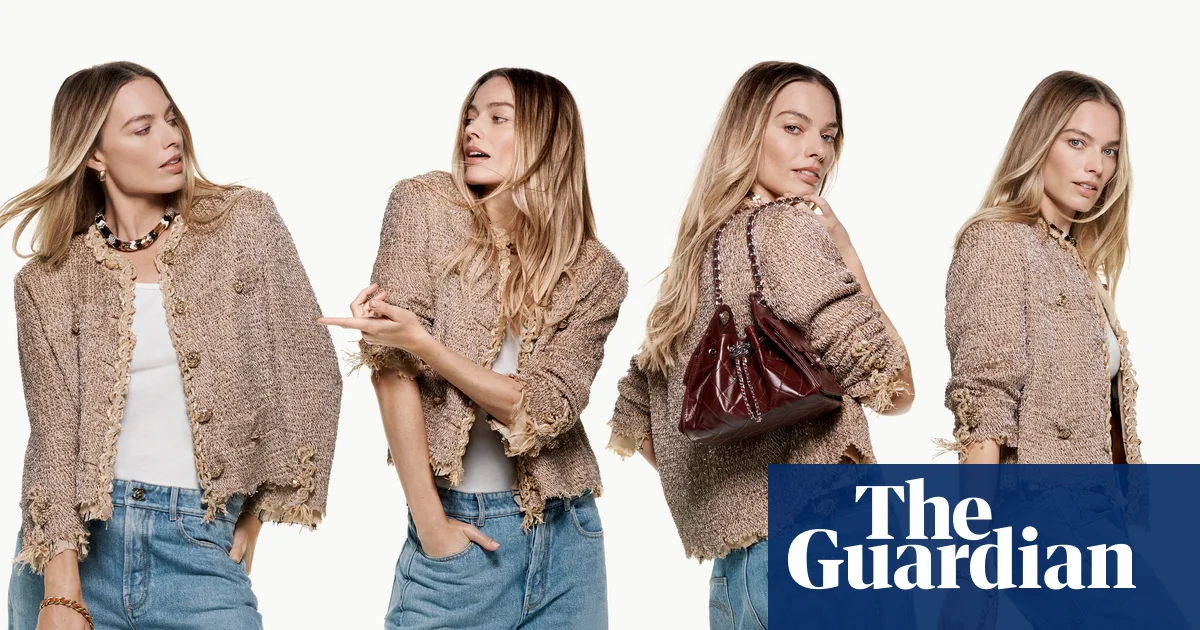
In a world where fashion giants often cling to tradition and legacy, the emergence of Matthieu Blazy at Chanel signals a seismic shift. The 41-year-old Belgian designer, once a relatively unknown name outside the industry, is now steering one of the most iconic brands in history through a curious blend of tradition and innovation. His recent debut Haute Couture collection, hosted at Paris’s Grand Palais, did not just earn applause; it ignited a cultural wave that challenges entrenched notions of beauty, age, and the role of storytelling in fashion.

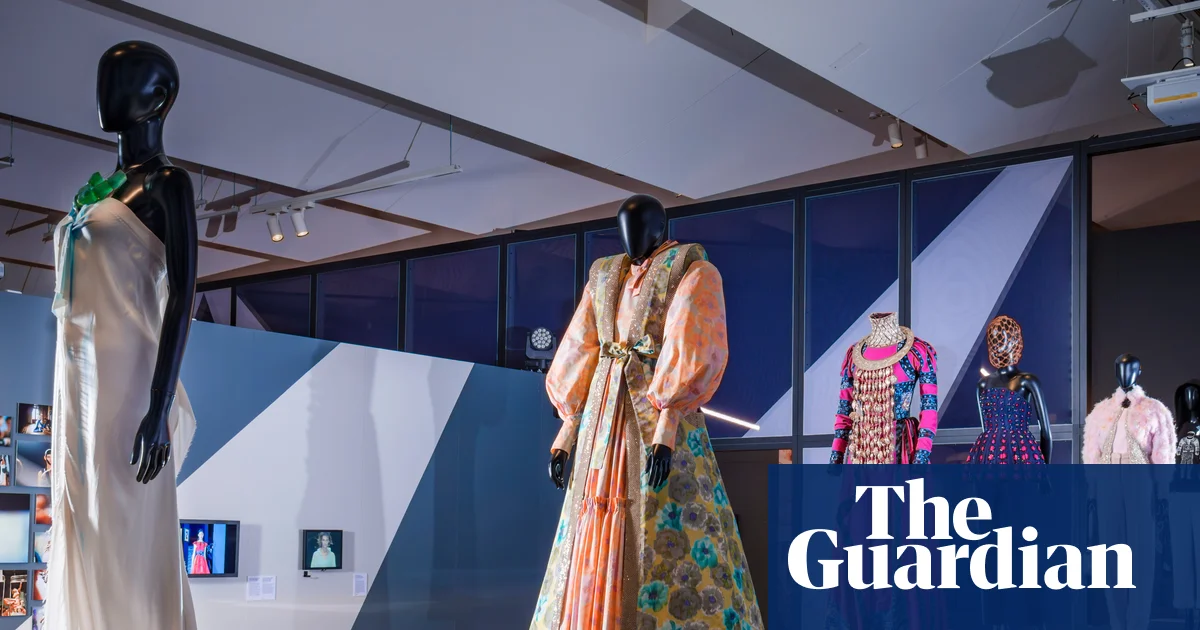
The show’s aesthetic was a masterclass in redefining luxury. From a boxy suit in tissue-thin mousseline to daring transparent jackets adorned with ropes of gems, Blazy’s designs showcased craftsmanship that is both heroic and warm. In a deliberate break from the typical high-gloss runway, he included multigenerational casting, intentionally featuring models of diverse ages and backgrounds—women who “have lived” and “have seen the world.” According to the designer, this shift in casting isn’t just about visual representation but a statement that beauty, wisdom, and life experience are integral to modern femininity. This cultural impact resonates with a generation increasingly questioning superficial standards, turning their gaze towards authenticity and lived-in stories.

The influence of influencers like Dua Lipa and industry icons such as Anna Wintour backstage underscores a societal desire for brands to connect deeply with personal narratives and individual identities. Blazy’s request for models to incorporate personal items—a love letter, initials, a word like “kindness”—stands out as an extension of this shift. These intimate touches, stitched into garments by Paris’s renowned Lesage embroiderers, elevate fashion beyond mere aesthetics, making it a vessel for emotional storytelling. This approach is part of a broader trend where consumers seek a more meaningful engagement with brands, echoing a societal craving for authenticity and depth amidst a superficial influencer-driven culture.

What truly sets Blazy apart—and hints at the future of fashion—is how he balances youthful boldness with a reverence for craftsmanship. His use of trompe l’œil techniques, painted denim mimicking casual wear, and leather feathers crafted into dresses, all echo a conscious effort to blend fantasy with reality. This ‘fairytale’ era—exemplified by animated previews with Snow White bluebirds—serves as a metaphor for a collective desire for escapism and renewal. Yet beneath the enchantment, there is a strategic, almost revolutionary statement: fashion’s power to reflect societal shifts and redefine identity. As Blazy’s Chanel appears to embrace a storybook aesthetic, a question lingers: Could this fairy-tale phase be the new standard for aspirational society? Or is it just a temporary chapter in a larger movement towards genuine self-expression?

Jessie’s Traitors Makeup Unlocks the New Wave of Bold Beauty Vibes for Today’s Youth

In a cultural landscape where conformity often dominates social media feeds and pop culture, a rebellion against conventional beauty standards is emerging—fueled by a new wave of youth embracing bold, unorthodox makeup styles. Recent observations from the hit show The Traitors and viral TikTok trends highlight a shift where makeup is no longer just about looking “polished” but about expressing individuality and reclaiming the notion of beauty itself. Influencers like Garance Murru and makeup artists such as Sean Brady are leading a movement that questions the very fabric of societal beauty ideals—bringing “ugly makeup” back into the limelight.

This cultural shift transcends Instagram filters and Instagrammable perfection—it’s about challenging social biases and defining a new identity grounded in character and authenticity. Jessie Roux, a contestant on the show, exemplifies this new ethos, proudly sporting vibrant, mismatched eyeshadow shades like marigold orange and canary yellow, despite fears that her bold makeup might undermine her perceived trustworthiness. Her stance is a statement: “I love expressing myself through makeup, especially because my stammer sometimes makes it hard to show who I am.” In this context, makeup becomes a tool of empowerment, a shield against societal expectations, and a way to push beyond the superficial layers of appearance to showcase inner resilience and diversity of beauty.

Social media platforms such as TikTok have amplified this narrative, with users embracing *characterful* looks inspired by Jessie and artworks inspired by “bird of paradise” palettes. Trends include applying metallic shades in prosecco hues or decorating lips with fantastical color combos like sky blue paired with pillar-box red. Commentators are calling this the resurgence of character-driven beauty, a stark contrast to the “dewy” and “glossy” aesthetic that dominated recent years. Makeup artist Aoife Cullen notes this “swing back towards colour and individuality,” revealing that social media dialogue among makeup artists is fueling this “creative renaissance.”

This movement resonates deeply with the social relevance of shaping a society that values self-expression over mass appeal. It questions whether society’s obsession with “flawless” beauty is on the brink of transformation or simply a passing trend. As Cullen suggests, the key to embracing this shift lies in small steps — like changing your mascara color from black to plum, then to green, until you find what truly resonates with your personality. The message is clear: the boundaries of beauty are shifting, and the definition is becoming more inclusive of eccentricity and boldness. Jessie herself advocates for authenticity, emphasizing: “If you love colour, then go for it. It’s always better to be yourself than to follow the crowd.”

As this revolution in makeup style stretches beyond the runway and social media into everyday life, a compelling question emerges: are we witnessing a permanent cultural evolution or an ephemeral revolt? With influencers and sociologists alike pointing to the rise of “ugly beauty” as a critique of perfectionism, the next big question is whether society will continue to embrace this cultural bravado or revert to traditional standards once the novelty wears off. The answer may define whether this trend becomes a new normal—where self-expression and individuality carve out a more inclusive and authentic aesthetic for future generations.

Jonathan Anderson Flexes Eccentric Edge at Dior Men’s Show — Sparking a Fresh ‘New Aristocracy’ at Paris Fashion Week

In the pulsating heart of Paris, fashion is undergoing a remarkable transformation that is as much about societal shifts as it is about style. Jonathan Anderson’s recent Dior menswear show, staged at the iconic Musée Rodin, exemplifies this evolution. With celebrity icons like Robert Pattinson and Lewis Hamilton in attendance, the collection didn’t just showcase clothing—it challenged perceptions about what it means to be part of a new aristocracy. Anderson’s concept focused on eccentricity over wealth, emphasizing the social and cultural relevance of individuality. Instead of traditional signs of status, he spotlighted personal expression—an intriguing reflection of today’s societal trajectory that increasingly favors authenticity and unique identity over old notions of privilege.

His collection, a provocative blend of punk-iness and historic references, took fashion’s boundaries for a deliberate spin. Sequin camisoles, snakeskin boots, and synthetic wigs united to form a character study that questions the norms of normality. Anderson’s use of cropped blazers and tailored pieces from eras just before societal upheaval—the 60s and prewar periods—serves as a commentary on clothing as a premonition of societal change. Influences from eclectic sources like MK Gee and Withnail and I indicate a deliberate move towards a culture that embraces mixed styles and the unconventional. This cultural layering signals a shift where fashion’s role extends beyond aesthetics into the realm of storytelling and social commentary.

Meanwhile, the conversation around fashion’s social relevance continues to evolve as Anderson mentions that consumers are already adopting the “anti-fitting” vibe—wearing men’s jackets designed with a rebellious twist—those traditionally confined to the women’s section. It underscores a broader trend towards bridging gendered styles and killing off the outdated “siloed” thinking of fashion marketing. Anderson sees this fluidity as a reflection of how we shop today, akin to a dessert menu where individuals craft their own personal aesthetic. This isn’t about Christian Dior or the brand; it’s about the next chapter of fashion—a chapter where personal identity reigns supreme, and the social hierarchy is redefined by the choices we make on our own terms.

On another front, visionaries like Pharrell Williams are similarly steering fashion’s future, this time at Louis Vuitton. Williams’ “retro-futuristic” collection, with tech-enabled tailoring, epitomizes the merging of tradition and innovation. Guests such as Skepta and Stephen Graham witnessed jackets glowing under lights and shirts designed to sculpt to the wearer—an explicit focus on technological integration in fashion. This resurgence of technical apparel indicates that luxury is not just about aesthetics anymore, but about enhanced functionality and personal empowerment. It’s a glimpse into a future where fashion aligns seamlessly with technology, digital culture, and individual agency, thus reshaping what luxury means in a world driven by rapid innovation.

Both Anderson and Williams highlight that the next big question for fashion isn’t simply about new styles—it’s about what these styles say about societal values and power structures. The cultural impact of this shift is profound: it signals a move away from the old aristocratic hierarchies based on wealth and social class, towards a society where self-constructed identities define one’s cultural capital. As fashion becomes more fluid and expressive, it challenges sociologists and trend analysts alike to reconsider the future of cultural influence. The true innovation may lie not just in the clothing itself but in how these visual stories will influence social norms and cultural narratives in the years ahead. The question remaining: are we witnessing the dawn of a new era where style democratizes power, or is this just the beginning of a new grand spectacle of identity politics—and what does that mean for the future of young, fashion-conscious generations?

Merriam-Webster Declares “Slop” the Word of the Year for 2025—Stay Ahead of the Trends!

As we reflect on the cultural landscape of 2025, one thing becomes crystal clear: this was the quintessential year of slop. Merriam-Webster’s choice of “slop” as their word of the year symbolizes more than just a linguistic trend; it marks a societal shift toward embracing, or perhaps resigning ourselves to, the flood of low-quality, AI-generated content that infiltrated every corner of our digital lives. From social media feeds to streaming services, the term “slop” has become an undeniable cultural marker, embodying the mass production and disposable nature of modern digital content.

This surge of AI slop kicked into high gear in 2025, reshaping internet vernacular and even influencing social behaviors. Everywhere you turned—TikTok, Instagram, YouTube, or even the White House’s X feed—slop was omnipresent. Influencers, sociologists, and tech analysts have pointed out that this trend reflects a crucial shift in society’s view of authenticity and quality. Now, whether it’s a deepfake political meme, a poorly executed AI art piece, or a low-stakes, cooperative multiplayer game like “friendslop,” the content’s worth is measured less by originality and more by quantity and quick consumption. The emergence of terms like “friendslop” exemplifies how our cultural narrative has evolved to normalize and even celebrate mediocrity—sometimes as a form of rebellion, sometimes just out of sheer convenience.

Influencers and sociologists argue that the social impact of this trend is profound. Viral creators such as MrBeast and Emma Chamberlain have commented on the normalization of “slop,” warning that the relentless production of low-quality content risks diluting the value of genuine creativity and critical thought. Meanwhile, the industry’s shift toward AI-generated “content for content’s sake” has had ripple effects on everything from political discourse to mental health. People, now more than ever, are grappling with the dilemma of authenticity versus quantity. And as deepfake technology advances into personal realms—think: putting anti-deepfake clauses in wills—society faces a future where distinguishing real from artificial might become an ongoing battle.

What’s truly fascinating, yet unsettling, is how this wave of digital slop challenges our very understanding of value in our hyper-connected world. The acceleration of AI-generated “content” raises questions about the future of creativity, authenticity, and even societal trust. Will the relentless tide of low-quality digital material overhaul how future generations perceive entertainment, information, and social engagement? Or is this just a passing phase—one that will eventually give way to a return to quality? As digital culture continues to evolve at breakneck speed, the next big question looms: are we entering an era where the quantity of content is finally outweighing its quality, and if so, what does that mean for society’s long-term ability to differentiate meaningful innovation from digital noise?

Dior, Chanel—and now Veja? The Ethical Paris Sneaker Worn by Celebrities and Royals

In recent years, the landscape of fashion trends has shifted dramatically, highlighting a new era where style intersects with social responsibility. Among the industry’s heroes stands Veja, a brand that has redefined footwear not just as a fashion statement, but as a symbol of ethical living. Since its inception nearly 20 years ago, Veja has achieved what many believed impossible in the crowded, ever-changing world of Paris fashion: to stand out with a straightforward, goes-with-everything white sneaker. The secret? An unwavering focus on sustainability, traceability, and social fairness, which have all contributed to its skyrocketing success and cultural relevance.

The influence of Veja extends beyond everyday wear, permeating elite circles, with supporters like Emma Watson and Meghan, Duchess of Sussex, choosing their sneakers not as endorsements but as informed, deliberate gifts or purchases. As Veja’s co-founder Sébastien Kopp explains, the brand’s appeal lies in authenticity — whether consumers buy because of how they are made or because of how they look remains a mystery; what matters is their shared commitment to ethical manufacturing practices. This approach has cultivated a movement where accessories, from trainers to tote bags, become more than fashion — they become material signals of taste and social consciousness.

Nevertheless, this cultural wave raises a critical question about society’s evolving values. While sneakers historically dominate production—accounting for about 60% of the 23 billion shoes produced annually—the demand trend is actually declining. Industry analysts indicate a shift toward boots and loafers, reflecting a broader desire for versatility and perhaps a return to classic, timeless styles. For Gen Z, the aesthetic is distinctly slimline and modern, favoring designs like Puma’s Speedcats, whereas millennials like Chanel’s Matthieu Blazy embrace more traditional sneakers like Nikes on high fashion runways. Here lies a tension: whether this waning sneaker obsession hints at a deeper cultural reconsideration of consumerism or merely a temporary transition remains to be seen. Shrinking demand prompts an urgent question: will the sneaker’s dominant role in consumer culture endure, or will it evolve into a niche—a symbol more of identity than mass habit?

As these questions unfold, brands like Veja are consciously navigating the fragile line between sustainability and practicality. With initiatives like transparent factory wages and efforts to rebirth shoes through repair programs, they challenge the notion that eco-conscious products are incompatible with economic viability. Yet, the issue of greenwashing looms large, especially in an industry riddled with superficial “recycling” claims and the complexity of up to 40 materials in a single sneaker. Still, Veja’s stance—phasing out vegan leather in favor of more traceable, natural options—underscores a shifting debate about what truly constitutes responsible consumption. In a world where fast fashion and shiny new imports like Shein continue to expand, the question becomes: can this new wave of fashion activism spark a genuine overhaul, or is it just another trend in the endless cycle of consumerism? The next big question: as society’s values evolve, will our footwear choices become less a matter of trend and more a reflection of identity and integrity?

Grab the DJI Power 2000 Portable Power Station — Now 46% Off This Weekend!

In an era where **technology** and **urban resilience** are shaping the *lifestyle fabric* of youth culture, a surge in demand for *portable power solutions* is redefining what it means to be prepared and independent. Recently, Amazon announced a striking deal on the DJI Power 2000 portable power station, slashing its price from $1,299 to just $699—an eye-catching 46% discount that’s capturing the attention of young entrepreneurs, digital nomads, and outdoor enthusiasts alike. With this shift, we are witnessing the emergence of a *cultural paradigm*: the quest for uninterrupted energy in a society that thrives on mobility and instant connectivity.

The DJI Power 2000 isn’t just a bulky backup; it’s a symbol of a broader **societal shift**. Known globally for their innovative drones and microphones, DJI’s expansion into portable power stations aligns perfectly with the needs of today’s *adventure-driven, tech-dependent generation*. Designed to handle up to 99% of everyday appliances— from power tools to projectors—this device exemplifies the **sociological trend**: *the pursuit of *self-sufficiency*. It represents the new archetype of lifestyle, where resilience against outages and off-grid living become not just practical choices but cultural statements.* As sociologist Dr. Emily Navarro notes, “This shift signifies a move towards **self-empowered independence**, where technology blurs the line between urban readiness and rugged real-world utility.”

What truly elevates the **Power 2000** is its blend of *power, safety, and versatility*. Weighing in at around 21kg (or 47.4 pounds), it isn’t a lightweight companion, but a **powerful fixture** in any scenario: from off-grid camping to emergency backup during city outages. Recharging up to 80% in just 55 minutes, it exemplifies modern innovation that prioritizes *speed and efficiency*. Its water-resistant and flame-retardant design underlines a *growing social expectation for safety* in portable tech, especially among the younger crowd who are pushing limits in outdoor activities, DIY projects, or small business ventures. These power stations have become not merely tools but extensions of one’s *lifestyle identity*, fostering a sense of readiness that resonates strongly among millennials and Gen Z consumers who prize **autonomy** in an unpredictable world.

Trend analysts highlight how this technology catalyzes a *cultural redefinition*: a shift from dependence on traditional power grids to a *culture of resilience and adaptability*. Influencers on platforms like TikTok and YouTube demonstrate their daily lives powered by these stations, inspiring a new *generation of adventurers* and *Urban explorers* who see portable energy as a symbol of freedom. The **social relevance** extends beyond mere convenience; it signals a shift in *values*, emphasizing **self-reliance**, **environmental consciousness**, and **technological savvy**. Yet, a fascinating **narrative twist** emerges: as these devices grow more integral in our lives, the question isn’t just about *power*. It’s about *the future of societal resilience*. Will this pursuit of individual solutions weaken collective infrastructure, or is it paving the way for a more adaptive, decentralized society? As youth and thought leaders grapple with these questions, one thing remains clear: the trend towards portable power is not just about keeping devices alive—it’s shaping the very **culture of independence** for generations to come.

GPT-5.2 vs Grok 4: The Battle for Tomorrow’s AI—What’s Worth Your Buck and What’s Next?

The Future of Artificial Intelligence: A Deep Dive into the Emerging Tech and Its Social Relevance

Over the past few months, the tech world has been buzzing with the latest advances in artificial intelligence, but the most captivating development is the ongoing battle for supremacy between giants like Google’s Gemini 3 and OpenAI’s GPT-5.2. Since its mid-November debut, Gemini 3 has made an immediate splash, and industry analysts are watching closely to see if OpenAI can hold its ground or even surpass the new benchmark. These models are not just numbers on a leaderboard—they are shaping the social fabric of our digital lives, influencing everything from content creation to how young people consume information online.

What makes GPT-5.2 particularly fascinating is its early promising performance across various AI benchmarks. Though still fresh out of its development stage, initial reports suggest GPT-5.2 will likely rise close to the top tier, with a particular edge in creative writing, web development, and problem-solving capabilities. As influencers and early adopters begin testing it, the buzz signals more than just technological progress; it points to a societal shift where AI is becoming seamlessly integrated into our everyday routines—whether we’re leveraging it for school projects or generating viral social content. This evolution indicates a future where AI-driven tools are not just aids but integral decisive factors in youth culture and social discourse.

Beyond the Numbers: The Cultural Impact of AI Models

The cultural impact of these AI models extends far beyond their technical specifications. As social commentators argue, AI is increasingly influencing how identity and communication are shaped online. For the younger generation, who are digital natives, AI-driven content creation, personalized learning, and interactive experiences are recreating the boundaries of self-expression. These models, especially with GPT-5.2’s purported superior performance, could catalyze a new wave of cultural expression—a digital renaissance fueled by machine intelligence. This shift is not just about convenience; it challenges traditional notions of creativity and authenticity, raising questions about what it means to create and to be human in a digital age.

Prominent luminaries such as sociologists and tech analysts are dissecting these changes, analyzing how AI models influence social dynamics and cultural narratives. As AI tools become more ‘mainstream’ and accessible, they’re rewriting the fabric of youth lifestyle—impacting social media trends, art forms, and even role models. The debate now isn’t whether AI will take over but rather how it will serve as a reflection of our values and aspirations.

The Battle for the Future: Price, Availability, and Ethical Dilemmas

In an industry that prices itself on exclusivity and innovation, GPT-5.2 holds an edge with its affordable subscription model. Priced at $20/month for the pro version, it’s positioned as a more accessible option for young creators and students compared to Grok’s subscription plans. Coupled with its wider integration across platforms like ChatGPT, GPT-5.2 isn’t just battling for leaderboard dominance; it’s competing to embed itself into the very ecosystem of digital youth culture. Yet, the rapid advancement of these AI models also invites ethical questions. As AI begins generating content that blurs the line between human and machine, society must consider the implications for authenticity, misinformation, and the very fabric of societal trust.

Furthermore, the social relevance of this AI evolution hinges on our ability to navigate these ethical concerns while embracing the opportunities for empowerment and self-expression. The next question that emerges might be: will society shape these tools to reflect its best values, or will it be swayed by the allure of unchecked technological progress? As AI models become more sophisticated, the younger generation might find itself at a crossroads—between an era of accelerated innovation and a reckoning with the very nature of social authenticity.

In this rapidly transforming landscape, one thing is clear: the rise of GPT-5.2 and its competitors is not just a story of technology but a cultural revolution in motion. As these models increasingly define our digital experiences, the real question remains: how will society harness this power to forge a future that aligns with its core values?

“Forget the Runway: How This Podcast Is Changing How Young Trendsetters See Fashion”

In a world captivated by fleeting trends and viral influencers, a new wave of curiosity is emerging—one that digs beneath the surface of our everyday wardrobe to uncover the profound cultural and social significance of clothing. At the forefront of this movement is Avery Trufelman, a sharp and engaging podcast host whose show, Articles of Interest, offers a fresh, insightful perspective on fashion’s history, symbolism, and societal impact. Her approach is a reminder that what we wear isn’t just about aesthetics; it’s a mirror reflecting profound societal shifts and hidden histories. As her episodes navigate topics from the evolution of pockets to military-inspired gear, Trufelman redefines fashion as a form of cultural expression with enduring social relevance.

Her explorations reveal how clothing connects to pivotal societal developments. For example, she highlights how the seemingly mundane zipper was actually born out of personal passion—a love story involving Swedish-American engineer Gideon Sundback—illuminating that even the most ordinary objects have rich histories intertwined with innovation and romance. Similarly, her podcast delves into the history of military uniforms, exposing the unexpected links between civilian fashion and warfare. Today, American civilians and the military are more interconnected than ever, with military-grade fabrics and camouflage becoming staples in everyday wardrobes. Trufelman’s narrative suggests that our clothing often embodies the echoes of national conflict, societal shifts, and technological progress, making it a potent indicator of broader social dynamics.

This cultural lens elevates fashion from superficial trends to a form of social commentary. Influencers, sociologists, and industry analysts increasingly recognize that clothing choices reflect and influence societal values. The phenomenon of gorpcore, for instance, emerges not just as an aesthetic trend but as a response to the desire for practicality and resilience in uncertain times. Likewise, debates about gender privilege in pockets expose ongoing conversations about gender roles and societal expectations. Trufelman’s ability to connect these dots demonstrates that today’s youth aren’t merely chasing styles—they’re engaging in a dialogue with history, power, and identity through what they wear. Her work encourages a generation to view everyday garments as symbols of collective memory and societal resilience.

As her podcast gains traction, it’s clear that Gear—her deep dive into the relationship between clothing and war—exposes uncomfortable truths about how military and civilian clothing are intertwined in ways that often escape notice. With each episode, Trufelman underscores that fashion’s real power lies in its capacity to embody cultural narratives, challenge stereotypes, and reflect societal tensions. But perhaps the most compelling question her work raises is: what will the next chapter in this story look like? As military influence continues to shape civilian fashion, and as societal values evolve, the next big question is whether clothing will remain a silent reflection of history or become an active tool in shaping social change. The future of fashion, it seems, is not merely about what’s on the surface, but about how what we wear might help us navigate and redefine our societal landscape in a rapidly changing world.

McDonald’s Netherlands Sets the Record Straight on AI Holiday Ad Ghosted by Critics

As the holiday season kicks into high gear, brands are vying to capture the festive spirit—yet, this year, one unexpected actor has stirred a quiet revolution with a controversial twist. McDonald’s Netherlands released a holiday commercial that quickly became a viral sensation—though not for the reasons they had hoped. Instead of growing brand love, it sparked a wave of criticism centered around the role of artificial intelligence (AI) in creative advertising. The ad, titled “The most terrible time of the year”, depicted holiday chaos with a low-budget, uncanny aesthetic indicative of generative AI’s capabilities, featuring awkward movements and generic-looking actors, which many viewers found unsettling rather than humorous.

While brands across industries are eagerly experimenting with AI-generated content to streamline production and reduce costs, this incident underscores a growing societal debate: how far should AI go in replacing human creativity? Critics argue that AI-driven ads lack the nuanced emotional intelligence that makes holiday messages resonate deeply with audiences. Influencers and sociologists point out that, in our age of social media saturation, authenticity counts more than ever. McDonald’s faced a swift backlash from viewers who considered the commercial not just poorly made, but disrespectful to the warmth and sincerity traditionally associated with holiday marketing. By Dec. 9, the fast-food giant announced its decision to pull the ad, acknowledging that the artificial trying to parody human emotion failed to hit the right notes—highlighting an important trend: society’s increasing discomfort with even minor AI encroachments in cultural narratives.

This incident isn’t occurring in isolation. Earlier in the season, Coca-Cola released its own AI-generated holiday commercial, created in partnership with the studio Secret Level. Despite initial fanfare, critics quickly piled on, citing concerns over authenticity and the erosion of traditional storytelling. Yet, Coca-Cola persisted, continuing to air the ad throughout the season—a reflection of a larger corporate trend: companies are eager to explore how AI can innovate marketing, regardless of initial backlash. Meanwhile, analysts like Dr. Laura Bennett, a media sociologist, warn that this surge might signify a broader societal shift towards accepting artificial representations as authentic, raising questions about the future of human-centered advertising and cultural values.

Behind the scenes, industry insiders reveal that much human labor still goes into these AI attempts. The CEO of The Sweetshop emphasized that creative direction, editing, and ethical oversight remain largely human-driven, even when AI assists. Nonetheless, the social relevance extends beyond the commercial realm. More than a marketing experiment, this tension taps into broader societal concerns:

  • Should AI be permitted to shape cultural storytelling?
  • Can machine-created content ever genuinely resonate on a human level?
  • And perhaps most compellingly—what do these shifts reveal about our collective trust in technology and authenticity?

As we observe these high-profile experiments, a provocative question emerges: Will the future of advertising and culture be a battleground for human authenticity versus artificial simulation, or are we on the cusp of a new hybrid era where AI complements rather than replaces our storytelling? With industry giants like Coca-Cola forging ahead despite criticism, the next chapter in this digital-cultural saga remains unwritten. Maybe it’s time for society—not just corporations—to ask: what kind of cultural landscape do we want AI to help create in the decades to come?

Hisense Drops Stylish 32-Inch QLED S5 DécoTV for Just $299.99 at Amazon—The Perfect Blend of Tech and Trend for Young Fans

Revolutionizing Small-Space Living: The Cultural Shift Toward Affordable, Aesthetically Pleasing TVs

In a move that is reshaping how younger generations perceive home entertainment, Hisense recently introduced a sleek new addition to the TV market — the 32-inch DécoTV QLED Fire TV. Priced at just $299.99 on Amazon, this device exemplifies a fascinating trend: the merging of affordable price points with high-end aesthetics. Gone are the days when a practical TV was synonymous with bulky, utilitarian design. Now, thanks to models like Hisense’s latest release, small living spaces such as apartments, bedrooms, and kitchens are becoming focal points for a new cultural wave. These TVs are not just tools for entertainment; they serve as stylish design statements, echoing broader societal shifts towards personalized, Instagram-worthy living spaces.

The Social and Cultural Impact of Design-Oriented Tech

The Themes of form and function are blending in ways that challenge traditional notions of what a television should be. The Hisense DécoTV, with its art-inspired white curved stand, signifies more than just a technology upgrade — it embodies a cultural move towards minimalist elegance and spatial efficiency. Influencers and lifestyle experts are increasingly focusing on the idea that every item in a home should serve both purpose and style. Sociologist Dr. Lisa Chang argues that this trend reflects a broader societal recognition of the importance of visual harmony and personal expression within our living environments. For the digital-native youth, the TV is now a central aesthetic element, a device that complements their curated lifestyles rather than just serving as a screen for binge-watching.

Technology and Lifestyle: A Symbiotic Relationship

Beyond aesthetics, these new budget-friendly TVs carry cutting-edge features that enhance lifestyle convenience. The Hisense S5 DécoTV Fire TV sports an intuitive platform that makes content discovery effortless, aligning perfectly with the tech-savvy nature of younger users who prefer their devices to seamlessly integrate into their daily routines. Moreover, the emphasis on brightness for small spaces showcases an understanding of modern living—most viewers watch during daytime, whether multitasking in the kitchen or relaxing in their bedrooms. The introduction of QLED technology in such affordable models signifies a breakthrough in delivering high-quality visual experiences, especially vital for watching sports or vibrant content in well-lit environments.

This synergy between technology and social behavior pushes the cultural narrative of personal space and self-expression ever forward. Influencers like @ModernLiving and trend analysts note that these TVs are more than gadgets; they’re mediums of self-expression and social engagement. As a result, home entertainment transforms from a purely functional necessity into a lifestyle statement, where affordable design-driven tech fosters a sense of individual identity, especially among younger demographics eager to express their taste without breaking the bank.

The Next Big Question

As the market continues to evolve with these stylish yet budget-conscious TVs, a compelling question looms: Will this shift alter the larger consumer electronics landscape, encouraging brands to prioritize aesthetics and social relevance alongside technological innovation? With small living spaces becoming the norm, and a culture increasingly centered on visual harmony and personal branding, the future of home entertainment might hinge less on size and more on how well these devices integrate into our social identities. Could this be the beginning of a new era where affordability, aesthetics, and social relevance create a new standard for all consumer tech? Only time will tell, but one thing’s clear — the way we define cutting-edge is becoming as much about style and social meaning as it is about technical specs.

Social Media Auto Publish Powered By : XYZScripts.com