Matox News

Truth Over Trends, always!

Levi’s Gains Big in UK as Celeb-endorsed Denim Revival Sparks Style Wave

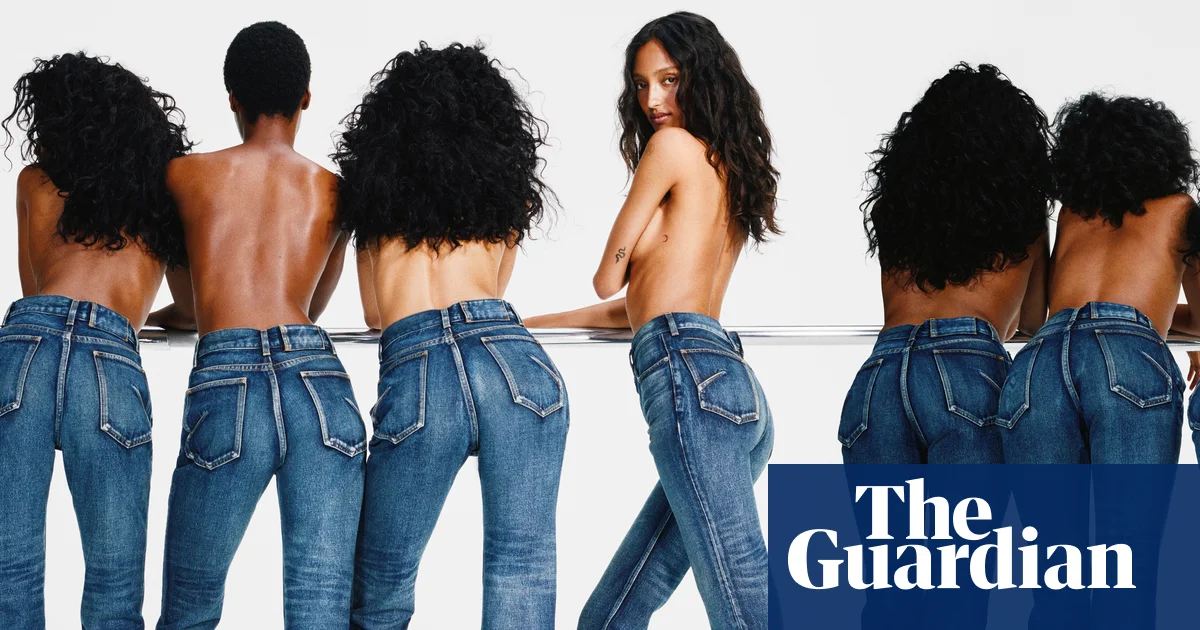
Once dismissed as a nostalgic relic of the 90s, denim is experiencing a renaissance among today’s youth, driven by a complex blend of cultural nostalgia and evolving fashion trends. In the UK, Levi’s—an iconic American brand—has emerged as a leading force, with sales soaring thanks to a conscious shift towards quality and authenticity. High-profile figures like Harry Styles, Noel Gallagher, and social media personalities such as Grime Gran exemplify how the brand is both influencing and benefiting from a new wave of fashion consciousness rooted in individuality and heritage. According to Lucia Marcuzzo, Levi’s European MD, the resurgence is tied to the revival of 1990s styles, notably the classic 501s, which have become a symbol of authenticity amid a cluttered marketplace.

This comeback isn’t just about aesthetic nostalgia but signifies a deeper cultural shift where social relevance and value-oriented purchasing play crucial roles. Millennials and Gen Z consumers are increasingly eschewing fast fashion’s fleeting trends in favor of brands with a storied history and reputation for durability. Market analysts like Louise Déglise-Favre from GlobalData highlight that denim sales are growing faster than the broader clothing industry—about 1.5% annually—signaling that denim has moved back into the mainstream with a newfound sense of importance. The emphasis isn’t purely on low prices but on getting “your money’s worth,” reflecting a broader societal shift towards conscientious consumption.

The social impact of this trend extends beyond mere clothing. Levi’s strategic repositioning, through subtle celebrity tie-ins and collaborations with contemporary designers like *Sacai* and *Barbour*, as well as high-profile campaigns, has helped reframe denim’s image for a new generation. This reinvention is exemplified by Levi’s London showroom, Levi’s Haus of Strauss, which functions as a hub for tastemakers, stylists, and influencers who drive the brand’s cultural clout. Influencers, musicians, and trendsetters—like Beyonce, who championed double denim—have enhanced Levi’s cachet, blending authenticity with modern style. Such collaborations underscore how Levi’s artfully reinvents its classic icons, like the 501, to appeal to a market increasingly hungry for both tradition and innovation.

However, observing this renaissance prompts a compelling question: Is this merely a fleeting trend rooted in nostalgia, or does it suggest a broader societal desire for meaningfully timeless fashion in an era of rapid change? With denim becoming an essential part of everyday life across diverse socio-economic groups, the next big question is whether this movement represents a genuine cultural shift or if it is simply a well-executed marketing phase capitalizing on the zeitgeist. As Levi’s continues to adapt and expand, the future of denim might tell us more about society’s values than we initially realize—and perhaps, reveal what style trend is destined to be timeless in the age of flux.

Jess Cartner-Morley Drops Winter Style Hack: Brighten Up with a Fresh Pop of White!

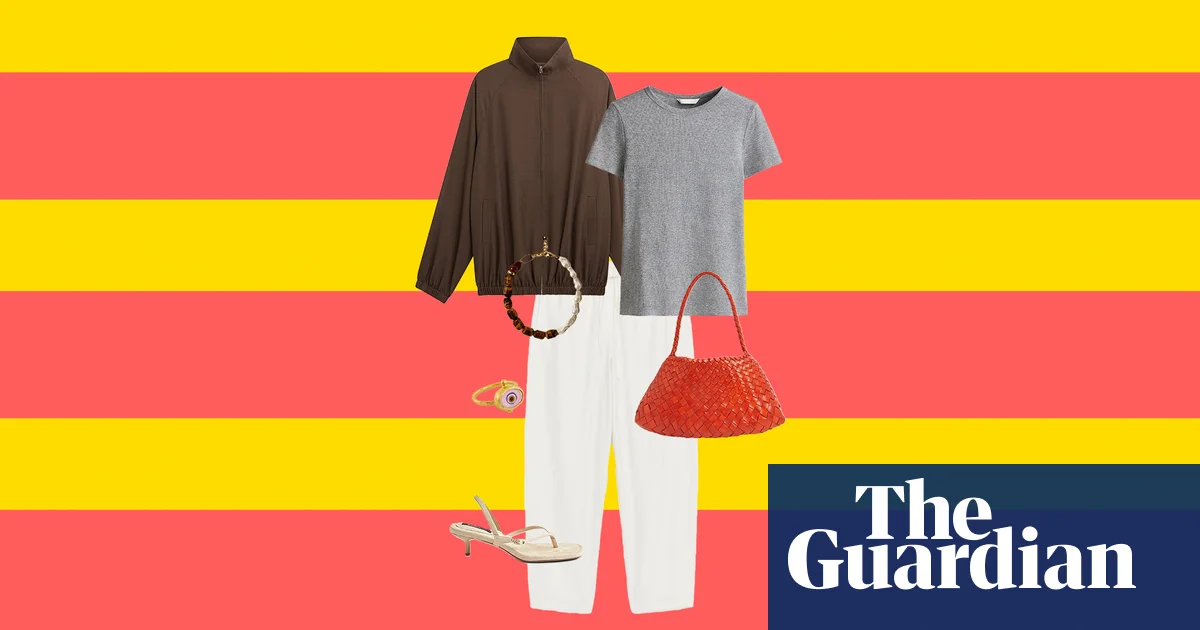
The Next Wave of Winter Style: Embracing White to Brighten the Season

As January drags on with its bleak skies and muddy puddles, a surprising tide is sweeping through the fashion world, led by _trends_ that challenge the winter gloom’s dominance. White has emerged as more than just a color—it’s a statement that transcends seasonal conventions. Influencers like Emma Roberts sporting crisp white ankle boots and fashion icons endorsing monochrome ensembles are signaling a shift in how we perceive winter styling. This isn’t just about aesthetics; it’s a societal move towards upliftment and light, even during the darkest months.

This trend’s social relevance lies in its counter-intuitive approach to winter fashion. Instead of succumbing to the heavy, dark layers traditionally associated with cold weather, youth and trendsetters are embracing a playful, _whimsical_ palette that brights their mood and social presence. _Adding a splash of white_, whether through boots, shirts, or accessories, functions as a visual “serotonin shot,” making even the gloomiest days seem a little brighter. Sociologists note that such color shifts act as subtle acts of defiance, empowering young people to reclaim their environment and express optimism in the face of persistent winter blues.

Fashion analysts are quick to point out that this is more than fleeting sartorial fun—it’s a cultural statement. The _white_ trend aligns with a broader movement towards _self-expression_ and _individuality_. Combining white with darker tones creates a _balanced_ aesthetic that stays playful yet grounded, a nod to youthful rebellion that is both stylish and socially engaging. Top brands like Whistles and John Lewis are capitalizing on this, offering sleek white jackets, accessories, and shoes that make layering accessible and versatile. Influencers and style guides emphasize that, just as a squeeze of lemon elevates a dish, a strategic pop of white can _perk up_ the most utilitarian winter wardrobe_.

As this trend gains momentum, it raises a profound question: is the white accent merely a fashion statement, or could it signal a deeper societal shift—a collective desire to _brighten_ and _redefine_ our cultural landscape? The _next big question_ is whether this playful embrace of white will foster resilient, optimistic attitudes that withstand future social and environmental challenges. In a world increasingly aware of the importance of mental well-being, perhaps the key to resilience lies not just in what we wear but in how we choose to perceive and shape our surroundings. As youth-driven style continues to evolve, one thing is clear: the snow may never come, but the potential for a _whiteout_ of positivity and hope is already on the horizon.

Valentine’s Day Boost: Sex Toy Sales Surge with Savings Up to 85%—Gear Up for a Romantic Revolution

As Valentine’s Day approaches, a major cultural shift is quietly transforming the way young people engage with intimacy and self-care. Traditionally centered on material gestures—flowers, chocolates, or romantic dinners—the holiday now increasingly emphasizes personal wellness and self-empowerment. Thanks to a surge in innovative and discreet pleasure tech products, a new attitude is emerging that prioritizes individual agency and normalized conversations around sexuality. Influencers, sociologists, and brands alike recognize this seismic change as a key marker of a broader societal trend: a move toward embracing sexuality as both a lifestyle choice and a social statement.

Major online retailers like Lovehoney, Good Vibes, and Hello Nancy are strategically capitalizing on this shift through aggressive sales and marketing campaigns that highlight a diverse range of intimacy-enhancing products. These brands are not just selling sex toys—they are redefining what it means to prioritize sexual wellness in everyday life. For instance, Lovehoney is currently offering up to 70% off sitewide, turning what used to be taboo into an accessible lifestyle upgrade. Meanwhile, influencers in the space promote these brands not only as gifting options but as tools for self-love and empowerment, signaling a social acceptance that was once unthinkable. This evolution in consumer behavior and cultural discussion underscores a societal move towards acknowledgment and celebration of sexuality as a natural and healthy aspect of life—especially among driven, young adults who are reshaping the norms and conversations surrounding intimacy.

The social relevance of this trend extends beyond mere consumerism. It marks a structural shift in how society perceives and discusses sexuality, with digital platforms serving as catalysts for normalization. From TikTok videos to Instagram stories, influencers are demystifying pleasure technology and encouraging open dialogue, challenging long-standing stigmas. Sociologists observe that this reflects a broader phenomenon of destigmatization, where society increasingly sees sex and self-care as integral to overall well-being rather than private taboos. This not only influences individual behavior but also impacts cultural attitudes, encouraging a generation that values authenticity, comfort, and agency in their intimate lives. The accessibility of these products—often offered with significant discounts or discreet shipping—further empowers young adults to integrate wellness into their routines without shame or stigma.

Yet, the question on many minds is: where does this trend lead us next? As these products become a staple in lifestyle conversations and wellness routines, the next big question looms: Will the normalization of sexual wellness extend into broader societal structures and policies? Could this shift catalyze reforms in healthcare, education, or even workplace policies around sexuality and mental health? The dramatic rise of pleasure-focused brands signals a cultural landscape that may soon prioritize holistic approaches to well-being—integrating body, mind, and social acceptance. Indeed, this ongoing transformation raises an essential inquiry for the future: are we heading toward a society where sexual wellness is as universally accepted and openly discussed as physical health, and what does that mean for the next generation? The answers to these questions will shape not just market trends, but the social fabric itself, as Generation Z and Millennials continue to challenge old norms and forge new pathways toward authenticity and empowerment.

Nintendo’s Switch Smashes Records as Highest-Selling Console Ever Among Young Gamers

The Nintendo Switch Sets New Milestones: A Cultural Game-Changer

In the ever-evolving landscape of gaming, Nintendo continues to demonstrate why it remains a cultural powerhouse among youth. The company recently announced that their beloved Nintendo Switch has surpassed 155 million units sold, making it the highest-selling hardware in Nintendo’s storied history. This milestone isn’t just a testament to technological innovation—it’s a reflection of a societal shift in how the younger generation engages with entertainment. Unlike traditional gaming consoles, the Switch’s hybrid design—combining portability with home console capabilities—has resonated deeply with today’s dynamic and on-the-go lifestyle, redefining what a gaming device can be.

What makes this success even more compelling is how it exemplifies a shift in social behavior and cultural relevance. The Nintendo Switch has become more than just a gaming platform; it’s a social hub for youth, a portal to shared experiences and online communities. With top influencers, TikTok challenges, and vibrant fan discussions, the console has embedded itself in the fabric of youth culture. According to gaming sociologists, this trend reflects a broader desire among young people for flexible, social, and accessible entertainment that fits into their fast-paced lives. It’s not just about gaming anymore—it’s about creating shared digital identities and cultural moments, a phenomenon that can shape social dynamics for years to come.

Besides its cultural impact, Nintendo’s innovation is also capturing market dynamics with surprising speed. Despite not holding the record for the overall best-selling gaming hardware (that’s the legendary PlayStation 2 at approximately 160 million units), the Switch’s current trajectory suggests it could eventually surpass that milestone, especially with the release of the highly anticipated Switch 2. In less than a year since its debut, the Switch 2 has already sold an impressive 17 million units, outstripping sales figures of past consoles like the Wii U, which struggled with market acceptance. This highlights a generation-driven demand for gaming that prioritizes versatility and innovation—factors that Nintendo has prioritized with aesthetic appeal and engaging gameplay experiences.

  • Top gaming influencers like Pokémon TikTok stars, and streamers on Twitch, have propelled the Switch to viral heights, making it a must-have for youth seeking social connectivity through gaming.
  • Multiple lifestyle brands are now leveraging Nintendo’s success, incorporating gaming aesthetics into fashion and tech accessories, further embedding the console into youth culture.
  • Sociological insights from analysts have noted that the Switch’s success underscores a societal shift: young consumers increasingly favor personalized, portable tech that enhances social bonding and community building.

As Nintendo’s movement demonstrates, this gaming evolution raises an intriguing question: in a hyper-connected, tech-driven society, will the next iteration of gaming hardware shift further into an even more social, lifestyle-integrated space? Could future consoles become less about hardware specs and more about connecting people through immersive experiences? Nintendo’s triumph with the Switch suggests that the hottest trend may not just be in processing power or graphics, but in fostering social engagement and cultural identity—especially among youth. As we look ahead, one thing is clear: the next big question isn’t just what gaming hardware will do next, but how it will shape the social fabric of the digital generation to come.

Jess Cartner-Morley’s February Style Must-Haves: Bold Jumpers, 24-Hour Earrings, and the Ultimate Flattering Tee

The landscape of youth lifestyle and fashion in 2026 is clear: an evolving desire to blend tradition with modernity. From the resurgence of classic wardrobe staples infused with contemporary twists to niche wellness practices breaking into mainstream consciousness, today’s trendsetters are hacking cultural norms and redefining social relevance. Influencers and sociologists alike are watching as this generation seeks authenticity not just in products but in societal expressions—highlighted by a preference for high-quality, yet accessible, brands that embody craftsmanship and ethical integrity.

Take, for example, the rising popularity of Spanish handbag label Mercules. Helmmed by a designer formerly with Loewe, these pieces are made from premium Spanish leather, balancing minimalist design with sensible pricing. Their Foxy bag, particularly in their terracotta ‘tile’ shade, has become an emblem of understated luxury—favoring quality over ostentation. Meanwhile, in fashion, shirt collars have become a canvas for individual expression. The Boden Sienna shirt with a jewel collar exemplifies this shift, offering a blend of whimsy and elegance that layers effortlessly into everyday style. It signals a move toward accessories and details that elevate simple garments, convincing a younger audience that everyday wear can be both functional and statement-making.

In the wellness sphere, functional mushrooms like lion’s mane are transforming from fringe health hacks into mainstream staples. Companies like Superoom have crafted clinically tested tinctures, organically grown in Finland, which promise benefits from increased focus to enhanced sleep—fitting into a societal narrative that prioritizes mental clarity and holistic well-being. This mushroom market, often accused of being a chaotic wild west, is now being curated by reputable brands, signaling a desire among youth to integrate health regimes that are not only effective but also display-worthy, on display in aesthetically designed bottles that double as decor. The viral buzz around these remedies underscores a social relevance: youth are actively curating their wellness routines to align with principles of authenticity, efficacy, and style.

Meanwhile, style in 2026 is about challenging conventions. The Me+Em raglan tee, with its elbow-length sleeves that mimic sportswear’s practicality, offers a contrast to the ultra-fitted fast fashion it replaces. Its design, informed by real women, embodies a new wave of considered fashion—less about catching fleeting trends and more about investing in pieces that speak to comfort and intentionality. This aesthetic extends beyond clothing to accessories, with viral earrings like the Orelia mini chain huggie hoops symbolizing a shift toward versatile, long-wear jewelry that accentuates yet complements individuality.

As the youth of 2026 navigate a culture that values craftsmanship, authenticity, and societal impact, the big question remains: what’s next in this cultural evolution? Will brands that succeed be those that not only tap into trends but actively shape the narrative around sustainability, individuality, and mental health? Or are we on the brink of a deeper societal shift where the line between consumer and creator blurs, leaving society to ask whether the next big thing will be a product, a movement, or perhaps a new way of defining community itself? As lifestyle trends continue to accelerate and intertwine, the real challenge for this generation is not just in what they choose to wear or consume, but in how they redefine the cultural landscape in the years to come.

Denise Welch’s Bold Comeback: Embracing Change, Beating Depression, and Reclaiming Youthful Vibes

Denise Welch’s Revival: The Power of Reinvention in Today’s Culture

Once primarily recognized as a beloved soap star and outspoken personality, Denise Welch is experiencing a remarkable renaissance—both professionally and socially. Her return to acting, notably in Waterloo Road, along with her appearances in new series on Channel 4 like Tip Toe and Stepping Up, exemplifies a broader trend among veteran entertainers redefining their identities. Welch’s evolution from a tabloid fixture to a multifaceted cultural icon underscores a pivotal societal shift: the growing acceptance of age and vulnerability as elements of genuine authenticity. Her candid revelations about battling depression, addiction, and her role as a mother resonate powerfully with a generation craving transparency and realness.

In an era dominated by influencers and social media, Welch embodies a cultural impact that extends beyond traditional celebrity. She’s embraced a lifestyle of honest self-reflection, openly sharing her struggles with postnatal depression, ADHD, and sobriety, challenging the stereotypical norms of perfection often perpetuated by celebrity culture. According to sociologists tracking online movements, her narrative is integral to a society more willing to champion mental health awareness and resilience. Her participation in platforms celebrated by youth—like her fashion shoots for i-D magazine and the edgy personality she portrays in interviews—symbolizes a shift: the social relevance of being ‘vulnerable but victorious’ captures the zeitgeist.

From Tabloid to Trendsetting

  • Fashion as Expression: Welch’s fashion evolution—from vintage Chanel to stylish, vintage-inspired outfits—becomes a statement of confidence and individuality. Her playful embrace of high fashion, despite admitting she knows “nothing about it,” showcases a deliberate departure from the conformist standards that once overshadowed her. Influencers, like Matty Healy, have commented on her style, and Welch herself revels in the freedom that fashion offers to reinvent oneself at any age.
  • Social Relevance of Mental Health: Her openness about living with depression and ADHD, along with her previous substance abuse struggles, exemplifies a society gradually de-stigmatizing mental illness. Welch’s stories underscore the importance of candid conversations, especially among young audiences, who look up to figures risking vulnerability to promote authenticity.
  • Digital Age Resistance: Welch’s involvement in hun culture—described by her as ‘unfiltered and loved by the gays’—reflects a social phenomenon rooted in embracing bold personalities outside political correctness. Her humorous, unapologetic take on her identity demonstrates how digital communities celebrate personality over political conformity, fueling social discourse about the importance of self-acceptance.

Influencers and critics alike have recognized her as a symbol of a new era in celebrity—one rooted in honesty, resilience, and reinvention. Her narrative teeters between the harsh realities of mental health struggles and the joy of embracing one’s true self without shame. The question then emerges: as society champions these raw, authentic stories, could this be the next big trend in cultural influence? Is the shifting perception of celebrity into a more relatable, vulnerable figure a sign that society is truly moving toward a more inclusive understanding of strength?

The Future of Cultural Reinvention

Welch’s story prompts a larger conversation about the future trajectory of pop culture: will we see a move away from the traditional archetype of the untouchable celebrity to a model rooted in *relatability* and *truthfulness*? Her journey suggests that society is increasingly valuing human complexity over perfection. As Welch herself asks, “You can still have a wonderful life with mental illness,” this embodies a shift that could redefine public perception of wellbeing and success. The next big question becomes: how will this cultural shift influence the way new generations perceive resilience and authenticity? Will future icons be those who openly acknowledge their struggles, or will this remain a niche phenomenon?

Decoding Andy Burnham’s Low-Key Style Game: The Outsider’s Fashion Edge for Today’s Youth

In the evolving landscape of politics, fashion has become an unexpected but powerful tool for shaping identity and making a social statement. Andy Burnham, the charismatic mayor of Greater Manchester and self-styled “king of the north,” has recently embraced a more casual, understated wardrobe during public appearances—trading suits for black joggers, bombers, and simple workwear-inspired pieces. His appearance at the launch of the Class Ceiling report at Whitworth gallery exemplifies a broader cultural shift: politicians are no longer just speaking through speech or policy; they’re communicating through their everyday style. Burnham’s wardrobe signals a departure from the polished, often detached London political class, and instead aligns with the working-class roots and regional pride that fuel his electoral base.

This deliberate shift toward casual, workwear-inspired fashion is more than mere aesthetics. For sociologists and fashion analysts like Andrew Groves, director of the Westminster Menswear Archive, Burnham’s all-black, nonconformist look is “as calculated as any Westminster suit, just aimed at a different audience.” It’s a visual rejection of the “parliamentary polish” that many associate with distant, elitist politics. Instead, it projects an image of practicality, authenticity, and regional solidarity—elements increasingly vital to engaging young voters who crave transparency and relatability in their leaders. As Jonathan Tonge, a politics professor at the University of Liverpool, asserts, Burnham’s fashion aligns with his moderate, left-of-center politics: a statement that “I’m different from Westminster.”

What’s truly fascinating is how Burnham’s personal style also represents a broader societal narrative: the emergence of regional identities in national discourse. His “Manchester way” aesthetic—described as “the Smiths meets Britpop”—evokes local cultural icons and musical heroes, reinforcing regional pride and resisting the homogenizing influence of mainstream London politics. Meanwhile, his style stands in contrast yet subtle proximity to Keir Starmer, whose slightly more mainstream Britpop-inspired look—Stone Island, Harringtons, open-neck shirts—signals a different political momentum. While Starmer maintains hints of non-conformity, Burnham’s more radical authenticity taps into the social momentum fueled by **youth culture** and regional resilience, making style an essential language of political legitimacy.

  • Growing regional pride and identity movements
  • Increased importance of relatable, non-elite visuals in politics
  • The unspoken cultural dialogue between London and the North
  • Fashion as a gateway to authenticity and grassroots trust

As the fashion of Andy Burnham continues to evolve, it raises a compelling question about the role of cultural symbolism in shaping political futures. Will politicians follow suit, turning their style into a strategic form of communication that bridges the gap between their policies and the everyday lives of voters? Or is this merely a fleeting trend, a superficial gesture that masks deeper societal divides? The next big question—possibly the most urgent of all—might be whether this deliberate dressing-down truly signifies a shift towards a more authentic, regional-driven politics or whether it’s just a temporary fashion statement in a landscape still dominated by traditional, top-down hierarchies. As Burnham’s casual yet meaningful style gains traction, the future of political culture may well rest on whether other leaders choose to embrace their regional roots and personal identity—because, in the end, style might yet become the most radical act of all.

Sali Hughes Declares the End of Glossy ‘Glass Skin’—Glam Beauty Is Making a Massive Comeback

The Next Big Shift in Beauty: Embracing Playfulness and Self-Expression

In a cultural landscape where monochrome minimalism and beige comforts have long dominated fashion and beauty trends, a fresh wave of dopamine-driven creativity is reshaping what it means to express oneself. The recent appointment of Chappell Roan as MAC’s new global ambassador marks an industry pivot toward experimentality, boldness, and a refusal to conform. Her glittery, grunge-inspired aesthetic symbolizes a broader societal shift where fun and spontaneity in self-presentation are increasingly valued over perfection and subtlety.

This movement is driven, in part, by social media influencers like Emily Wood, whose daring, playful makeup routines—think electric turquoise eyeshadows and spilled glitter—capture a collective desire for lighthearted self-expression. Unlike traditional beauty standards, which often emphasized polish and restraint, the emerging trend champions *sloppy*, carefree application techniques that emphasize joy, creativity, and individuality. Influencers and sociologists alike note this cultural shift as a response to years of post-pandemic austerity and social restrictions, with beauty becoming a playground instead of a battleground.

The Cultural and Social Relevance of Playful Beauty

High-profile brands are jumping aboard this movement, with collections like MAC’s Connect and In Color palettes offering a spectrum of textures—from mattes to chunky glitters—designed for carefree, unconventional application. As trend analysts suggest, the appeal lies in the **simplicity and immediacy** of these products, making playful looks accessible to all regardless of skill level. This democratization of beauty is more than superficial—it’s a statement about *reclaiming joy* and defying the rigid standards that have long defined what “beautiful” means.

Violette FR, a buzzy _cool-girl_ brand, epitomizes this ethos with its Lune Liners. The holographic finish means even the most wobbly strokes look intentional, turning makeup into a form of *visual entertainment*. Meanwhile, sociologists like Dr. Alexis Taylor highlight how this aesthetic reinvigoration acts as a form of social resistance—an assertion that *self-expression doesn’t require permission* and that beauty can be anything from a riot of colors to messy smudges, all with their own cultural significance.

Beyond the Surface: What Does This Mean for the Youth?

  • Rejection of Perfection: Young people are increasingly abandoning the pursuit of flawlessness in favor of raw, playful looks that celebrate imperfections.
  • Self-Identification and Community: Social media has created spaces where self-expression in beauty fosters community and shared identity, breaking down traditional norms.
  • Shift in Industry Standards: Brands that embrace this trend signal a move toward inclusivity, accessibility, and a focus on *fun* as a vital component of beauty.

This playful revolution signals a broader cultural question: Are we finally moving toward a society where the *authentic* and *joyful* take precedence over the *perfect* and *polished*? As influencers like Emily Wood demonstrate, makeup becomes less about transforming oneself into an ideal and more about *enjoying the act of creation*. The next question we should be asking is whether this trend will influence other facets of youth culture—like fashion, art, and even digital identities—to prioritize *personal joy and vibrancy* over traditional standards of beauty and success.

Brand Beckham drops the ultimate clapback costume — and the fashion game just got more fierce

In an era where celebrity branding is less about talent and more about strategic image manipulation, the recent spectacle surrounding the Beckham family exemplifies this evolution. Over the past week, the media has been captivated by a series of social media revelations from Brooklyn Beckham that expose unseen cracks within one of the world’s most meticulously crafted dynasties. Meanwhile, David Beckham’s appearance at Paris Fashion Week, wielding a rare Hermès bag and a sashiko-dyed jacket, signals yet another chapter in the art of using fashion as a subtler form of communication. These shifts in behavior underscore how modern celebrities, especially those embedded in traditional institutions like the royals or famed families, are increasingly using clothing and public appearances as signals—either for unity or to send a hint of discord.

Fashion’s role as a social language is nothing new—think of Princess Diana’s iconic looks or Wallis Simpson’s modern take on regal style—yet today’s spectacle is amplified by social media’s immediacy. Influencers, sociologists, and brand strategists argue that what these figures wear isn’t just about aesthetics; it’s about shaping public perception. David Beckham’s choice of sashiko—an *ancient Japanese technique of visible mending*—may seem trivial, yet experts like brand consultant Andy Milligan suggest it could be a deliberate semiotic message. Are Beckham’s wardrobe choices a covert nod of resilience, a statement of humility, or simply a comfortable choice? The current climate makes it increasingly difficult to discern whether these “fashion statements” are organic expressions or carefully curated signals crafted by a team of image architects working behind the scenes.

At the same time, the family melodrama—highlighted poignantly by Brooklyn Beckham’s emotional social media exposé—reflects a broader shift in societal attitudes. In this digital age, transparency is currency, and celebrities are no longer passive figures; they are active participants in shaping their narratives, often blurring the line between authenticity and performance. Though Brooklyn’s claims paint a stark picture of family conflict, critics warn that such revelations serve a dual purpose: they keep the Beckham brand in perpetual conversation, attuned to the shifting values of a social media-driven generation. This combination of high fashion, family feud, and social media theatrics sets the stage for a powerfully modern brand of public spectacle—one where image is everything and vulnerability is often strategic.

Looking ahead, one has to ask: as families and celebrities fine-tune their appearance for both the camera and the subconscious, what does this say about the *future* of influence? Will fashion and personal narrative become so intertwined that the authentic self is forever mediated through carefully edited symbols? Or is this an inevitable sign of a society where every gesture, every garment, is a piece of the puzzle in a sprawling game of perception management? With the lines between reality and spectacle increasingly blurred, it seems the next big question for youth and society alike is: *are we witnessing the dawn of a new era where true authenticity is the ultimate act of rebellion?*

Samsung Galaxy S26 to Drop ‘Pixel-Perfect’ Privacy Feature, Samsung Confirms

In the fast-paced world of smartphone innovation, Samsung continues to push the boundaries, this time with a fresh focus on privacy and security. The Korean tech giant recently announced that it is developing a revolutionary privacy feature for its upcoming Galaxy lineup, promising to operate “at a pixel level”. While details remain shrouded in mystery, industry insiders speculate that this new function will be unveiled at the upcoming Galaxy Unpacked event scheduled for late February. The tech world is abuzz with anticipation, knowing that Samsung’s latest move may significantly redefine the relationship between consumers and their devices.

The privacy enhancements slated for the Galaxy S26 series could represent a landmark moment in how smartphone companies address security concerns. Experts suggest that the new features will allow users to control their data with unprecedented precision—down to the pixel level. In an era where digital privacy is becoming an ongoing social debate, Samsung’s approach might set a new standard for transparency and user empowerment. Influencers and security analysts have noted that this shift underscores a pivotal trend: technology companies are no longer just competing on hardware specs or aesthetic appeal but are increasingly judged by their commitment to protecting user rights in an age of pervasive data collection.

Furthermore, this developments highlight a broader societal shift toward a more privacy-conscious culture. Millennials and Generation Z are becoming savvier about their digital footprints, demanding more control over how their data is used. As social influencers and thought leaders like Cameron Winklevoss and Shoshana Zuboff emphasize, the next wave of technological innovation must adopt a trust-first approach—a response to growing public skepticism and recent high-profile breaches. Samsung’s move appears to resonate with a societal desire for more transparent security measures, positioning the company not merely as a device manufacturer but as a protector of digital sovereignty.

  • Device-Level Security: Next-gen privacy features are expected to operate “at a pixel level,” giving users granular control over individual data points.
  • User Empowerment: The trend indicates a sweeping shift toward user-centric controls, echoing calls from privacy advocates for more transparent data practices.
  • Social Impact: As digital privacy becomes a social value, brands that prioritize user rights are poised to gain consumer trust and loyalty.

As we await the official reveal at Galaxy Unpacked, one question looms large: Will Samsung’s privacy leap catalyze a new standard across the industry? Or will other tech giants, lured by the promise of convenience, continue to sideline robust security for the sake of user experience? The next chapter in this digital privacy saga might define how society balances technological progress with civil liberties. It’s not just about the next phone model but whether our devices will truly become allies in the fight for personal privacy. The answer to this question could shape our digital lives for years to come—and the future of privacy remains an open frontier.

Social Media Auto Publish Powered By : XYZScripts.com