UK Bird Flu Outbreak Weighs Heavily on Christmas Supply Chain, Signaling Broader Geopolitical and Economic Shifts
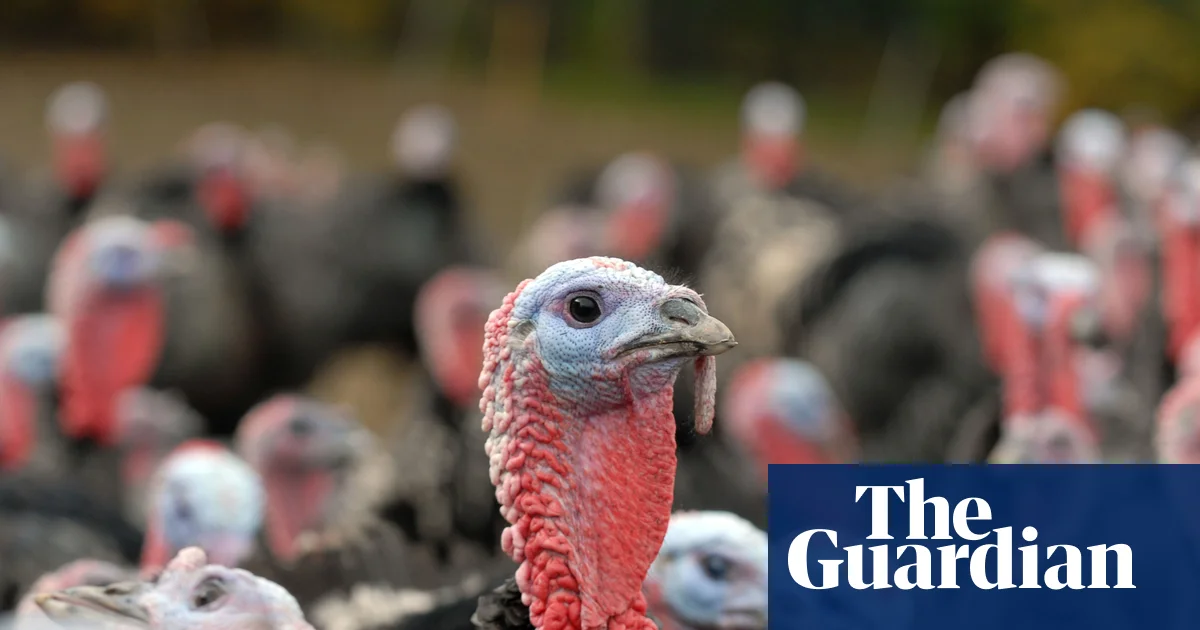
The ongoing avian influenza outbreak sweeping through the UK poultry industry exemplifies a crisis that extends far beyond farmyards and supermarkets. With cases surpassing last year’s toll, the impact on the Christmas supply chain is mounting, revealing vulnerabilities that could have wider geopolitical implications. The reality that approximately 300,000 birds—particularly organic and free-range—have already been culled underscores the severity of this health emergency. Though major retailers exhibit resilience, willing to absorb short-term losses on advance orders, the disruption signals a fragile global food network exposed to the unpredictability of zoonotic diseases.
This health crisis is more than a local story — it’s a stark warning of how risks from emerging infectious diseases could reshape international trade relations and national security strategies. With outbreaks confirmed in large-scale commercial poultry units across England and neighboring nations under stringent biosecurity mandates, authorities are racing against time to contain the virus. The Animal and Plant Health Agency reports nearly 50 cases since October, emphasizing that *crisis management remains a delicate balance.* Historians and analysts warn that if such outbreaks persist or amplify, they could precipitate a cascade of economic repercussions, jeopardizing global food security and intensifying political tensions over resource sovereignty and pandemic response coordination.
International Responses and the Broader Geopolitical Impact
While the UK strives to manage its farm crisis, the broader international landscape is not immune to the repercussions of emerging zoonoses. Countries with significant poultry industries—such as the US, China, and India—are closely monitoring developments, aware that the spread of avian flu can undermine global supply chains and trigger protective trade measures. The World Organisation for Animal Health (OIE) cautions that such outbreaks may catalyze stricter import restrictions, impacting international relations and trade agreements rooted in agricultural commodities. This scenario underscores the need for a cohesive multinational response, yet it also exposes vulnerabilities in existing treaties that often prioritize economic gains over health security.
Experts contend that shifting geopolitical alliances could influence future biosecurity protocols, especially as nations seek to safeguard their food sovereignty amid mounting ecological and health challenges. The UK’s experience serves as a trial run for how local health crises can ripple outward, forcing countries to reevaluate their strategic alliances and resource allocations—factors that will significantly influence future global governance. As a result, international organizations are called to step up their coordination efforts, fostering resilience in an interconnected world increasingly threatened by zoonotic spillovers and climate change.
Conclusion: The Unfolding Chapter of Global Crisis
As the UK battles its most severe bird flu outbreak in years, the world watches with bated breath. The decisions taken today—ranging from immediate containment measures to long-term policy shifts—will carve the path for future generations. Public health and economic stability hinge on swift, decisive actions, but history warns that such crises often reveal deeper geopolitical fault lines, exposing vulnerabilities in our interconnected fabric of society. With every cull and containment order, the narrative of global resilience continues to unfold, leaving nations to ponder whether they are prepared for the next shadow looming on the horizon—a threat that, if unchecked, could transform the course of history in ways yet unforeseen.