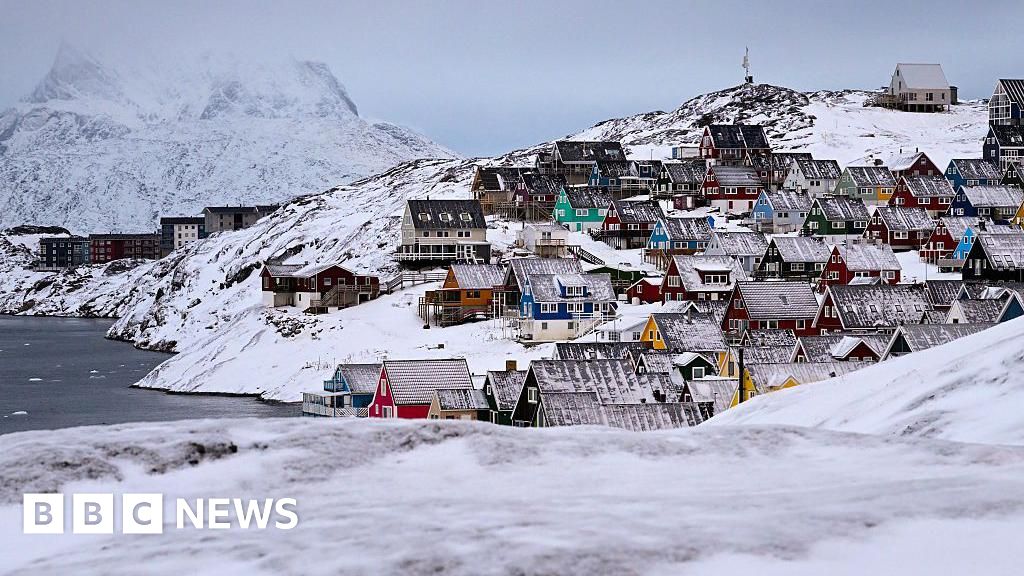
The geopolitical landscape of the Arctic is once again at the forefront of international affairs, as nations jockey for strategic dominance amid shifting global priorities. Canada has publicly affirmed its move to demonstrate solidarity with Greenland, amid rumors suggesting the United States may have plans to establish a presence on an Arctic island. This diplomatic stance occurs despite reports indicating that the initiative was in motion prior to former President Donald Trump’s recent suggestion to purchase Greenland—a proposal that stunned global analysts and diplomatic observers. The timing of these developments underscores the multifaceted nature of Arctic geopolitics, where historic territorial claims, resource competition, and environmental concerns intertwine.
Analysts from institutions such as the International Crisis Group and various geopolitical think tanks emphasize that the Arctic has become a strategic arena—not just for resource extraction, but for projecting military power and influence across the northern hemisphere. The United States’ interest in Greenland, long discussed but seldom publicly activated, now appears to be gaining momentum as climate change accelerates ice melt, opening new shipping routes and access to untapped reserves of oil, gas, and minerals. Critics argue that the push for territorial claims in the Arctic echoes Cold War dynamics, with major powers seeking to secure their own interests before others can tighten their grips on the diminishing polar frontier.
Canada’s move to express solidarity with Greenland—a territory long associated with Denmark—comes amid broader concerns of potential encroachments and destabilization. Prime Minister Justin Trudeau has emphasized that this gesture aims to reinforce the importance of multilateral cooperation in the face of emerging threats and unilateral ambitions. Meanwhile, the North Atlantic Treaty Organization (NATO) has remarked that the Arctic’s strategic importance will only grow, urging member states to remain vigilant. For many analysts, including historians specializing in Cold War history, the current maneuvers could very well mark the beginning of a new chapter—a modern-day contest over Arctic dominance that could have sweeping geopolitical impacts.
Yet, the situation remains fluid and unpredictable. Russia continues to assert its own claims under the 2015 Arctic Council agreement, leveraging its military and scientific presence across the region. Meanwhile, China, increasingly vocal about its “near-Arctic” ambitions, is pushing for a role in future resource development and shipping routes. International organizations warn of the risks of escalation, but few agree on a clear path forward. As nations prepare for what many describe as an impending new Cold War in the high latitudes, history warns that these seemingly isolated disputes could spiral into a confrontation with global repercussions.
Ultimately, the decisions taken today in the Arctic are not merely about regional dominance—they reflect a broader contest for global influence in the 21st century. As iconic historian Paul Kennedy and geopolitical analysts observe, the unfolding elements of this silent, frigid struggle may determine the future balance of power. For those who sense the gravity of these shifts, it is clear that the stakes could not be higher—the Arctic, once a remote wilderness, now stands as a gateway to the tumultuous, uncharted corridors of international conflict. The weight of history presses heavily on this icy frontier, which could—in the span of a few decisive years—become the theater of a new, unanticipated global confrontation.