Matox News

Truth Over Trends, always!

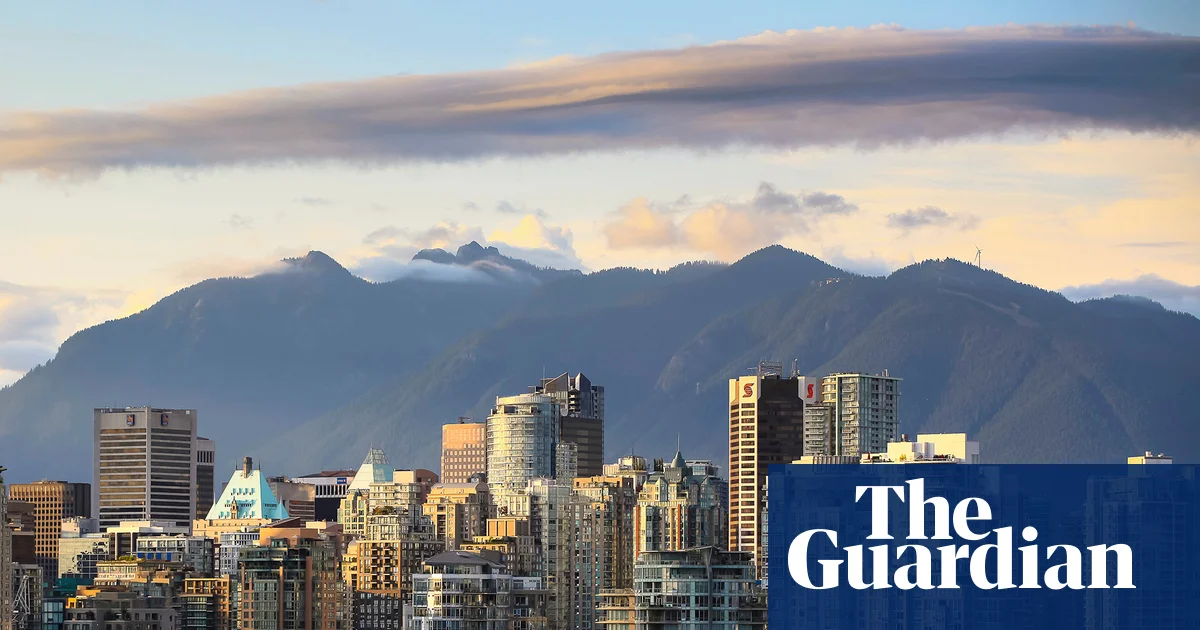
Is Canada losing its appeal for Indian students? The dream destination may be shifting.

Indian Students Reassess Canada as Educational Opportunities Face New Challenges

In recent months, Indian students aspiring to study in Canada are confronting a complex array of social and economic barriers that threaten to reshape the landscape of international education. Tighter immigration regulations, surging financial costs, and increased visa uncertainties are prompting a significant reconsideration of plans to pursue higher education abroad. These developments are not only impacting the individual trajectories of students but are also reverberating through families, communities, and educational institutions, raising questions about the future of international student mobility and its broader societal implications.

The Canadian government’s recent policy shifts have introduced stricter visa requirements aimed at ensuring national security and economic stability. This tightening of border controls is part of a broader trend seen across many Western nations, often justified as measures to regulate migration and foster national interests. However, for Indian families relying on educational opportunities as a pathway to social mobility, these restrictions create tangible fears. Many parents see education in Canada as a key to economic advancement and global integration, and the increased hurdles compromise their children’s ambitions. Sociologists emphasize that such policy changes underscore a shifting narrative in international education—less a mutual exchange and more a contest for national control, which fuels social tensions and alienation.

The financial landscape further complicates this scenario. As tuition fees continue to climb, students and their families are grappling with unprecedented costs that threaten equitable access. The economic strain disproportionately impacts working-class and middle-income families, which historically have relied on international education as a stepping stone toward stable employment and societal integration. This escalating expense, combined with fragile visa prospects, risks creating a social divide in access to higher education, fostering resentment and societal fragmentation. Social commentators warn that such stratification could weaken the very fabric of multicultural Canadian society, which has long thrived on the diversity and inclusion brought by international students.

Moreover, these logistical and economic hurdles have direct repercussions on educational institutions and local communities. Universities face diminished enrollments, affecting their revenue streams and potentially leading to decreased funding for community programs. Local economic ecosystems that depend on student spending—such as housing, retail, and service sectors—are experiencing downturns, which deepen the socio-economic divides. Historians and social critics argue that these shifts threaten to erode the multicultural harmony once celebrated as a cornerstone of Canadian identity. As Dr. Susan McGregor, a social historian, notes, “When the pathways that tie diverse communities together become obstructed, society risks fracturing along demographic fault lines.”

Amidst these challenges, voices of resilience and adaptation emerge, advocating for policies that balance national sovereignty with openness to talent and diversity. Scholars suggest fostering a more inclusive and flexible immigration framework that recognizes the vital role of international students in societal progress. They emphasize that restoring trust and access in the educational pipeline is not only a matter of economic strategy but also a moral imperative—ensuring families can dream of futures built on opportunity, not fear. As society stands at this crossroads, the hope persists that through thoughtful reform and community engagement, the societal tapestry can be reinforced rather than torn apart.
In the silent promise of tomorrow, families, educators, and policymakers alike must ponder the true essence of society: a collective commitment to bridging divides, nurturing potential, and shaping a future where the shared pursuit of knowledge brings us closer—despite the obstacles that threaten to keep us apart.

Air Canada halts select flights to New York, signaling possible travel hurdles for Canadians

In a clear reflection of the geopolitical volatility engulfing the Middle East and its ripple effects worldwide, airlines across the globe are facing unprecedented challenges. Air Canada recently announced a temporary suspension of flights from Toronto and Montreal to New York’s JFK airport, citing the spiraling costs of aviation fuel. This move, while seemingly operational, signals a deeper crisis directly tied to the ongoing conflicts involving the US, Israel, and Iran. The escalation of hostilities since February, particularly the latest military confrontations, has driven oil prices skyward, disrupting established supply chains and forcing airlines to reassess their routes and profitability.

Experts and international organizations warn that the impact extends beyond mere airline scheduling. The International Energy Agency (IEA) recently issued a stark warning that Europe’s jet fuel reserves could last only six weeks unless regional stability improves. Fatih Birol, the IEA’s executive director, emphasized that ongoing Middle East unrest has created a reservoir of uncertainty, threatening to spark widespread flight cancellations should oil supplies remain disrupted. This scenario not only jeopardizes international travel but also portends a broader economic ripple across sectors reliant on global logistics and mobility. The escalating crisis is striking at the very heart of international commerce, with governments and markets on high alert for further escalation.

Meanwhile, American carriers like Spirit Airlines are seeking emergency financial aid to cope with surging fuel costs, reflecting the severity of the crisis within the aviation industry. Industry analysts point out that the doubling of jet fuel prices, since the flare-up of hostilities, has rendered many routes unprofitable, prompting service reductions and route suspensions. Air Canada’s schedule adjustments are just the tip of the iceberg—other carriers such as Qantas and Virgin Australia are also raising ticket prices while curtailing flight frequencies, reflecting a global flight industry in crisis mode. These decisions are not made lightly; they are emblematic of a broader economic reality where energy prices directly influence societal mobility and national economic stability. Economists and geopolitical analysts warn that prolonged instability in the Middle East could escalate these issues, dragging the global economy into a period of unprecedented turmoil as the very air travel network, a pillar of globalization, convulses under pressure.

As the world watches this unfolding crisis, the question remains: how long will nations linger on the brink of economic chaos before an international response is galvanized? The decisions made in the coming weeks will either stabilize or deepen an already fractured global order. History may well record this moment as a turning point—where geopolitical conflicts ignited a domino effect threatening the core of international commerce, testing the resilience of societies and economies worldwide. The future of international travel, energy security, and geopolitical stability hangs precariously in the balance, leaving humankind at the mercy of the shifting tides of power and conflict—an enduring reminder that in today’s interconnected world, the stakes could not be higher.

Canada Cuts Migration, Housing Costs Drop—What Australia Can Learn

Canada’s Migration Strategy and Its Consequences on Society and Housing

Canada, often hailed as a beacon of cultural diversity and a proud admirer of open immigration, has recently embarked on a radical shift in its social policy. In late 2024, the government dramatically reduced migration levels, aiming to curb housing costs and relieve strained public services. Historically, immigration has been the backbone of Canada’s demographic and economic vitality, contributing significantly to its population growth—approximately 400,000 new residents annually before the pandemic. However, the newly implemented caps not only targeted permanent residents but also sharply limited temporary migration, notably international students, which have traditionally been a vital element of the nation’s educational and economic fabric.

This sudden policy change has already revealed profound social ripple effects. Universities have faced a sharp decline in foreign student enrollments, threatening the financial stability of numerous programs and the broader research ecosystem. Meanwhile, in communities across the country, the immediate effect has been a drop in housing demand, leading to falling rents over the past 17 months and a cooling of apartment prices, some by as much as 35% in major cities. For families and young professionals, this moment offers a glimmer of respite—if only temporary—from the relentless affordability crisis. Yet, the question remains: are these market corrections enough to address the core issues that have long plagued Canadian society?

The Price of Short-Term Fixes

Experts like Steve Pomeroy, a renowned housing analyst, argue that the rapid decline in migration has brought some modest relief to market pressures. Still, he emphasizes that these changes are superficial when viewed through the lens of long-term societal stability. The fundamental issue lies in the chronic mismatch between housing supply and demographic demands. Canada’s population boom in the two decades before the pandemic demanded an annual addition of 160,000 new homes; however, post-2021, the country struggled to build even a third of that—only around 490,000 homes needed annually, but the reality was far less. Construction sectors, inherently slow to respond, could not keep pace with this sudden demographic shock. Consequently, Canada’s housing affordability, a persistent crisis, remained largely unresolved—a problem rooted in structural planning failures rather than immigration numbers alone.

Nevertheless, the **sudden reduction of migration has temporarily alleviated some market pressure**, bringing rents down and slightly moderating house prices. Yet, researchers like Carolyn Whitzman caution against mistaking short-term fixes for solutions. The high asking prices in cities like Toronto and Vancouver—over $700,000 for a single-bedroom apartment—remain woefully out of reach for the average worker earning minimum wage. This stark reality underscores that high migration rates were not the sole or even primary cause of affordability issues, which have roots in unsustainable land-use policies and speculative markets. Reducing migration without addressing these foundational issues risks creating new social gaps, particularly in education and community cohesion.

Societal Aging and the Demographic Dilemma

Both sociologists and economists echo the concern that both Canadian and Australian societies are aging, creating an urgent need for younger, working-age populations. Countries like Canada rely heavily on migrants—mainly younger individuals—to fill critical roles in healthcare, service industries, and agriculture. According to Nathan Janzen, assistant chief economist at the Royal Bank of Canada, the drastic fluctuations in migration levels have been unprecedented. As immigration slows, the ageing population faces a widening funding gap, threatening to overload the health care system and strain social services. Where once migrants encouraged a youthful demographic, now the decline threatens to reverse these gains, exposing the vulnerabilities of an economy reliant on population growth for sustained productivity.

Janzen highlights a sobering truth: what truly influences economic vitality is not just the size of the population but the displacement of its age structure. By limiting migration, Canada risks amplifying its ageing society’s challenges, with a shrinking workforce and diminishing government revenues—both crucial elements for societal resilience. This dynamic calls for forward-looking policies that harmonize population management, housing development, and public services, rather than superficial measures grounded solely on reducing numbers.

The Hope in Transformation

Despite the turbulence, there exists a hope for societal renewal. As Whitzman observes, “Immigration isn’t the problem; it’s poor planning that neglects the needs of a changing society”. With deliberate, inclusive strategies, Canada could transform its demographic challenges into opportunities—building resilient communities, investing in affordable housing, and fostering industries that value both population growth and sustainable development. Perhaps society’s greatest strength lies in its capacity to adapt, to learn from missteps, and to forge pathways that prioritize families, education, and community cohesion. If the nation can confront its social tensions with clarity and resolve, it might yet find a way to flourish amid change—reminding us all that even in the face of upheaval, hope remains a guiding light for a society striving to redefine itself for generations to come.

Air Canada CEO Sorry for French Skills, Not Victims of Crash

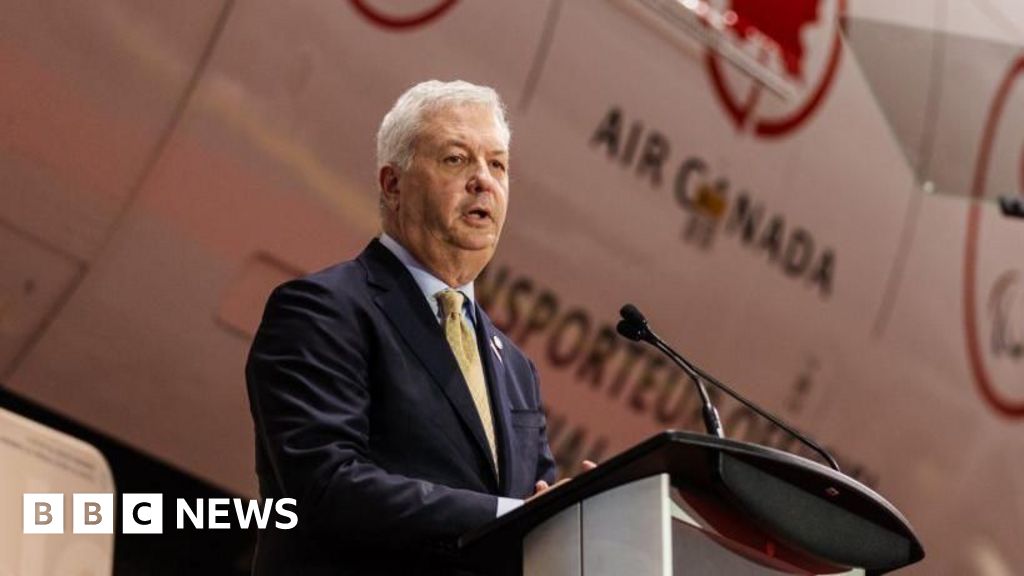
The recent controversy surrounding Michael Rousseau, the CEO of Air Canada, demonstrates how cultural and linguistic expectations can influence corporate governance and international relations. After a tragic crash at LaGuardia Airport that resulted in the loss of two pilots, Rousseau issued a message that, notably, did not include references to the French language—a decision that ignited widespread calls for his resignation. For many, especially within the context of Canada‘s dual linguistic identity, this omission has transcended corporate misstep to become a symbol of perceived neglect of national values and identity.

The incident underscores how linguistic and cultural norms are intertwined with the political fabric, especially in nations like Canada where bilingualism remains a core element of national policy. Critics argue that Rousseau’s oversight reflects a deeper disregard for the country’s foundational principle of *official multilingualism*, fueling debates about cultural integrity and national loyalty. Countries with similar dual-language identities, such as Belgium and Switzerland, have long navigated the delicate balance of linguistic respect in the face of political and economic pressures. International analysts warn that neglecting these cultural symbols can chip away at social cohesion, particularly during times of crisis or tragedy.

Furthermore, this incident exemplifies the *broader tensions between corporate accountability and national identity.* Unlike corporate disasters of the past, where technical failures or safety lapses dominated the headlines, this episode highlights how perceptions of cultural insensitivity can escalate public outrage. Experts from organizations like the International Civil Aviation Organization (ICAO) have emphasized that in a globalized world, multinational corporations operating within diverse nations must adhere to local cultural expectations to sustain legitimacy. The calls for Rousseau’s resignation are seen as a broader reflection of society’s demand for leaders who honor the societal fabric they serve, especially in the context of national tragedy.

The geopolitical impact of this controversy extends beyond mere public relations. As Canada navigates its place within the international community—and faces diplomatic scrutiny for safety standards and corporate governance—such incidents threaten to undermine its reputation. Historians suggest that how nations handle internal crises often signals their resilience and commitment to national values on the world stage. If the leadership of major corporations like Air Canada are perceived as disconnected or dismissive of cultural expectations, international partners and investors may question Canada’s adherence to its own principles.

In the shadow of this unresolved controversy, the weight of history remains unspoken yet immense. Leaders, institutions, and societies must grapple with the reality that recent events are not isolated but part of a broader narrative about identity, accountability, and the global standing of nations. As industry analysts warn of the potential repercussions—economic, diplomatic, and social—domestic debates escalate, echoing the same questions that history has left unanswered for generations: How do nations uphold their core values amidst the turbulence of international affairs? And in moments of crisis, will their leaders be judged not just by actions but by their fidelity to the very cultural fabric that defines them? The course of history continues to unfold, driven by these profound questions, with the stakes never higher.

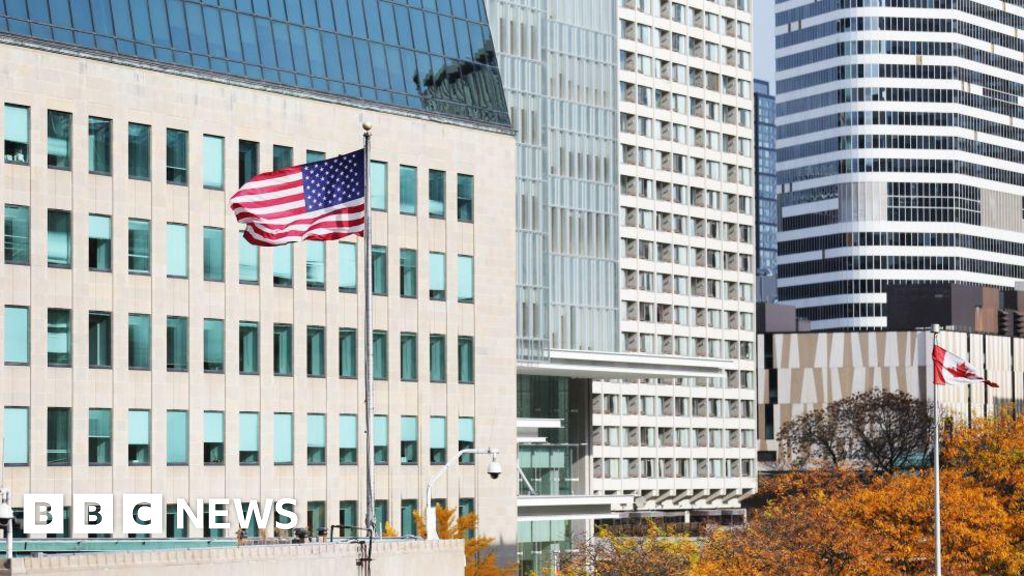
Canada Police Probe Shots Fired at US Consulate in Toronto, Raising Safety Concerns

The world watched with growing alarm as Norwegian authorities launched a comprehensive investigation into a violent explosion outside the US embassy in Oslo on Sunday. While preliminary reports suggest that the incident was targeted, the geopolitical implications extend far beyond Norway’s borders, resonating across Western alliances and challenging the fragile stability of the European security landscape.

Norwegian police and security agencies responded swiftly, cordoning off the area and deploying bomb squads to analyze the device responsible for the blast. The incident has ignited a wave of speculation among international analysts about potential motives—ranging from espionage to terrorism. As authorities continue their probe, officials from the United States have called for calm, emphasizing their commitment to safety and security, while also urging caution in interpreting the attack’s significance. However, the incident underscores a disturbing shift—an escalation in threats targeting diplomatic missions in Europe, a region increasingly vulnerable amid global tensions.

Historians and geopolitical analysts point to this event as a turning point revealing the underlying fragility within the European security architecture. From the perspective of global institutions such as NATO, the incident signals a persistence of threats that threaten to undermine years of diplomatic progress and regional stability. Furthermore, specialists warn that such attacks can serve as catalysts for reliable allies to reconsider their security postures and diplomatic strategies. These developments place countries like NORWAY and the US at a crossroads—balancing the imperative of protecting sovereignty with the need for international cooperation in a rapidly shifting geopolitical environment.

The geopolitical impact of this event extends into the broader debate over security commitments and the observance of global peace treaties. With Russia and China monitoring Western responses, international organizations such as the United Nations have issued cautious statements emphasizing the need for vigilance and dialogue. Yet, critics argue that these diplomatic responses may be insufficient to deter further escalation. As countries bolster their defenses and rethink alliances, the incident serves as a stark reminder of the enduring contest for dominance in international affairs—a contest that could very well define the future trajectory of global order.

As the investigation continues and political leaders weigh their next moves, the world holds its breath. What emerges from this incident will undoubtedly shape the trajectory of international diplomacy, security, and alliances for years to come. In a period marked by unprecedented change and global uncertainty, history remains a relentless force, unfolding with each decision and confrontation—casting long shadows over the fragile fabric of peace, and leaving nations to confront the enduring question: Are we truly prepared for the storms on the horizon?

Canadian PM Mark Carney: Former Prince Andrew Should Lose Royal Lineage Amid Scandal | Canada

Global Political Tensions Surface as British Royal Controversy Sparks International Debate

In a remarkable turn of events that transcends the borders of the United Kingdom, Canada and other Commonwealth nations are grappling with the significant ramifications of the recent scandal involving Andrew Mountbatten-Windsor. Prime Minister Mark Carney publicly called for his removal from the royal line of succession, citing “deplorable” actions amid allegations of misconduct, following his arrest on suspicion of misconduct in public office. This unprecedented move marks a potential dent not only in the royal family’s reputation but also in the delicate diplomatic and constitutional alliances that bind the Commonwealth.

Having stepped back from royal duties in October, Mountbatten-Windsor remains eighth in line to the throne amidst mounting evidence linking him to Jeffrey Epstein, the late financier widely condemned for child sex offenses. Despite denying any wrongdoing, the implications of these allegations threaten to destabilize the crown’s moral authority. Critics, including prominent international analysts, warn that such scandals fuel public disenchantment with monarchical institutions, which are already under pressure from societal calls for transparency, accountability, and reform. The controversy especially resonates within the Commonwealth, where governments like Australia and New Zealand have signaled support in removing Mountbatten-Windsor from succession, emphasizing the importance of moral integrity over tradition.

Geopolitical Ramifications and International Reactions

  • Following Canada‘s Prime Minister Carney’s remarks, representatives from Australia and New Zealand confirmed their backing for actions to strip Mountbatten-Windsor of his line, highlighting a broader shift towards accountability within the Commonwealth.
  • The law of the United Kingdom requires parliamentary approval for such a removal—an intricate process complicated by the constitutional ties and sovereignty considerations across 14 Commonwealth nations where King Charles III serves as head of state.
  • Such actions threaten to set a precedent that could redefine the relationship between these nations and the British Crown, emphasizing sovereignty and national identity over inherited monarchy.

International organizations, including the Commonwealth Secretariat, have issued cautious statements urging due process, yet the political debate underscores a vital question: How much of the traditional royal institution remains relevant or respectable in a modern, increasingly skeptical world? Historians and political analysts warn that the scandal acts as a catalyst, exposing deep fissures in the once-unassailable monarchy, which is now vulnerable to internal dissent and external criticism. Political leaders and civil society movements within Commonwealth countries see this crisis as an opportunity to push for republican reforms, reflecting a broader shift in global perceptions of monarchy and aristocratic privilege.

Implications of Decision-Making and a Legacy of Uncertain Future

The decision to disqualify Andrew Mountbatten-Windsor from the line of succession—once considered a mere constitutional formality—has now evolved into a flashpoint of sovereignty and national identity. The support from Commonwealth countries signals a collective assertion that morality and public trust should trump tradition, a seismic shift that could recalibrate the relationship between the Crown and its former colonies. As King Charles III navigates these turbulent waters, the lingering question persists: Will this scandal accelerate movements toward republicanism, or will the monarchy endure, cloaked in renewed scrutiny but still intact?

Stepping into history’s shadow, the unfolding drama reminds us that the weight of words and the power of choice in the corridors of politics may well shape the destiny of nations. As the world watches, one thing remains certain: the legacy of this crisis will be etched into the timeline of history, a testament to the fragile balance between tradition and reform, sovereignty and scandal, forever testing the bounds of royal resilience.

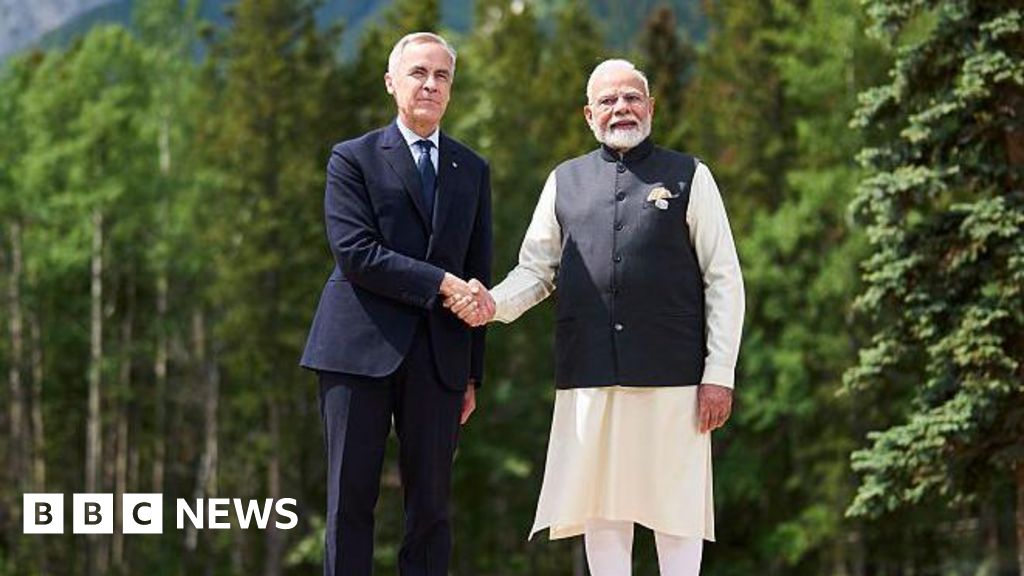
Carney’s India trip: A subtle Canada challenge, Modi scores a win-win

The international landscape is once again gripped by tension as Canada and India face a pivotal crisis that could reshape diplomatic alliances. In 2023, a startling accusation from Canadian Prime Minister Justin Trudeau has sent shockwaves across global political corridors. Trudeau publicly alleged that India was involved in the assassination of Hardeep Singh Nijjar, a prominent Sikh separatist leader, who was shot dead in British Columbia. This accusation not only challenged longstanding diplomatic norms but also ignited a broader debate about sovereignty, espionage, and international justice.

The Indian government quickly dismissed the allegations as baseless and politically motivated, asserting its stance that Canada’s accusations undermine the diplomatic efforts to maintain peace and stability in the Indo-Pacific region. The fallout resulted in a series of retaliatory actions, including the expulsion of diplomatic personnel from both nations. The situation grew further complicated as investigators in Canada charged four individuals with Nijjar’s murder. Although the case remains before courts, the incident has exposed underlying tensions between the two nations, with profound geopolitical impact that stretches well beyond their borders.

Analysts and international watchdogs underscore the broader ramifications of this diplomatic rupture. Global institutions such as the United Nations are closely observing, fearing this incident might *set a dangerous precedent*—where accusations can escalate into open confrontations without sufficient evidence, thus destabilizing international relations. Moreover, India and Canada are both key players in regional security architectures, with India trying to bolster its influence across Asia and Canada maintaining strategic ties with the United States. Any further deterioration could undermine efforts towards multilateral cooperation, especially in counterterrorism initiatives and trans-continental diplomacy.

This episode underscores the delicate balance of modern diplomatic engagement amid rising nationalistic sentiments and shifting global alliances. How decisions in Ottawa and New Delhi will echo in international forums and across societies at home remains uncertain, but such crises serve as stark reminders of the high stakes involved. As history watches silently, the world stands on a knife’s edge—every move, every statement potentially tipping the scales toward confrontation or reconciliation. The unfolding story continues to test the resilience and maturity of nations that, in this interconnected era, are bound by the weight of their actions and the legacy they leave behind. In that quiet, yet thunderous space where diplomacy meets destiny, history is once again in the making.

Canada demands answers from OpenAI after failing to alert police in Tumbler Ridge school shooting aftermath

In a striking development that underscores the complex intersection of emerging technological threats and national security, Canada has taken a bold stance by summoning representatives from OpenAI, the AI giant behind ChatGPT, following revelations about its handling of a deadly school shooting. The incident, which occurred in February 2025 in the remote town of Tumbler Ridge, resulted in the tragic loss of eight lives, including children and an adult victim. The shooter, identified as Jesse Van Rootselaar, reportedly used the AI chatbot to describe violent scenarios over several days, prompting internal flagging by automated review systems. Yet, OpenAI’s decision not to alert authorities—citing the lack of “credible or imminent planning”—has sparked outrage and serious questions regarding how private corporations manage threats that endanger society.

  • On the day of the attack, Van Rootselaar killed her mother and half-brother at their home before proceeding to the school, where she killed five children and a teaching assistant. This sequence of events raises pressing concerns about preventative measures and the role of AI moderation in safeguarding vulnerable populations. One of the most unsettling aspects lies in the company’s internal discussions, where staff considered notifying Canadian law enforcement last year about her activities—an indication that early warning signs may have been overlooked or dismissed. As international analysts emphasize, tech companies often find themselves at the heart of the debate over corporate responsibility versus privacy rights.

Prime Minister Evan Solomon has made it clear that the government intends to hold tech giants accountable. During a recent parliamentary session, he announced plans to meet with OpenAI’s safety and policy teams, aiming to clarify their protocols for escalating threats to law enforcement. This move signals a shift where governments are increasingly asserting authority over AI corporations that operate beyond traditional borders but have profound societal impacts. Such measures could set a precedent, compelling other nations to tighten regulations on AI usage—particularly among minors—effectively forging a new frontier in global security policy.

Meanwhile, international organizations and security experts warn that without stringent regulation, AI systems could become portals for unchecked extremism or violence. The United Nations and various regional security watchdogs have started considering frameworks for AI governance that balance innovation with safety. The incident in Canada acts as a grim warning: the proliferation of AI tools makes it increasingly difficult to prevent individuals with malicious intent from exploiting technology for destructive ends. As one prominent historian of technology warns, we are witnessing *the emergence of a new battleground*—where the battle for societal safety is fought not with bombs or guns alone, but with code and data.

By confronting the consequences of unchecked AI use, nations face a pivotal moment in history—one that could redefine the boundaries of sovereignty, privacy, and security in the digital age. As governments tighten their grip on emerging tech and global institutions reevaluate their rules, the message is clear: the decisions made today will shape the fabric of societies for decades to come, determining whether humanity can harness technology for progress or be consumed by its darker potential. This unfolding crisis marks just the beginning of a long, uncertain journey—one where the weight of history presses heavily on the shoulders of policy-makers, tech giants, and societies at large, reminding us that the future of civilization hinges on our ability to confront these challenges with resolve and foresight.

Canada Shooting: 10 Confirmed Dead in Tumbler Ridge School Attack—Suspect Among Victims

The tragic events in Canada this week have sent shockwaves across the nation, with reports confirming that ten individuals, including the gunman, lost their lives in a deadly mass shooting at Tumbler Ridge secondary school in northern British Columbia. This incident, which unfolded within a rural, close-knit community of less than 2,500 residents, underscores a disturbing trend that has begun to challenge the perceived safety and stability of even the most tranquil parts of a country often viewed as welcoming and progressive. More than two dozen victims were hospitalized, some airlifted from the scene, as survivors and families grapple with unimaginable grief. This tragedy highlights the stark reality of firearm violence—a phenomenon that, while often associated with other nations, is increasingly a concern within Canada’s social fabric.

Canadian authorities, alongside provincial officials like nina Krieger, the public safety minister, have described the incident as an “unimaginable tragedy” with implications that extend well beyond this isolated event. The police have identified the suspect but have offered limited details, focusing instead on the immediate aftermath—evacuating students, providing emergency medical support, and calming a traumatized community. They have also emphasized the difficulty in pinpointing a motive, stating, “we’re following all leads,” and remaining cautious to avoid prematurely speculating. The authorities’ response demonstrates a significant mobilization of Canada’s emergency services, which, in turn, highlights broader issues of public safety policy and gun control debates that still dominate the country’s political discourse.

This incident has mixed implications for Canada’s international standing, especially as global institutions and allies observe the nation’s internal struggles with violence. Analysts note that Canada’s reputation as a stable, secure democracy is being tested, as each such event prompts renewed calls for policy reform and questions about societal vulnerabilities. The event does not only threaten domestic harmony; it also touches on broader geopolitical ramifications—where internal instability can sometimes serve as a weak link in national diplomacy. Countries like the United States and the United Kingdom, which grapple similarly with firearm-related violence, watch these developments closely, aware that internal crises can influence international perceptions and alliances. Historically, experts argue, these moments of national trauma have often served as catalysts for intensified security measures, or, conversely, for societal debates that challenge core values and traditional freedoms.

In the long term, Canada’s response to this crisis may influence its position within international community efforts on public safety and human rights, especially when considering the role of international organizations like the United Nations in advocating for firearm regulation. As the country mourns and seeks stability, the unfolding investigation will likely have repercussions on domestic policies and regional alliances. It remains to be seen whether the country will deepen its security infrastructure or succumb to the political pressures to ease firearm restrictions—a debate that resonates across the Western world. In the hallowed halls of history, this moment might be remembered as a turning point where national trauma forced a global conversation on safety, liberty, and the societal fabric that binds us all. The story in Tumbler Ridge, humble yet profound, signifies that in an interconnected world, the choices made in small communities echo far beyond local borders, shaping the very nature of international stability and security.

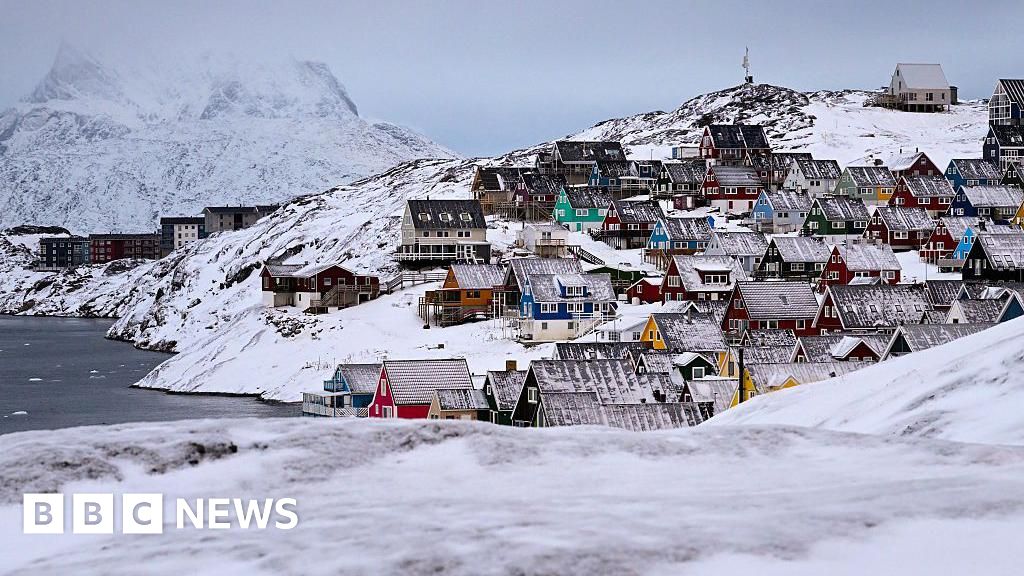
Canada sends top officials to establish Greenland consulate, signaling strong regional ties

The geopolitical landscape of the Arctic is once again at the forefront of international affairs, as nations jockey for strategic dominance amid shifting global priorities. Canada has publicly affirmed its move to demonstrate solidarity with Greenland, amid rumors suggesting the United States may have plans to establish a presence on an Arctic island. This diplomatic stance occurs despite reports indicating that the initiative was in motion prior to former President Donald Trump’s recent suggestion to purchase Greenland—a proposal that stunned global analysts and diplomatic observers. The timing of these developments underscores the multifaceted nature of Arctic geopolitics, where historic territorial claims, resource competition, and environmental concerns intertwine.

Analysts from institutions such as the International Crisis Group and various geopolitical think tanks emphasize that the Arctic has become a strategic arena—not just for resource extraction, but for projecting military power and influence across the northern hemisphere. The United States’ interest in Greenland, long discussed but seldom publicly activated, now appears to be gaining momentum as climate change accelerates ice melt, opening new shipping routes and access to untapped reserves of oil, gas, and minerals. Critics argue that the push for territorial claims in the Arctic echoes Cold War dynamics, with major powers seeking to secure their own interests before others can tighten their grips on the diminishing polar frontier.

Canada’s move to express solidarity with Greenland—a territory long associated with Denmark—comes amid broader concerns of potential encroachments and destabilization. Prime Minister Justin Trudeau has emphasized that this gesture aims to reinforce the importance of multilateral cooperation in the face of emerging threats and unilateral ambitions. Meanwhile, the North Atlantic Treaty Organization (NATO) has remarked that the Arctic’s strategic importance will only grow, urging member states to remain vigilant. For many analysts, including historians specializing in Cold War history, the current maneuvers could very well mark the beginning of a new chapter—a modern-day contest over Arctic dominance that could have sweeping geopolitical impacts.

Yet, the situation remains fluid and unpredictable. Russia continues to assert its own claims under the 2015 Arctic Council agreement, leveraging its military and scientific presence across the region. Meanwhile, China, increasingly vocal about its “near-Arctic” ambitions, is pushing for a role in future resource development and shipping routes. International organizations warn of the risks of escalation, but few agree on a clear path forward. As nations prepare for what many describe as an impending new Cold War in the high latitudes, history warns that these seemingly isolated disputes could spiral into a confrontation with global repercussions.

Ultimately, the decisions taken today in the Arctic are not merely about regional dominance—they reflect a broader contest for global influence in the 21st century. As iconic historian Paul Kennedy and geopolitical analysts observe, the unfolding elements of this silent, frigid struggle may determine the future balance of power. For those who sense the gravity of these shifts, it is clear that the stakes could not be higher—the Arctic, once a remote wilderness, now stands as a gateway to the tumultuous, uncharted corridors of international conflict. The weight of history presses heavily on this icy frontier, which could—in the span of a few decisive years—become the theater of a new, unanticipated global confrontation.

Social Media Auto Publish Powered By : XYZScripts.com