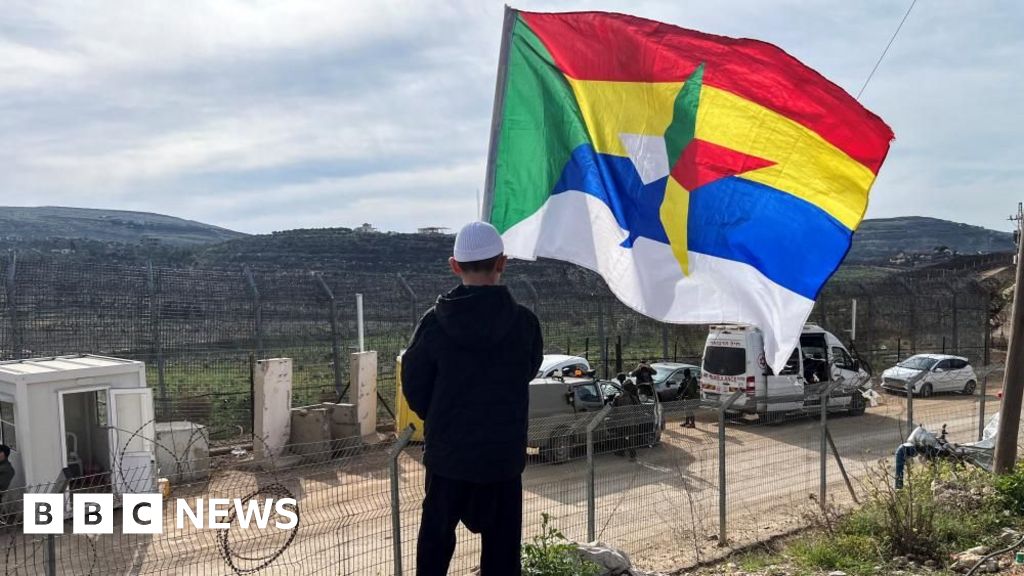
The recent escalation of military activities in the Middle East has underscored the fragile and volatile nature of the region’s geopolitical landscape. Israel, with its significant minority of Druze—a community spread across Israel, the Golan Heights, Syria, and Lebanon—has publicly defended its recent strikes as necessary measures to safeguard this unique community. This stance has complex implications, highlighting how internal security narratives often align with external regional conflicts. Historically, Israel has portrayed these operations as protective actions, particularly emphasizing the Druze’s strategic importance and their distinct identity, which sets them apart within the broader mosaic of Middle Eastern minorities.
Analysts argue this move signals a deeper shift in regional security dynamics, with Israel expanding its targeting measures beyond traditional threats. The recent offensives serve multiple strategic purposes: countering emerging militant groups, deterring hostile state actors, and consolidating its position amid ongoing conflicts. The international community remains divided; some view these strikes as vital to regional stability, while others condemn them for risking wider escalation. According to several historians and security experts, these actions may set a dangerous precedent, encouraging further militarization and possibly igniting conflicts involving neighboring states. The escalation raises urgent questions regarding the future of peace agreements in the region, especially as tensions continue to simmer beneath a fragile surface.
U.S. and European intelligence agencies observe this development carefully, warning of how decisions in Tel Aviv could reverberate across borders and influence global security frameworks. The United Nations has issued cautious statements calling for restraint but remains largely sidelined in the ongoing conflict. Regional powers like Iran and Turkey have responded with a mixture of assertiveness and strategic ambiguity, emphasizing their own interests in maintaining influence over local and regional alliances. Such reactions demonstrate the layered complexity of this crisis—where each move by Israel or its opponents has the potential to ripple through the international chessboard. Meanwhile, the Druze community’s position remains precarious; caught between their loyalty to Israel and regional allegiances, their plight exemplifies the human cost amid these geopolitical shifts.
As the dust settles over this latest chapter, international analysts recognize that the true stakes extend beyond immediate military objectives. They underscore how these relentless shifts could define the fate of future peace talks and regional stability. This ongoing saga—characterized by strategic gestures, ambiguous alliances, and the relentless march of history—leaves the world perched on the precipice of unforeseen consequences. The narrative unwinds like a shadowed valley with history’s heavy hand guiding each decision, whispering of a time when the Middle East’s destiny was forever reshaped by the choices of today. The weight of this unfolding story compels a sober reflection: in a region where borders are contested and allegiances shift like desert sands, the line between peace and catastrophe remains perilously thin.