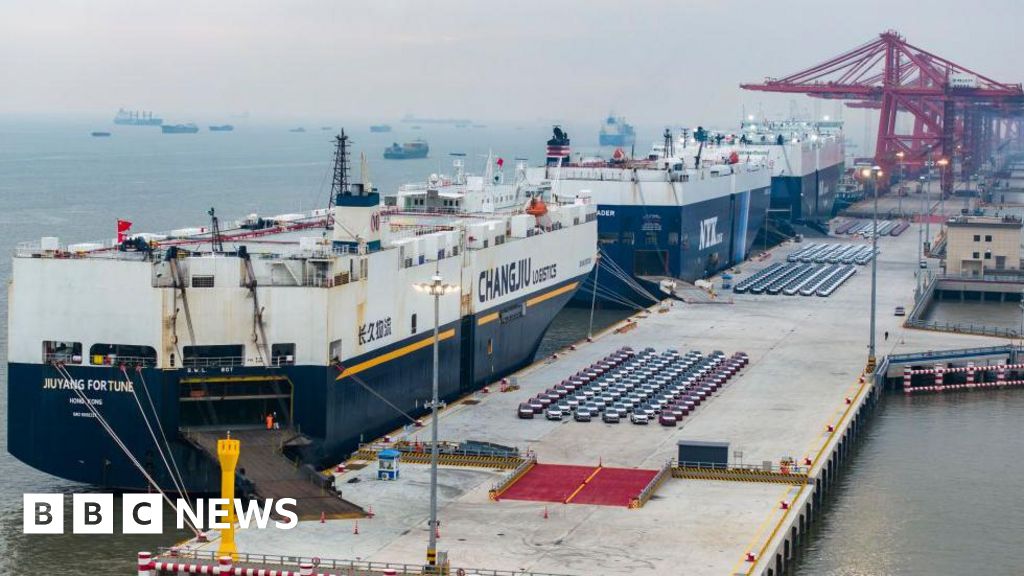
In a bold move signaling a shift towards economic nationalism, Mexico has recently approved a comprehensive tariff package impacting over 1,400 products, many sourced from China. This policy, championed by President Claudia Sheinbaum, aims to bolster domestic manufacturing and reduce reliance on foreign imports amidst mounting economic pressures. These tariffs allow for duties of up to 50%, a clear indication of Mexico’s intent to recalibrate its economic strategies in a rapidly changing global landscape. While the move is framed domestically as a matter of economic sovereignty, its geopolitical implications ripple beyond borders, especially as Mexico engages in delicate negotiations with the United States.
- The tariffs come at a fraught time, with U.S. President Donald Trump threatening steep import taxes on Mexico, including potential 50% duties on steel and aluminum. These measures are part of a broader strategy to exert economic pressure, ostensibly aimed at curbing the flow of synthetic opioids like fentanyl into the U.S., but also revealing a deeper struggle over trade dominance.
- In addition, Trump has signaled intentions to impose a 5% tariff on Mexican goods, citing the longstanding Rio Grande treaty—an 80-year-old agreement—regarding water rights as a pretext. Through social media, the U.S. leader accused Mexico of “not meeting the terms” of this treaty, which historically grants the U.S. access to water from the Rio Grande tributaries, raising questions about the truthfulness and strategic motivation behind these claims.
International reactions have been swift and cautious. Warnings from Beijing to Mexico included a reminder to “think carefully” about the implications of imposing tariffs on Chinese products. Analysts note that these measures reflect a broader realignment of economic alliances in which Mexico seeks to navigate between two superpowers—the United States and China. As the world’s second-largest economy, Beijing remains deeply entrenched in Latin America, its investments and trade ties reshaping regional power dynamics. The decision by Mexican lawmakers underscores a strategic push to assert economic independence, but also signals potential shifts in regional stability, especially if tariffs spark retaliatory measures or escalate into trade conflicts.
Impact on Society and Future Trajectory
The societal impact of Mexico’s tariff policy cannot be understated. For consumers, increased costs on everyday products threaten to fuel inflation, while domestic industries may benefit from increased protection. However, historians and economic analysts warn of the long-term consequences of such protectionism—potentially fostering a fragmented global trade system that complicates international cooperation. The moves also reflect a broader pattern of nationalist resurgence across the globe, where nations challenge existing treaties and alliances in pursuit of national interests.
As Mexico confidently asserts its economic independence amid a tense geopolitical climate, the world watches with bated breath. The pending negotiations with the United States—a trading behemoth and regional neighbor—could set a precedent for how nations leverage tariffs and treaties in a new era of economic brinkmanship. The decisions made in Mexico today are not isolated policies but artifacts of a larger, ongoing competition for influence and sovereignty. With history unfolding before our eyes, the question remains: will these tariff maneuvers carve a path towards renewed national strength, or will they spiral into a broader confrontation that reshapes the very fabric of global geopolitics? The answer lies in the unfolding chapter of international relations, where every move could tip the delicate balance of power, leaving the world to witness the next act in this high-stakes geopolitical play.