Geopolitical Flashpoints and the West’s Response: A World on Edge
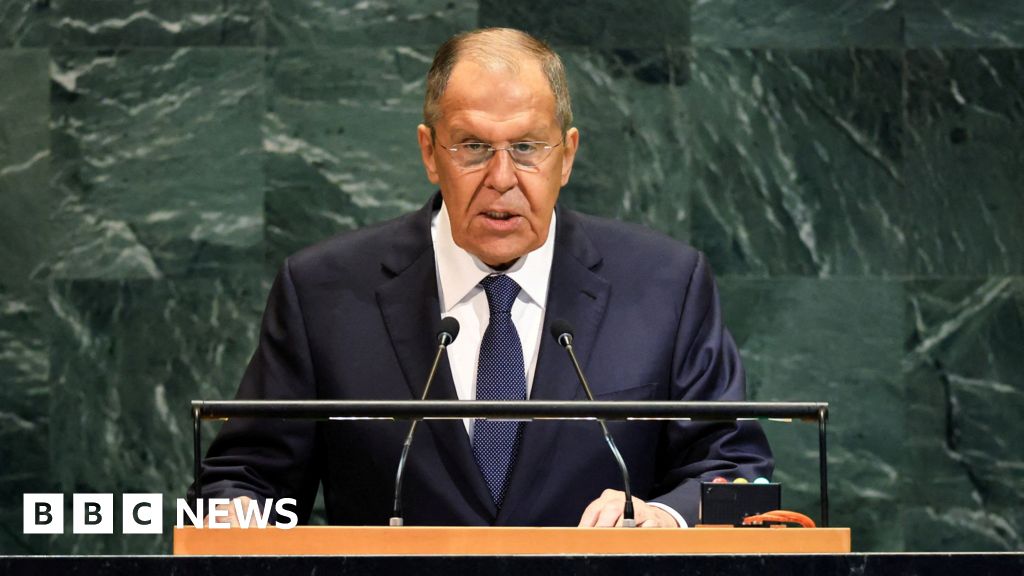
As Russia reaffirms its stance at the UN General Assembly, the world watches with increasing concern. Foreign Minister Sergei Lavrov declared that Russia has no intention of attacking EU or NATO member states but warned of a “decisive response” to any perceived aggression. His remarks come amid rising tensions in Europe, where reports of Russian drone flights over Danish airports and incursions into Estonian airspace have heightened fears of a new Cold War confrontational dynamic. NATO has responded with a series of rapid defense measures, including air patrols over Poland, signaling that the alliance is prepared to defend its members should provocations escalate.
Meanwhile, the simmering conflict in the Middle East remains a focal point of international instability. Lavrov condemned the recent attacks by Hamas on Israel, emphasizing that Russia believes there is no justification for the brutal killings of Palestinians in Gaza or for Israel’s plans to annex parts of the West Bank. As reports indicate that over 65,000 people have been killed in Israeli strikes, with some 1,200 victims of Hamas attacks, the region teeters on the brink of a larger conflagration. Russia’s stance underscores the growing divide: Western nations largely support Israel, while Russia advocates for a more balanced approach, criticizing what it calls “Israeli aggression” that threatens regional stability. These developments could have profound geopolitical impact, fueling broader alliances and conflicts worldwide, especially given Moscow’s accusations of U.S. and Western involvement in destabilizing the region.
On the diplomatic front, Lavrov highlighted that Western efforts to reimpose sanctions on Iran were unlawfully sabotaged, reflecting Moscow’s opposition to Western policies that threaten to destabilize the region further. As sanctions are set to reenter force, Russia and China remain committed to resisting U.S.-led economic pressures, signaling a shift towards a more multipolar power structure. Analysts warn that this reinforcement of alliances could cement a new geopolitical landscape, challenging U.S. hegemony and Western diplomacy, while fostering a dangerous divergence in international norms.
The United States, under the recent comments of Donald Trump, seems to adopt a more aggressive stance. Trump’s suggestion that NATO nations should shoot down Russian planes in their airspace exemplifies a dangerous escalation that risks sparking open conflict. NATO’s warning that it will deploy “all necessary military and non-military tools” underscores the fragile state of peace. As these developments unfold, historical voices warn that the world might be approaching a turning point—one where diplomacy could be overshadowed by escalation, pushing humanity closer to a potential battlefield of global proportions. The unfolding narrative reminds us that the choices made today by powerful nations will echo through the corridors of history, shaping the future of global stability and peace.