For decades, Colombia and the United States maintained one of the most robust alliances in the Western Hemisphere. Rooted in mutual interests against drug trafficking and insurgency, this partnership was largely shaped by “Plan Colombia”—a massive US-funded initiative launched in the early 2000s. This strategic cooperation resulted in significant military and security gains for Colombia, notably weakening the Farc guerrilla movement and establishing the country as a key regional security partner. However, recent developments suggest this once-strong partnership is unraveling, as political ideologies diverge sharply and conflicts escalate, threatening to destabilize both nations and embolden organized crime groups operating beyond the state’s reach.
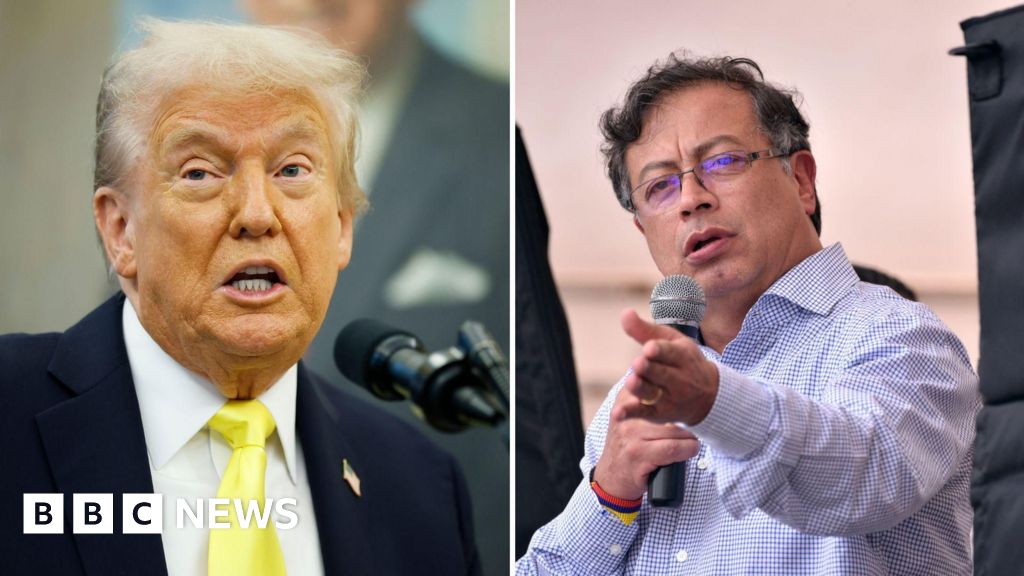
Since Gustavo Petro assumed the presidency in 2022, the dynamic has shifted dramatically. A left-wing leader committed to pursuing peace and social justice, Petro’s policies have often clashed with the hardline approach historically favored by Washington. The situation reached a breaking point when Donald Trump returned to the White House and accused Petro of encouraging drug production in Colombia. The US government responded by suspending payments and subsidies, a move that signals the beginning of a wider rift. Experts from organizations like the Washington Office on Latin America (Wola) warn that such actions not only threaten bilateral security cooperation but also undermine efforts to curb record-high cocaine production, currently at its most alarming levels in decades. These developments expose vulnerabilities in the alliance, with analysts fearing that the resulting power vacuum may benefit transnational organized crime groups instead of the state—an ominous portent for the future of regional stability.
The roots of US influence in Colombia extend back to the early 2000s, when aid packages reaching over a billion dollars under “Plan Colombia” aimed to dismantle insurgent groups and stem drug flows. Following successes such as the demobilization of the Farc, US assistance waned but continued to be significant, providing Colombia with one of the region’s most formidable militaries. Nonetheless, despite these advances, cocaine cultivation persists at historic levels, highlighting the persistent failure of military solutions. As Héctor Galeano and other analysts note, the collateral effects of these policies—ranging from civilian abuses to the recruitment of demobilized paramilitaries into drug cartels—have complicated the narrative of victory. Now, as Washington signals a withdrawal and even formally de-certifies Colombia’s efforts to control drug trafficking, the geopolitical consequences become dire: regional security is compromised, and organised crime groups seem poised to fill the void left by reduced state capacity, risking a spiral of chaos that could echo well beyond South America.
The current crisis unfolds at a painfully inconvenient moment when Colombia is attempting to consolidate peace amidst rising violence, while President Petro seeks to implement a comprehensive plan for “total peace”—a mission undermined by targeted US military strikes. Trump’s aggressive anti-drug campaign, including unlawful maritime strikes in the Caribbean targeting vessels from Venezuela, has only intensified tensions and drawn sharp rebukes from Petro and the international community. These actions, fraught with questions of legality and sovereignty, threaten to fracture the foundation of a partnership that has proven essential for US military and intelligence operations—about 80% of the Caribbean’s drug intelligence comes from Colombia alone. As bilateral relations teeter on the brink, observers warn that the once indispensable alliance is now vulnerable to disintegration, with both nations potentially losing control over the drug trade and regional stability slipping beyond reach. The specter of history repeating itself—a once-unbreakable bond giving way to mutual mistrust and chaos—lingers ominously, emphasizing that the true winners of this fractured alliance are the traffickers and militants, who watch eagerly as the chaos unfolds.