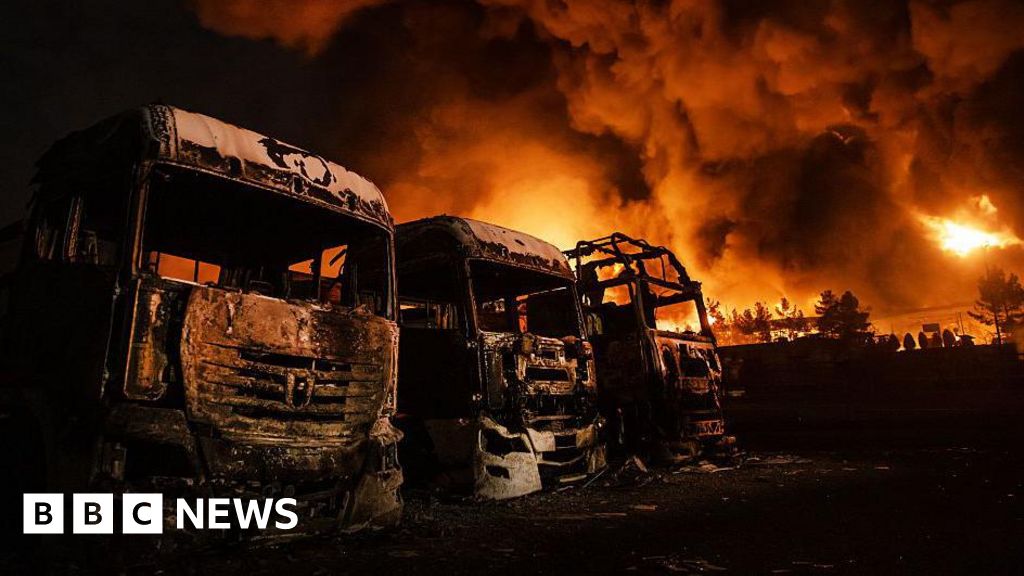
The world finds itself at a precarious crossroads as recent events have ushered in major disruption to energy supplies, with ripple effects poised to influence economies and societies across the globe. This shift is not simply an economic hiccup; it signals a profound geopolitical transformation that could redefine international power structures for years to come. As energy prices surge, governments worldwide scramble to respond, while analysts and historians warn of a potential reordering of global alliances amidst this brewing crisis.
Several factors have contributed to this critical juncture. Rising tensions in major energy-producing regions, coupled with disruptions to supply chains due to geopolitical conflicts, have sharply curtailed the stability of traditional energy markets. OPEC nations and Russia, long-time fixtures in the energy landscape, face increasing scrutiny as supply bottlenecks intensify. Moreover, U.S. allies in the Middle East are grappling with internal political shifts, which further complicate efforts to stabilize global markets. The decision by some nations to diversify away from reliance on oil and gas—while strategic—has not yet stemmed the immediate impact of the price hikes, which now threaten both developed and developing nations alike.
International organizations such as the International Energy Agency (IEA) continuously monitor these developments, warning that the current trajectory could exacerbate inflationary pressures and hinder economic growth. Meanwhile, geopolitical analysts assess how states will navigate this turbulence. Historically, energy shortages have often acted as catalysts for broader conflicts or alliances, and many experts fear this trend may recur. Countries that maintain control over energy resources are likely to leverage their positions for geopolitical advantage, fueling a new era of strategic competition. This reality underscores the critical importance of resilient energy policies and geopolitical diplomacy in shaping the future stability of the global order.
At the heart of this unfolding crisis lies a fundamental truth: energy security is now intertwined with national sovereignty and international diplomacy. As prices for consumers and businesses spiral upward, social unrest looms on the horizon, particularly in nations where energy costs constitute a significant portion of daily living expenses. Governments are under intensified pressure to balance short-term economic relief with long-term strategic stability. Meanwhile, international institutions are called upon to mediate and coordinate responses, although many in the global community remain skeptical of their efficacy given recent geopolitical fractures.
This chapter in history is still being written, yet its consequences threaten to be as profound as the oil shocks of the 1970s. Will the emerging energy crisis catalyze a new era of cooperation or ignite renewed conflicts over resources? As nations brace for the impact of escalating prices, the weight of history presses heavily upon policymakers. What is clear is that the choices made today will echo through generations, shaping the global order in ways yet to be fully understood. As humanity stands on this precipice, the echoes of the past remind us: the decisions we make now may determine whether this moment of crisis becomes a stepping stone toward future stability or a harbinger of prolonged global upheaval.