Matox News

Truth Over Trends, always!

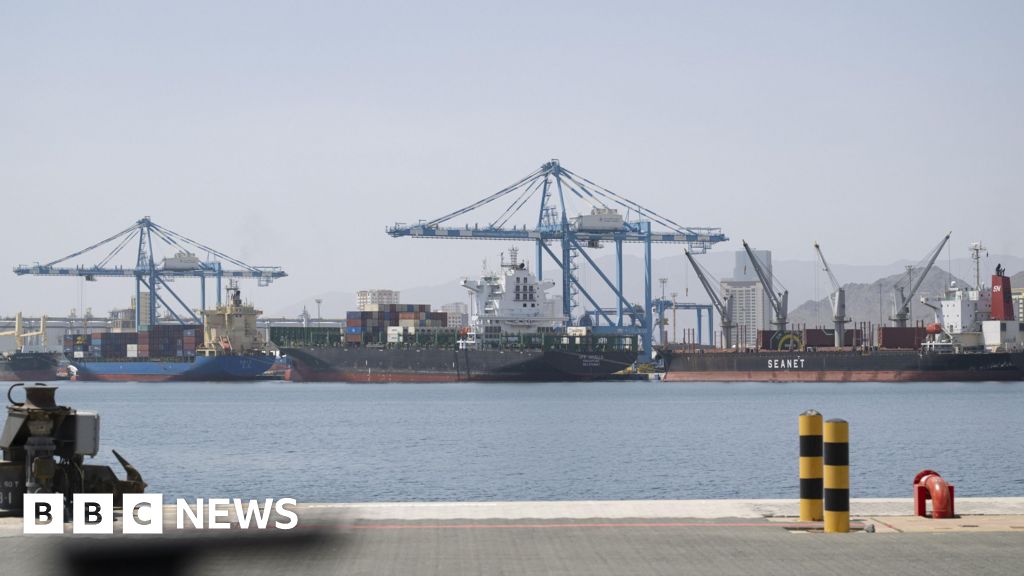
Oil rises as Trump announces seizure of Iranian vessel—shaking up markets.

The recent attack on Iran by the United States and Israel on 28 February has ignited a volatile shift across global energy markets. Since this aggressive move, traders and analysts worldwide have noted unprecedented swings in oil prices, which threaten to destabilize economies dependent on stable energy supplies. The move signals a possible escalation of regional conflict with profound implications for global security and economic stability. In minutes, markets reacted with volatility, sending shockwaves through oil futures and prompting reevaluations of risk by investors and policymakers alike.

The attack, widely condemned as a significant escalation in tensions surrounding Iran’s controversial nuclear program, has prompted alarm among international observers. According to analysts from the International Energy Agency (IEA), this conflict could trigger supply disruptions in the Middle East—a region that accounts for a substantial share of global oil production. Historical patterns suggest that such conflict-driven disturbances tend to drive prices sharply upward, creating economic headwinds for nations across Europe, Asia, and North America. Experts warn that a prolonged military campaign or escalation could lead to an energy crisis that reverberates far beyond the Middle East, impacting everything from transportation costs to manufacturing output worldwide.

Beyond raw energy costs, the geopolitical impact extends into diplomatic territory. Many nations are compelled to reassess their alliances and strategic interests as regional stability hangs in the balance. Countries like Russia, China, and the European Union have started calling for restraint, though some are also hinting at their own strategic interests in the current chaos. Decisions made in the coming weeks could reshape energy dependencies and influence global power structures. The United Nations has urged de-escalation, but critics warn that the current trajectory risks transforming a regional conflict into a broader confrontation, especially if other powers are pulled more directly into the fray.

Historically, such moments of conflict have often illustrated how fragile the foundation of global peace and economic stability can be. As noted by several distinguished historians and geopolitical analysts, the current crisis echoes past instances where regional conflicts rapidly expanded, prompting intervention or escalation that reshaped the international order. The G7 nations and other major economic blocs are closely monitoring developments, aware that the fallout from this attack could influence the trajectory of international policymaking for years to come. This is a diplomatic test for the global community — a moment where choices carry enormous weight, determining whether the world trends toward cooperation or descends into chaos.

As the dust settles, the world watches with bated breath, the shadow of history looming large. The decisions made today—whether to pursue cautious diplomacy or unleash further military strikes—may set the course for future generations. The unfolding saga in the Middle East is not just a regional dispute; it is a defining chapter in the ongoing struggle for global stability, where every move echoes through the corridors of power and every headline marks a turning point in history’s relentless march.

Adelaide Uni Considers Dropping Santos Name from Building to Stand Against Big Oil

Global institutions and nations are continually grappling with the complex interplay between economic development and environmental sustainability. Recent events from Australia’s top universities and regional politics showcase how local decisions often mirror larger geopolitical debates about resource management, indigenous rights, and cultural recognition. These decisions, though seemingly isolated, have far-reaching consequences that echo around the world, influencing how nations navigate the delicate balance of progress and preservation.

In South Australia, the debate over Santos, a major gas company engaged in expanding fossil fuel projects, highlights the ongoing struggle between corporate interests and environmental responsibility. As Adelaide University considers removing the Santos name from its engineering building—a move driven by student protests and conservationist campaigners—the wider international discourse on fossil fuels intensifies. Historians and environmental analysts warn that continued investment in natural gas without a clear transition plan endangers the global climate, jeopardizing the very societies that seek economic growth. This internal Australia controversy stands as a microcosm of global tensions, with some experts noting that such decisions shape the perceived legitimacy of corporate actors in national development narratives.

Meanwhile, the role of indigenous language and cultural recognition remains a hot-button issue, igniting heated debates on representation and respect. The incident where Cory Bernardi, a former One Nation politician, publicly mocked the Kaurna language by dismissing signs bearing traditional greetings, underscores how cultural misunderstandings and tribal sovereignty debates are playing out on a broader stage. International organizations like the UN have consistently emphasized that genuine respect for indigenous rights is crucial for social cohesion and peace. Yet, figures like Bernardi symbolize the persistent marginalization faced by indigenous communities, casting a shadow over Australia’s efforts to reconcile its colonial past with future unity.

The geopolitical impact of these regional issues is profound. The clash between resource exploitation and indigenous sovereignty has implications for regional stability, resource security, and international environmental commitments. As Australia continues to fluctuate in its approach to climate policies and cultural acknowledgment, global allies watch carefully. Competitive global markets and climate targets mean that such internal conflicts could influence international cooperation on environmental standards and trade agreements. Analysts argue that the way Australia navigates this internal tension will serve as a blueprint for other nations facing similar conflicts, especially in resource-rich regions like Africa, South America, and Southeast Asia.

As history unfolds, the decisions made today in Australia serve as stark reminders of the enduring struggle for progress that respects both environmental imperatives and cultural identities. With each protest and political controversy, the world witnesses the emergence of a new chapter in the fight for justice, sustainability, and sovereignty. The weight of the past presses heavily on the present, and the path forward remains uncertain. One thing is clear: as these stories develop, they will inevitably shape the geopolitical narrative of the 21st century, leaving a lasting imprint on future generations—an undeniable testament to the fact that history is still being written, and its pages are filled with fierce debates about what kind of world we want to leave behind.

Oil prices drop as Iran claims Strait 'open'—markets rally for the youth?
Oil prices drop as Iran claims Strait ‘open’—markets rally for the youth?

In a significant development that has sent shockwaves through international markets, Brent crude oil prices plunged by nearly a tenth following Iran’s announcement that the vital Strait of Hormuz will remain open to commercial shipping for the duration of a ceasefire. This announcement, delivered by Iranian officials, has immediate ripple effects on global energy security, geopolitics, and economic stability, illustrating the fragile interplay between regional conflicts and worldwide markets.

The Strait of Hormuz is recognized as one of the world’s most crucial maritime chokepoints, with approximately 20% of global oil trade passing through its narrow waters. For decades, this strategic strait has been a flashpoint for tension, often influenced by the complex web of regional alliances, military posturing, and international sanctions. Iran’s decision to keep the waterway open during the current ceasefire reflects a calculated move that has profound geopolitical impact—demonstrating Iran’s intent to assert control and avoid further economic sanctions while also signaling a readiness for dialogue.

International analysts, including those from the International Energy Agency (IEA), see this move as a potential alleviation of market fears that prior escalation could have led to supply disruptions. However, the decision also underscores the precarious balance in the Gulf region, where shifts in maritime policies can escalate tensions among the United States, regional Gulf states, and Iran. Historically, such pivotal moments have often either calmed markets or triggered cycles of instability. This time, the market’s muted response suggests a cautious optimism—yet all understand that this peace remains fragile and temporary.

The decision by Iran comes amid ongoing efforts by global diplomatic efforts to de-escalate hostilities and reopen dialogues on nuclear and regional security issues. Yet, critics warn that the declaration might be more of a tactical pause than a sign of lasting peace. The reaction from regional allies, especially Gulf monarchies, is mixed. Some perceive Iran’s move as a pragmatic step to mitigate economic distress, while others remain wary of underlying motives. The international community — including the United Nations — continues to call for restraint, but underlying tensions persist, threatening to unravel this fragile window of calm.

This episode illustrates a broader truth that resonates through history: the decisions made in strategic choke points are emblematic of larger geopolitical rivalries that shape the modern world. Nations that control critical waterways wield influence far beyond their borders, with every shift risking escalation or reconciliation. As historians and analysts observe, today’s events in the Gulf are a chapter in a long saga of conflict, diplomacy, and competition for dominance that will define the global landscape for generations. With the oil market reacting in real-time, the true test lies ahead—whether this renewed openness in the Strait of Hormuz will herald a period of stability or merely serve as a fleeting pause before the next storm in the ever-turbulent seas of international power play.

Australia News Live: Big Fire at Geelong Oil Refinery; Canavan Backs Tough Immigration Stance

The world is witnessing a series of pivotal moments that threaten to reshape the geopolitical landscape in profound ways. Australia, often considered a distant continent, is currently embroiled in a domestic crisis that threatens its economic stability and raises questions about its future energy security. In Geelong, an “unprecedented” fire at the Viva Energy oil refinery has sent shockwaves through the nation. The blaze, which began late last night, has been described by local officials as decades-in-the-making in terms of its scale and impact. The refinery is responsible for roughly 50% of Victoria’s fuel supply and approximately 10% of the country’s national output, underscoring its strategic significance. As fire crews battle to control the inferno, international actors and analysts watch cautiously, aware that the implications extend far beyond Down Under.

  • The refinery’s destruction or prolonged shutdown could exacerbate Australia’s ongoing fuel crisis, which has already strained households and industries nationwide. The reliance on two remaining refineries, with the other operated by Ampol in Brisbane, highlights how geopolitically sensitive this critical infrastructure truly is. Many international analysts warn that such fragility can serve as a catalyst for broader energy insecurity, potentially inflaming geopolitical tensions with major energy-producing nations. These vulnerabilities are compounded by the fact that both Australian refineries require government support to stay operational, indicative of a broader global trend where energy security and government intervention intersect in geopolitics.
  • The incident coincides with tense political debates within Australia, as Matt Canavan, leader of the National Party, publicly defended the government’s controversial immigration policy. His stance, which proponents tout as “reasonable and fair,” has ignited a fierce contest of narratives over national identity and sovereignty. Canavan’s rhetoric, referencing the naturalisation process of his grandparents and invoking the literary phrase “Having good fences make for good neighbours,” underscores a broader worldview increasingly aligned with nationalist, sovereignty-centric principles. Critics, however, interpret this as an extreme form of discrimination cloaked in patriotic language, highlighting a sinking support for immigration among Australians—a trend that some analysts argue could embolden hardline policies that threaten social cohesion.

International observers, including historians and geopolitical think tanks, warn that such nationalistic rhetoric, when paired with vulnerabilities like energy supply shocks, can escalate into broader regional instability. As the United Nations and World Bank scrutinize Australia’s internal debates and energy roadmaps, the global community remains wary of a potential domino effect. The concern is not merely about Australian sovereignty but how ever-accelerating shifts in domestic policy and energy infrastructure risks ripple effects in the Indo-Pacific and beyond, especially amid rising tensions with China and regional alliances. The fusion of energy crises with aggressive nationalist discourse could, analysts warn, fuel a dangerous cycle of escalation and realignment in international security frameworks.

As history continues to unfold, the nation’s response in the coming weeks will serve as a litmus test for its political stability and strategic resilience. Will the fires at Geelong become a symbol of vulnerability or a rallying point for innovative reform? Will the rhetoric of figures like Canavan morph into a broader movement that tests the limits of accepted policies? The answers to these questions may well determine whether Australia remains a bastion of stability or a flashpoint for new geopolitical conflicts. As the flames lick the skies and political volleys echo across the continent, the weight of tomorrow’s history presses down—an unwritten chapter begging to be shaped by the choices made today.

Irish police clear fuel protesters at oil refinery amid rising tensions

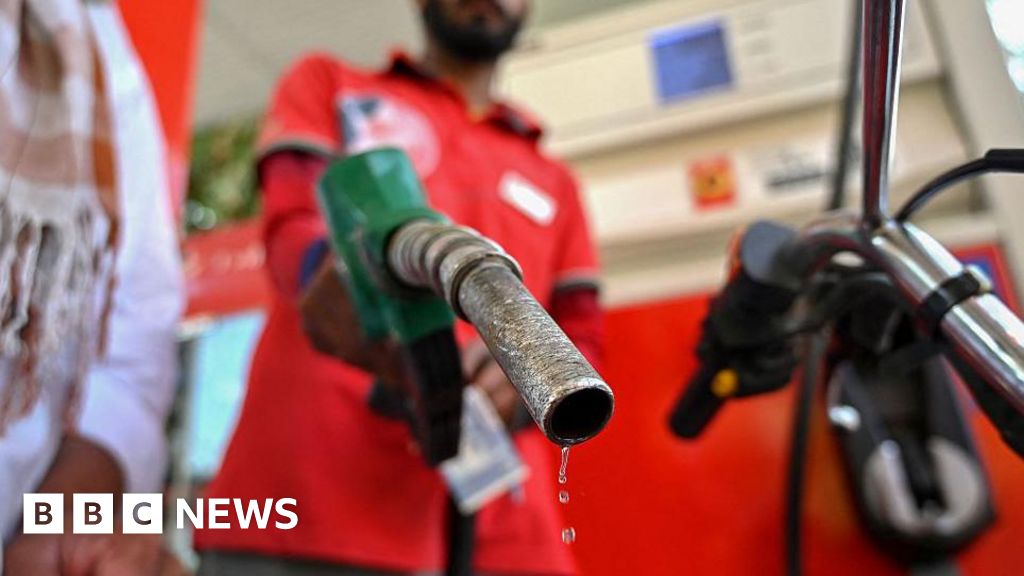
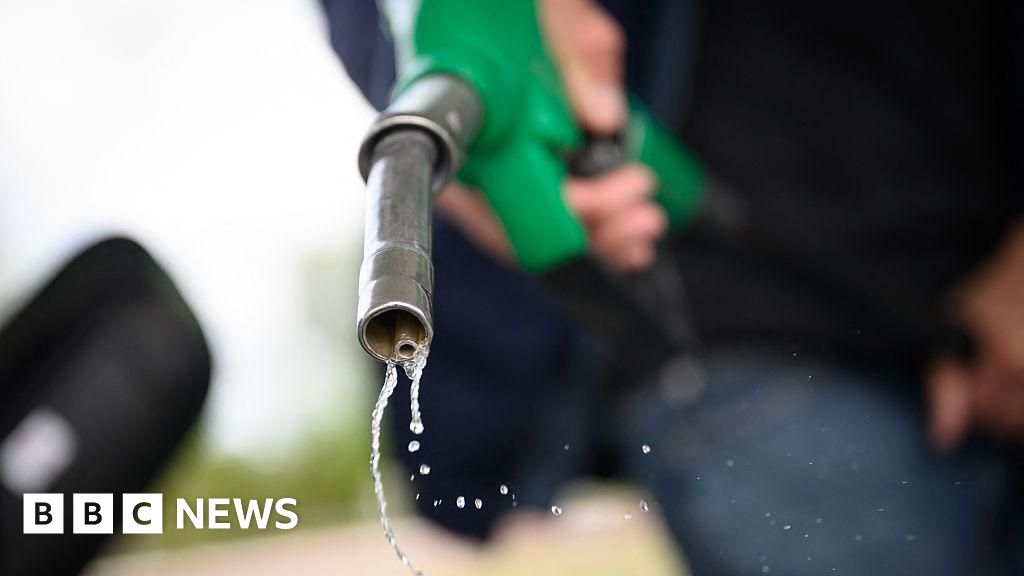
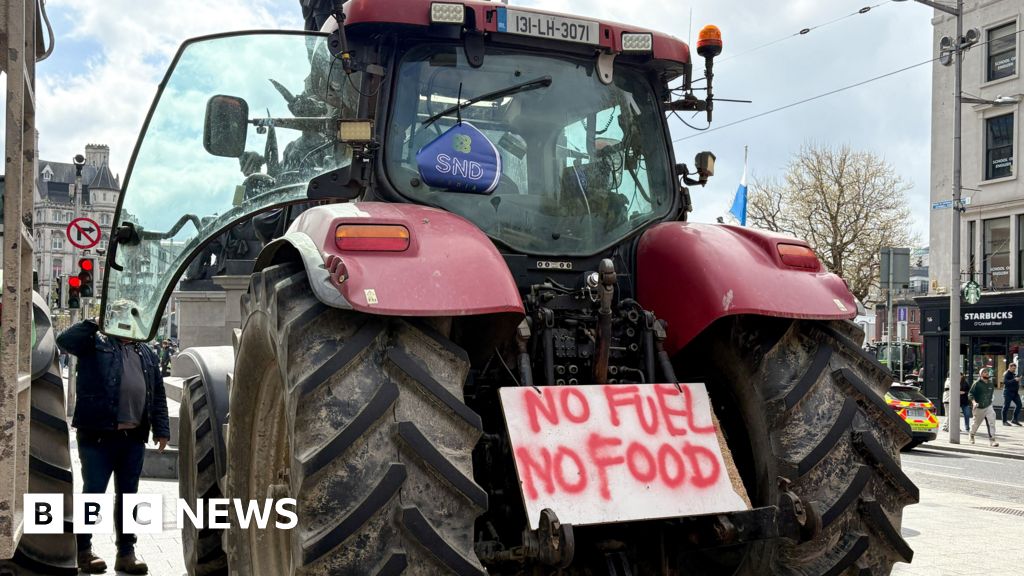
Recent demonstrations centered around rising costs have erupted across multiple regions, shedding light on the profound geopolitical impact of the escalating US-Israeli confrontation with Iran. As protests ripple through cities and highways, the broader consequences extend beyond mere discontent, signaling shifts in international stability and economic resilience. This unrest, driven significantly by economic pressures exacerbated by the ongoing conflict, reflects a society strained under the weight of war and the ripple effects of superpower diplomacy.

At the heart of recent upheaval are the sharp increases in fuel prices and commodities—an outcome of sanctions, tanker rerouting, and disrupted supply chains that have deepened economic vulnerabilities. Experts from the International Monetary Fund and geopolitical analysts argue that these economic disturbances are not isolated; instead, they are harbingers of a broader destabilization that could influence international alliances and power dynamics for years to come. Historian Dr. Jane Roberts warns that history teaches us conflict not only reshapes borders but also ripples through societal stability and civil order. The demonstrations highlight how local populations are affected by decisions made in distant capitals, underscoring the interconnectedness of modern geopolitics.

This surge in unrest coincides with heightened tensions between the United States, Israel, and Iran, where diplomatic efforts and military posturing are shaping a precarious global landscape. The recent military strikes and sanctions against Iran have sharply increased prices and supply uncertainties in global markets, fueling inflation and consumer distress. Countries across the Middle East and beyond face pressures to navigate these turbulent waters, with some analysts warning that any misstep could ignite a broader regional conflict. The United Nations warns that such instability undermines international peace efforts and feeds into anti-globalist sentiments worldwide.

Moreover, the geopolitical landscape is undergoing a profound transformation as alliances shift under the burden of war. Countries such as Russia remain watchful, evaluating how these conflicts open avenues for strategic gains or weaknesses. Decisions made now, including military support, sanctions, and diplomatic overtures, will reverberate long after the dust settles, shaping the post-war order and influence of global powers. International organizations, united in their pursuit of peace, continue to warn that escalation risks drawing a divided world into deeper chaos, with civilians caught in the crossfire.

As the protests continue to obstruct traffic and draw international attention, they serve as a stark reminder: the flow of history is unpredictable, yet often driven by moments of crisis. In the shadows of rising prices and unrest, the true test lies in whether nations can pursue stability amid upheaval or succumb to the chaos that war engenders. The world watches, holding its breath, as the tide of geopolitical currents carries us toward an uncertain future.

Iran Hits Kuwait’s Oil Assets Ahead of OPEC+ Supply Talks

In a stark demonstration of the escalating tensions in the Middle East, Iranian drones have recently struck vital Kuwait oil infrastructure, inflicting “severe material damage” and threatening to further destabilize global energy markets. The attacks targeted petrochemical facilities, power and water desalination plants, and government offices, causing fires, damage, and potential long-term disruptions. The Islamic Revolutionary Guard Corps claimed responsibility, asserting that these strikes form part of Iran’s broader response to ongoing regional hostilities. These developments underscore the fragile security environment in the Gulf, where strategic interests and regional rivalries continually threaten the stability of global oil supplies.

This assault comes on the heels of a series of aggressive moves by Iran amid a tense backdrop of conflict involving the US and Israel. Just hours before the attack, members of OPEC+—the cartel of major oil-producing nations—convened to discuss measures to bolster oil output, ostensibly to counter the effects of Iran’s recent tightening of the Strait of Hormuz. Yet, Iran’s effective blockade, which prevents about 20% of global crude oil from passing through the strategic waterway, remains a major obstacle to stabilizing the world’s energy markets. Analysts warn that the damage inflicted on critical infrastructure could take months or even years to repair, with the geopolitical impact reverberating through markets and societies worldwide.

Meanwhile, the broader regional conflict is intensifying, with Iran rejecting ultimatums—such as the one issued by Donald Trump—threatening to destroy Iranian infrastructure if Tehran refuses a peace deal. Israeli strikes in Iran’s petrochemical sector have already resulted in casualties, while Iran retaliates by striking targets across neighboring nations like Qatar and Oman. This cycle of aggression risks spiraling into a regional crisis with worldwide consequences. The ongoing violence and ongoing U.S.-backed sanctions further exacerbate Iran’s resolve, and many international observers—including historians like Robert Kaplan—warn that this is a turning point that risks transforming the Middle East into a prolonged theater of conflict, with oil being a pivotal prize.

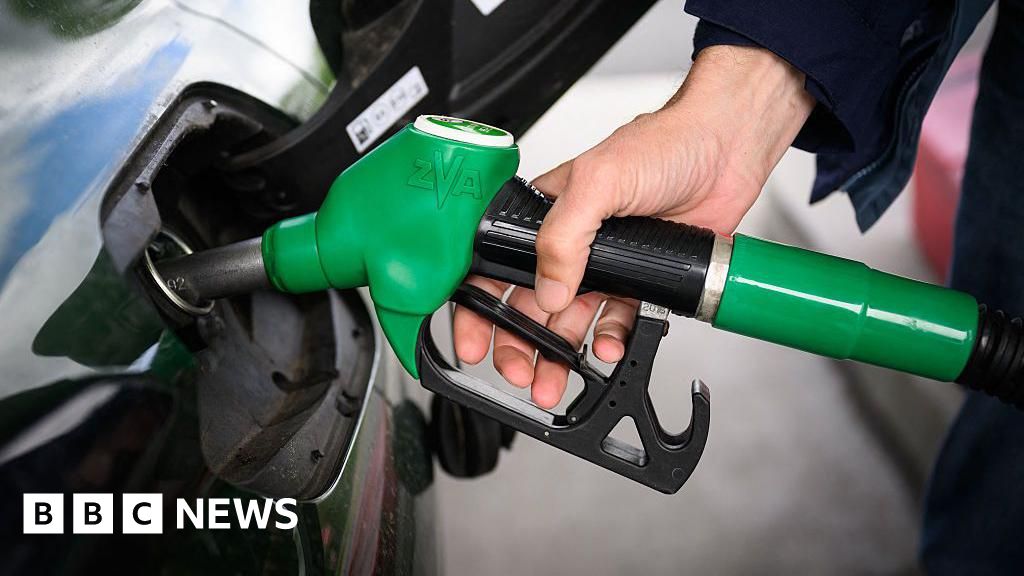
While the OPEC+ nations have acknowledged the immense costs and logistical hurdles in restoring damaged facilities, they continue to press for increased oil output—initially agreed upon at a modest 206,000 barrels per day—hoping to keep global markets from tipping into chaos. However, the underlying issue remains Iran’s blockade of the Strait of Hormuz, which, even with increased production, cannot fully compensate for the disruptions caused by war and sabotage. The surging oil prices—up more than 50% year-to-date—have already driven energy costs sky-high in the UK, US, and beyond, inflating everyday expenses from fuel prices to heating bills, and fueling political debates. As energy costs tighten economic pressures on consumers and governments alike, the stakes are clear: this is more than a regional conflict; it’s a crisis with the potential to reshape international power dynamics.

As the world watches a specter of chaos unfold in the Persian Gulf, the question remains whether diplomacy can stem the tide of violence or if history will record this moment as the beginning of a new era of rivalry and resource conflict. The geopolitical chessboard is shifting rapidly, with each move echoing across continents: from the streets of London to the corridors of the United Nations, where the weight of history presses heavily. In a future yet unwritten, this struggle for control over energy routes and regional influence could determine the fate of nations, societies, and the global order—if it is not already too late to steer away from the precipice.

Oil soars to record monthly surge amid Iran tensions shaking markets

The recent escalation in Middle East tensions, triggered by the eruption of war involving Iran, has rapidly transformed financial landscapes worldwide. The international benchmark, Brent crude oil, has surged by a staggering 51% in March—the largest monthly increase on record—shattering previous historical peaks associated with significant geopolitical upheavals like the 1990 invasion of Kuwait. Analysts highlight that this escalation has undercut the fragile stability of global energy markets, especially as Iran all but sealed off the Strait of Hormuz, through which roughly 20% of the world’s oil passes, risking a supply disruption that could resonate for years. The consequences are evident: crude prices soared to over $119.50 a barrel during the month, compounding fears of inflationary spirals and global economic slowdown.

The chaos in oil markets has spilled over into broader financial sectors, pressing Wall Street into correction territory, with the Dow Jones industrial average dropping more than 10% from its peak—an ominous sign for investors worldwide. Despite a coordinated release of 400 million barrels from emergency reserves, oil prices refused to stabilize, reflecting deep concerns about persistent supply disruptions. Notably, US crude prices jumped 48%, marking their most aggressive monthly climb since the pandemic’s onset in 2020. Meanwhile, European markets echoed this turbulence; London’s FTSE 100 saw an 8% decline, wiping out months of gains and signaling a loss of confidence in the stability of economic recovery post-pandemic. Financial experts, including analysts at City Index, note that markets are increasingly discounting geopolitical risks rather than reacting to mere rhetoric, marking a clear shift in investor sentiment from optimism to caution.

This volatile backdrop underscores the geopolitical impact of decisions made by global powers. President Donald Trump and other leaders attempted to manipulate markets with rhetoric—initially claiming progress in negotiations with Iran—yet the escalation continued unabated. His declaration of a 10-day extension for Iran to reopen the Strait of Hormuz was met with immediate market repercussions, signaling a loss of control in managing energy prices, which shrinks the space for diplomatic maneuvering. Similarly, governments across Europe find themselves hamstrung; European bonds, including Italy’s two-year debt, plunged to their worst monthly performance since 2018. Economists like Modupe Adegbembo from Jefferies warn that declining fiscal resilience—exacerbated by higher borrowing costs—limits the scope for large-scale intervention. This intricate web of sovereign debt and geopolitical instability demonstrates how decisions in one corner of the world can ripple globally, destabilizing economies and societies that are still grappling with pandemic recoveries.

As markets tremble and policymakers grapple with mounting pressure, a narrative of profound change emerges—an unfolding chapter in the ongoing contest for influence and stability. The strategic decisions of major powers today will echo through the corridors of history, shaping the inescapable contours of the 21st century. The shifting tides in oil, gold, and sovereign debt markets serve as stark reminders: in this new era of global uncertainty, the outcome is far from decided. The weight of history presses down, and the world watches, tense and unyielding, as the first pages of a new geopolitical saga are written in the flames of conflict and the shadows of economic volatility.

Middle East Tensions: Iran Attacks US Bases Amid Oil Drop and Trump Peace Plan Revealed

Global Tensions Surge as Iran Dismisses US Ceasefire Attempts Amid Middle East Escalation

In a dramatic display of defiance, Iranian military spokesperson Lt. Col. Ebrahim Zolfaghari dismissed recent American efforts to broker peace in the ongoing Middle East crisis. During a prerecorded address aired on state television, Zolfaghari derided the US’s ceasefire negotiations as emblematic of American strategic failure, asserting that Washington is only negotiating with itself. His pointed declaration—“The one claiming to be a global superpower would have already gotten out of this mess if it could”—underscores Iran’s rejection of Washington’s recent diplomatic overtures, which included a 15-point ceasefire plan sent through Pakistan. Analysts note this exchange marks a pivotal moment: Washington’s diplomatic attempts seem to have little traction amid Tehran’s outright rejection, exacerbating an already volatile region.

This escalating rhetoric comes at a time when oil markets are reacting sharply. Following President Donald Trump’s claims that negotiations with Iran are progressing and that Tehran has committed to never acquire nuclear weapons, global markets exhibited sudden volatility. Early Wednesday, Brent crude oil plummeted nearly 6%, with trading at $98.30 per barrel, while the West Texas Intermediate fell 5% to $87.72. Asian markets responded with optimism; Tokyo’s Nikkei 225 rose 2.8%, KOSPI gained 3.1%, and other regional indices followed suit. This market bounce, however, belies the underlying tension—analysts from the International Crisis Group warn that these optimistic surges could be short-lived if diplomatic efforts continue to falter.

Amid the diplomatic deadlock, the military actions on both sides escalated dramatically. Iran’s Revolutionary Guards launched missile strikes targeting locations in Israel—including Tel Aviv and Kiryat Shmona—as well as US bases in Kuwait, Jordan, and Bahrain. Iranian state media reported these attacks, which came shortly after Iran’s authorities claimed responsibility for firing a projectile at the Bushehr nuclear power plant, an incident managed without damage but indicative of a widening conflict. In Lebanon, Israeli strikes continued to inflict significant humanitarian toll—killing over a thousand civilians and displacing more than a million—while Iran’s alliances in the region, notably Hezbollah, remain poised to expand hostilities further. The U.N. reports that Iran’s military campaign has resulted in the deaths of approximately 1,500 Iranians, adding more fuel to the regional inferno.

On another front, American troop deployment remains on high alert. President Trump reportedly approved the movement of over 1,000 soldiers from the elite 82nd Airborne Division into the Middle East to bolster US presence, undermining earlier claims of a peace process. Meanwhile, Iran’s response to this increased military presence has been hostile, with fears that Iran might resort to mining the Gulf or seizing more strategic assets, threatening global energy supplies. As the war’s stakes extend beyond borders, international organizations such as the WTO issue warnings about the impending global food crisis. The agency’s deputy director general, Jean-Marie Paugam, has highlighted that the closure of the Strait of Hormuz by Iran—a critical route for nearly a third of the world’s fertiliser supplies—has already begun affecting food security, particularly in West and North Africa. Paugam warns of a subsequent reduction in harvests and rising food prices, prognosticating a devastating impact on world agriculture in the coming years.

This turbulent convergence of geopolitics, military confrontation, and economic upheaval underscores a profound chapter in the unfolding history of the 21st century. As historians and analysts observe, decisions made today will resonate across generations, shaping the geopolitical landscape with consequential weight. The region’s fragile stability hangs in the balance; with each side entrenched in their resolve and outside powers inching closer to escalation, the world watches as the pages of history continue to turn—an epoch defined by conflict, diplomacy, and the unpredictable march of fate. The next move remains uncertain, but its consequences are bound to echo through the annals of history, reminding future generations that in the theater of nations, every act carries the weight of eternity.

BlackRock warns $150 oil could spark global recession—youth watchdogs should pay attention

Recent remarks by Larry Fink, CEO of BlackRock, serve as a stark reminder of the fragile equilibrium shaping the world economy. Fink warns that if oil prices remain elevated over an extended period, the economic landscape could face profound repercussions. In an era where energy costs are intertwined with geopolitical stability, this statement underscores the precarious balance between resource scarcity, global inflation, and economic growth. As nations grapple with the aftermath of recent conflicts and geopolitical shifts, the potential for prolonged high oil prices threatens to exacerbate inflationary pressures and undermine recovery efforts worldwide.

High oil prices are not merely a matter of consumer inconvenience but hold significant geopolitical implications. Historically, sustained energy price surges have fueled inflation in advanced economies while destabilizing emerging markets. Analysts from the International Monetary Fund and World Bank have warned that escalated energy costs can lead to increased social unrest, currency devaluations, and economic contractions—especially in nations heavily dependent on energy imports. Meanwhile, OPEC and other oil-producing coalitions continue to balance between maintaining control over supply and responding to global calls for increased production, often leading to unpredictable market volatility.

The geopolitical impact extends beyond economic spheres; it influences diplomatic relations and regional security. Recent moves by major producers and consumers indicate a shifting landscape, where access to reliable energy sources becomes synonymous with national security. Expert analysts emphasize that decisions made today regarding energy policies could set the tone for decades to come, determining which nations emerge resilient and which face profound instability. For instance, nations pursuing aggressive diversification strategies might forge new alliances and invest heavily in alternative energy, whereas others may double down on traditional oil dependencies, risking further geopolitical rifts. This tug-of-war underscores the critical importance of mindful policymaking amid international tensions.

The potential consequences of prolonged high oil prices are not confined to economic metrics alone. Historically, energy price shocks have led to social upheaval, with protests and unrest erupting in vulnerable societies. International organizations, such as the United Nations and regional security alliances, are closely watching these developments, aware that economic hardship often fuels extremism and instability. As nations navigate these turbulent waters, they face the urgent task of balancing energy needs with strategic resilience. The decisions made in the coming months will determine whether societies can endure or succumb to the mounting pressures—restoring stability or plunging into unforeseen chaos.

As the global powers converge and diverge on energy policies, the weight of history presses down with relentless force. The corridors of power are watching, awaiting the next move that will shape the course of nations. The dramatic unfolding of events reminds us that in the theater of geopolitics, energy is more than just fuel—it’s a key to survival, influence, and the future itself. The world stands at a pivotal juncture, where yesterday’s choices become today’s consequences, and the outcome remains uncertain, yet undeniably critical, in the grand narrative of history.

Middle East Tensions: Trump Signals De-escalation as US Eases Iran Oil Sanctions; Israel Strikes Back

Middle East Tensions Escalate as Regional Power Dynamics Shift

In a rapidly unfolding geopolitical crisis, Saudi Arabia has publicly condemned Israel‘s military strikes on Syrian military camps, branding them as “aggression” and calling upon the international community for urgent intervention. These developments point to a dangerous escalation in a region already teetering on the brink of prolonged conflict. As Turkey joins in decrying the attacks as “a dangerous escalation,” the stakes for regional stability and global security remain critically high, with key players entangled in a web of sectarian tensions, military moves, and diplomatic fissures.

Israel’s military has justified its recent strikes in southern Syria as a response to hostile activities against the Druze community in Sweida province, promising to continue operations aimed at protecting minority groups. Yet, this approach only deepens regional instability, provoking outrage from neighboring nations. Syria, meanwhile, has condemned the Israeli intervention as a blatant violation of sovereignty, framing it as “flimsy pretexts and fabricated excuses.” These rhetoric exchanges highlight the fragile state of Middle Eastern diplomacy, where war and mitigation remain perilously intertwined. Historians warn that such military confrontations risk re-igniting long-standing sectarian and territorial disputes, with profound repercussions for international law and sovereignty norms.

Meanwhile, the broader geopolitical landscape intensifies with Iran’s pursuit of retaliatory military actions and diplomatic maneuvers. Iran’s Supreme Leader, Mojtaba Khamenei, stated that Tehran has inflicted a “dizzying blow” on its enemies, prompting Israel to retaliate with strikes against “regime targets” in Tehran early Saturday. Iran’s recent launches of drone and missile attacks towards Saudi Arabia and Israel mark a worrying escalation in the region’s proxy conflicts. The threatened global repercussions are already palpable, as the US considers winding down its military engagement in the Middle East, a move announced by President Donald Trump. This shift raises questions about the trajectory of international influence—whether a true de-escalation or merely a pause before darker days ahead.

The nuclear ambitions and missile capabilities of Iran continue to pose significant threats to maritime trade routes, notably the Strait of Hormuz. Iran has reportedly helped Japan secure vital shipping lanes, emphasizing its strategic importance in global energy markets. Concurrently, Iran’s firing of ballistic missiles at Diego Garcia, a key US-UK military installation in the Indian Ocean, indicates Tehran’s willingness to project power far beyond the Middle East. Such acts compound international fears of a wider conflagration involving great powers and their allies, further destabilizing an already volatile region. These developments, observed keenly by analysts like those at the UN Security Council and geopolitical think tanks, underscore how decisions made on the ground ripple outward, threatening global economic stability and peace.

As the Middle East’s chaos unfolds amid accusations of “flagrant violations” and threats from Iran’s military spokesperson against “recreational and tourist sites” worldwide, history warns of a cycle of violence with devastating consequences. The region’s most powerful nations face a pivotal moment: either defuse tensions through genuine diplomacy or plunge into a protracted conflict whose echoes will unfold across decades. The unfolding story is a stark reminder that in a world of interconnected nations, every military strike, diplomatic rebuff, or policy shift carries the weight of history’s judgment—an enduring testament to the perilous dance of power, faith, and destiny.

Social Media Auto Publish Powered By : XYZScripts.com