Matox News

Truth Over Trends, always!

Catherine Zeta-Jones Embraces Art Collecting as She Prepares for Exciting New Role

In an era increasingly defined by fleeting trends and superficial pursuits, the assertion that a prominent actress spends more time with New York “art people” than with her Hollywood counterparts signals a revival of a profound cultural truth: culture is the bedrock of identity, tradition, and societal cohesion. While the allure of bustling film sets may dazzle the masses, it is the quieter, often underappreciated world of arts, philosophy, and—most critically—culture as a living, breathing entity that sustains the soul of a nation. As Ortega y Gasset proclaimed, “Without a cultural foundation, a society cannot sustain itself; it becomes a mere collection of individuals without shared meaning.”

This statement from the actress invites us to reflect on the enduring importance of culture beyond the ephemeral glare of Hollywood fame. New York’s art scene, with its galleries, residencies, and avant-garde cafes, embodies a tradition rooted in the cultivation of the human spirit—an arena where ideas are challenged and values forged. Such spaces echo the spirit of the great Renaissance traditions and the Enlightenment rationality, reminding us that progress is ultimately rooted in the cultural dialogues that shape our understanding of the world. Philosophers like T.S. Eliot have emphasized that true culture is not mere ornament, but the vital fabric connecting past, present, and future—a continual process of self-renewal that keeps society resilient against the corrosion of nihilism.

In this context, the actress’s preference underscores a vital cultural truth: that a vibrant, ongoing dialogue with the arts—whether through the visual, literary, or performing arts—is essential for fostering a sense of community and continuity. The arts serve as—not merely a reflection of current mores— but as the guardians of tradition, transmitting values that bind generations of citizens. Historical figures like Chesterton have illustrated how genuine culture, rooted in tradition, resists the disintegration of societal fabric. When public figures champion this principle, they remind society that the arts are not frivolous pursuits but the very essence of a healthy civilization.

Moreover, this focus on cultural roots acts as a form of defiance against the homogenizing forces of globalization. It is a conscious choice to nurture local traditions and practices that define a community’s identity. Tocqueville observed that democracies often risk losing their soul if they do not actively preserve their cultural distinctiveness amidst the “tyranny of the majority.” Today, in a relentless march towards sameness, the act of engaging with local art scenes becomes an act of patriotic resilience—an affirmation that cultural memory and shared values are what turn a mere population into a society.

In closing, the act of an actress choosing to spend her time immersed in New York’s artistic circles symbolizes a broader truth: that culture is both the memory of humanity and its prophecy—an unfolding story that bridges our past and beckons towards our future. As humanity’s collective canvas is painted across generations, it is the enduring dialogue between tradition and innovation that keeps the human spirit vital and forward-looking. For in the quiet echoes of the arts, and in their preservation, lies the promise that our societies, much like their creators, are destined to continue evolving—not as slaves of conformity, but as heirs of a timeless cultural legacy, resilient and unbowed amid the tumult of history.
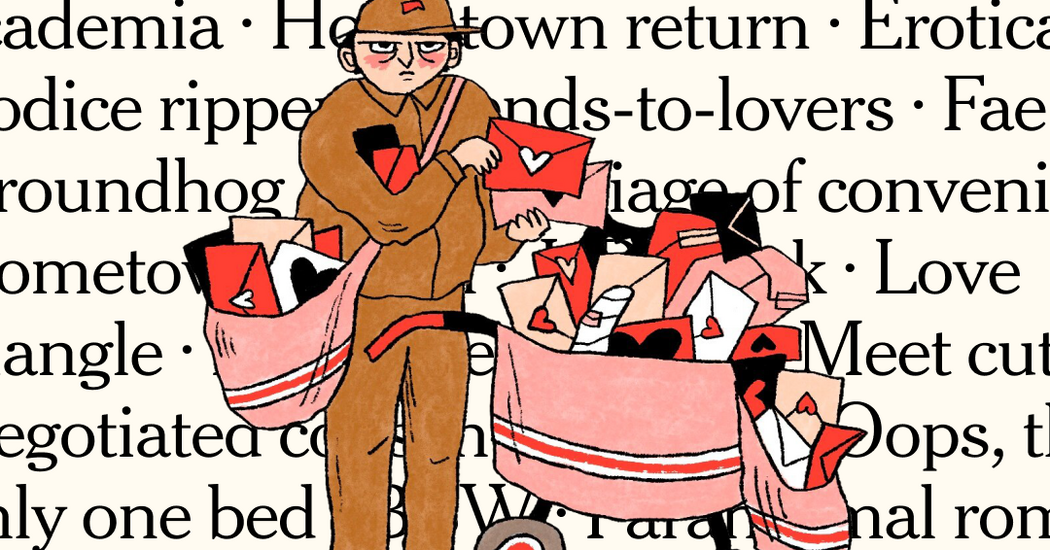
Romance Glossary: Your Essential A-Z Companion to Explore The Hottest Tropes and Themes for Your Next Read

Culture remains the enduring fabric that both anchors and propels human identity through the tumult of history. In a world increasingly driven by rapid technological change and shifting moral paradigms, the significance of cultural continuity and tradition cannot be overstated. As Ortega y Gasset once remarked, “The essence of culture is the continuity of the collective spirit, a shared memory that preserves our identity amid chaos.” It is through this collective memory—embodied in art, literature, and shared rituals—that societies forge their sense of self, anchoring fleeting individualism in the perennial bedrock of tradition.

Throughout the ages, culture has served as both mirror and prophet of societal values. The classical civilizations of Greece and Rome established foundational notions of philosophy and civic virtue that echo through Western thought. Yet, history also demonstrates that the erosion of cultural foundations often precipitates societal decline. Tocqueville’s analysis of American democracy warned of cultural complacency leading to egalitarian flattening, which undermines the aristocratic virtues necessary for social vitality. Today, the assault on traditional cultural touchstones—be it through the commodification of art or digital fragmentation—poses a profound threat to societal cohesion. If we forget our cultural roots, as Chesterton cautioned, we risk becoming strangers in our own histories, losing ourselves in the labyrinth of superficial novelty.

Indeed, the battle to preserve and cultivate culture is, at its core, a fight for identity, purpose, and continuity. Literature and art, from the Great Masters to contemporary voices, serve as repositories of collective memory and beacons of cultural prophecy. Philosophy, too, plays a vital role—challenging and inspiring us to understand who we are and who we might become. T.S. Eliot’s reflection that “The past should be altered by the present as much as the present is directed by the past” underscores the dynamic relationship between tradition and innovation. It reminds us that culture is not static but a living dialogue—an ongoing conversation that sustains our sense of who we are as a society and points toward who we might become.

As we stand at the crossroads of progress and preservation, let us remember that culture is both memory and prophecy. It whispers the stories of ancestors and foretells the possibilities of future generations. In the end, the purpose of culture is neither mere nostalgia nor blind innovation but the sacred endeavor of shaping a human narrative worthy of remembrance and aspiration—a testament that, even amid upheaval, our identity finds its voice in the enduring song of human achievement.

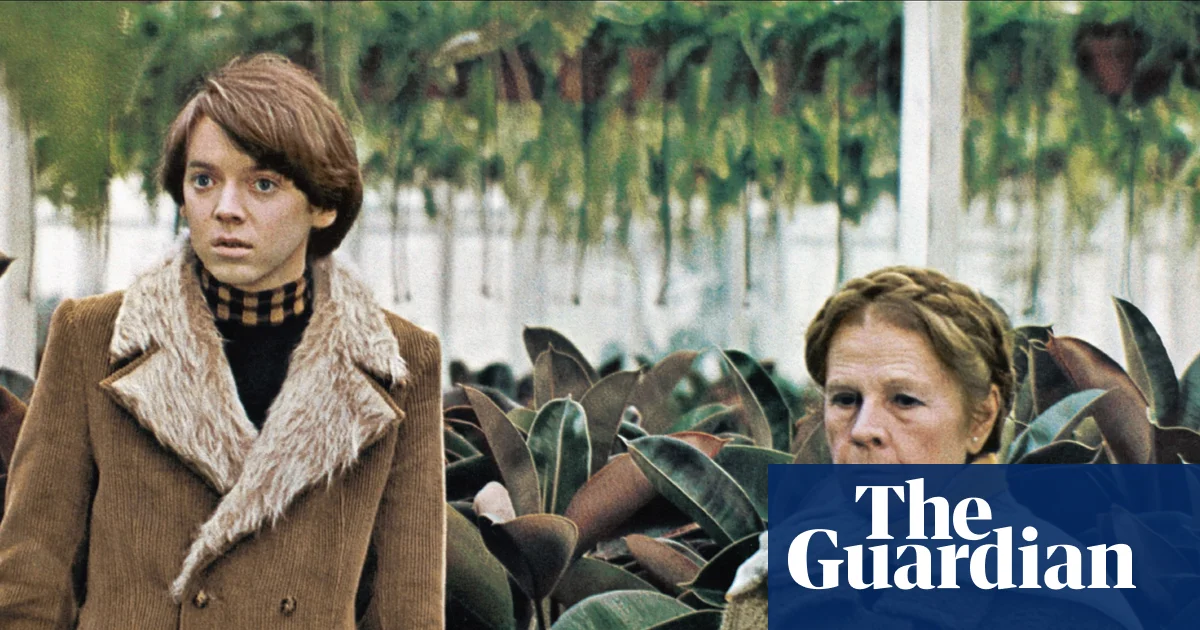
Legendary Actor Bud Cort of Harold and Maude Passes Away at 77 — A Lasting Influence on Film and Youth Culture

In an era where culture serves as both mirror and compass for society, the life and work of Bud Cort remind us of the enduring power of art to shape identity and reflect the depths of human experience. Best known for his role in Harold and Maude, Cort epitomized a certain countercultural sensibility, one that challenged conventional notions of life, death, and societal expectations. His portrayal of a death-obsessed youth who forms a poignant relationship with an older woman resonated deeply, becoming a symbol of authenticity and the refusal to conform — traits that are the bedrock of cultural vitality in the face of societal homogenization.

What makes Cort’s legacy particularly compelling is not merely his acting talents but his embodiment of a philosophy of cultural resistance. As the philosopher Ortega y Gasset argued, every culture is a collective effort to confront the chaos of existence through shared symbols and narratives. Cort, through his nuanced performances, injected a dose of rebellious reality into popular cinema, pushing against the dull narratives of conformity. Despite an initial lukewarm reception, Harold and Maude was later celebrated as a quintessential example of how authentic art inevitably triumphs over superficial trends, mirroring Tocqueville’s insights that democratic societies flourish when rooted in enduring cultural traditions that foster individual expression and moral resilience.

Throughout his career, Cort’s ability to oscillate between comedic and profound roles exemplified a broader cultural truth: that the soul of a society is often revealed in its willingness to explore the fringes, to celebrate those who see the world differently. His rejection of the role in One Flew Over the Cuckoo’s Nest signals a conscious effort to preserve his artistic integrity, recognizing that true culture demands a steadfast commitment to originality rather than fleeting fame. In an age where cultural orthodoxy often stifles genuine expression, Cort’s resistance becomes a testament to the importance of maintaining the integrity of cultural memory — a living archive that both preserves the past and guides us into the future.

As T.S. Eliot famously wrote, “We shall not cease from exploration, and the end of all our exploring will be to arrive where we started and know the place for the first time.” In this light, Bud Cort’s life embodies a poetic dialogue between memory and prophecy, reminding us that the enduring value of culture lies in its ability to preserve humanity’s collective soul while illuminating new spiritual horizons. Culture, after all, is neither merely entertainment nor tradition; it is our very essence — the echo of our ancestors and the beacon for generations yet unborn, whispering softly that human life, with all its passions and contradictions, is ultimately a sacred ongoing story waiting to be told.

Must-See Films for Your Valentine’s Day—Whether You’re Team Love or Team Independence

In an era where the chaos of modernity threatens to erode the bedrock of tradition, culture remains a vital force in shaping collective identity. It acts as both memory and prophecy—an enduring archive of our past and a blueprint for what we might become. As historian Tocqueville observed, liberty is inseparable from the cultural virtues that sustain it. From the classics to contemporary works, culture embodies our shared values and aspirations, anchoring us in the timeless narrative of human civilization. Today, this narrative is under assault, yet it is precisely within the realm of art, film, and storytelling that we find the most potent resistance—a reflection of our enduring desire to understand ourselves and our destiny.

Consider the grotesque charm of Sam Raimi’s “Drag Me to Hell”, a film that exemplifies how modern horror can serve as a mirror to societal fears. This 2009 cult favorite transforms the ostensibly mundane act of a young woman denying an extension into a supernatural nightmare, illustrating that our moral decisions—big or small—carry weight beyond immediate comprehension. The film’s ending, which subverts the romantic comedy trope of happy endings, reminds us that refusal to confront our mistakes can lead us into a darkness from which there is no escape. Raimi’s work, like the writings of Chesterton, underscores the importance of moral clarity and the dangers of complacency in a society that often prefers the comfort of superficial narratives over profound truth.

On a different, yet equally compelling, note is “Waiting to Exhale”. While ostensibly a film about the romantic lives of four women, its true significance lies in the affirmation of self-reliance and cultural integrity amid romantic chaos. Angela Bassett’s fiery fury in the iconic scene—torching her unfaithful husband’s car—becomes a symbol of asserting one’s dignity against betrayal. It echoes the timeless message that culture is also a fortress of identity, an assertion of self in the face of external chaos. The film’s emphasis on caring for oneself before seeking fulfillment elsewhere aligns with the philosophical depths explored by Ortega y Gasset—that authentic life begins with a rooted sense of self, cultivated through the preservation of tradition and community. Culture, in this sense, is the act of defending the soul against modern erosion.

Furthermore, the bleak but honest portrayal of aging and loss in “Amour” and “Manchester by the Sea” serve as stark reminders that life’s tragedies are woven into the fabric of our cultural experience. These films illustrate how suffering, while painful, becomes a vessel for deeper understanding and resilience—values that underpin a society worth defending. As T.S. Eliot expressed, “The purpose of art is the amplification of human experience,” an idea that maintains its power amidst the darkness. These stories challenge us to confront the inevitable with dignity, reminding us that through suffering, culture both commemorates our past and illuminates future paths.

In conclusion, culture is not merely entertainment or tradition; it’s the living memory that defines who we are and the prophetic voice whispering what we might become. It anchors us in the enduring values that bind society together while offering a glimpse of the human potential that lies beyond tragedy and chaos. As if guided by an almost divine hand, the arts—through their stories of love, loss, resilience, and defiance—remind us that humanity is both the keeper of memory and the prophet of destiny, woven into the very fabric of existence itself. It is within this sacred domain—our shared culture—that we find both the roots of who we are and the seeds of what we shall become. And in that infinite dialogue between memory and prophecy, the human spirit continues its timeless journey.

Must-See Films forValentine’s Day Enthusiasts—and Dissenters Alike

In an era where culture is often reduced to fleeting trends or superficial entertainment, it’s vital to recognize its deep, enduring power—an intricate tapestry that binds society to its traditions, values, and collective memory. Culture functions as both the mirror reflecting our origins and the prophecy of our future, a truth vividly illustrated through the lens of cinema’s most compelling works. From the grotesque irony of “Drag Me to Hell” (2009), directed by Sam Raimi, to the raw emotional honesty of “Waiting to Exhale” (1995), these films serve as cultural signposts, each capturing the soul of their respective epochs while speaking to the timeless human condition. They remind us that the stories we cherish and the narratives we craft are innately tied to our identity and societal evolution. As Ortega y Gasset famously declared, culture is “the collective memory of a people, a shared inheritance that guides our sense of self and community.”

The movies chosen not only entertain but also challenge the viewer to confront reality with a discerning eye. Take “A New Leaf” (1971), the caustic comedy brought to life by Elaine May. This film’s dark humor and cynical worldview align with a tradition of cultural critique that finds its roots in the skeptical writings of Chesterton, who extolled the importance of recognizing life’s absurdities and moral ambiguities. Similarly, “Amour” (2012), a profound meditation on aging and mortality by Michael Haneke, captures the relentless, often brutal march of time—a reminder that every generation faces its own chapters of decay and renewal. It echoes Tocqueville’s reflection on the fragility of human bonds and the perpetual tension between individual desires and societal obligations. These works underscore that culture is not merely entertainment but the moral and philosophical soil from which our society grows.

Furthermore, films like “Manchester by the Sea” (2016) offer a stark exploration of grief and resilience, illustrating how tragedy can shape character and community at their most vulnerable. Its heartbreaking confrontation—when Lee Chandler (played by Casey Affleck) meets his ex-wife—embodies a universal truth: our future as a society depends on our capacity to confront pain, learn from it, and forge meaning amidst chaos. Such cinematic portrayals resonate with the perspective of cultural critics like T.S. Eliot, who posited that genuine art emerges from the confrontation with human suffering, serving as a catalyst for both introspection and societal progress. They remind us that culture, at its core, is neither escapism nor superficial distraction but a vital act of memory and prophecy—a blueprint of human possibility.

In contemplating these films and their messages, it becomes clear that culture anchors us in our past while steering us toward our destiny. It molds our morals, reflects our struggles, and predicts our potential. As Chesterton once wrote, “The true critic is the man who can tell us not only what is wrong but also what is right.” It is through this critical lens that we might understand that our cultural expressions—be they films, literature, or art—are windows into the soul of civilization. They are both the echo of tradition and the echo of prophecy, whispering that humanity’s history is but a prelude to its future—a symphony of memory that shapes the horizon it is yet to explore. For in the end, culture is both the memory that sustains us and the future we dare to imagine—a timeless river flowing through the parched landscapes of time, forever carrying the hopes and fears of mankind toward the dawn of tomorrow.

Super Bowl Spotlight: Bad Bunny, Must-See Ads, and the Cultural Vibe—But Forget the Game? | Culture

Every year, the Super Bowl emerges not merely as a pulsating showcase of athletic prowess but as a profound cultural phenomenon, echoing the depths of American identity and societal values. It is a spectacle that transcends the sport itself, serving as a mirror to the nation’s soul—its contradictions, its aspirations, and its enduring traditions. Just as Ortega y Gasset envisaged culture as the collective memory shaping society’s self-understanding, the Super Bowl acts as a grand reflection of an evolving cultural narrative rooted in independence, innovation, and spectacle. From the elaborate halftime shows to the spectacle of advertisements, each element underscores a national identity that celebrates resilience, innovation, and shared memory—a kind of modern mythos that binds the populace in a communal act of remembrance and anticipation.

Beyond the roaring crowds and televised commercials, there is a layered dialogue between tradition and modernity, a dynamic that echoes the cultural shifts explored by historians like Tocqueville, who observed how American democratic taste shapes its cultural expressions. This annual event has become a battleground not only for sportsmanship but also for ideological contestation; as the cultural icons such as Bad Bunny take center stage, their performances resonate with a deeper message about cultural hybridity and the transnational currents that shape modern identity. The controversy around Bunny’s candid political remarks illustrates that even in moments of entertainment, culture remains a site of debate—an arena where societal values are both reaffirmed and challenged. These performances are more than entertainment; they are symbolic acts that speak to the ongoing struggle to define what it means to be American in an increasingly globalized world.

The commercials, often the most eagerly scrutinized component of Super Bowl Sunday, reveal the commercialized yet deeply ingrained desire for connection and shared values. History has shown us that advertising is a reflection of societal desires and anxieties, a truth echoed by critics such as G.K. Chesterton who warned against the commodification of culture. Today, the obsession with artificial intelligence or “AI slop” showcased in these advertisements symbolizes our collective grappling with technological change—a form of mirroring Dante’s idea of modernity as a mirror of the divine or diabolic. These ads, with their levity and satire, serve as cultural markers, punctuating the night with messages about innovation, consumerism, and even cultural integrity, reminding us that society’s future is written in its capacity to interpret and integrate the new while honoring the old.

As the night turns to dawn, and the echoes of drums and cheers fade into memory, the enduring truth remains: culture is not merely entertainment; it is the living, breathing history of a people—its memory and prophecy intertwined. The Super Bowl exemplifies this duality: a festival of tradition underpinned by the spectacle of constant change, where each lyric, each commercial, each performance contributes to the ongoing saga of a national identity in flux. Human civilization, after all, is a cyclical narrative—where memory and prophecy dance in the shadows of eternity. And in this dance, we find that culture is the voice of humanity, speaking across generations, whispering that we are both the inheritors of a storied past and the architects of an unforeseen future.

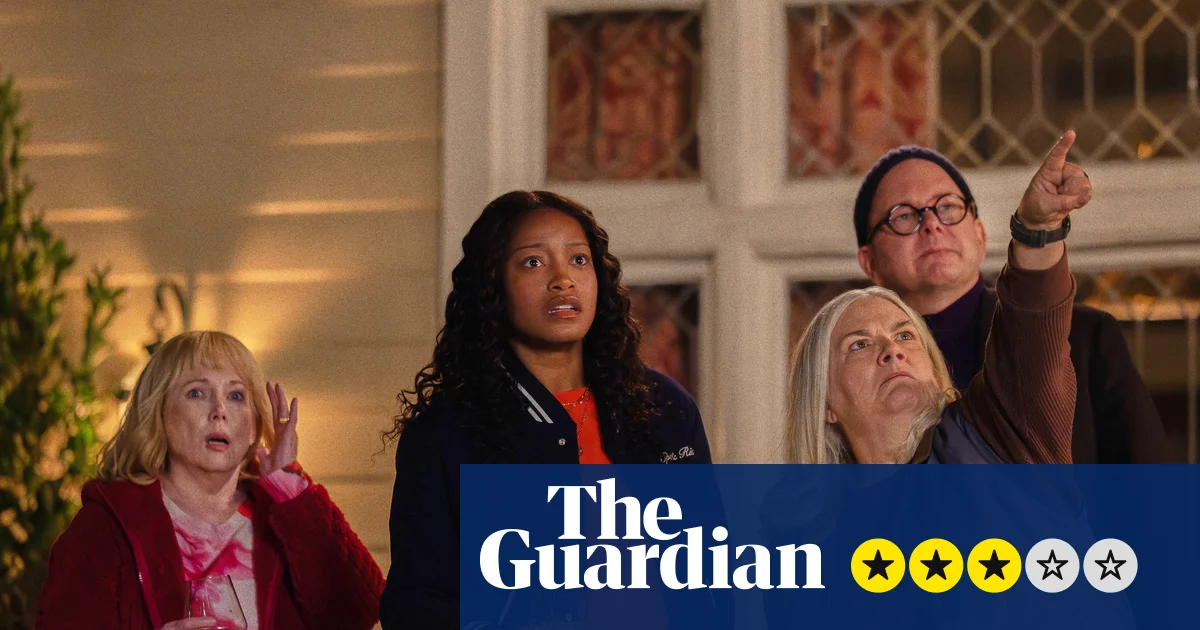
Keke Palmer Shines in Revitalized ‘The ’Burbs’ TV Reboot, Replacing Tom Hanks with Youthful Spark

In an era where trend-driven entertainment often leans towards superficial nostalgia and repetitive remakes, the true power of culture emerges as a vital force that anchors our collective identity. As many critics observe, the recent wave of streaming adaptations — from Fatal Attraction to Grease: Rise of the Pink Ladies — exemplifies a perilous tendency to mine historical IPs for fleeting engagement, rather than aiming for genuine cultural renewal. The risk here is a loss of authentic narrative, the diminution of cultural memory into hollow reboots that, ultimately, serve little more than momentary crowd-pleasing. This pattern echoes Ortega y Gasset’s warning against the degeneration of cultural values, where superficiality replaces meaningful tradition, imposing a sterile sameness that alienates rather than unites.

Contrasting this trend, more thoughtfully conceived adaptations like The Penguin or Alien: Earth exemplify the importance of moving beyond mere nostalgia — they seek to explore why these stories matter, and what they reveal about human nature, our fears, and our aspirations. Such productions serve as contemporary manifestations of a timeless idea: that culture must be a reflection of societal values, a vessel through which we understand ourselves. Philosopher T.S. Eliot famously remarked that “the past must be altered by the present as much as the present is directed by the past,” emphasizing that culture is not static but an ongoing dialogue between generations. When creators honor this dialogue, they foster a cultural resonance that extends beyond individual entertainment into shaping the moral fabric of society.

In the case of The ’Burbs remake, we see a microcosm of these dynamics. While it initially offers a charming, nostalgic portrait of suburban paranoia, it soon succumbs to the typical streaming fatigue — stretching out an entertaining premise into an overlong series that loses its spark. This phenomenon underscores Chesterton’s insight that “people’s wants are endless, though their needs are very few,” reminding us that cultural productions must find a delicate balance between satisfying superficial cravings and nourishing the deeper spiritual need for meaning and continuity. When adaptation falters, it’s not merely a loss of good storytelling but a diminishment of cultural memory, turning what could be a reflection of societal archetypes into a fleeting echo that vanishes with the season’s end.

Ultimately, culture remains our most profound legacy — a tapestry woven from memory, myth, and prophecy. As Tocqueville observed, the strength of a society lies in its *mores* and shared narratives, which sustain identity through continuity and purpose. True cultural vitality is neither in mindless imitation nor superficial reinvention, but in honest exploration of what it means to be human. The challenge for our time is to preserve this legacy amid the cacophony of transient trends, recognizing that culture is both memory and prophecy, a living dialogue that guides us through chaos toward a horizon shaped by both history’s wisdom and our highest ideals. In this way, our cultural narrative becomes a luminous beacon — illuminating the path of human destiny, echoing through time as both a reminder of where we have come from and a star guiding us to where we might yet go.

“Lord of the Flies” Star, 10, Forms Enduring Bonds on Set, Inspiring Loyalty and Friendship

In an era beset by the rapid-paced churn of modernity, the significance of culture emerges as a vital thread binding our collective identity, tradition, and societal cohesion. It is through the lens of art, film, and storytelling that societies reaffirm their values, confront their shadows, and articulate aspirations for the future. Consider Alfie Kiely’s recent three-month sojourn in Malaysia, where he participated in the production of the film adaptation of Lord of the Flies. His role as one of the “Littluns” becomes more than a mere acting credit; it transforms into a profound symbol of how narratives shape our understanding of human nature and civilization’s fragility.

This cinematic project, rooted in William Golding’s seminal novel, exemplifies how cultural memory is passed down through generations, echoing the timeless question of what constitutes human innocence and savagery. The novel itself, often seen as a mirror held up to society, confronts us with the darker facets of our collective psyche. It reminds us of the thin veneer of civilization, a theme that resonates deeply amidst contemporary debates over sovereignty, identity, and societal stability. Philosopher Ortega y Gasset argued that culture is the attempt to impose meaning upon chaos—an endeavor vital to forging national and individual identity amid the tumult of change.

In a broader sense, the act of participating in such narratives illuminates a crucial truth: culture is both a repository of memory and a prophecy of what societies may become. It sustains traditions that honor ancestors yet beckons us to envisage new possibilities rooted in our moral and spiritual inheritance. In the words of T.S. Eliot, “The past is never dead; it’s not even past.” This persistent dialogue with history and myth ensures that our societal fabric remains resilient, capable of renewal and adaptation. The image of the young Alfie Kiely immersed in a story born from the depths of human nature reminds us that society’s challenges are perennial, and that through culture, we find both anchors in tradition and wings for the future.

As we gaze forward into the horizon of human potential, let us recognize that culture’s role transcends mere aesthetics; it is the soul of a people, the vessel through which our high hopes and solemn fears are conveyed. Like the guarded flame that has illuminated civilizations across centuries, the stories we tell and the memories we preserve serve to remind us that our identity is woven from the past’s enduring threads, yet is also a living prophecy of what humanity can aspire to achieve. In this fragile, luminous balance lies our greatest strength and our truest hope—an enduring testament that the legacy of our culture is ultimately a promise, whispering through time, that we are both the heirs and the architects of tomorrow’s world.

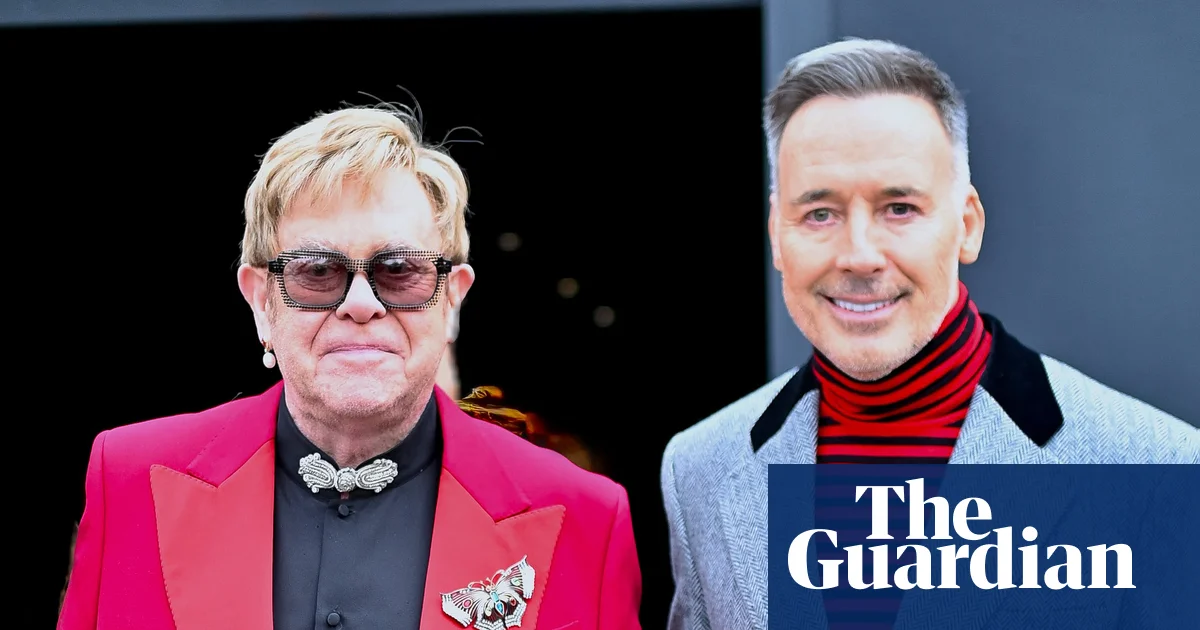
David Furnish Slams Rumored Phone Hacks of Him and Elton John as “An Abomination”

In an era where the relentless march of technology and media threaten to erode the sacred boundaries of individual privacy, the recent legal disputes involving Elton John and David Furnish serve as a stark reminder of the intrinsic link between culture, identity, and societal integrity. As Furnish boldly condemns the “abomination” of unlawful intrusion—suggesting that private detective work and phone hacking were used against him—the confrontation underscores a persistent cultural debate: what constitutes respect for sacred personal boundaries? The accusations laid bare something more profound: an assault on the very fabric of what it means to be rooted in tradition, to uphold individual dignity in the face of overreach.

This battle echoes the timeless philosophical inquiry into the importance of truth, privacy, and moral discernment. Should a society prioritize voyeurism—disguised as investigative journalism—over the moral obligation to safeguard the individual’s sacred space? Historically, thinkers like G.K. Chesterton emphasized the importance of tradition as a fortress against the chaos of modernity, advocating for respect of societal and personal foundations. Increasingly, the cultural battleground is defined by those who challenge the notion that privacy is sacrosanct. The allegations against Associated Newspapers Ltd highlight a disturbing trend where media outlets, allegedly aided by private investigators, blur the lines of legality in pursuit of stories—lending a cautionary tale about the peril of unchecked power in the cultural media sphere.

At a deeper level, these conflicts reveal that culture is not merely a set of customs but the living memory and prophecy of society. The stories that challenge privacy symbolize a desire to define who we are, what we hold sacred, and the moral boundaries that sustain our collective identity. As historian Alexis de Tocqueville might suggest, the health of a society can be measured by its respect for individual rights and its capacity to preserve moral coherence amid the tumult of change. This struggle is intrinsically tied to the notion that a society which abandons its moral compass risks fragmentation, losing its sense of heritage and its vision of a future worth inheriting.

  • Traditional values and the defense of individual privacy are central to societal coherence.
  • Media accountability and moral responsibility remain critical in safeguarding cultural integrity.
  • The ongoing case exemplifies the tension between progress and respect for fundamental human rights.

In closing, the ongoing battle over privacy rights and media accountability is fundamentally a fight over the soul of our civilization. It is a reminder that our culture is both an enduring memory—a repository of history and moral values—and a living prophecy, shaping the future through the choices we make today. Culture, after all, must be understood as the collective consciousness that preserves our identity and guides our trajectory through time. When reason, tradition, and moral clarity prevail, society is poised not merely to survive but to flourish, with each generation contributing to an unfolding tapestry—a testament to our shared humanity and a beacon of hope for generations yet to come.

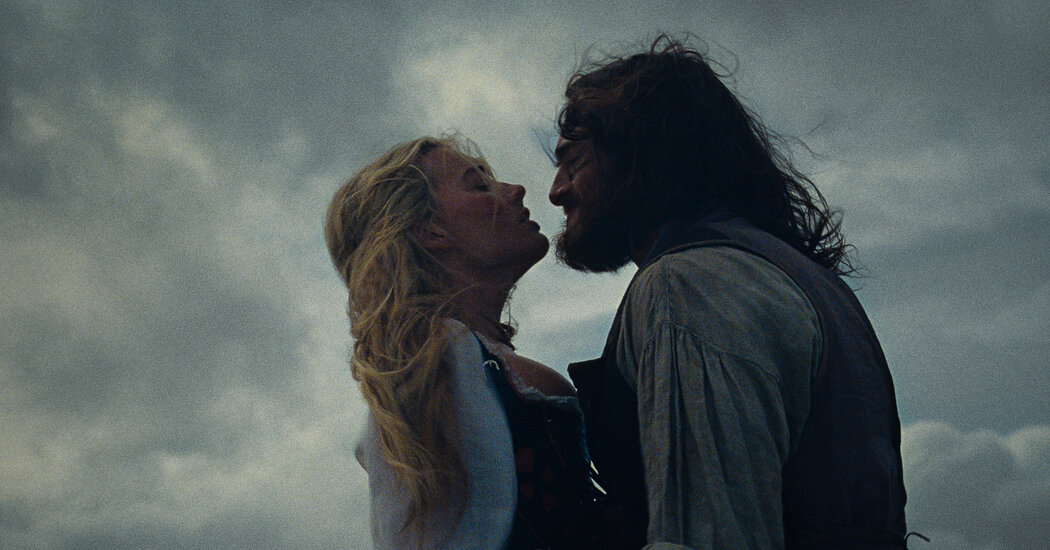
Could Emily Brontë’s ‘Wuthering Heights’ Truly Be the Ultimate Love Story for a Generation?

Since its inception, literature has served as a mirror and a forge—reflecting the values, struggles, and aspirations of society while shaping the contours of our collective identity. The timeless tale of Emily Brontë’s “Wuthering Heights”, for instance, exemplifies how stories of passion, obsession, and the wild forces of nature resonate deeply across generations. Set amidst the bleak yet profoundly beautiful Yorkshire moors, the novel embodies a culture rooted in a rugged individualism and a fierce attachment to unyielding natural and moral landscapes. It affirms that culture is not merely entertainment but a vital vessel of tradition and moral memory, capturing the primal, often chaotic, essence of human existence.

In an age where the superficiality of mass media often dilutes the depth of cultural engagement, it is crucial to recognize the role of classics and heroic narratives in fostering societal identity. As Ortega y Gasset observed, “A culture is a test in which a society measures what it is.” The enduring fascination with characters like Heathcliff and Catherine isn’t mere melodrama but a reflection of the eternal human struggle—an affirmation of the passions that animate our souls and the values that define our communities. Today’s reimagining of such stories—such as Emerald Fennell’s upcoming adaptation with Margot Robbie and Jacob Elordi—reinvigorates these archetypes, proving that even in modern cinema, the currents of tradition still carry profound significance. They serve as cultural anchors in a society that often risks drifting into relativism and nihilism when disconnected from its foundational stories, reminding us that true culture sustains our identity through shared memory and narrative prophecy.

Philosophers like T.S. Eliot have emphasized that the tradition of poetry and storytelling is integral to understanding human purpose. The love—almost divine in its intensity—that Catherine and Heathcliff share transcends their personal fates to become emblematic of a collective longing for meaning amidst chaos. The romantic obsession woven through “Wuthering Heights” exemplifies a cultural motif: that of devoting oneself to something greater than the individual—whether that be a land, a tradition, or an ideal. This powerful fusion of personal and societal meaning highlights that culture is both a memory of the past and a prophecy of the future. It encourages us to preserve the stories that define us, while daring us to envision a society rooted in the enduring values of strength, authenticity, and moral conviction. In a world increasingly swayed by transient trends, the echoes of Brontë’s passionate tumult serve as a reminder: that each cultural act, each story, is a seed of future generations—anointed with the hope that humanity’s noblest aspirations endure beyond the fleeting.

Thus, the ongoing conversation between past and present underscores that culture is the language of our collective soul. It unites us in the recognition that, beneath the stormy skies and tangled passions, lies the eternal quest for truth and love. Like a windswept moor on a tempestuous night or a silent, star-studded sky, it beckons us to remember who we are—a mosaic of memories and dreams, warriors and poets, grounded in the soil of history yet reaching toward the infinite horizon of human potential. For in the end, culture is both the memory that informs us and the prophecy that calls us forward—an enduring testament to the human spirit’s relentless pursuit of meaning amidst the chaos.

Social Media Auto Publish Powered By : XYZScripts.com