Matox News

Truth Over Trends, always!

Celebrating Raphael’s Brilliance: Three Masterpieces That Define Artistic Excellence

In the grand tapestry of:

  • Art history
  • Cultural identity
  • Societal innovation

the figure of Raphael once shone as brightly as those of his contemporaries Leonardo da Vinci and Michelangelo.

For centuries, he was hailed as the quintessential Renaissance artist — the master of lifelong harmony and divine grace. Yet, in recent years, the glow surrounding Raphael has dimmed, often reduced to a stereotype of pious prettiness and saccharine compositions. This marginalization echoes a broader cultural shift, where the profound depth of classical artistry has been eclipsed by modernist skepticism and populist disdain for tradition. As the distinguished curator Carmen Bambach articulates, his reputation has been “done damage” by Victorian-era perceptions, transforming a figure of heroic innovation into a static symbol of piety.

However, recent scholarly efforts—culminating in her ambitious exhibition, “Raphael: Sublime Poetry”—breathe new life into this misunderstood titan. Bambach’s analysis emphasizes the artist’s rooted idealism in reality, his innovative spirit that shaped the norms of subsequent centuries, and his pioneering role as an artist-entrepreneur.

The Renaissance, much like the Enlightenment or the Classical era, was a collision of tradition and innovation, the old and the new, echoing what Ortega y Gasset described as the need for a “culture of creators”. Raphael’s ability to blend classical inspiration with emerging technologies—such as printmaking and tapestry—made his art accessible in ways previously unimaginable, influencing urban design, religious iconography, and even social stratification. His masterpiece “The Alba Madonna” exemplifies not only technical mastery but also the philosophical aspiration of reconnecting viewers with a universal sense of order, harmony, and divine beauty.

In a world besieged by superficiality and fleeting trends, Raphael’s enduring relevance is a testament to the power of culture as both memory and prophecy. As T.S. Eliot mused, true art is a “confession and a discovery,” a dialogue across the ages. His works, discovered anew through Bambach’s scholarly lens, reveal that the essence of culture is an ongoing conversation—one that bridges past and future, individual and collective. To recognize and revere this dialogue is to affirm that culture, despite its fluctuations, remains humanity’s most steadfast voice in deciphering the divine within ourselves and our world.

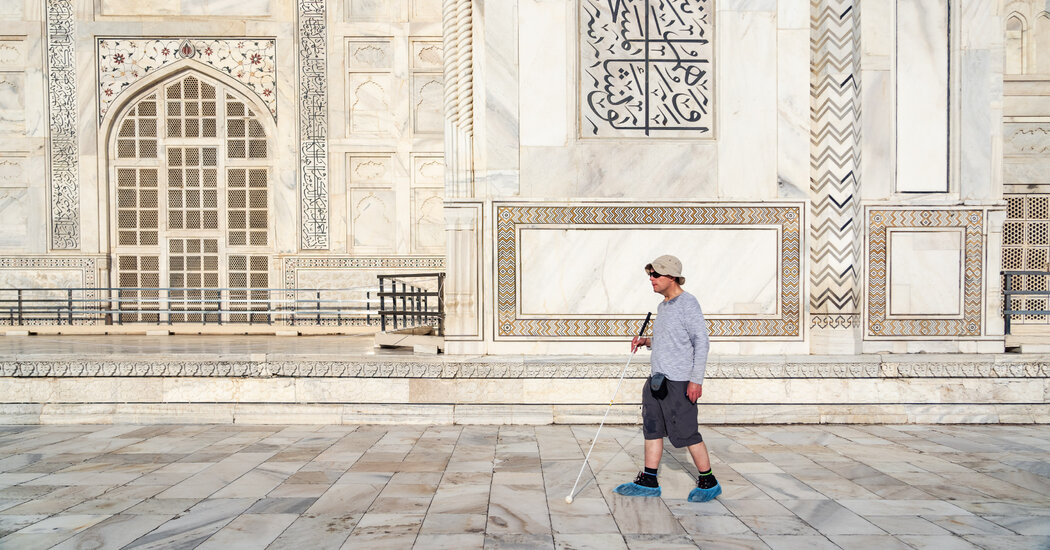
36 Hours in Shanghai: Explore the City’s Vibrant Spirit and Timeless Charm

In the bustling veins of Shanghai, where history and modernity intertwine like the delicate layers of a perfectly crafted xiao long bao, we witness a vivid tableau of cultural resilience. The city’s culinary mosaic, from the intricate artistry of dumpling artisans on West Jianguo Road to the vintage allure of Zhaojiabang Road’s Shanghainese cuisine, embodies a broader cultural narrative—one that champions tradition as the backbone of identity. As Ortega y Gasset once opined, “The spirit of a people is its memory,” and nowhere is this more apparent than here, where every dish and every storefront whispers stories of a collective past, yet pulses with the life of an ever-evolving society.

Yet, Shanghai’s approach to culture is no mere preservation; it is a proclamation of innovation rooted in tradition. The city’s fashion scene, exemplified by Label Del and Labelhood House, invites a reimagining of cultural motifs, translating the elegance of Tang Dynasty aesthetics into contemporary textile art. As Tocqueville observed in his analysis of democratic societies, the vitality of a people is measured by their capacity for creative synthesis—combining the old with the new, the artistic with the functional. Shanghai’s fashion and design districts are testament to this, serving as landmarks of a cultural renaissance that recognizes the importance of identity tied to a living tradition.

Moreover, the city’s embrace of holistic wellness through Traditional Chinese Medicine—such as the Tuina massage at Kang You Si Ji—embodies a nuanced understanding: that culture is as much about spiritual and physical harmony as it is about historical continuity. Chesterton’s thoughts on the “spiritual health” of a society resonate here, emphasizing that culture sustains a people’s sense of purpose and unity. This ancient practice, with roots over two millennia, underscores a universal human pursuit—to align body and soul, to find harmony in the rhythms of history and nature. It remains a vital counterpoint to the relentless pace of modern life, anchoring the city’s soul in age-old wisdom.

As evening falls, the cultural dialogue deepens. The Mi Shang Prada Rong Zhai offers an opulent interfacing of art and history, conjuring the cinematic sheen of Wong Kar-wai’s “In the Mood for Love”. Within its mirrored, gilded spaces, tea becomes a ritual—an act of deliberate remembrance, a glimpse into the poetry of everyday life. Here, society recognizes that culture is both memory and prophecy: a collective consciousness beckoning us toward unseen horizons, rooted in the elegance of the past but infused with the daring of innovation.

In seamlessly blending the traditional with the avant-garde—be it through the nostalgic ambiance of jazz-clad nightclubs or the avant-garde art exhibitions—Shanghai exemplifies an enduring truth: that culture is the living fabric of a society, weaving the stories of yesterday with the aspirations of tomorrow. As Eliot wrote, “our future depends on how well we remember,” and in Shanghai, this memory is a luminous beacon guiding society through the labyrinth of change. In the end, culture remains humanity’s most poetic legacy—a symphony of memory and prophecy echoing through the corridors of time, beckoning each of us to partake in its boundless, eternal dance.

Val Kilmer poised for inspiring comeback as AI brings him back to the big screen

In an era where technology and culture converge at an unprecedented pace, the boundaries of artistry and humanity are being reshaped by artificial intelligence. Val Kilmer, a revered name in Hollywood for his compelling performances and magnetic presence, is poised to be the latest cultural icon resurrected not by traditional means but through thepower of AI. This resurrection isn’t just about technological marvel; it embodies a profound reflection on the enduring power of culture as a vessel of memory and the prophecy of our collective future.

The film As Deep As the Grave exemplifies this merging of art, heritage, and innovation. Kilmer’s role as Father Fintan, a Native American spiritualist and Catholic priest, is steeped in symbolism—an echo of the historic interplay between indigenous heritage and spiritual vocation. As director Coerte Voorhees affirms, Kilmer’s casting was inspired not only by his personal advocacy for Native American rights but also by the cultural significance of the role itself. Here, the tech-driven recreation of Kilmer through AI is more than cinematic spectacle; it’s a dialogue with history, reaffirming that culture is both a mirror and a torch that illuminates the path forward. As Ortega y Gasset argued, culture is a ‘circumstances’ that shapes our identity—an intricate weave of memory, tradition, and societal consciousness.

Yet, this technological resurrection awakens complex debates—are we treading a new frontier or breaching a sacred boundary? The project’s support from Kilmer’s family underscores a respect for the actor’s own wishes, aligning with Chesterton’s notion that “art is the most beautiful of lies,” suggesting that even simulated life carries a fragment of truth rooted in human longing and memory. The endeavor also prompts us to reflect on Tocqueville’s insights into society’s relationship with innovation: progress is inevitable, but it must serve the preservation of core cultural values rather than erode them. In this context, AI’s role becomes a custodian of heritage, not its destroyer. It ensures that, amid rapid change, the flame of tradition persists, vibrant and unextinguished.

As we witness this bold fusion of past and future, it is clear that the current cultural moment is not merely about entertainment but about asserting a sense of belonging in a rapidly transforming world. The film’s basis—the true story of archaeologists working with the Navajo—serves as a poignant reminder that history is a collective inheritance. Just as T.S. Eliot saw tradition as “the memory of mankind,” our cultural institutions—whether art, film, or philosophy—are the scaffolding that grounds us amid the shifting sands of innovation. In a time when AI can craft the visage of a beloved icon, we are faced with a vital question: will this technological miracle ennoble the human spirit or dilute its authentic essence? The answer, perhaps, lies in our capacity to view culture as both a living heritage and a prophetic voice whispering the future into the present.

In the end, culture is both a melody of memory and a song of prophecy, weaving an eternal narrative that surpasses individual lives and speaks to the divine in us all. As Kilmer’s AI-recreated visage prepares for the world stage, it reminds us profoundly: our shared cultural memory is not static, but living—an ongoing conversation between what was, what is, and what may yet come. This is humanity’s enduring legacy, and in its reflection, we find both our roots and our horizons—stardust and future, memory and dream intertwined in the tapestry of existence.

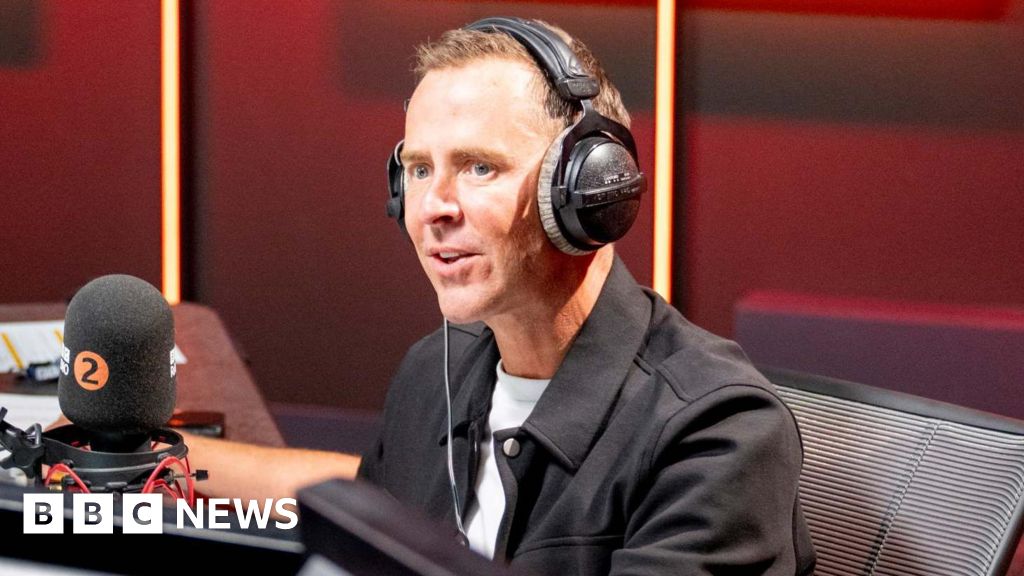
Prince William teams up with Greg James for impactful Comic Relief bike ride

In an era increasingly marked by cultural shifts and ideological battles, the significance of tradition and identity takes center stage, often veiled beneath the surface of youthful pursuits and celebrity engagements. Recently, the renowned Radio 1 Breakfast host—an emblem of contemporary media—was joined by a distinguished guest during the latest leg of his noteworthy charity challenge. While at face value this may appear as a mere act of charitable enterprise, it embodies a deeper, more profound narrative about the role of culture as both a vessel of collective memory and a blueprint for future identity.

Throughout history, figures like G.K. Chesterton and T.S. Eliot have spoken to the importance of cultural continuity, emphasizing that heritage is not static but a living testament to the values, hopes, and struggles of preceding generations. The act of engaging with culture—whether through music, art, or communal effort—serves as an act of reaffirmation in the face of relentless change. When a popular media figure brings a guest into a charitable venture, it echoes the age-old recognition that culture is both a mirror and a mold; it reflects our shared history, yet also influences the contours of our communal future. These moments, seemingly transient, are vital in fostering a sense of belonging that grounds society amidst the turbulence of modernity.

Moreover, this interaction resonates with the philosophical insights of thinkers like Ortega y Gasset, who viewed culture as the “vital continuum” of a people’s destiny. By participating in initiatives that draw from the roots of tradition—be it through charity, music, or shared endeavor—individuals reaffirm the importance of identity as an active, living legacy. In an age when social and cultural fragmentation often threaten the coherence of national and spiritual identity, such acts serve as vital anchors. They remind us that the reaffirmation of culture is not merely about nostalgia, but about forging a pathway through history that guides society forward with purpose and clarity.

Finally, as Tocqueville observed, the strength of a society lies in its capacity to cultivate civic virtue rooted in tradition. The episode of a popular radio host welcoming a guest during a charity effort illustrates this principle well. It is a testament to the cultural vitality that sustains social cohesion, and a silent assertion that our shared memories and hopeful prophecies are what render a society resilient—capable of facing the future with confidence and moral clarity. In the end, culture remains both our memory and our prophecy—a poetic fabric woven from the threads of the past and the fibers of tomorrow. And it is through this enduring tapestry that humanity continues its eternal dialogue with itself, shaping and being shaped by the stories we tell and the values we uphold.

Jimmy Kimmel on Trump receiving an Olympic medal: “Another honor he didn’t earn” | Late-night TV roundup

In the contemporary narrative swirling around politics and media, it becomes evident that culture remains the foundational fabric of societal identity. Yet, as we observe the recent spectacle of late-night hosts mocking political figures and their performances, we must ask: are they mere entertainers, or custodians of a broader cultural dialogue? When Jimmy Kimmel wryly comments on Melania Trump’s self-assured rhetoric, and Stephen Colbert mocks the incoherence in presidential messaging, they underline how cultural symbols and societal narratives intertwine. This critique, while humorous, reveals a truth embedded in human history: culture serves not only as a mirror to our shared identities but as a prophecy of our collective future.

The Battle for Cultural Soul is no trivial matter. As Ortega y Gasset once asserted, a civilization’s vitality hinges on its capacity to preserve its core narratives and traditions. In this context, the political theater—whether it involves the muddled Iran conflict or the spectacle of a president mispronouncing Kentucky—becomes a reflection of our cultural health. Such moments evoke Thomas Sowell’s insight that public discourse and narrative shape the moral and intellectual contours of society. When the media mock the superficiality of political figures, it is not mere jest but an indication of an ongoing cultural struggle—a fight over what values, stories, and collective memories will define the next generation.

From a philosophical vantage, this cultural debate echoes Chesterton’s insistence that tradition is the democracy of the dead. Our history and shared cultural memory are the repositories from which societal resilience springs. Today, this resilience faces threats from fleeting trends and superficial narratives, which often reduce culture to ephemeral entertainment. Yet, as Tocqueville observed, the strength of democracy—true to its nature—rests on the continuity of moral and cultural progress. When the media ridicules the incoherence in political communication, they inadvertently serve as custodians of this continuity, reminding us that our collective identity is both a memory and a prophecy—a living dialogue between past and future.

In the end, the spectacle of late-night jests and political theater underscores a broader truth: Culture is both the memory that anchors us and the prophecy that guides us. It is an ongoing act of remembrance and renewal, where the stories we tell and the traditions we uphold forge the path forward. As the great poet T.S. Eliot mused, “We shall not cease from exploration and the end of all our exploring will be to arrive where we started and know the place for the first time.” In this cyclical dance of memory and prophecy, society itself becomes a living testament—a testament whose history and future are written in the language of shared culture, resilience, and faith in human potential.

Pink Floyd’s Legendary Guitar Tops $14.55 Million, Setting New Record in Music Heritage

In a testament to the enduring power of artistry and cultural legacy, the recent auction of Pink Floyd guitarist David Gilmour’s iconic black Fender Stratocaster has captured the world’s imagination and shattered records. Selling for an unprecedented $14.55 million, this instrument—famously played on six of the band’s transformative albums, including the legendary “The Dark Side of the Moon”—embodies more than mere craftsmanship; it is a symbol of a generation’s struggles, hopes, and the transcendent capacity of music to mirror human experience. As Tocqueville might observe, such artifacts serve as mirrors to society’s evolving identity—each strum reverberating through history, echoing shared memory and collective longing.

This guitar’s auction underscores the cultural significance of music as a vessel for individual and societal memory, a theme that resonates deeply within the broader narrative of Western civilization. Like the Classical composers who defined their eras, or the Renaissance masters whose brushstrokes reshaped art, icons such as Gilmour’s Stratocaster become sacred relics woven into the fabric of modern identity. Ortega y Gasset might frame this phenomenon as the “vital pulse of society’s creative spirit,” where the collective remembrance of art’s finest moments propels future generations. Here, the guitar is not merely an object but a prophecy—a symbol of timeless rebellion against the mundane, a reminder that authentic cultural expression endures.

Moreover, this symbolic transaction illuminates the cultural dynamics of authenticity, value, and tradition. There lies an intrinsic link between the artist’s soul and the instrument—the very essence of tradition passed down through strings and sound. Chesterton’s notion of culture as the civilized reconciliation of man’s raw instincts is exemplified through this auction: a piece of history that challenges us to understand that true value resides not in fleeting possessions but in the enduring narratives they embody. In a world increasingly driven by materialism, the sale of Gilmour’s guitar serves as a reminder that some artifacts are repositories of the confluence of art, history, and identity, anchoring us to our roots even as we step into an uncertain future.

Finally, as T.S. Eliot suggested, “What we call the present is the frozen form of the future.” In this spirit, the auction is less an end than a gateway—a passing of the torch from the past’s echoes to the silent whispers of tomorrow. Culture, in its most profound sense, is both memory and prophecy: a collective dream woven into the very fabric of human existence. It guides us, shapes us, and reminds us that amid flux and uncertainty, the enduring symbols of our shared history sustain our pursuit of meaning. Perhaps, through the stratified past of a guitar, we glimpse what humanity’s future could be—a song yet unplayed, a story yet unseen, waiting in the echoes of tradition to illuminate the path forward.

Oscars 2026: Cast Your Vote and Shape the Future of Hollywood’s Biggest Night

In an epoch where the conflation of spectacle and illusion threatens to eclipse the foundational role of culture as society’s ethical and moral compass, the upcoming cinematic reflections encapsulated in the 2026 Oscars ballot serve as a potent reminder. As Ortega y Gasset profoundingly asserted, “man is himself a manufacture, a work-in-progress, and his culture—his way of life—is the blueprint of this ongoing construction.” The films nominated—ranging from “Bugonia” to “Sinners”—are not mere entertainment but manifestations of societal soul-searching; they uphold the enduring link between art and national as well as individual identity. Here, the cinematic arts serve as both reflection and prophecy, echoing a cultural heritage that defines, sustains, and often challenges the collective conscience.

In a world increasingly dominated by superficial trends, the cultural role played by revered artists and movements assumes a vital importance. As T.S. Eliot observed, “Poetry and art are the memory of humanity, the hauntings of our collective consciousness,” and so the categories and themes of this year’s nominees—be it the profound narrative of “Frankenstein” or the poignant human stories in “Sentimental Value”—serve as a testament to the resilience of cultural memory. The meticulous craftsmanship highlighted in distinctions such as production design or cinematography underscores the enduring value placed on tradition, precision, and aesthetic excellence. These elements, woven into the very fabric of societal identity, remind us that culture is not a fleeting sensation but a foundational pillar that shapes our understanding of ourselves and our future.

By engaging with stories that often confront the shadows of history—such as “The Secret Agent” or “Mr. Nobody Against Putin”—modern cinema reminds us that every cultural act bears a moral and philosophical weight. Much like those who, in the past, recognized the significance of cultural continuity, contemporary artists serve as custodians of a tradition—a tradition that Chesterton described as maintaining the “truth of identity amidst the chaos of modernity.” They interpret the human condition, offering both solace and challenge to society. As Tocqueville warned, the potential for culture to foster a civilization of individual greatness or mediocrity hinges on our collective will to cherish and preserve what is worth fighting for—a moral and artistic legacy rooted in the remembrance of our shared human narrative.

In essence, culture’s ultimate power resides in its capacity to serve as both memory and prophecy—a wellspring of human hope and resilience. The spirit of art compels us to scrutinize not only where we have come from but where we are heading. As the stars of cinema bring forth these visions, they remind us that tradition is not static but dynamic; it bends and expands, mirroring the human soul’s perennial quest for meaning. In that dance of memory and prophecy, culture bears witness to our humanity, whispering that we are both the heirs and prophets of our destiny—writers of the future inscribed upon the foundations of our collective past.

Oscars 2026: Oscars boss Bill Kramer highlights the power of YouTube to engage 2.5 billion viewers—criticizes TV, embraces AI, and advocates for early starts

As the sun blazes over downtown Los Angeles, a city that pulses with dreams and ambitions, the Academy Awards prepares to stage its annual celebration of cinematic artistry. Yet beneath the glitz and glamour, a profound shift is underway—one that threatens to redefine the very essence of cultural tradition. Historically, the Oscars have represented more than mere awards; they are a mirror to society’s soul, a reflection of shared values, myths, and memories. However, as Hollywood leans into the digital future with live streams on YouTube and grapples with emerging technologies like artificial intelligence, questions of authenticity, identity, and cultural continuity come to the fore. Culture—the bedrock of societal coherence—stands at a crossroads, demanding that we consider whether these innovations serve humanity’s collective memory or erode its cherished traditions.

Long regarded as the guardian of artistic excellence, the Academy of Motion Picture Arts and Sciences recognizes its vital role in shaping cultural continuity. As described by Academy CEO Bill Kramer, these changes are not mere technological shifts but signify a broader evolution of what culture represents in a rapidly transforming world. Kramer, a man whose career began with community-oriented work before rising to Hollywood’s highest echelons, echoes the wisdom of thinkers like G.K. Chesterton, who marveled at the importance of preserving the “secret” of tradition amid modern flux. The move towards global livestreaming aims to magnify Hollywood’s reach, extending the spectacle to an estimated 2.5 billion viewers worldwide. Yet, this expansion raises profound questions: Does the digital dissemination diminish the cultural significance that once hinged on communal, in-person experiences? Or can it serve as a contemporary vessel, carrying age-old stories into the modern age, much like the artist and philosopher T.S. Eliot suggested that tradition is the preservation of memory and prophecy intertwined?

This cultural transition also touches upon the industry’s response to technological innovations like artificial intelligence. While some waver in trepidation, fearing that AI could diminish human creativity, Kramer advocates a nuanced perspective. He asserts that AI is merely a tool—an extension of human ingenuity, not a replacement. This viewpoint aligns with the philosophical insight of Ortega y Gasset, who stressed that culture is the ongoing project of human consciousness shaping its tools and symbols. The true challenge lies in maintaining the integrity of artistic authorship—preserving the human spirit at the heart of storytelling. The Academy’s subtle updates on eligibility criteria and its firm stance on theatrical releases stand as testament to this effort to uphold tradition in the face of relentless technological change. Modernity need not dissolve cultural roots; instead, it offers an opportunity to deepen our understanding of what makes art genuinely human—a sentiment echoed by Chesterton, who revered faith in the enduring value of tradition.

Amid these transformations, voices such as Timothée Chalamet remind us of the importance of genuine cultural experience—those moments that etch themselves into collective memory. His remarks, though contentious, highlight a crucial debate: must art adapt to survive, or must it be preserved precisely because it is a window to our shared human essence? The challenge for the cultural custodians, like Kramer, is to navigate this tension—striving to honor tradition without forsaking innovation, fostering a cultural symphony that resonates across generations. As the Oscars prepare to unveil their latest chapter, one can sense that the true significance lies not solely in the awards handed out but in the unbroken thread connecting the past to the future—a testament that culture remains humanity’s memory and prophecy, a luminous testament to what we are and what we aspire to be. In this ongoing dialogue between memory and prophecy, we find a reflection of our very soul, enduring through the shifting tides of time—a reminder that, ultimately, culture is the living, breathing reflection of human spirit’s eternal voyage.

Top 14 Casting Flops That Missed the Mark

In the realm of cinematic artistry, the latest Oscar ceremony has introduced a new accolade that celebrates the nuanced craft of matching actor to role. This recognition underscores an enduring truth: beneath the glitz and glamour lies a profound interplay between identity, tradition, and society’s cultural values. While studios may hire stars based on box office potential or commercial appeal, it is often the mismatches—those unusual, sometimes awkward pairings—that leave the most lasting impression, serving as mirrors and foreshadows of our societal fabric.

The phenomenon of a wrong actor in the wrong role can remind one of Ortega y Gasset’s assertion that “The individual’s authentic self is revealed only through its engagement with society’s narratives.” When actors slip into roles that seem to clash with their off-screen personalities, they inadvertently challenge our expectations, forcing us to confront the fluidity of character and identity. Historically, such moments have served as cultural catalysts—think of Charles Laughton’s transformative portrayal of Quasimodo, which defied conventional beauty standards, or Meryl Streep’s uncanny versatility that blurs the line between actor and character. These mismatches serve a vital purpose: they reveal the underlying tensions within our cultural myths and invite us to reconsider what it means to embody authenticity in a world obsessed with appearances.

From a philosophical vantage point, this thematic exploration mirrors a core principle of cultural continuity and upheaval. Tocqueville observed that democracy’s strength lies in its ability to foster individual expression within a collective identity—yet, it is also susceptible to superficiality when appearances are prioritized over substance. In the arts, mismatched casting can either reinforce or subvert societal norms, echoing Chesterton’s claim that “The true task of the artist is not to imitate life, but to reveal its true nature.” When an actor unexpectedly embodies a role that feels incompatible, it becomes a living question: does authenticity reside in talent, or in the cultural symbols that define our time? Sometimes, these mismatches are not flaws but mirrors revealing the fractures within our cultural self-understanding, prompting both reflection and renewal.

Ultimately, culture functions as both memory and prophecy. It preserves traditions while simultaneously challenging us to envisage what lies ahead. The unexpected pairing of star and role reminds us that human identity is not fixed but a fluid continuum—an ongoing dialogue between our past, present, and future. As we contemplate these cultural currents, we are reminded that the true power of art—like the enduring human spirit—is found in its capacity to evoke a collective memory that guides us and a prophetic vision that beckons us forward. In the quiet dissonance of a mismatched actor and role, we sense the timeless truth: that the human story is inscribed in both the lineages we inherit and the horizons we strive to reach.

Decoding the Process: How the Oscar for Best Picture Is Decided

In the realm of cultural celebration, few events encapsulate the collective consciousness quite like the Oscars. The prestigious award for Best Picture, uniquely decided by a preferential ballot, exemplifies how art’s decisiveness intertwines with societal values. This voting method, intricate yet profound, reflects more than mere preference; it symbolizes the delicate balance between individual choice and collective judgment. As our reporter Marc Tracy elucidates, this process exemplifies how culture, in its most refined form, acts as a mirror and a compass for society’s evolving identity.

At its core, the preferential ballot is a testament to the nuanced nature of cultural appreciation. Unlike simple plurality votes, it requires voters to rank their choices, fostering a dialogue of values and taste that transcends superficial preference. This method resonates with the philosophical insights of Ortega y Gasset, who asserted that culture is a living, dynamic organism—an expression of the society that sustains it. The Academy’s voting process, therefore, not only determines a winner but also enacts a philosophical statement about the richness of collective taste. It suggests that art and film are not isolated expressions but foundational elements shaping societal identity, anchoring us to shared memories while propelling us into future possibilities.

Historically, cultural critics like G.K. Chesterton warned against the narrowing of society’s moral imagination, emphasizing the importance of celebrating diverse visions within a culture’s narrative. Similarly, Tocqueville observed that democracy’s strength lies in the varying expressions of its people—each individual contributing to the overarching story. The Oscars, then, serve as a modern-day forum where this democratic ethos is celebrated, not merely through votes but through the cultural values they embody. The preferential ballot underscores the importance of harmony among diverse preferences, fostering a sense of unity forged through appreciation of the arts.

In this context, culture functions as both history and prophecy: a collective memory that grounds society in tradition, and a visionary force that anticipates what humanity aspires to become. The Oscars’ voting process exemplifies this duality—each film representing a chapter of shared history and a prophecy of future cultural landscapes. As T.S. Eliot famously noted, “The purpose of art is not a rarified expression but a means of ordering human understanding.” By selecting a film through a method that embodies depth and nuance, audiences reaffirm their collective commitment to cultural continuity and renewal. Ultimately, culture remains the vital thread that weaves the fabric of society—anchored in history, yet forever reaching towards the horizon of human potential.

Social Media Auto Publish Powered By : XYZScripts.com