Matox News

Truth Over Trends, always!

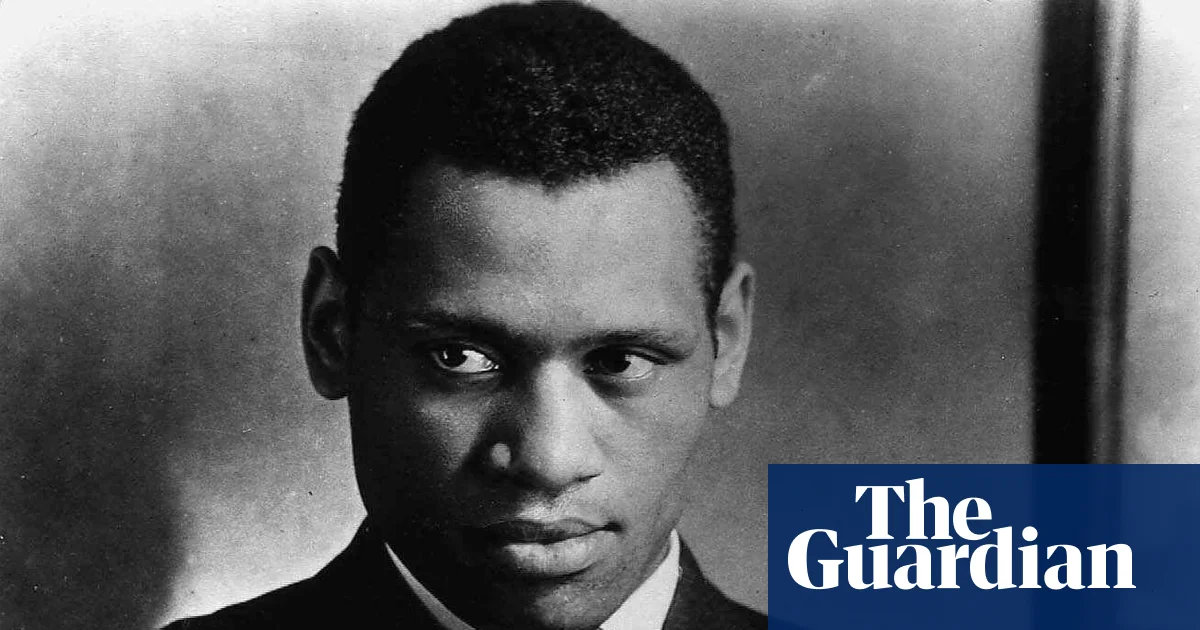
‘The Man Who Challenged the Status Quo: How Paul Robeson Transitioned from Hollywood Icon to Target of the Blacklist’

In an era where cultural memory is often manipulated for political expediency, the story of Paul Robeson stands as a testament to the profound link between culture, identity, and societal values. Robeson, a prodigious talent whose talents spanned opera, film, sports, and law, was once the most celebrated Black American in the world. His towering voice, compelling performances on Broadway—most notably as Othello—and achievements as an athlete and lawyer made him a symbol of excellence and integrity. Yet, for all his accomplishments, his legacy was systematically erased during the Cold War era, obliterated by a combination of political blackmail, ideological purges, and the self-serving silences of societal elites—an echo of historical parallels where state power sought to silence dissenters and redefine cultural memory.

Robeson’s experience reveals the dangerous potential of culture as a battleground for societal control. His refusal to denounce the Soviet Union during the Cold War, coupled with his outspoken advocacy for human rights, led to his marginalized status and the denial of his passport for nearly a decade—a stark reminder of how political conformity can threaten the very fabric of individual expression. The Great Forerunner, as he was called, was subjected to a brutal campaign of erasure that sought to diminish his influence, even removing him from textbooks and public esteem. This systematic suppression reflects a profound truth: culture functions as the embodiment of collective identity and societal memory, and whoever controls it wields immense power over the narrative of a nation’s soul.

Today’s cultural landscape echoes these struggles in ways both subtle and overt. The ongoing efforts to downplay or ban Black history in public schools, the assault on traditional narratives, and the hostility toward figures like Malcolm X—reclaimed and revered by a new generation—are reminiscent of Robeson’s own marginalization. Just as Jack Robinson and Robeson once confronted the double-edged sword of societal expectations and political loyalty, modern voices confront the distortion of history and the suppression of cultural identities that threaten to homogenize the national story. Cultural critics like G.K. Chesterton and T.S. Eliot have long argued that culture sustains the moral fabric of society; its erosion is an erosion of the very essence of community and tradition. As Tocqueville warned, democracy’s greatest danger lies not in tyranny but in the tyranny of forgetfulness, where history and culture are so manipulated that the collective memory becomes a mere echo of power.”

  • Reclaiming American history entails recognizing figures like Robeson as the true architects of cultural resilience and national authenticity.
  • The ongoing debate over the teaching of Black history—its suppression and revival—underscores a broader struggle for the soul of the nation.
  • The ideals Robeson embodied—excellence, integrity, and republican virtue—remain vital in fostering a society rooted in shared memory and collective purpose.

In the end, culture is both the memory of humanity and its prophecy. It echoes the voices of ancestors and echoes the hopes of future generations, shaping a society that honors its roots while daring to envision a just tomorrow. As the poet T.S. Eliot reminded us, “For last year’s words belong to last year’s language, and next year’s words await another voice.” Robeson’s voice, silenced too long, beckons us to remember that true culture—like true liberty—is composed of the unyielding symphony of tradition and the brave promise of renewal, forever standing as a testament to the enduring spirit of a people who refuse to be silenced. Culture, therefore, remains humanity’s celestial compass—guiding us through darkness, illuminating our collective memory, and whispering whispers of what yet might be.
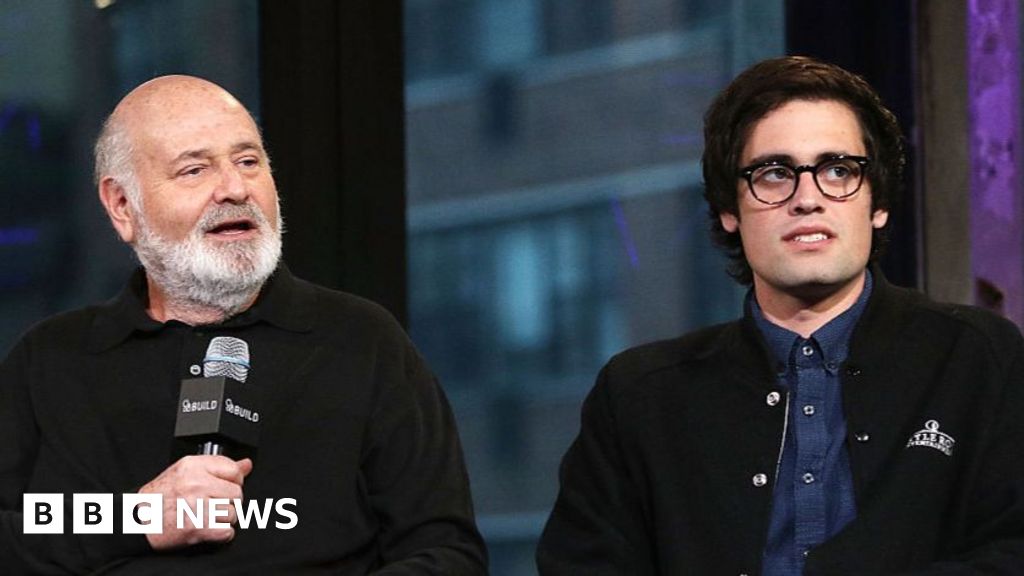
Nick Reiner, Son of Filmmaker Rob Reiner, Detained in Connection with Tragic Deaths of His Father and Wife

In a world increasingly detached from its roots, culture remains the vital mirror and prophetic voice of a society’s soul. It is through enduring works, shared traditions, and collective memory that communities find their identity—an anchor in chaos and a blueprint for the future. Today’s cultural landscape, whether through the lens of cinema, literature, or art, continues to serve as both a repository of historical truth and a vessel of moral guidance. As Ortega y Gasset observed, society’s vitality depends on its capacity to preserve its racion, its reasoned continuity, against the erosive forces of nihilism and superficiality.

Yet, recent tragedies starkly remind us of culture’s delicate role in shaping character and society’s moral fabric. The shocking murder of Rob Reiner’s family in Los Angeles underscores how even the most iconic and celebrated—those etched into the collective consciousness as creators of cultural milestones—are not immune to the darkness lurking in the human condition. Rob Reiner, a notable figure in American cinema whose works like When Harry Met Sally and This Is Spinal Tap have become cultural landmarks, was reminded that behind the shield of fame and success lies the ongoing challenge of moral stability. The loss of his wife Michelle, and the tragic suspicion surrounding his son Nick, have reignited pressing questions about the inner struggles that threaten to unravel even the most celebrated families.

Once, as Chesterton noted, society was anchored in the “drama of the ordinary”—families, faiths, traditions—all serving as moral anchors. Today, the chaos within individual hearts often spills over into the social fabric, revealing that culture is more than entertainment; it is the moral architecture of civilization. In our cultural discourse, we witness the tension between the creators of meaning and the forces of dissolution. The tragic circumstances surrounding Reiner’s family echo a broader truth expressed by thinkers like Tocqueville: that society’s strength depends on its capacity to uphold moral virtues amid the allure of consumerism and moral relativism. Our art, our stories, and our shared history serve not only as memories but as prophecies of what humanity can become—either uplifted or destroyed by its own moral choices.

  • The enduring influence of cinema and literature as vessels of cultural memory, shaping notions of heroism, morality, and beauty.
  • The importance of tradition as a safeguard against chaos and a beacon guiding future generations.
  • The role of public figures as moral exemplars or warning signs in the collective conscience.

As T.S. Eliot mused, “Between the idea and the reality falls the shadow”—a reminder that culture’s true power lies in its ability to illuminate the shadowy depths of human nature, revealing truths that instruct and inspire. Our contemporary challenges—moral, spiritual, or societal—are rooted in the same fundamental question: can culture be the foundation upon which we build a society worthy of human dignity? Or will it succumb to the transient idols of superficiality? The tragic loss of Rob Reiner’s loved ones serves as a stark reminder that beneath the veneer of fame, the moral backbone of society must be constantly reaffirmed. Because in the end, culture is both our collective memory and the prophecy of our highest aspirations, whispering that human greatness is neither accidental nor inevitable, but cultivated through shared stories, traditions, and moral resolve.

Yet, even amid tragedy, there remains a whisper—a voice that echoes through history, urging us to see culture not merely as entertainment but as the living memory and prophetic voice of humankind. As we navigate the shadows of our times, let us remember that the true art of society lies in its capacity to preserve its soul—writing its stories into the eternal fabric of time. It is this memory and prophecy intertwined that forge the enduring spirit of civilization, a testament that from the depths of darkness can still arise the radiant promise of human dignity.

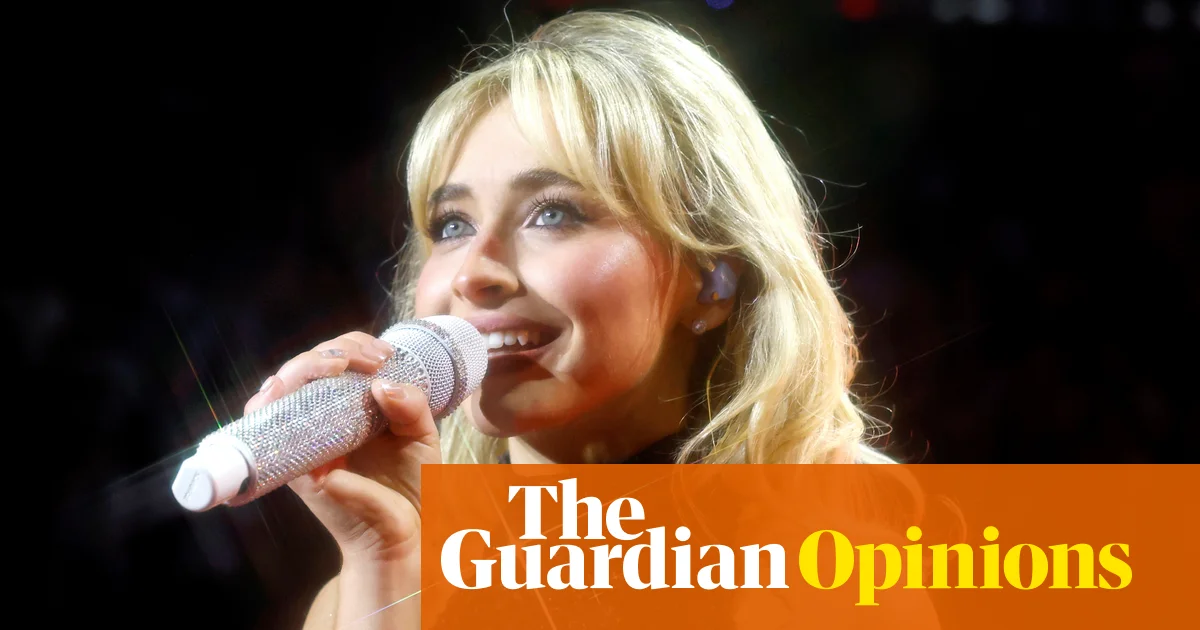
The Trump Administration’s Ongoing Clash with Pop Icons: A Confrontation That’s Doomed to Fail | Music

Amidst the chaos of political crises and geopolitical upheaval, a subtler yet profoundly significant battleground persists: the realm of culture. In recent weeks, the spectacle of social media manipulation reveals how modern administration propaganda leverages cultural symbols—music, memes, and icons—to shape public perception and, ultimately, societal identity. This toxic game, orchestrated by a government increasingly resembling a pop culture agitator, exemplifies Ortega y Gasset’s assertion that “You are what you stand for,” highlighting how cultural narrative forms the foundation of collective self-understanding. When culture is deliberately weaponized, it becomes a battleground where the soul of society is contested, revealing the power struggles behind the veneer of political discourse.

The disturbing trend of government-aligned pop culture abuse underscores a stark truth: culture is inseparable from identity. As artists like Olivia Rodrigo, Jess Glynne, and Kenny Loggins vocally oppose their work being co-opted for propaganda, they expose a disturbing paradox. These cultural icons, once symbols of individual expression, are now pawns in a manipulative game where their creative output is used not to uplift, but to divide and disorient. Chesterton reminds us that true art and tradition are rooted in a moral vision, transcending superficial trends. When authorities distort this vision—by turning lyrics into political slogans—the cultural fabric frays, undermining society’s sense of continuity and shared purpose.

Moreover, the phenomenon reveals an underlying philosophical truth: culture carries the memory of a people’s history and the prophecy of its future. Tocqueville’s insight that democracy and culture are intertwined becomes evident as the current administration channels the lowest common denominator of engagement—employing memes and viral soundbites to manipulate public sentiment. Yet, as T.S. Eliot observed, a culture’s vitality depends on its capacity for both reflection and prophecy. When culture is weaponized for entertainment and distraction, it risks becoming sterile, stripping society of its soul and reducing it to a spectacle of chaos. It is in this cultural wasteland that the true battle for identity unfolds, testing whether societies will preserve their moral and historical integrity or succumb to superficiality.

  • Historically, regimes that manipulate cultural symbols—be it totalitarian states or populist movements—have sought to redefine national identity through propaganda, eroding the moral foundations that sustain a resilient society.
  • Contemporary artists and thinkers—like Zach Bryan and others—demonstrate that active cultural resistance is possible when rooted in authenticity and moral conviction, rather than reactive outrage.
  • The challenge remains for the youth of today to discern between superficial entertainment and enduring cultural values that bind communities across generations.

In this theater of deception, the clarity of cultural memory and the courage to forge a hopeful prophecy become paramount. Chesterton once warned that “Poets and mystics are always right about the future,” because they speak from the depths of tradition and the heights of aspiration. When society recognizes that culture is both memory and prophecy, it can withstand the assaults of cynicism and cynics alike. Amid the noise of manipulated memes and political spectacle, the enduring voice of a culture rooted in truth, history, and moral purpose whispers silently, guiding humanity through the darkness toward a dawn of genuine understanding and hope. It is here, in embracing our cultural memory as a living prophecy, that we find the true strength to shape a future worth inheriting—one that upholds the dignity, identity, and moral foundations of a civilization.

Top Albums of 2025: The Essential Soundtrack for a New Generation

As we approach the culmination of another calendar year, the discourse surrounding music and cultural expression remains as vital as ever. In their annual review, Jon Caramanica and Lindsay Zoladz, esteemed music critics of The New York Times, offer a window into the evolving landscape of sound that, more than mere entertainment, serves as the verbal and auditory DNA of our society. Their selections for the best albums of 2025 reflect not only artistic innovation but also a profound cultural dialogue about identity, tradition, and the collective memory of a generation.

Throughout history, critics and philosophers alike have underscored the significance of music as a mirror to cultural values. Ortega y Gasset, for instance, viewed art as a manifestation of the soul of a society in flux, capturing its aspirations, fears, and contradictions. Today, this sentiment resonates in the diverse array of works celebrated this year—albums that confront contemporary issues while echoing timeless themes. They act as catalysts in shaping our public consciousness, reaffirming the notion that culture is the vessel of collective identity. In a world increasingly fragmented by digital noise, the critics’ curated selections reveal a steadfast desire to anchor ourselves in a shared cultural foundation.

The

  • Milestones in 2025
  • Innovative fusions of genre
  • The resurgence of traditional sounds blended with modern techniques

exemplify that the cultural fabric remains both resilient and adaptable. Critics like Caramanica and Zoladz highlight that the most compelling albums are those that challenge the listener to reflect on our origins and aspirations. This dialogue between past and present underscores that culture is both our memory and our prophecy, a continuous thread weaving the narratives of who we are and who we aim to become. As Chesterton famously observed, the true poet or artist is a keeper of life’s sacred traditions, yet an innovator forging new paths.

Ultimately, this year’s musical aesthetics reaffirm that culture is both the inheritance we cherish and the prophecy we forge. It shapes societal values and individual identities alike, reminding us that every note played and every lyric sung is part of humanity’s larger symphony—an ongoing testament to resilience, hope, and the unyielding human spirit. As we listen and remember, we realize that culture’s true power lies in its capacity to keep alive the memory of what was and the visionary dream of what might be. Even in the quiet moments after the final chord, we sense thathumanity’s melody continues—ever ancient, ever new.

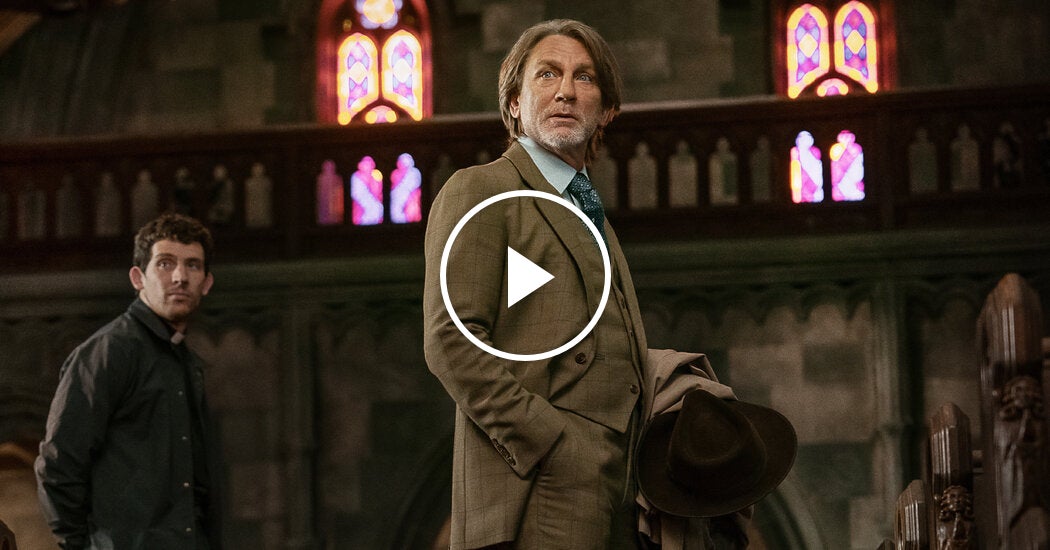
Awaken the Spirit: Dissecting the ‘Wake Up Dead Man’ Scene

In contemplating the essence of culture, one recognizes it as the living memory of existence, a tapestry woven through generations that sustains the identity of societies and shapes their moral and aesthetic fibers. Amid the accelerating tide of modernity, which often dismisses tradition as an obstacle to progress, it becomes crucial to reflect on how culture anchors us to our roots, serving as both remembrance and prophecy. As the philosopher Ortega y Gasset famously warned, “The great wound of the world is the loss of roots.” In this perspective, culture emerges not merely as entertainment or superficial ornament, but as the vital fabric that preserves our collective personality—our deep sense of who we are and where we come from.

This cultural continuity is vividly exemplified through the arts and storytelling—carriers of timeless truths and moral clarity. Consider the perennial efficacy of classical literature and philosophy: from the moral clarity of Chesterton to the poetic that beckons us to see life through a lens of transcendent meaning. Today’s filmmakers, such as Rian Johnson—a modern auteur—demonstrate a nuanced understanding of this narrative craft. His film scenes, rich with ensemble performances and layered dialogue, echo the theatrical traditions that stress the importance of human relationships and moral dilemmas. Just as the Shakespearean or Golden Age of Hollywood cinema built mythic worlds rooted in human virtue and vice, modern directors continue to remind us that storytelling remains a mirror held up to society, a vital conduit of cultural memory.

Milestones like the Enlightenment or the Renaissance serve as cultural touchstones, illustrating how societies have historically relied on their arts and ideas to define and reinforce shared virtues. Tocqueville’s analysis of American democracy highlights the importance of cultural cohesion—the “habits of the heart”—which sustains political liberty and social cohesion. Today’s cultural agents, whether in film, literature, or visual arts, wield the power to forge that same cohesion, fostering a collective spirit and moral clarity. Their work reminds us that the preservation and evolution of culture are central to community resilience and societal vitality. As fin de siècle critics warned against cultural nihilism, contemporary guardians of tradition stand as vigilant custodians of the moral compass that guides humanity through chaos toward the inevitable dawn of renewal.

In this continuous dialogue between memory and hope, culture wields its silent yet profound influence, shaping identities that anchor us in the present while pointing forward to the destiny of human civilization. As T.S. Eliot poetically asserted, “There is no pagan school of poetry but what the world is better for its existence.” Culture, then, is both the echo of the past and the prophecy of future virtues—a divine inheritance urging each generation to build on its foundations and extend the horizon of human excellence. In times of tumult, culture remains our steadfast compass, charting a course through history’s vast ocean toward a future where tradition and innovation intertwine—reminding us that who we are is always a prelude to who we shall become. Truly, amid fleeting epochs and shifting sands, culture endures as the most eloquent testament to humanity’s eternal hope and supreme memory, whispering silently that indeed, we are, and always shall be, its custodians and heirs silenced in the melody of history and destiny.

Amanda Seyfried Defends Her Criticism of Charlie Kirk’s Remarks on Shooting: Refuses to Apologize

In an era where the digital sphere becomes an extension of our national and cultural identity, the conversation surrounding figures like Charlie Kirk and the outspoken responses they provoke reveal more than mere partisan squabbles; they embody a deeper struggle over the essence of societal values. Amanda Seyfried’s unapologetic declaration that she would not “fucking apologise” for calling Kirk “hateful” underscores a vital truth — culture is the battlefield of ideology, tradition, and morality. In her stance, she echoes a timeless cultural tension: the moral imperative to speak truth amidst the cacophonous chaos of modern discourse. This is reminiscent of the courage of the Old Republic’s orators and the patriotic voices that sought to uphold a moral order, asserting that societal memory is preserved not only through memorials but through the unflinching assertion of one’s convictions.

Social media, for Seyfried, becomes a kind of digital agora, a space where individual voice can forge protected ground in the confrontation of cultural chaos. She articulates a modern necessity — the right to speak one’s truth as an act of cultural preservation. Her acknowledgment of the backlash reflects an ongoing cultural debate: whether society is drifting into a relativistic cloud where only silence offers safety, or whether the virtue of moral clarity can survive amidst the shrill noise of modern polarization. As T.S. Eliot once pondered the fractured nature of contemporary culture, he reminded us that it is “the still point of the turning world”, a vital anchor that keeps collective memory alive in the tempest of change. Seyfried’s conviction highlights this — an assertion that speaking freely, especially in the face of populist hysteria, sustains the societal fabric through ongoing dialogue and moral staking.

In the broader sense, her actions emphasize the central role that culture plays in shaping identity, tradition, and societal cohesion. From the reverence of classical literature and art to the moral philosophies that underpin Western civilization, the challenge today is whether these foundational symbols continue to serve as guiding lights or are relinquished in an age of cultural relativism. The philosophical stance of thinkers like G.K. Chesterton reminds us that authentic culture is rooted in the recognition of a divine and moral order that binds our communities. Seyfried’s defiance can be seen as part of a renewed cultural effort to defend these enduring truths against the encroaching tide of nihilism, which seeks to dissolve tradition into mere spectacle.

Ultimately, culture is both memory and prophecy. It preserves our shared past, yet signals future expectations about who we are and hope to become. As Ortega y Gasset observed, society must stand upon its cultural foundations lest it drift aimlessly in the fog of modernity. Seyfried’s impulse, articulated through her media engagement, embodies this dialectical tension: a desire to preserve the moral and cultural inheritance that defines our societal soul, even amidst fierce disagreement. The enduring power of culture, then, is to serve as a lighthouse, guiding generations through the storm, illuminating the path from memory to prophecy, and reminding us that human civilization, at its core, is a song of voices singing the everlasting narrative of our collective destiny — a melody that calls us to remember, to resist, and to believe in the enduring promise of human greatness.

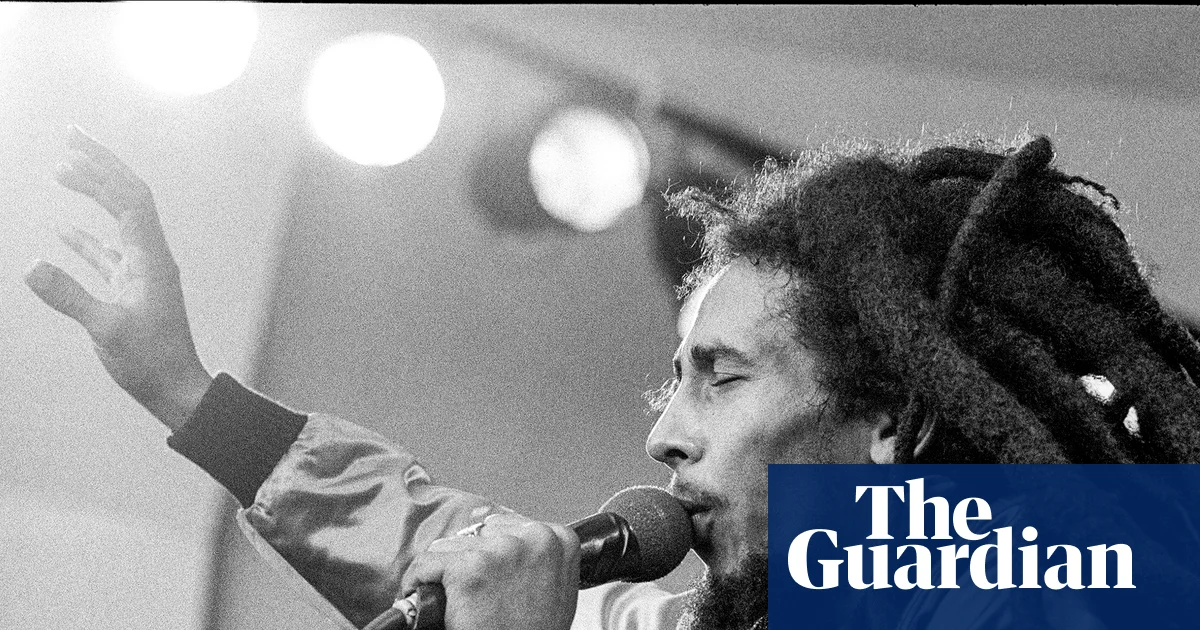
Powerful Moments: Youthful Musicians Leading the Charge for Change — A Photo Gallery

In an era where the fabric of society is continuously woven and rewoven through the threads of art, activism, and tradition, the recent initiative by photographer Janette Beckman and curator Julie Grahame exemplifies how culture remains the enduring vessel of communal memory and moral purpose. Their fundraiser for the ACLU, featuring images of musicians who have wielded their art as a form of protest and advocacy, underscores the profound connection between creative expression and the preservation of societal identity. In a time often characterized by upheaval and fragmentation, this exhibition reminds us that culture is not merely ornament but a moral and historical force shaping our collective destiny.

Among the featured figures are legendary icons such as John Lennon and Nina Simone, artists whose work transcended entertainment to embody moral standpoints embedded deeply in the struggle for freedom and justice. Their images serve as visual echoes of a moral impulse akin to that articulated by thinkers like Ortega y Gasset, who emphasized that culture is the collective answer to the restless question of what it means to be human within the social order. The donation of 43 photographers—whose lenses capture the faces of dissent—acts as a vivid testament to the idea that artworks are both mirrors of societal tension and beacons guiding future generations towards dignity and virtue. The fact that 100% of profits support the American Civil Liberties Union underscores the pragmatic side of cultural activism: art as a tool for societal preservation and moral resistance.

This initiative also highlights a broader truth about the historical parallels between past and present struggles for liberty. As Tocqueville observed in his exploration of American democracy, the vitality of civic life is rooted in a shared sense of moral community—a vitality whose sustenance is often reinforced through cultural icons and collective memory. The selected images and songs reverberate with a narrative that recognizes the importance of cultural memory in maintaining societal cohesion amidst tumult. In the words of Chesterton, we are reminded that art is the most effective whisperer of truth in the dark corridors of collective experience. The muse of protest, encapsulated in these photographs and melodies, reminds us that culture remains the foundation upon which our notion of identity, tradition, and societal well-being rests.

Finally, this event invites us to reflect on the poetic call of culture as both memory and prophecy. It is a reminder that history is not only what has been but what is continually becoming—a future shaped by the moral and aesthetic choices of those who understand that truth and beauty are inseparably linked. As the great poet T.S. Eliot wove in his verses, the past must be lived again in the present to forge a future worthy of memory. Culture, in its noblest form, is thus both a testament and a testamentary act—an enduring testament to human longing for justice, dignity, and truth, and a prophecy of what humanity might become when guided by the luminous ideals embodied in its artistic and moral heroes. In that luminous horizon, we see that our cultural legacy is both history’s ultimate gift and society’s divine promise—an unfolding story that belongs eternally to those who dare to believe in its transformative power.

Young singer takes TikTok UK’s top spot for 2025 song— redefining the cultural landscape

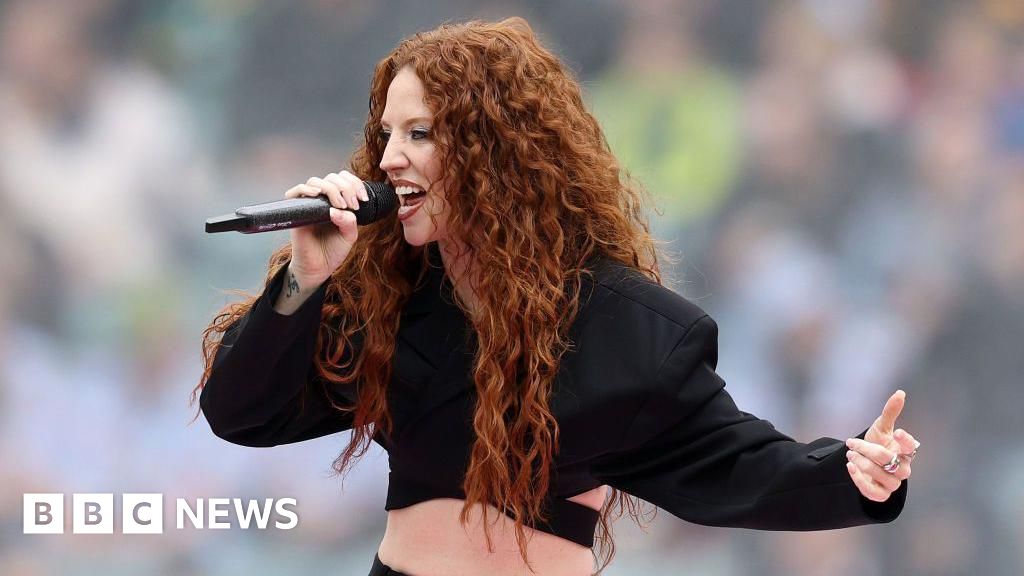
In an era where digital culture often shapes perceptions and influences identity, it is vital to recognize the profound connection between entertainment, tradition, and societal values. Recently, the British singer Jess Glynne experienced a remarkable resurgence not through traditional radio play or chart dominance alone, but via the viral currents of social media. Her 2015 hit, Hold My Hand, which once topped the UK singles chart, has been reborn as the TikTok song of the year—an emblem of how culture adapts and reconnects across generations. The song’s revival exemplifies Ortega y Gasset’s assertion that “man’s identity is rooted in his culture,” and now, more than ever, this root is nourished by platforms that transcend mere entertainment to become arenas of societal reflection.

The trend underscores a paradox of modernity: while some decry the superficiality of social media, others recognize its power to rejuvenate collective memory and foster a shared experience. Glynne’s song, initially an emblem of 2015, has become linked with humorous holiday mishaps, travel chaos, and family moments. Its association with the ‘nothing beats a Jet2 holiday’ trend demonstrates that the popular culture of today is a mosaic composed of nostalgia, humor, and societal zeitgeist. Such phenomena echo Chesterton’s insight that “tradition is the democracy of the dead,” where societal continuity manifests through shared narratives, even as they are refreshed in the digital age.

Historian Alexis de Tocqueville’s observations about the importance of cultural roots in fostering societal cohesion are echoed in this phenomenon. Glynne’s music, once bound to radio and exclusive concerts, now flows freely on the digital stream to over 80 billion views, connecting diverse audiences in an apparent collective memory. Meanwhile, other musical icons like Taylor Swift and Rihanna continue to shape the cultural landscape, reflecting a society that values not only the entertainment but also the identity these figures embody. The viral success of older songs, such as Connie Francis’ 1962 hit Pretty Little Baby, indicates a cyclical return to foundational melodies, where history’s echoes inform contemporary expressions. These moments affirm T.S. Eliot’s notion that a society’s “memory, tradition, and culture are the prophecy of its future,”.

In contemplating the significance of this cultural revival, it becomes clear—culture is both our heritage and our prophecy. It is through these shared stories and songs that a society molds its identity and manifests its values. As we navigate a rapidly shifting landscape of technological change, we are reminded that culture’s true power lies in its ability to preserve memory while prophesying possibility. Just as an ancient melody carried through decades to inspire a viral trend, so too does the collective memory of mankind whisper of what is yet to come—a tapestry woven with the threads of the past, forever beckoning us toward the horizon of human potential.

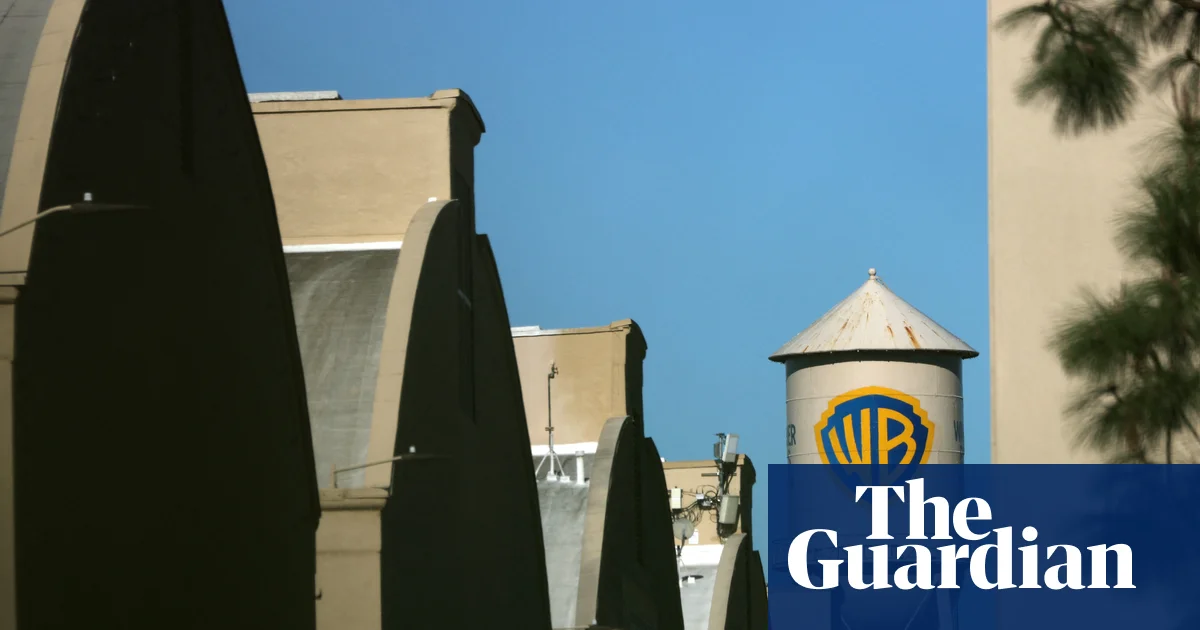
Opposition Grows Against Netflix-Warner Bros Merger: Critics Call for Blockade

In an era defined by rapid cultural shifts and the relentless evolution of media, the recent announcement of Netflix’s acquisition of Warner Bros for a staggering $83 billion has ignited a fierce debate about the true nature of cultural power and its influence on society. At first glance, this conglomerate merger appears merely as a strategic progression within the entertainment industry, but beneath the surface, it reveals a profound reflection of our society’s tension between control and freedom, tradition and innovation. Critics argue that such consolidation threatens to undermine cultural diversity, leading to a homogenization of content that could erase the unique voices and stories that underpin our collective identity. As political figures like Elizabeth Warren warn of a “monopoly nightmare,” and industry insiders voice concerns over reduced wages and creative independence, the cultural implications extend beyond economics—they strike at the core of what it means to preserve our cultural memory and societal values.

Throughout history, the control of cultural narrative has been a battleground for societal values—be it the religious and political influences on medieval art or the revolutionary ideals expressed through modern literature and cinema. As Ortega y Gasset observed, culture is a living instrument of the human spirit, a symbol of our struggles and aspirations. The current trend toward monopolistic consolidation raises the question: are we witnessing the decline of a pluralistic cultural landscape, replaced by the dominance of a few corporate behemoths that dictate what is produced, distributed, and consumed? Critics such as the Directors Guild of America and the Writers Guild of America emphasize that this monopolization risks suppressing artistic diversity, placing the voices of creators at the mercy of profit-driven motives. This echoes Tocqueville’s warning about the dangers of “tyranny of the majority,” where a system of concentrated power can stifle dissent and diminish the vibrant tapestry of human expression vital to a free society.

Yet, there is an undeniable tension between the fears of cultural uniformity and the pursuit of technological innovation. Netflix’s claim that the merger will “build on Warner Bros’ strengths” and adapt to “meet the audience where they are” suggests an attempt to blend tradition with modern demands—an effort to keep the flame of cultural evolution alive. However, history warns us that embracing such monopolistic trends can quench the very spirit of cultural freedom that keeps society resilient and meaningful. As T.S. Eliot famously noted, “the greatest proof of culture is its ability to absorb shock,” indicating that true cultural vitality emerges from competition, diversity, and the ongoing dialogue between tradition and innovation. Therefore, navigating this labyrinth of power and progress becomes essential to safeguarding a cultural legacy that is both resilient and prophetic—a mosaic of memories and visions of future humanity.

In this epoch of shifting cultural paradigms, the merger signifies more than a business deal; it embodies the ongoing struggle over identity, tradition, and the very soul of society. Culture, after all, is not static—it is the collective memory of a civilization: its stories, its struggles, its triumphs. Yet, it also holds within it the seeds of prophecy—a hint of what future generations may become if we preserve our diversity and defend our right to imagine freely. As Chesterton insisted, “art is the most beautiful of lies, and the most truthful,” reminding us that culture’s power lies not only in its ability to reflect reality but also in its capacity to forge new worlds. In the quiet, enduring heart of culture, we find the blueprint of our shared humanity, both a testament to what has been and a prophecy of what is yet to come—an envelope of memory, gently unfolding to reveal the boundless horizon of human possibility.

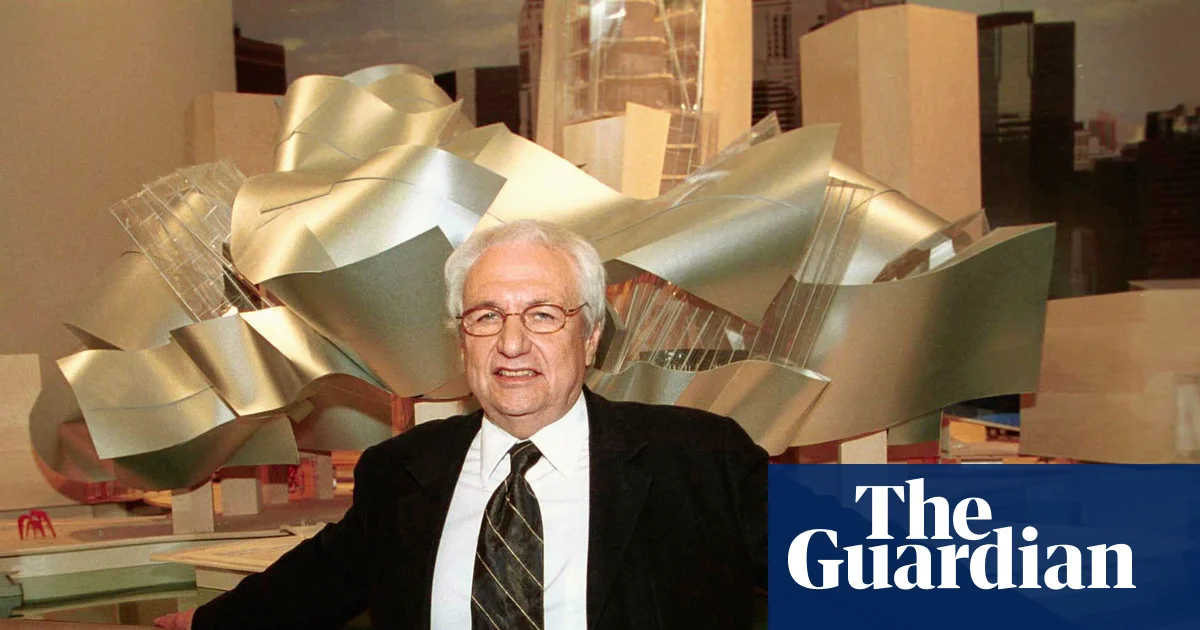
Renowned Canadian-American Architect Frank Gehry Passes Away at 96 — A Lasting Legacy in Modern Design

In the realm of architecture, few figures have embodied the spirit of innovation and cultural rebellion as Frank Gehry. His passing at the age of 96 marks the end of an era defined by audacious form, emotional resonance, and a relentless quest to redefine the built environment. Gehry’s work transcended mere structures, becoming an almost poetic testament to the enduring power of culture to shape our identity and societal consciousness. His fantastical Bilbao Guggenheim, clad in shimmering titanium and seemingly alive with movement, exemplifies how architecture can serve as both reflection and prophecy—an icon of what the modern age can achieve when bold tradition and radical innovation collide.

Gehry’s influence is undeniable, not only as an artist but as a cultural icon whose work catalyzed what critics label as the Bilbao effect. Like the revolutionary shifts seen in art movements from Surrealism to Abstract Expressionism, Gehry’s architecture challenges the passive observer to confront the visceral and the imaginative. His designs, whether the Walt Disney Concert Hall or the Fondation Louis Vuitton, embody an expressive power reminiscent of T.S. Eliot’s notion that tradition is not a static inheritance but a living dialogue between the past and the present. In a sense, Gehry’s work exemplifies how culture—rooted in tradition yet daring enough to break free—becomes a vital force in fortifying societal identity against the homogenizing tides of commercialism and decay.

Born into humble beginnings in Toronto, Gehry’s journey reveals that artistry often blooms late, fueled by perseverance and a deep-seated desire to challenge the ordinary. His decision to change his surname in the face of prejudice echoes the cultural necessity of self-definition—that in a society rife with hostility, one’s work can be a form of resistance, a reaffirmation of human dignity and heritage. After years of working within the commercial confines of shopping malls and uninspired projects, Gehry turned to his authentic voice at mid-life, embracing an esthetic of chaos and chaos—a metaphor for the tumultuous soul that refuses to be tamed. His transformation underscores Plato’s idea that the true philosopher-artist is one who dares to question, to risk, and thus to discover the enduring truth beneath exterior appearances.

Through the lens of cultural critic G.K. Chesterton’s celebration of the ordinary as extraordinary, Gehry’s architecture consistently reveals that true innovation lies in embracing the imperfect, the asymmetrical, the raw material of human emotion. As much as his buildings dazzle with their form, they serve as echoes of a society that values unique heritage and collective memory, asserting that our shared identity is rooted in the creative act—an act that must be both remembered and prophesized. In this way, Gehry’s legacy affirms that culture is neither stagnant nor purely decorative, but a living memory and a prophetic vision intertwined—a testament that human expression remains the most enduring blueprint for our future.

Social Media Auto Publish Powered By : XYZScripts.com