Matox News

Truth Over Trends, always!

Peruvians Vote to End Year of Political Turmoil

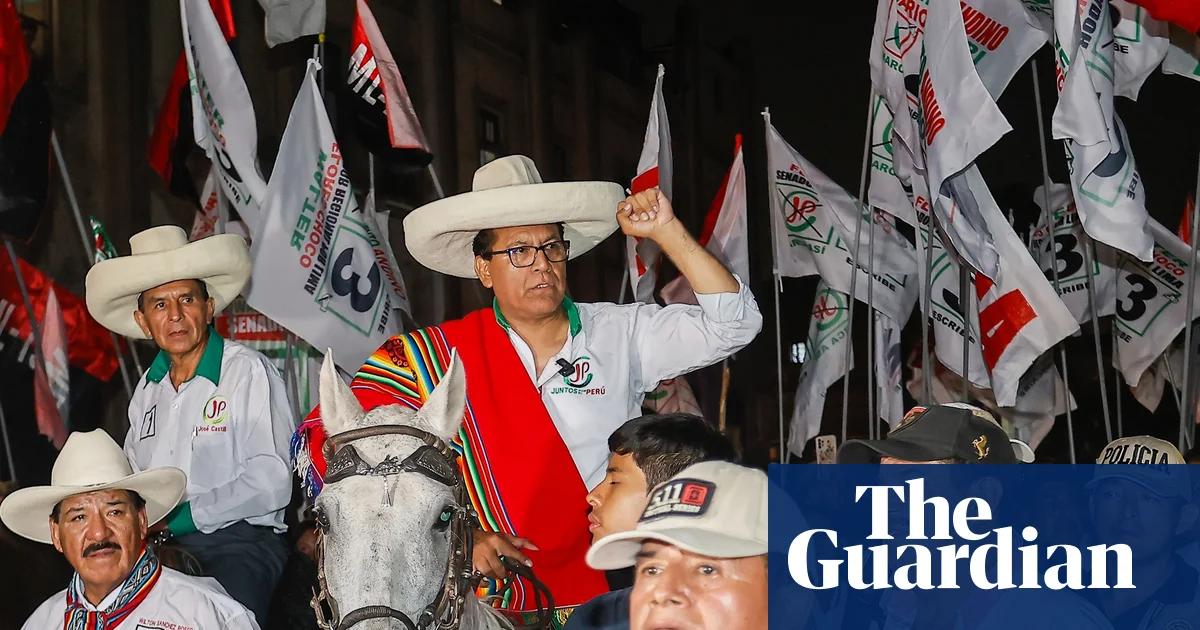
As Peru heads to the polls on Sunday, the nation stands on the brink of what could be a defining moment in its turbulent political history. The country, suffering from deep-rooted systemic instability, is grappling with a record 35 presidential candidates vying for power amidst a landscape rife with corruption, surging crime, and waning trust in institutions. The recent upheavals have created a perfect storm where the long-standing crisis of governance threatens to reshape the country’s future while exposing the vulnerabilities in Peru’s fragile political fabric.

  • The upcoming election is a reflection of the country’s frustration with corruption, with four former presidents currently jailed, most linked to bribes involving the multinational construction giant Odebrecht.
  • Record homicide and extortion rates highlight the urgent need for effective leadership, yet none of the candidates currently polls above 15%, suggesting a turbulent path to a clear outcome.
  • Analysts warn that the election’s unpredictability could lead to a runoff on 7 June, with surprises possibly emerging at the last minute, highlighting the volatile nature of Peru’s political landscape.

Among the contenders, Keiko Fujimori, the daughter of the former autocrat Alberto Fujimori, continues to hold a narrow lead in polls. Her repeated bids for the presidency, marked by a legacy tied to a controversial past, symbolize Peru’s ongoing struggle with its collective memory and the enduring influence of political dynasties. Meanwhile, populist figures such as Lima’s former mayor Ricardo Belmont have gained ground with promises of “hugs not bullets,” appealing to the youth and marginalized voters disillusioned with traditional politics. Analyst Gonzalo Banda remarks that Belmont’s anti-establishment stance indicates a broader dissatisfaction, capturing votes across the ideological spectrum, even as his rhetoric sometimes veers into xenophobia and sexism, further complicating the nation’s path forward.

The election also features candidates with more radical platforms, such as Jorge Nieto, a former defense minister promoting centrist policies, and Álvarez, a comedian turned political outsider who advocates for tough-on-crime measures reminiscent of Nayib Bukele in El Salvador. The emergence of a celebrity candidate who employs humor as a form of political critique underscores a broader frustration—many Peruvians feel alienated from the traditional political elite, perceiving their leaders as disconnected from the country’s urgent needs. This landscape of fractured trust signifies a deep crisis in the social contract, with nobody currently representing a renaissance capable of restoring hope or stability.

International observers, including scholars from University College London and organizations like the United Nations, warn that Peru’s choice in this election will have profound geopolitical impact. A government viewed as driftless or susceptible to populist demagoguery could embolden similar movements across the region, destabilizing a vital corridor of South America. Furthermore, the international community’s response to Peru’s political chaos will test the resilience of democratic institutions amidst a tide of discontent that threatens to spill beyond national borders. History’s pen is poised to write a chapter of upheaval and renewal—yet the outcome remains shrouded in uncertainty, leaving the world to witness the unfolding drama of a nation fighting to find its voice once more.


Justin Bieber Fancies Coachella Comeback with Nostalgic Performance

In an era where cultural phenomena often serve as vehicles for geopolitical shifts, the influence of youth culture cannot be understated. Recent reports highlight a notable instance where an international icon, widely celebrated across borders, engaged in a performance that included singing along with YouTube videos of early hits like Baby and Never Say Never. While seemingly trivial on the surface, this moment underscores a broader trend where entertainment, especially among the youth, becomes a conduit for shaping national identities and regional influence.

This act, though seemingly innocuous, takes on increased significance when contextualized within the global rise of social media and the cultural exchanges that are fundamentally redefining diplomatic engagement. Analysts emphasize that such moments serve as cultural touchpoints that foster a sense of shared experience among young audiences worldwide, particularly in countries where local governments seek to leverage pop culture as soft power. The geopolitical impact extends beyond mere entertainment; it influences perceptions, promotes cross-border dialogue, and sometimes even participates in shaping political discourse. Experts from the United Nations and various think tanks caution that if governments fail to adapt to these new forms of soft power, they risk losing influence in the hearts and minds of the emerging generations.

International organizations and regional powers are actively observing these cultural undercurrents, believing they have the potential to either bolster or undermine historical alliances and narratives. Decisions made by the youth and their idols increasingly ripple through diplomatic corridors, impacting trade, security alliances, and regional stability. The recent trend of pervasive digital engagement has led to a new battlefield where ideas and cultural symbols become tools of both influence and resistance. Historically, nations that successfully harnessed youth culture and integrated it into their strategic frameworks gained significant advantages—an insight shared by renowned historians and geopolitical analysts. They warn that in an interconnected world, the line between cultural influence and political strategy is blurring more than ever.

As the world watches this unfolding landscape, the weight of history presses relentlessly onward. The decisions made today—whether by governments, international bodies, or influential youth icons—will shape the geopolitical map for decades to come. The seemingly simple act of a star singing along to childhood hits on a YouTube video might seem insignificant; however, it symbolizes a new chapter where culture and geopolitics are no longer separate spheres. In the shadow of this ongoing cultural revolution, the global community is confronted with a profound question: whose narrative will ultimately shape the future of societies and nations? The answer remains written in the unfolding story, a story where youth, influence, and ideas command a new, formidable authority, steering the course of history into uncharted waters.

Anthropic’s AI Push: Overpowered by Big Tech?

In the rapidly evolving landscape of artificial intelligence, this week’s revelations about the San Francisco-based startup Anthropic underscore a new epoch of technological ambition intertwined with geopolitical tension. The company announced it has developed an AI model, Mythos, so formidable that it has chosen to withhold its release out of a profound sense of responsibility. Such decisions signal a shift in the way global power dynamics are being influenced by these emerging technologies, with nations now grappling over who controls the most advanced AI tools and how they will shape the future geopolitical order.

Behind the scenes, US officials, including Treasury Secretary Scott Bessent, have been engaging with major financial institutions to gauge the security implications of Mythos. The model, allegedly capable of uncovering zero-day vulnerabilities—flaws in software unknown even to developers—raises alarms concerning cybersecurity and national defense. This is particularly significant given recent disclosures of AI applications used for military purposes, such as targeting systems reportedly employed by the Pentagon. Anthropic’s positioning as a “responsible” innovator contrasts sharply with the more provocative disclosures from rivals like OpenAI, which has admitted to offering advanced tools to the US military with fewer safeguards in place. These contrasting approaches highlight how international actors are now making strategic decisions about AI deployment, balancing innovation with the risks of escalation.

Analysts such as James O’Reilly, an expert in offensive cybersecurity, have cast doubt on some of Anthropic’s claims, questioning the real-world implications of its assertions about Mythos’s capabilities. In particular, claims that such models have discovered thousands of zero-day vulnerabilities may be more politically motivated than technically substantiated. Meanwhile, international institutions, including the United Nations, are sounding the alarm over the democratization of lethal AI and cyber warfare. Historian and security analyst Gideon Lewis-Kraus warns that this technological arms race is accelerating faster than global governance structures can adapt, pushing the world closer to a precipice where AI-driven conflict could become commonplace.

Within this chaos, geopolitical impact is palpable. As nations race to establish dominance in AI, the boundaries of sovereignty and military power are shifting. Military alliances, trade agreements, and international laws are under strain from the rapid acceleration of AI capabilities, which threaten to redefine what it means to be a superpower. The strategic narratives from the US, China, and Russia reveal a shared underlying truth: the era of AI dominance is not just about technological supremacy, but about controlling the very fabric of global order. The decisions made today—whether to regulate, to deploy, or to halt—will echo through history, determining whether humanity steers toward peace or plunges into chaos.

As the dust settles on this new frontier, the weight of history presses down. Will this be the moment when humanity harnesses AI’s profound power for the good—a new renaissance—or the start of an era where technological ambition outpaces our capacity for restraint? The answers remain uncertain, but what is clear is that the decisions taken in the coming months will shape the future course of nations and societies—these are not just technological developments, but defining steps in the ongoing saga of human civilization’s relentless push toward the unknown.

Benin votes amid post-coup recovery: Presidential election underway

Benin’s Democratization Under Threat: A Pivotal Moment in West Africa

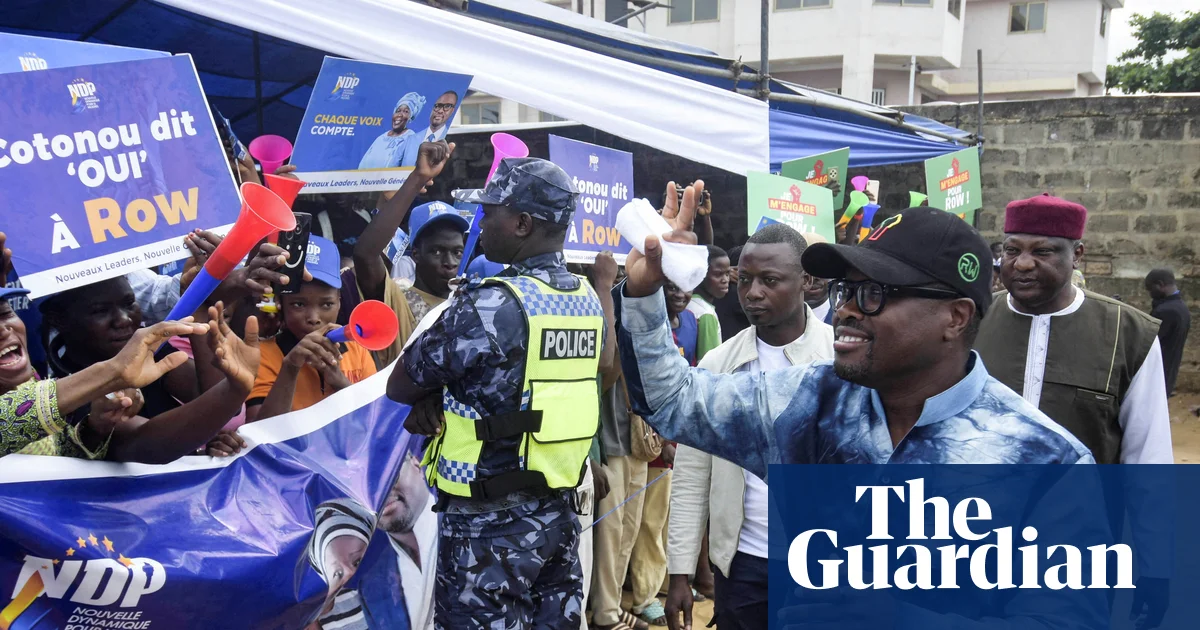
Since 2016, Patrice Talon has manipulated Benin’s political system from a businessman-turned-politician to consolidating an increasingly authoritarian regime. Now ineligible to run again due to constitutional term limits, Talon’s influence looms large over the upcoming election, where Romuald Wadagni, his technocratic finance minister, appears poised to ascend to power. This selection process, marked by political maneuvering and systematic sidelining of opposition figures, highlights the troubling erosion of democratic norms in a nation often viewed as a beacon of stability in the region. Analysts note that Wadagni’s steady hand, combined with the ruling coalition’s suppression of dissent, signals a further drift towards authoritarianism under the veneer of constitutional stability.

Many international observers, including human rights organizations and political analysts, warn that the recent constitutional amendments elongating presidential tenure from five to seven years—along with the systemic exclusion of opposition candidates—are designed to entrench the ruling coalition’s dominance. Africa Confidential reports suggest that Wadagni’s rise to power was facilitated through calculated methods, sidelining potential challengers and consolidating control. Such tactics reflect a broader regional trend where leaders, like Cameroon’s Paul Biya and Teodoro Obiang Nguema of Equatorial Guinea, remain in power well beyond democratic norms, setting a dangerous precedent for West and Central Africa. These developments threaten to undermine the fragile democratic gains of the past decade and deepen regional instability.

The Geopolitical Consequences of Consolidated Power

The significance of Benin’s political shift extends beyond its borders, shaping geopolitical stability across the Gulf of Guinea and West Africa at large. With the country’s youth comprising more than half of its population, Wadagni’s promises of free schooling and increased job creation could be a boon—if rooted in genuine reform. Yet, critics argue these are mere palliatives masking deeper authoritarian tendencies. Benin’s drift toward one-party dominance, rigid candidacy thresholds, and suppression of opposition voices threaten to stifle the democratic process, alienating the youth and marginal groups, which in turn fuels unrest and instability.

Furthermore, the region faces stiff challenges: an uptick in jihadist attacks along borders with Burkina Faso, Niger, and Nigeria has already strained national security. The marginalization of opposition voices and suppression of media—exemplified by imprisonments of journalists like Hugues Sossoukpè—raise alarms about human rights abuses and the potential for unrest. These dynamics, according to analysts, could complicate efforts for regional cooperation, especially within organizations like ECOWAS and the African Union, which emphasize democratic governance as a pillar of stability and progress.

The Unfolding Drama: A Cautionary Tale of Power and Resistance

As elections draw near amid low voter turnout—the recent parliamentary elections saw only 36% participation—questions persist over the legitimacy of the process. The leading opposition party, the Democrats, have refused to endorse Wadagni, branding the election as a “programmed exclusion” aimed at ensuring uninterrupted control by the ruling coalition. This political theater, with disqualified contenders and manipulated electoral thresholds, echoes a broader pattern of subversion observed in other African nations where democracy is sacrificed on the altar of power consolidation.

In the shadows of this political opacity, the people of Benin stand at a crossroads—faced with the stark choice of continuing a cautious, sometimes fragile democratization or succumbing to the temptations of one-party rule cloaked as progress. As international observers watch closely, the decisions made in Cotonou will not only define the future of this tiny West African nation but also serve as a stark reminder of how the pursuit of power can reshape history itself—sometimes for the worse, often with enduring consequences. The pages of history are still being written, and in Benin’s case, the ink of resistance and reform is fading fast, leaving a nation grappling with its identity and future amidst the shadows of its past.

Prosecutor investigates abuse allegations against California gubernatorial hopeful Swalwell

Intensifying Political Battles and Their Global Repercussions

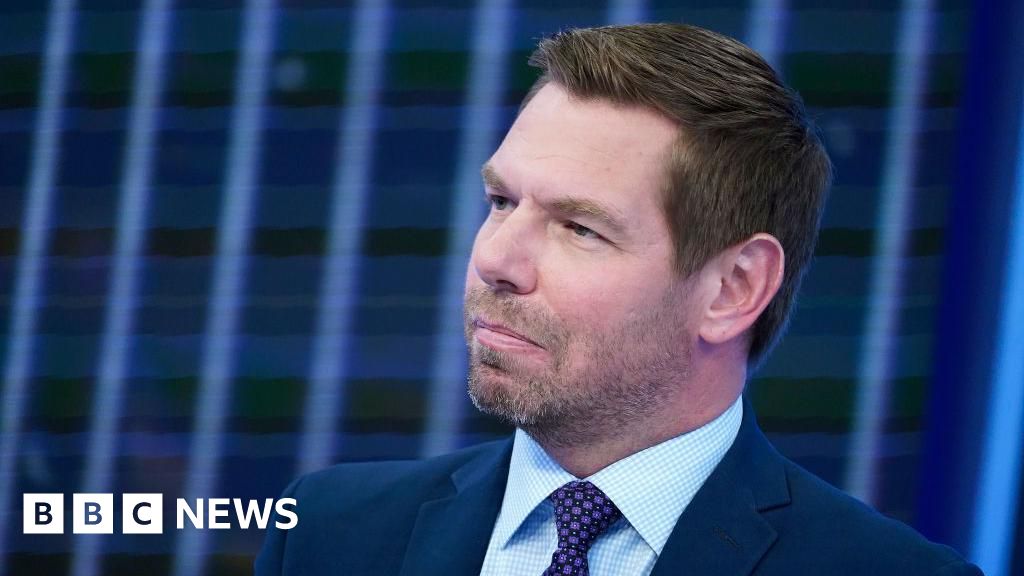
In recent weeks, political tensions within the United States have taken a decisive turn as a prominent Democrat—a leading contender in California’s gubernatorial race—firmly denied accusations levied against them. While on the surface this appears to be a standard intra-party dispute or campaign-related controversy, the underlying geopolitical impact extends far beyond state borders, touching on the stability of American political institutions and the international perception of U.S. governance. As analysts and international observers scrutinize these developments, they underscore how domestic politics increasingly influence global perceptions of America’s democratic resilience.

The controversy surrounding the Democrat’s denial is not isolated. Californian politics often serve as a barometer for broader national trends, with potential ripple effects on U.S. foreign policy. Historically, internal divisions and scandal management have shaped how the United States is viewed on the global stage, especially in an era of multifaceted international challenges. For example, global powers such as Russia and China monitor such events closely, exploiting perceived weaknesses to test American resolve or to undermine its influence. How the U.S. navigates these internal conflicts will influence its diplomatic leverage in critical arenas like trade negotiations, global security, and climate policy.

International organizations, including the United Nations and the International Crisis Group, have pointed out that turmoil within the world’s most powerful democracy can have destabilizing effects on global stability. Some analysts warn that prolonged political uncertainty in key states like California could embolden adversaries, eroding alliances and complicating efforts to address transnational issues such as cybersecurity, migration, and economic recovery in the post-pandemic era. The geopolitical significance is compounded by the fact that California remains a critical hub for technology, trade, and innovation—areas increasingly entangled with international rivalries. Consequently, the internal struggles of American political figures may inadvertently shift the balance of power in the wider geopolitical landscape, underscoring the importance of stability within its political system.

Notably, historical perspectives from scholars like Samuel P. Huntington and Francis Fukuyama highlight that internal divisions can be catalysts, either pushing democracies forward or plunging them into crisis. Today, many international observers perceive the ongoing controversy as a crucial turning point in American democracy, one that demands careful management. The decisions made now—whether to show resilience or capitulate to internal strife—will shape the future of American leadership in world affairs. As the dust settles, the world watches, aware that the ongoing story of internal American politics is intricately linked to global stability and order.

The weight of history hangs heavy as the United States faces this pivotal moment. Will it reaffirm its commitments to democratic principles amidst scandal? Or will internal divisions deepen, paving the way for new challenges to its global authority? The decisions, actions, and reactions during this critical period will serve as a defining chapter—one that history will record with all its complexities. As the international community braces for the unfolding narrative, it becomes painfully clear that in the realm of geopolitics, no internal conflict exists in isolation. The echoes of today’s political battles will continue to resonate across borders, shaping the future of nations and societies alike. The story remains unfinished, with history’s pen still in motion, recording each twist and turn of this civilizational saga.

Hungarian Youth Opt to End 16 Years of Orbán with New Leadership

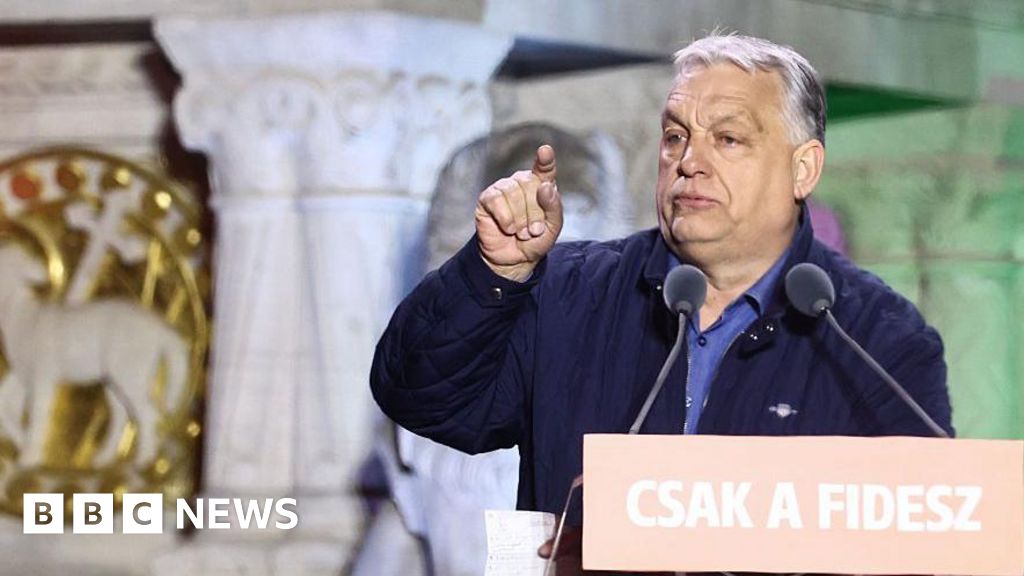
As the upcoming elections in Hungary draw nearer, the country finds itself at a pivotal crossroads. Polls currently favor Péter Magyar, a candidate representing a burgeoning grassroots movement that seeks to challenge the long-standing dominance of Prime Minister Viktor Orbán. Magyar’s campaign resonates with a youthful electorate yearning for change, emphasizing transparency, social justice, and economic reform targeted at revitalizing Hungary’s societal fabric. However, despite these promising signs for Magyar, Orbán remains defiant, rallying his traditional support base with a resilient nationalist narrative that emphasizes Hungary’s sovereignty and cultural identity.

This electoral showdown is not just a domestic affair; it carries significant geopolitical ramifications. Orbán’s government has, in recent years, cultivated a complex relationship with Brussels. His administration’s occasional pushback against EU legislation, particularly concerning migration and judicial independence, has raised alarms among international institutions and Western allies. Conversely, Magyar’s rise is viewed by some analysts as a potential shift towards more integrative policies aligned with European norms, promising to restore Hungary’s standing within NATO and the European Union. These internal dynamics are critical, as the outcome could influence Hungary’s future trajectory along the broader European geopolitical landscape, especially amidst ongoing tensions with Russia and the US.

Historian and international observers warn that the choice in Hungary embodies more than just national politics; it signals a clash of values at the heart of Europe. Experts from the International Crisis Group have emphasized that Hungary’s political orientation could serve as a bellwether for the continent’s ideological direction—either reinforcing a wave of populist nationalism or steering towards renewed engagement with Western institutions. As the world watches, the decisions made in Budapest may reverberate far beyond its borders, impacting alliances, trade, and regional stability. Viktor Orbán’s margins of victory, or Magyar’s potential victory, will undoubtedly serve as a potent indicator of where the European project is headed, and whether the continent is prepared to confront its future with unity or division.

With history hanging in the balance, the unfolding drama in Hungary remains a compelling narrative—one that continues to shape the course of European, and indeed global, geopolitics. The world stands at a critical juncture, where the fight for national identity, sovereignty, and the future of international cooperation is more intense than ever. As the election nears, the weight of history presses down on Budapest’s streets—every vote a stake in the destiny of nations, echoing through time as a testament to the enduring struggle for sovereignty and societal renewal.

India stands firm against criminalizing marital rape — our new series explores why.

The recent surge of interest surrounding Chiraiya, a widely viewed media phenomenon that has captivated millions across various social platforms, has ignited a fierce global debate on issues of consent and misogyny. This entertainment icon, initially celebrated for its innovative storytelling, has inadvertently become a catalyst for conversations transcending entertainment, touching sensitive topics that resonate with societal values worldwide. International observers note that such digital phenomena are increasingly influential, shaping perceptions and fueling debates that often extend beyond borders.

Experts from notable institutions such as the United Nations Educational, Scientific and Cultural Organization (UNESCO) and acclaimed cultural analysts emphasize that the popularity of Chiraiya exposes the complex interplay between modern media and societal norms. As social media amplifies these discussions, citizens across nations scrutinize their own cultural practices and legal frameworks related to gender relations. Many see this as a pivotal moment—a societal mirror—reflecting deeper, often unspoken issues surrounding gender dynamics, and the ways media influences collective consciousness. Historians, such as Dr. Elizabeth Monroe from Harvard, argue that such phenomena serve as historic indicators; they signal shifting social paradigms that demand rigorous examination and, potentially, policy response.

Nevertheless, the phenomenon also raises significant geopolitical repercussions. Countries in regions with deeply ingrained traditional views on gender roles find themselves at crossroads. Some governments are grappling with how to regulate content without infringing upon freedom of expression, while also addressing concerns over misogyny that some believe are inflamed by entertainment content. The debate echoes the ongoing tension within many nations’ legal and social systems—a tension that international organizations warn could escalate if left unaddressed. The World Health Organization (WHO) has issued statements emphasizing the importance of responsible media consumption, highlighting that unchecked propagation of misogynistic narratives may foster environments conducive to violence or discrimination.

Furthermore, the ripple effect of this debate touches diplomatic corridors, where international human rights frameworks are being challenged and reinterpreted. As nations observe each other’s responses—from legislative measures to public discourse—this cultural moment has the potential to influence geopolitical alignments. Countries that aggressively reform policies or tone down gender-based narratives may strengthen their reputations as modern, progressive states, while those perceived as complacent risk diplomatic criticism. Analysts like George Harrison from the International Crisis Group warn that the battle for cultural influence extends into the realm of international diplomacy, with media as the new battleground.

As history continues to unfold, the enduring significance of this phenomenon rests upon whether societies will harness this momentum to enact meaningful change or succumb to divisiveness. It remains an open question: Will this digital discourse catalyze a broader awakening towards gender equality, or will it deepen the divides that threaten to fracture social cohesion? The world watches—aware that, at this pivotal juncture, every decision shapes the trajectory of social justice for generations to come. The pages of history are being written, and the weight of the present moment promises to echo forward, echoing into an uncertain future—where the true battle for cultural sovereignty is only beginning.

Why a Young Trump Supporter Keeps Digging into Epstein Files

In a striking development that could have profound geopolitical repercussions, ongoing scrutiny of the Jeffrey Epstein case continues to ripple across international relations and societal narratives. The recent focus on previously sealed files, accessible now on the U.S. Department of Justice website, signifies a pivotal moment in the unfolding quest for transparency and justice. This renewed investigation takes place amidst a backdrop of persistent allegations involving influential figures across various nations, raising questions about hidden alliances, covert networks, and the integrity of the global elite.

Among those driven by a thirst for truth is Cayden McBride, a 19-year-old student from Rome, Georgia, who has dedicated countless hours poring over these documents. Such individual acts of inquiry symbolize a broader youth movement demanding greater accountability from powerful institutions. International analysts warn that revealing details from the Epstein files could unsettle delicate diplomatic balances, especially if any foreign nationals or political entities are implicated. For decades, such clandestine activities have fueled speculation about collusion between state actors and shadowy private networks. Now, with these files gaining public access, society stands at a crucial crossroads where transparency might challenge entrenched power structures.

The global community watches with heightened concern as revelations continue to emerge. Key international institutions such as the United Nations and Interpol have issued cautious statements, emphasizing the importance of upholding justice and preventing the manipulation of sensitive information. Yet, critics argue that government efforts to control narratives threaten to stifle the flow of truth, fostering distrust and unrest. Meanwhile, historians like Dr. Laura Bennett warn that such cases serve as turning points, exposing systemic flaws that have persisted through eras of political upheaval. The potential ramifications extend far beyond individual accusations — they could redefine international trust in the rule of law.

As these intricate threads intertwine, the geopolitical impact becomes undeniable. Nations may find themselves compelled to revisit agreements, reassess alliances, and confront uncomfortable truths about their histories and networks. The revelation process underscores a vital question: how do societies reconcile the pursuit of transparency with the realities of global power dynamics? The ongoing saga of the Epstein files has not yet reached its conclusion. Instead, it has become a potent symbol of the ongoing struggle between secrecy and exposure, between entrenched power and public awakening. The pages of history continue to turn, leaving the world to ponder whether this is merely a prelude to profound reform or an escalation in an ongoing battle that threatens to reshape the very foundations of international order.

Australia News: Govt Launches Campaign to Cut Fuel Use Amid Ongoing Supply Crisis

As the world grapples with ongoing disruptions to global supply chains, **energy security** has become an increasingly critical issue. Australia, a nation heavily dependent on imported fuel, has recently taken strategic steps to mitigate the potential fallout from these unprecedented challenges. The Australian government has launched a nationwide advertising campaign aimed at encouraging its citizens to reduce fuel consumption amidst persistent shortages. This initiative underscores the broader dilemma facing nations worldwide: balancing immediate energy needs with long-term geopolitical stability. Federal officials, including Transport and Infrastructure Minister Catherine King, emphasize the importance of public cooperation in navigating these turbulent times, while highlighting the delicate interplay between national policies and global supply dynamics.

In a move that signals Australia’s intent to diversify its fuel sources and safeguard its energy supplies, Prime Minister Anthony Albanese recently negotiated a bilateral agreement with Singapore. This pact seeks to ensure mutual access to fuel supplies, a strategic maneuver aimed at reducing reliance on unstable regional logistics and geopolitical chokepoints. However, experts warn that this isn’t a quick fix. Energy Minister Chris Bowen warns of a *“long tail”* of supply disruptions—meaning the ripple effects of the conflict in the Middle East, particularly the ongoing instability in the region’s oil-producing territories, may linger well beyond the immediate crisis. This foresight highlights the interconnectedness of global oil markets and the vulnerability of nations significantly dependent on imports.

From an international perspective, analysts view Australia’s approach as a microcosm of what many nations are forced to confront: how to maintain economic stability and societal wellbeing amid uncertain geopolitical tensions. The global energy crisis has become a crucial flashpoint, especially as OPEC nations and other key producers make unpredictable decisions affecting supply and prices. Several international organizations, such as the International Energy Agency, have issued warnings about the risk of prolonged instability, urging nations to bolster strategic reserves and explore alternative energy sources. Nonetheless, the reality remains stark: the decisions made today—whether to diversify supply routes or to incentivize domestic production—will shape the geopolitical landscape for decades.

Historians and analysts alike recognize that energy conflicts often serve as catalysts for larger geopolitical shifts. As nations scramble to protect their interests, new alliances are forged, and old rivalries are reignited. The current global supply chain crisis and the response of individual countries illustrate a broader truth: in an era of interconnected vulnerabilities, decisions made in Canberra, Washington, or Beijing resonate far beyond their borders and contribute to a sweeping story of strategic recalibration. This fragile balance of power and resource has the potential to ignite conflicts, alter alliances, or even redefine notions of sovereignty. As history continues to unfold, one thing remains certain—the weight of this new age of energy diplomacy will be felt for generations, shaping the geopolitics of the 21st century with every critical decision.

Washington Officials Confirm 21 Dead Canines Were Foxes, Settling Local Mystery

In a case that has captivated and unsettled local communities along the shores of Washington, authorities have finally unraveled the mystery behind nearly two dozen carcasses of canines washed ashore on Guemes Island. After extensive investigations, the Skagit County Sheriff’s Office confirmed that these animals, believed to be foxes—legally purchased and used as bait—had their unfortunate demise linked to routine fishing practices. This revelation underscores not only the complexities of local wildlife management but also highlights the broader debate over maritime resource exploitation and environmental oversight.

Reports indicated that the carcasses appeared deteriorated, some missing fur and paws, which initially led to confusion over the species involved. Authorities suggested that a mechanical malfunction on a cargo vessel resulted in the release of these bait animals into the water—a scenario consistent with the transportation of lawful supplies. The law enforcement emphasized that the responsible party was cooperative and that no charges are anticipated at this stage, framing the incident as a tragic but lawful consequence of fishing operations. But beneath these facts lies a broader geopolitical impact: the ongoing tension between environmental preservation and the economic interests of fishing industries, often driven by lax regulations or enforcement gaps.

International perspectives abound on this issue, with analysts noting that the use of live bait like foxes and other small mammals is common in many maritime nations, yet it raises questions about how international standards regulate wildlife use in commercial harvesting. Environmentalists and international organizations, including the United Nations Food and Agriculture Organization, have repeatedly called for stricter controls over fishing bait practices, warning that such procedures can inadvertently harm local ecosystems and foster a climate of recklessness. Historians remind us that similar incidents—though less targeted at canines—have historically signaled shifts in maritime law enforcement, often following ecological disasters or lapses in oversight that threaten the fabric of global seafood sustainability.

As residents and local authorities attempt to dismiss sensational rumors about wolves, witches, or supernatural interference, the reality remains that these events reflect a larger international struggle over resource use, environmental protection, and societal values. The strategic importance of U.S. coastal waters in global fisheries inevitably attracts regulatory attention, with international organizations warning of the potential for unchecked exploitation turning into ecological crises. The incident on Guemes Island is a stark reminder that every decision in harbor and water management has reverberations far beyond local shores—carrying the weight of history and the future of sustainable resource stewardship. As the investigation concludes, the narrative of human interaction with nature continues to unfold—each chapter shaping the legacy we leave for generations to come, with the fate of ecosystems balanced precariously on the edge of policy and practice.

Social Media Auto Publish Powered By : XYZScripts.com