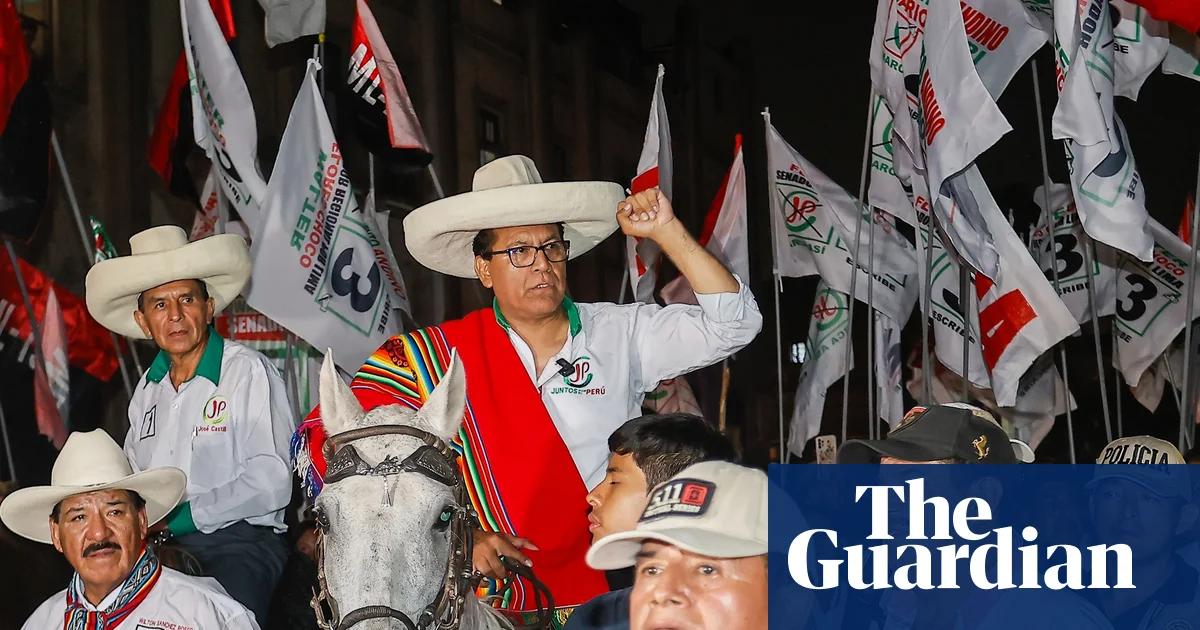
As Peru heads to the polls on Sunday, the nation stands on the brink of what could be a defining moment in its turbulent political history. The country, suffering from deep-rooted systemic instability, is grappling with a record 35 presidential candidates vying for power amidst a landscape rife with corruption, surging crime, and waning trust in institutions. The recent upheavals have created a perfect storm where the long-standing crisis of governance threatens to reshape the country’s future while exposing the vulnerabilities in Peru’s fragile political fabric.
- The upcoming election is a reflection of the country’s frustration with corruption, with four former presidents currently jailed, most linked to bribes involving the multinational construction giant Odebrecht.
- Record homicide and extortion rates highlight the urgent need for effective leadership, yet none of the candidates currently polls above 15%, suggesting a turbulent path to a clear outcome.
- Analysts warn that the election’s unpredictability could lead to a runoff on 7 June, with surprises possibly emerging at the last minute, highlighting the volatile nature of Peru’s political landscape.
Among the contenders, Keiko Fujimori, the daughter of the former autocrat Alberto Fujimori, continues to hold a narrow lead in polls. Her repeated bids for the presidency, marked by a legacy tied to a controversial past, symbolize Peru’s ongoing struggle with its collective memory and the enduring influence of political dynasties. Meanwhile, populist figures such as Lima’s former mayor Ricardo Belmont have gained ground with promises of “hugs not bullets,” appealing to the youth and marginalized voters disillusioned with traditional politics. Analyst Gonzalo Banda remarks that Belmont’s anti-establishment stance indicates a broader dissatisfaction, capturing votes across the ideological spectrum, even as his rhetoric sometimes veers into xenophobia and sexism, further complicating the nation’s path forward.
The election also features candidates with more radical platforms, such as Jorge Nieto, a former defense minister promoting centrist policies, and Álvarez, a comedian turned political outsider who advocates for tough-on-crime measures reminiscent of Nayib Bukele in El Salvador. The emergence of a celebrity candidate who employs humor as a form of political critique underscores a broader frustration—many Peruvians feel alienated from the traditional political elite, perceiving their leaders as disconnected from the country’s urgent needs. This landscape of fractured trust signifies a deep crisis in the social contract, with nobody currently representing a renaissance capable of restoring hope or stability.
International observers, including scholars from University College London and organizations like the United Nations, warn that Peru’s choice in this election will have profound geopolitical impact. A government viewed as driftless or susceptible to populist demagoguery could embolden similar movements across the region, destabilizing a vital corridor of South America. Furthermore, the international community’s response to Peru’s political chaos will test the resilience of democratic institutions amidst a tide of discontent that threatens to spill beyond national borders. History’s pen is poised to write a chapter of upheaval and renewal—yet the outcome remains shrouded in uncertainty, leaving the world to witness the unfolding drama of a nation fighting to find its voice once more.