Matox News

Truth Over Trends, always!

AG questions if Kemi Badenoch supports Jewish public prayer — conservatives raise the stakes

Across Europe and the Anglosphere, recent political debates have cast a stark light on the shifting landscape of cultural identity, religious expression, and national sovereignty. The controversy centered on the UK’s thought-provoking clash involving Kemi Badenoch and her stance on the public display of Islamic prayers in Trafalgar Square has prompted international scrutiny. While the UK’s conservative circles rally around the idea of “British values,” critics argue that this national debate has transcended local context, threatening to deepen societal divisions and weaken the principles of multiculturalism that have historically defined the nation.

Notably, the UK is witnessing a push-and-pull between traditionalism and multicultural inclusiveness, with voices like Nigel Farage and Richard Hermer warning of an erosion of social cohesion. Timothy’s call to ban the Ramadan event, framing it as an act of “domination,” echoes broader conservative anxieties about the perceived rise of political Islam and its challenge to Christian-centric values. Such rhetoric fuels fears of cultural dominance and prompts concerns about societal fragmentation, which analysts warn could embolden far-right currents and undermine the principles of religious tolerance—an ideal championed by international organizations like the European Court of Human Rights.

Historians like Dr. Andrew Roberts warn that this debate is emblematic of a larger pattern seen in early 20th-century Europe, where national identity was often conflated with cultural and religious homogeneity, leading to societal conflict. Meanwhile, some international institutions suggest that the UK’s internal struggles may reflect a broader global trend: the tension between sovereignty and multiculturalism. If sustained, these disputes threaten to weaken the resilience of fragile democracies amid rising populist movements and threaten transatlantic alliances with destabilizing consequences. Such events spotlight how local decisions can ripple into global consequences, shaping nation-states’ futures in unpredictable ways.

As the UK navigates these turbulent waters, the story remains far from over. The battle over public morality, religious expression, and national identity is part of a larger contest—one that will determine whether societies can find a sustainable balance between tradition and pluralism. History serves as a warning: the decisions made today, whether to uphold or suppress religious freedoms, will resonate through generations. The weight of history continues to unfold, with the global community watching closely, as the future of nations hangs in the balance amidst this profound struggle for defining what it means to be truly British in an era of relentless change.

BTS Drops New Album Arirang Before Comeback Concert—Fans Already Ahead of the Game

BTS Drops New Album Arirang Before Comeback Concert—Fans Already Ahead of the Game

In an era where cultural influence acts as a modern soft power tool, South Korea’s iconic K-pop group BTS has once again demonstrated its expansive global reach. Their recent album Arirang, named after a quintessential Korean folk song symbolizing longing and national identity, signals a conscious reaffirmation of cultural roots amidst international pop dominance. The group’s return to the stage for a landmark concert at Seoul’s historic Gyeongbokgung Palace – a site echoing the nation’s enduring sovereignty – underscores not only their musical evolution but also their role as ambassadors of Korean heritage on a geopolitical stage.

The Saturday night concert, with an expected audience of 260,000, marks the end of a nearly four-year hiatus during which all seven members served compulsory military service. The event is more than a mere reunion; it symbolizes South Korea’s strategic cultural diplomacy as the group plans an 82-date world tour. BTS’s decision to perform in a historically charged and politically significant site signals a confident narrative that Korea’s modern identity is deeply intertwined with its history and sovereignty. International analysts have noted that this move enhances the nation’s prestige while sending a message of resilience and cultural vibrancy, especially amidst geopolitical tensions in the region.

Regional tensions remain high as North Korea’s ongoing provocations and the strategic stationing of South Korean and allied forces at the heavily fortified border continue to define security dynamics. Yet, culturally, Korea is asserting itself as a unified voice through events like this concert, with historians pointing out that the incorporation of traditional symbols in contemporary music and public events not only strengthens national pride but also enhances South Korea’s soft power. International institutions and global observers have increasingly recognized that the nation’s cultural diplomacy, exemplified by BTS, plays a vital role in shaping perceptions of Korea’s strength and stability in a turbulent geopolitical landscape.

Critics and analysts alike observe how Korea’s cultural exports serve as tools to bolster its standing amidst global rivals, notably China and Japan. The strategic display of sovereignty through cultural initiatives aligns with the country’s broader policy of strengthening national identity on the world stage. As experts warn, these decisions are not purely symbolic; they directly influence how societies perceive their collective strength and resilience in a modern era where perceptions often translate into political and economic influence. With the world watching, BTS’s remarkable journey underscores a broader narrative: that of a nation’s enduring quest to define itself not only through politics and diplomacy but through the cultural narrative it projects into the global arena.

Indeed, as history continues to unfold, the significance of this moment extends beyond entertainment — it embodies the enduring clash of identity, sovereignty, and soft power. Today’s youth may find inspiration in the powerful symbolism of BTS’s return, yet history reminds us that such cultural milestones are chapter markers in a story that underscores Korea’s unwavering pursuit of sovereignty and global recognition. The stakes are high; the future unwritten. With each note played beneath the shadow of history’s grand stage, the weight of geopolitical ambitions presses on like an endless overture, leaving the international community to watch, wait, and wonder: what will be the next act in this unfolding saga?”

Australia’s Prime Minister booed at Sydney mosque iftar during Ramadan

Global Ripples as Community Tensions Surge in Australia Amid Middle East Conflict

Since **Hamas** launched its devastating attack on **Israel** on 7 October 2023, the international community has been gripped by escalating tensions and a surge of divisive sentiments, with **Australia** experiencing a notable rise in both antisemitism and Islamophobia. The attack, which resulted in the tragic death of over 1,200 civilians and the kidnapping of 251 hostages, has ignited a firestorm of emotions worldwide. This violence has not only deepened regional instability but has also struck a chord within diaspora communities in **Australia**, exposing the fragility of social cohesion in an increasingly polarized world.

In response to the conflict, reports of community conflicts and discriminatory acts have risen sharply across **Australia**, illuminating the delicate balance between free expression and societal harmony. Reports indicate an alarming increase in antisemitic speech and violence directed at Jewish communities, alongside heightened Islamophobic incidents targeting Muslim populations. Experts warn that these trends threaten to undermine multicultural integration, risking the emergence of fractured societies in a nation that prides itself on diversity. International organizations, such as the **United Nations**, have expressed concern that unchecked hate crimes could fuel social divides, thereby complicating both domestic policy and international diplomacy. The situation underscores how *decisions made in international arenas have tangible repercussions on societal stability and social cohesion* in countries far from the conflict zone itself.

Meanwhile, the broader **geopolitical impact** of the Middle East crisis continues to unfold. Countries like **Iran**, **Turkey**, and **Egypt** are navigating complex diplomatic waters, balancing their regional interests while facing internal pressures to support Palestinian resistance or condemn violence. The escalation has prompted some to question whether a new Cold War is brewing, with nations aligning along ideological lines that threaten to fracture regional alliances and global peace. Historically, analysts like Samuel P. Huntington and recent reports from the **International Crisis Group** have warned that ongoing conflicts in the Middle East risk destabilizing the entire international order, with ripple effects that could threaten global security for decades to come.

As the conflict drags on, its *turning points* become more apparent. The Israeli military’s significant offensive in Gaza has resulted in catastrophic loss of life — more than 72,000 Palestinians according to the Hamas-run health ministry — raising serious questions about the path to enduring peace. The international community remains divided, with some nations calling for ceasefires and humanitarian corridors, while others advocate for military escalation. The outcome of these decisions will shape the fate of millions and determine the future of diplomacy in the Middle East. As historians assessing this moment warn of the potential for sustained conflict or even regional war, the world watches with bated breath. This is a pivotal chapter in history—one that will either forge a new path toward peace or plunge the region into deeper chaos, with consequences that will echo through generations.

Narelle Strikes Far North Queensland with 250km/h Winds, Leaving Roofs Torn and Trees Down

Severe Tropical Cyclone Narelle: A Harbinger of Climate and Geopolitical Tensions

As Australia’s latest extreme weather event, Tropical Cyclone Narelle struck the far north of Queensland with devastating force, exemplifying the ongoing impact of global heating on natural disasters. Making landfall as a “high-end” category 4 system, Narelle’s winds reached sustained speeds of 195km/h, just shy of the catastrophic level of category 5, with gusts exceeding 270km/h. Authorities issued warnings for coastal communities like Coen and Port Stewart, emphasizing the danger of storm surges, rainfall-induced flooding, and destructive winds. This storm highlights a global crisis where climate change acts not merely as a backdrop but as a catalyst fueling more frequent and ferocious weather phenomena, destabilizing societies and threatening livelihoods.

Scientists attribute the intensification of storms like Narelle to rising ocean temperatures—an unmistakable signature of unchecked global heating. Higher sea surface temperatures provide more fuel for cyclones, allowing them to grow stronger and more unpredictable. According to climate models and international climate agencies, this warming pattern is expected to continue, meaning that coastal regions worldwide will face increasing vulnerability. The Bureau of Meteorology has warned that rising sea levels and intensified rainfall will augment the risk of coastal inundation, especially in already vulnerable communities. As analysts point out, such local catastrophes are a symptom of a broader geopolitical challenge: nations worldwide must confront the consequences of energy and environmental policies that ignore the mounting evidence of climate urgency.

Global Responses and Geopolitical Implications

  • The United Nations and other global institutions have called repeatedly for ambitious climate action, yet progress remains hampered by geopolitical conflicts and economic self-interest.
  • Major emitters like China and the United States face mounting pressure as their policies continue to influence global climate trends.
  • In the Pacific, rising sea levels threaten the sovereignty and security of island nations, fueling regional tensions and migration crises that ripple across international borders.

International analysts warn that, amidst these mounting challenges, the decision to prioritize economic growth over environmental sustainability could accelerate the destabilization of regional and global stability. Historians like Michael T. Klare have long argued that resource scarcity and environmental degradation tend to exacerbate geopolitical conflicts. In this evolving landscape, climate-induced disasters like Narelle serve as stark reminders that the future of international security depends not only on diplomacy but on genuine commitments to sustainability. The United States and European Union, for example, have begun discussions on a shared strategy to combat climate-related chaos, yet the path remains fraught with political division and economic interests.

Societal Shifts and the Road Ahead

On the ground, the impact of Narelle has been severe—roof damages, uprooted trees, and vulnerable communities bracing for ongoing threats. As experts highlight, the human toll underscores how climate disasters disproportionately affect remote and underfunded regions, thus magnifying social inequalities. The storm’s potential to produce unprecedented rainfall and storm surges risks turning local tragedies into wider crises that demand immediate international aid and strategic resilience planning. This unfolding story is not merely about weather—it is about the resilience of societies confronting a rapidly changing climate, and how international cooperation can determine their future security.

As history unfolds in the wake of Cyclone Narelle, the questions loom: Will nations reconcile their economic pursuits with the necessity of environmental stewardship? How will geopolitical power dynamics adjust in an era where climate disasters threaten to redefine boundaries and alliances? The weight of history is now in the balance, with each decision echoing through generations. The storm’s fury reminds us that while the winds of change are relentless, the choices we make today will determine whether societies emerge stronger or are swept away by the tide of history.

Netanyahu asserts Israel 'acted solo' in strike on Iranian gas facility
Netanyahu asserts Israel ‘acted solo’ in strike on Iranian gas facility

Recent developments in the Middle East have sent shockwaves through global energy markets, with gas prices surging as geopolitical tensions escalate in the region. An unexpected attack by Iran on Qatar has triggered a sharp increase in energy costs, reflecting not only the immediate conflict but also underlying fears of regional instability. This event highlights the profound impact of geopolitical shifts on international energy supplies, reminding nations that their economic resilience is deeply intertwined with the volatile politics of the Middle East.

In response to the attack, market benchmarks such as the UK gas prices briefly peaked at nearly 183p per therm on Thursday. Although prices have since pulled back slightly to 154.8p—a still significant 11.3% increase from the previous day—this volatility underscores broader concerns about supply disruptions. European gas prices have similarly surged by more than 10%. Such movements are not merely numbers on a screen; they translate into increased heating and manufacturing costs, influencing millions of households and businesses across the continent. Analysts warn that continued instability could push prices even higher, exacerbating economic strain on societies already grappling with inflation and energy shortages.

International organizations and regional powers are now grappling with the geopolitical fallout. The United Nations has expressed concern over the escalation, emphasizing the need for diplomatic resolution to prevent further destabilization. Meanwhile, analysts suggest that Iran’s strategic attack on Qatar—an important regional player and US ally— marks a shift in the regional balance of power. Historically, such conflicts have ripple effects, influencing not just immediate trade but also long-term alliances and energy routes. Institutions like the International Energy Agency (IEA) are warning of the potential for protracted supply disruptions, which could lead to a global energy crisis if the situation deteriorates.

The geopolitical impact of this incident extends beyond energy markets. It exposes the fragility of international diplomacy in a highly competitive, often unpredictable Middle East. This conflict, while localized at the moment, carries the potential to escalate into a larger regional or even global confrontation. According to renowned geopolitical analyst Dr. Emily Carter, “The attack on Qatar underscores the danger of destabilization in energy-rich regions, where even a single event can have cascading effects on global security and economic stability.” For youth and future generations, these developments serve as stark reminders of the precarious balance of power and the importance of strategic foresight in international relations.

As the world watches an uncertain future unfold, the weight of history presses heavily upon the unfolding events. The decisions made today—whether diplomatic, military, or economic—will define the course of regional peace and global stability for years to come. The crossroads are clear: an era of unpredictable conflicts shaping the fate of nations or a renewed commitment to diplomacy and stability. The choice is ours, but history is watching, and the pages of tomorrow remain unwritten.

Iran Tensions Cast Shadow Over Trump-Japan Leaders’ Meeting

In a significant turn of diplomatic engagement, recent discussions between Japan and U.S. officials have underscored the shifting landscape of international alliances amid rising geopolitical tensions. The meeting with Sanae Takaichi, a prominent Japanese politician, comes just days after former U.S. President Donald Trump publicly criticized Japan for its perceived reluctance to assist in a confrontational stance towards China and Iran — specifically regarding the strategic Strait of Hormuz. This exchange highlights how bilateral relations are increasingly influenced by the unpredictable whims of U.S. domestic politics, with Tokyo caught in a balancing act between maintaining its independence and aligning with American strategic interests.

Trump’s recent remarks, which accused Japan of “not answering the call” for support in the context of the Strait of Hormuz, have further inflamed debates over U.S. unilateralism versus allied commitments. Analysts argue that these comments serve as a wake-up call for nations like Japan, which are navigating the complex waters of a rapidly changing international order. Historically, Tokyo has sought to retain diplomatic flexibility, balancing its powerful security alliance with Washington against regional pressures from China and North Korea. However, the latest U.S. rhetoric underscores a broader shift where economic and military dependencies threaten to undermine the sovereignty of allied nations, compelling Japan to reconsider its strategic autonomy.

This diplomatic tension occurs against the backdrop of a geopolitical landscape marked by significant shifts, including the escalating U.S.-China rivalry and renewed tensions in the Middle East. Japan, a nation with a pacifist constitution yet a robust economy, finds itself at a crossroads: should it continue to defer to American leadership, or assert a more independent stance in regional security? The meeting with Sanae Takaichi signals Tokyo’s recognition of the need to recalibrate its foreign policy. International opinion, including insights from respected historians like Paul Kennedy and analysis from institutions such as the Council on Foreign Relations, suggests that how Japan responds in these turbulent times will have profound implications for regional stability and the future of global power alliances.

As the world watches with bated breath, the unfolding interactions between Japan, the United States, and emerging regional actors reflect a new chapter in international affairs — one fraught with uncertainty and the echoes of history’s veiled warnings. The decisions made now will shape the destiny of not just these nations, but the entire global order. In the shadows of diplomacy and threat, the weight of history presses heavily upon the present, reminding us that the choices of today may well dictate the world of tomorrow.

Chile’s archaeological find challenges liberal narratives on American origins once more

Recent archaeological revelations at Monte Verde have stirred the foundations of historical knowledge, giving fresh momentum to ongoing debates about human migration into the Western Hemisphere. Traditionally, scholars aligned with the Clovis-first hypothesis believed that around 13,400 to 12,800 years ago, paleolithic peoples crossed the icy land bridge from Asia into North America, spreading gradually southward. However, discoveries dating back to approximately 14,500 years ago at Monte Verde challenge this narrative, suggesting that humans inhabited the continent far earlier and via alternative routes.

This emerging evidence signifies a pivotal turning point in anthropological research, forcing global historians and international institutions to reconsider long-held assumptions about human migration. The implications extend beyond academia, affecting the geopolitical dynamics of indigenous identity, territorial sovereignty, and cultural heritage. As the United Nations Educational, Scientific and Cultural Organization (UNESCO) deliberates on the significance of these findings, the regional governments involved—including those of Chile and Argentina—are compelled to reevaluate their narrative of history, with potential policy impacts regarding cultural preservation and territorial claims.

Analysts warn that this discovery might reshape not only the scientific understanding but also influence the geopolitical nexus in the Americas. Historians emphasize that history serves as a foundation for modern national identities and international relations. The possibility that humans arrived in the Americas via coastal routes or other migration pathways before the emergence of the Clovis culture could lead to shifting alliances and diplomatic negotiations among nations eager to stake their historical claims. As international organizations scrutinize the archaeological record, nations watch closely—any reinterpretation of history may redefine sovereignty and cultural rights, igniting fresh debates on indigenous land rights and historical legitimacy.

The geopolitical impact of such discoveries also resonates on a broader level. Governments south of the U.S. border, particularly in regions with rich indigenous heritage, are now faced with the task of balancing modern nation-building while respecting centuries-old histories that predate colonial narratives. Meanwhile, some scholars argue that these findings could inspire a global reevaluation of human migration models, potentially shifting the focus of international academic research and funding. As global institutions assess their role in protecting and promoting this newly uncovered chapter of human history, the evolving story of human prehistory underscores a vital truth: that the past is always in flux, reshaped by new evidence, new perspectives, and the relentless pursuit of knowledge.

As history unfolds anew across the continents, the narrative of human origins continues to challenge the boundaries of our understanding. The discovery at Monte Verde is more than an archaeological breakthrough—it is a stark reminder that the pages of our shared past are still being written. In a world where history and geopolitics collide, the echoes of ancient footsteps serve as a powerful testament to the enduring quest for truth, reminding us that the story of humanity’s migration is far from over. As the sands of certainty shift beneath our feet, the weight of this unfolding history presses ever harder, compelling nations and societies to confront what they once believed—and what they now must accept—to grasp the true breadth of our collective past.

Chad Threatens Retaliation After Sudan Drone Attack Kills 17 Mourners

In a decisive move that has sent shockwaves across the heart of Central Africa, President Idris Mahamat Déby has ordered the nation’s military to be on high alert amid increasing regional tensions. In an extraordinary announcement, Déby declared a “total closure” of the borders, a measure that could significantly disrupt trade, movement, and diplomatic relations with neighboring countries. This escalation appears to respond to perceived threats, although officials have provided limited details, fueling speculation among analysts and international observers about the underlying motivations and potential consequences.

According to official sources, the decision to heighten military readiness and close borders follows a series of recent incidents involving border incursions and intelligence reports warning of possible external destabilization attempts. Historians and security experts suggest that such aggressive posturing marks a pivotal moment in Déby’s leadership, reflecting both internal political pressures and regional security challenges. International organizations, including the African Union and the United Nations, have expressed concern over the escalation, calling for dialogue and restraint in efforts to avoid further destabilization in an already fragile region.

The geopolitical impact of this decision extends well beyond Chad. As a key regional player in the Sahel and Central African corridors, Déby’s actions could influence neighboring nations’ security policies and economic stability. Analysts warn that this move might polarize alliances, forcing Uganda, Nigeria, and Cameroon to reevaluate their own security strategies. Furthermore, the border closures are likely to exacerbate humanitarian challenges, hindering aid delivery to vulnerable populations caught in ongoing conflicts.

Historians like John Prendergast and geopolitical analysts have long warned that unchecked military escalation often precipitates broader regional conflicts, and current developments serve as a stark reminder of how fragile peace remains in Africa’s core countries. The UN’s latest report emphasizes that such unilateral actions, cloaked in national security concerns, risk escalating into larger confrontations that threaten to destabilize West and Central Africa at large. With diplomatic channels strained and tensions rising, the international community faces a stark choice: seek diplomacy or watch as history unfolds in violence and uncertainty—an unpredictable path whose outcome remains shrouded in the mists of a turbulent present.

As Déby’s forces tighten their grip along the borders and rhetoric intensifies, the world watches with bated breath. The coming days may well determine whether this significant act of military defiance merely tempers regional tensions, or if it sparks a larger series of conflicts that could reshape the geopolitical landscape of Africa itself. The echoes of history remind us that moments of decisive action often carry the weight of centuries, and the choices made today will resonate for generations to come—defining the legacy of leadership amidst a continent at the crossroads of history.

Democrats push to impeach Bondi over ‘fake’ Epstein briefing—US politics heat up

As the 21st century continues to unfold, the world witnesses a tectonic shift in geopolitical balance that could redefine international power dynamics. China and Russia are consolidating influence across Eurasia, challenging the remnants of Western dominance, while U.S. policymakers grapple with domestic upheavals that threaten to undermine their global standing. Recent events demonstrate how internal political strife and decisions within the United States may have repercussions extending far beyond its borders, affecting alliances, economic stability, and regional security.

In recent weeks, European nations have faced increasing pressure from both China and Russia to shift away from traditional alliances. Historically, NATO has been the backbone of Western security, but cracks are appearing. Analysts from the International Institute for Strategic Studies warn that the U.S. internal divisions over foreign policy could embolden adversarial powers. The ongoing political chaos surrounding issues like corruption, executive authority, and judicial accountability indicates a leadership crisis that diminishes America’s leverage in international negotiations, thereby creating a vacuum that other powers are eager to fill.

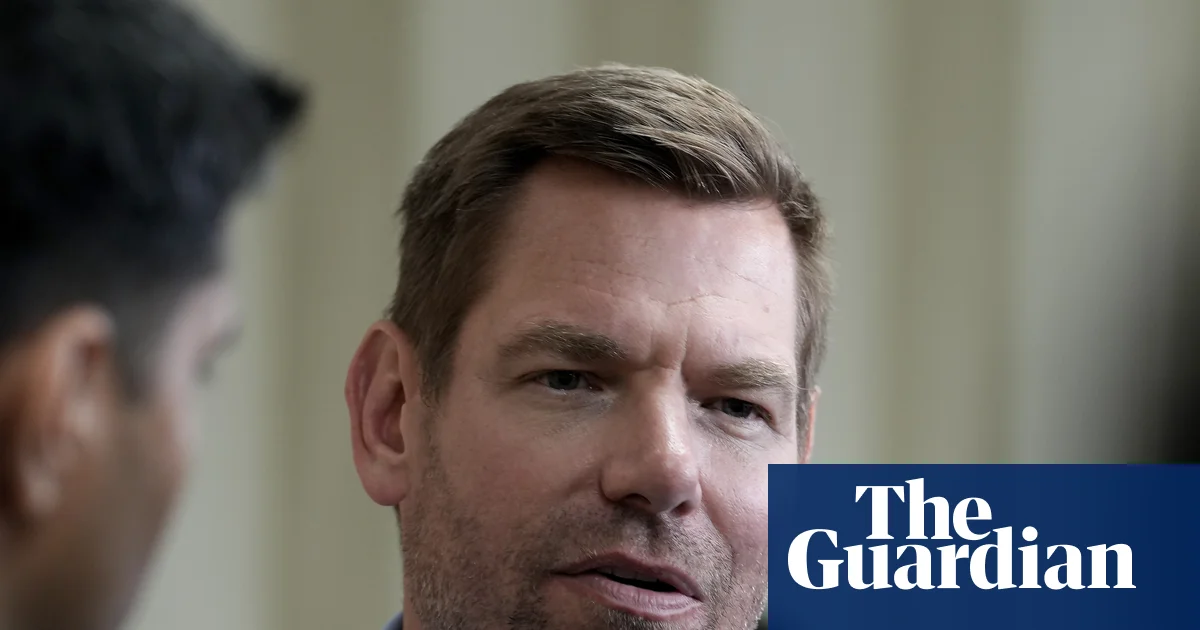
Within the United States, the recent tumult involving the Department of Justice and the impeachment efforts against Attorney General Pam Bondi illustrate a domestic political climate increasingly hostile to transparency. Democratic lawmakers, furious over what they describe as a “fake hearing” regarding the Epstein investigation, have escalated efforts to impeach Bondi after she refused to testify under oath about the federal files. The fallout exposes a broader fissure across the American political landscape, with bipartisan frustration erupting into accusations of obstruction and cover-ups. The unfolding drama underscores how internal conflicts—amplified by partisan mistrust—can weaken America’s moral authority on the global stage, where perceptions of justice and stability are paramount.

Classified by many political commentators as more than mere partisan disputes, these events threaten to keep the U.S. mired in self-inflicted divisions while other nations forge their paths ahead. The United Nations and other institutions observe with concern that America’s waning dominance could accelerate a multipolar world order, where emerging powers set their own terms. As historians warn, such as Dr. Laura Schmidt of Harvard, this internal chaos at a pivotal moment could set a precedent — fostering skepticism about American leadership globally, with long-term consequences for democracy and security worldwide.

In the shadows of these confrontations and shifting alliances, history continues to be written in real time. The weight of each decision, each controversy, and each diplomatic shift bears heavily on the future geopolitical landscape. What remains clear is that the internal struggles of the American political system not only threaten to diminish its influence but also transform the global order into a fragile mosaic of competing centers of power. As nations respond to America’s retreat or internal discord, the unfolding narrative remains a stark reminder: history is relentless in its march, and the next chapters are yet to be written, with the very fabric of our interconnected world hanging in the balance.

Ministers Boost Electronic Tagging Across England and Wales to Keep Youths in Check

The United Kingdom has announced the largest expansion of electronic tagging in its history, a move driven by domestic safety concerns but with significant geopolitical implications. Tens of thousands of offenders, including high-risk individuals such as terrorists, murderers, and sex offenders, will now be under real-time geolocation surveillance as part of a broader effort to mitigate overcrowding in prisons and tighten law enforcement capabilities. This domestic policy shift is indicative of a broader trend toward integrating advanced surveillance technologies in Western democracies, signaling evolving priorities that oscillate between societal security and individual rights.

While the immediate motivation appears rooted in domestic overcrowding and public safety, the decision resonates far beyond Britain’s borders. Historical analysts remind us that such monitoring measures are a turning point in criminal justice—raising questions about the balance of civil liberties versus state security. Countries across Europe, the United States, and even Australia observe Britain’s move with a watchful eye, contemplating whether similar strategies could be exported or adapted within their own legal frameworks. International organizations, including the European Court of Human Rights, have increasingly grappled with the privacy implications of expansive surveillance under the guise of public safety, fueling a global debate on sovereignty and human rights. As geopolitical analysts warn, these domestic policies often foreshadow broader security alliances and international cooperation, shaping an increasingly interconnected security architecture.

The decision to expand electronic tagging also comes amidst ongoing global concerns over terrorism, organized crime, and cyber threats. High-profile incidents in recent years have demonstrated that the threat landscape now extends well beyond traditional borders—prompting nations to adopt tougher measures. Britain’s government claims that tagging will help prevent reoffending and protect victims by alerting authorities at the first sign of breach, but critics caution about the limitations of technology and the risk of leading to false assurances. Prominent voices like Pia Sinha, CEO of the Prison Reform Trust, emphasize that tagging alone cannot address the root causes of criminal behavior; rather, it risks becoming a band-aid solution that hampers genuine rehabilitation.

The race to enhance national security measures often appears intertwined with geopolitical ambitions. Countries investing heavily in surveillance technologies signal to allies and adversaries alike that they are committed to maintaining control over their populations and borders. As international relations continue to evolve, so too does the nature of security policy—sometimes at the expense of civil liberties. This dynamic is compounded by the recent fluid shifts in global alliances, where nations increasingly share intelligence and adopt interoperability standards. Such cooperation may amplify the reach of domestic policies like Britain’s tagging expansion, creating a layered and complex security network that spans continents. History demonstrates that these policies carry long-term consequences, shaping societal norms, legal frameworks, and international perceptions for generations to come. As the weight of these decisions presses on the world stage, the question remains: will these measures truly protect society, or are they setting a precedent for an era of pervasive surveillance that could redefine liberty itself?

Social Media Auto Publish Powered By : XYZScripts.com