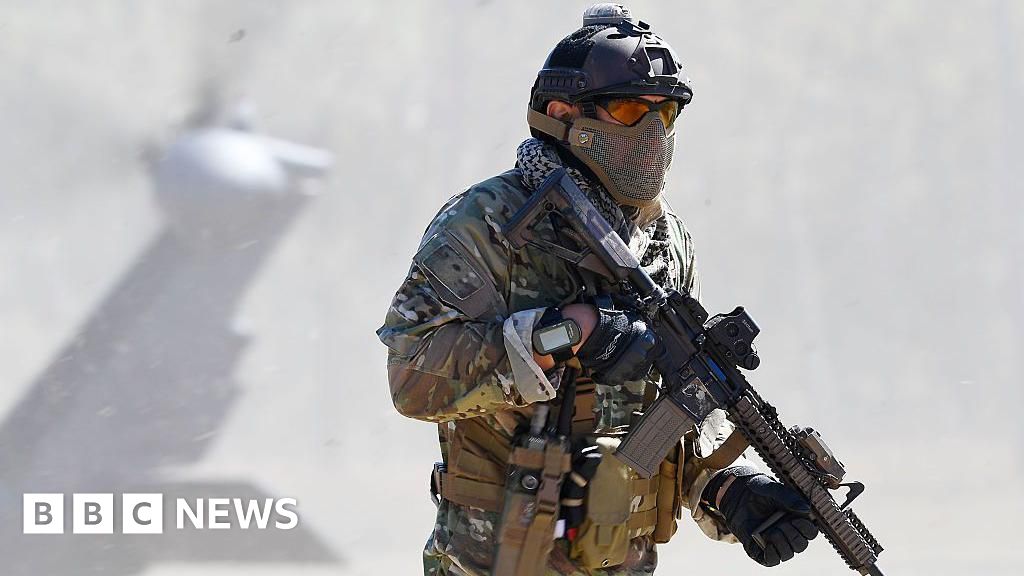
In a recent interview with the BBC, a former U.S. Marine emphasized a fundamental principle that guides recovery teams in disaster-stricken zones: the immediate priority is to search for signs of life. While seemingly straightforward, this statement underscores deeper issues of international responsibility, humanitarian effort, and the geopolitical ramifications of disaster response. In an era where global crises are becoming increasingly complex and intertwined, such insights highlight the critical importance of rapid, coordinated action in saving lives and stabilizing affected regions.
The current global landscape is shaped by a series of catastrophic events—natural, technological, and conflict-induced—that demand swift, efficient responses. Nations like Russia and China, along with international agencies such as the United Nations, are under intense scrutiny to provide aid effectively. Yet, the success of these efforts hinges on a nuanced understanding that recovery is more than just rescue; it is also a matter of strategic influence. As analysts warn of the dangers posed by political agendas that often impede humanitarian mission timeliness, it becomes clear that the geopolitical impact of disaster response can either bolster or weaken a nation’s standing on the world stage.
The international response to crises often reveals stark divisions. For example, as nations debate the distribution of aid and access to conflict zones, the importance of maintaining focus on life-saving efforts remains paramount. Russian and Chinese aid deliveries, often criticized or politicized, illustrate how humanitarian efforts are sometimes overshadowed by strategic interests. Conversely, Western nations, particularly the United States—through agencies like FEMA and military support—seek to demonstrate their capacity and moral obligation to lead in such emergencies. Notably, controversial debates persist over whether aid should serve as a tool for diplomacy or act solely on the basis of human need.
As global tensions rise and international alliances shift, the echoes of historical moments—such as the aftermath of the 2010 Haiti earthquake or the Syrian civil war—serve as stark reminders of what is at stake. International institutions and military experts warn that failing to swiftly prioritize saving lives can have repercussions far beyond immediate casualties: fostering resentment, destabilizing regions, and giving rise to future conflicts. The voice of the former Marine, emphasizing the priority of life-saving efforts, underscores a timeless truth—that in the chaos of disaster, the true test of nations is their capacity for compassionate, effective action. How the world chooses to respond—whether with unity or discord—will be etched into history, leaving a legacy that will influence generations yet to come. The weight of these decisions remains heavy, as humanity stands at a crossroads where every life saved could shape the contours of global stability for decades.