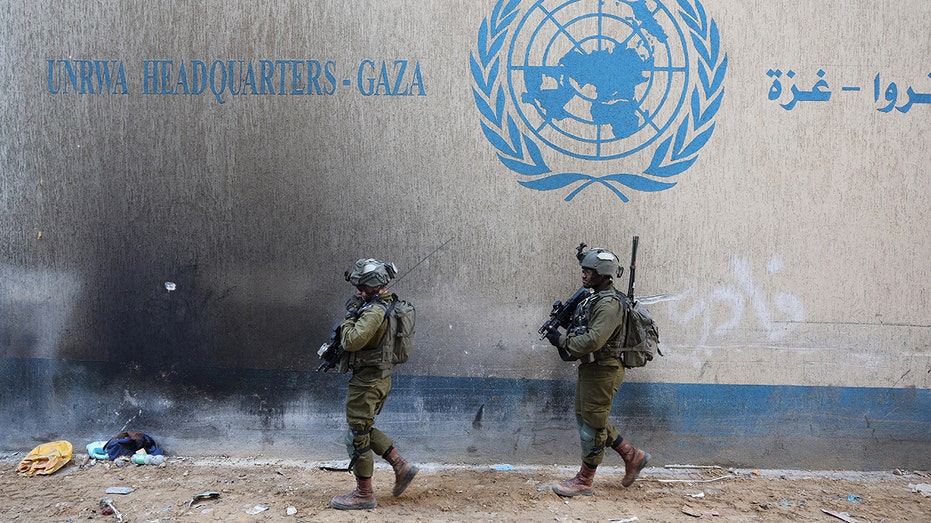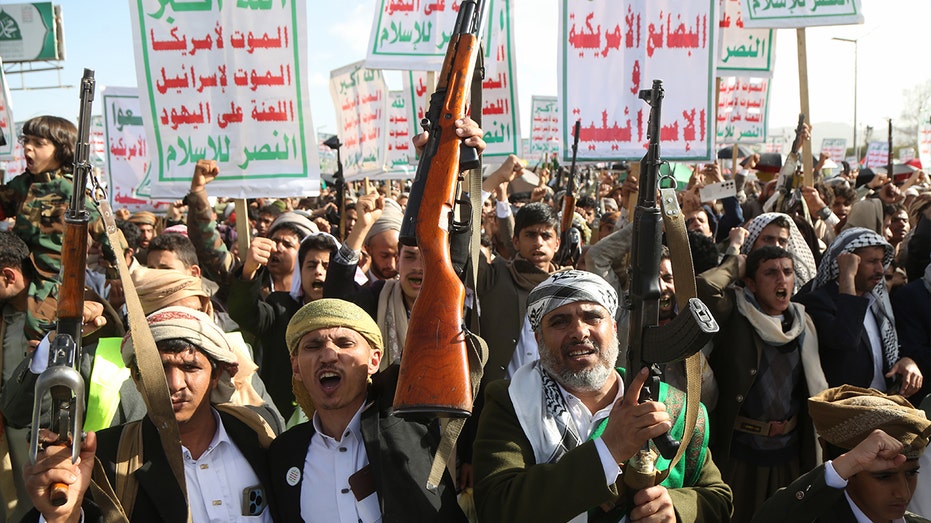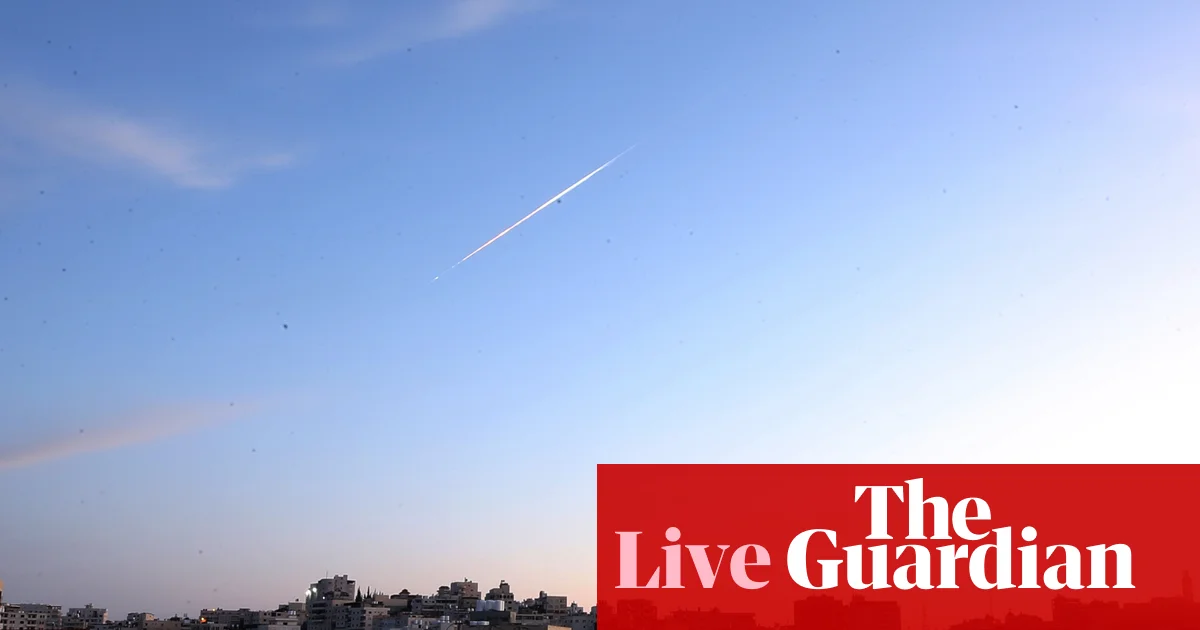
The tense geopolitical landscape in the Middle East has entered a critical phase, with fresh escalation of conflicts and increasing international concern over regional stability. As the war, now in its second month, shows no signs of abating, Yemen’s Iran-backed Houthis have sharply intensified their offensive, confirming a second wave of strikes against Israel. Their military spokesperson, Yahya Saree, publicly declared that the Houthis launched a “barrage of cruise missiles and drones” targeting key military sites, with plans to continue their operations until Israel ceases its “attacks and aggression.” This development profoundly shifts the regional calculus, magnifying the threat posed by militant actors allied with Iran seeking to expand the conflict beyond traditional borders.
Adding to the mounting crisis, reports from Iran indicate that two powerful explosions rocked northern Tehran early Sunday—an indication of the simmering tensions and potential covert hostilities. While the targets remain unclear, analysts suggest that these incidents hint at a broader strategic destabilization aimed at undermining the regime’s infrastructure amid ongoing tensions with the West and regional adversaries. The United States appears poised to escalate its involvement, with reports suggesting the Trump administration is preparing plans for ground operations within Iran — including possible raids on strategic sites such as Kharg Island and installations near the crucial Strait of Hormuz. U.S. marines have already been deployed to the region, signaling a readiness to intervene at the highest levels.
The convergence of these events underscores a dangerous turning point with profound geopolitical impact. The confrontation is now threatening global trade routes, especially through the Bab al-Mandab Strait, a vital chokepoint at the southern end of the Red Sea. The Houthis’ potential control over this narrow passage could exponentially worsen the global economic fallout by hindering the flow of oil and commerce, effectively reversing years of regional stability efforts. Meanwhile, Iran’s internal security situation appears increasingly fragile, with Iranian authorities’ threats to target U.S. universities in the Middle East, accusing them of operational complicity in recent strikes. Such actions threaten to escalate the conflict into a broader ideological and military conflict, with case law from historians warning of the devastating regional and global consequences that can unfold from unchecked escalation.
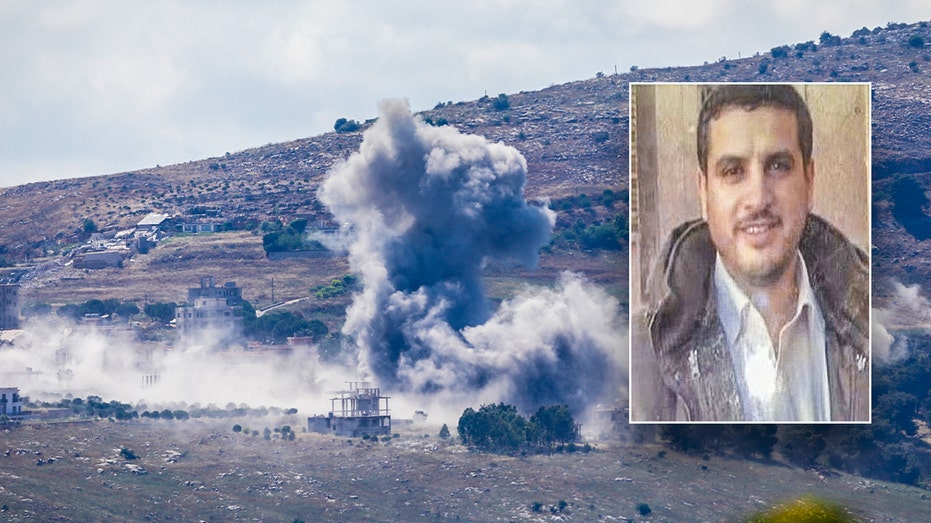
In parallel, diplomatic efforts seem to be caught in a web of distrust and strategic interests, exemplified by Pakistan’s hosting of Middle Eastern foreign ministers in an attempt to forge regional consensus. Yet, skepticism persists, as the talks exclude the warring parties directly involved in the conflict, leading analysts to question the effectiveness of these diplomatic avenues. Meanwhile, the horrific toll of the conflict extends beyond military confrontations: three journalists in Lebanon were killed in a targeted Israeli strike—a brutal reminder of the war’s devastating impact on civilians and media personnel. The World Health Organization’s chief, Tedros Ghebreyesus, has issued a stark appeal to end attacks on medical workers, emphasizing that the conflict’s human toll is becoming untenable.
As Iranian and Israeli military actions escalate, with Tehran subjected to a “wide-scale wave of strikes,” the region teeters on the brink of an unforeseen catastrophe. The unfolding series of military, diplomatic, and covert operations foreshadows a new chapter in a long history of Middle Eastern turmoil. The global community watches anxiously, yet history reminds us that these conflicts often spiral into chaos, with the weight of nations and societies hanging in fragile balance. In the shadow of these events, the world confronts the stark reality: the echoes of recent decisions and conflicts may well define a new epoch of uncertainty—where the line between peace and war becomes perilously thin, and the weight of history presses ever closer.