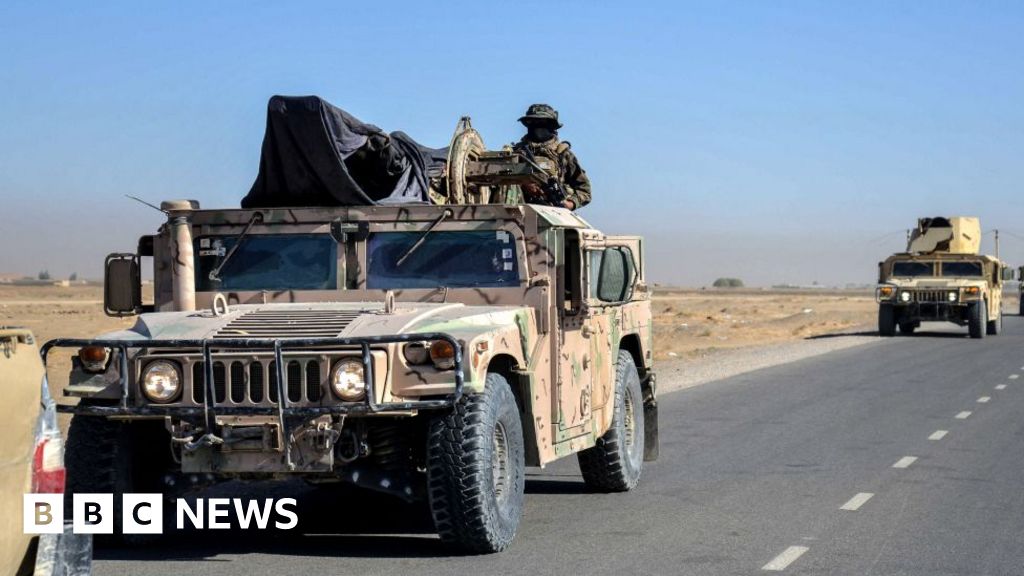
The recent surge in hostilities along the Pakistani-Afghan border marks a significant escalation in a long-standing conflict that threatens regional stability. The Taliban government in Afghanistan has publicly declared its involvement in clashes with Pakistani troops, claiming to have inflicted substantial casualties on Pakistan’s military personnel. According to a Taliban spokesman, 58 Pakistani soldiers were killed in what they described as an act of retaliation, asserting that Pakistan had violated Afghan airspace and bombed a market inside Afghan territory. However, international analysts suggest these figures may be inflated for political leverage, with Pakistan disputing the death toll, asserting only 23 of its soldiers were casualties and claiming a higher number of Taliban fighters have been neutralized. This tit-for-tat exchange underscores the fragile, often violent nature of border relations and intensifies concerns of an all-out regional conflict spilling beyond local skirmishes.
The geopolitical impact of these clashes extends far beyond the borderlands. Both nations accuse one another of harboring and supporting terrorist groups, with Islamabad alleging that Kabul shelters militants who threaten Pakistani security—particularly the Pakistan Taliban, or TTP. Conversely, the Taliban deny these allegations, emphasizing their commitment to controlling their territory post-U.S. withdrawal. Historians and regional analysts warn these accusations could serve as pretexts for wider military engagement, ultimately destabilizing the entire South-Central Asian corridor. Major crossings, such as Torkham and Chaman, have now been shuttered, cutting off vital trade routes and amplifying economic hardship—effects that ripple into local societies and global markets alike. The closure leaves hundreds of trucks stranded, exemplifying how diplomatic failures transform into tangible economic crises that threaten livelihoods on both sides of the border.
Within the broader international landscape, calls for restraint have emerged from regional and global actors. Saudi Arabia and Qatar have urged both Pakistan and Afghanistan to prioritize dialogue and diplomacy, warning that escalation could spiral into a conflict with widespread repercussions. Meanwhile, India has expressed cautious optimism about renewed diplomatic engagement with the Taliban, emphasizing the importance of regional stability. Such developments illustrate the intense diplomatic chess game unfolding, where alliances are tested and regional power dynamics shift rapidly. This volatile mix of accusations and military action underscores the fragile balance of power, which, if destabilized further, risks drawing neighboring countries into a widening conflict—one that is as unpredictable as it is dangerous.
As historians scrutinize this turning point, experts warn we are witnessing the unfolding of a new chapter in regional power struggles. The fragile ceasefire and border closures threaten to unravel years of cautious diplomacy. With China and Russia watching closely, the situation embodies a larger geopolitical contest over influence in Central Asia—an arena where the fate of sovereignty, security, and peace hangs precariously. This clash, unfolding with the violence of a tragic play, leaves the world’s gaze fixed on an uncertain horizon. The echoes of history remind us: in this volatile theater of nations, the line between peace and chaos remains razor-thin, and the next move could redefine the destiny of countless societies—an enduring reminder that, in the grand tapestry of geopolitics, the story is still being written.