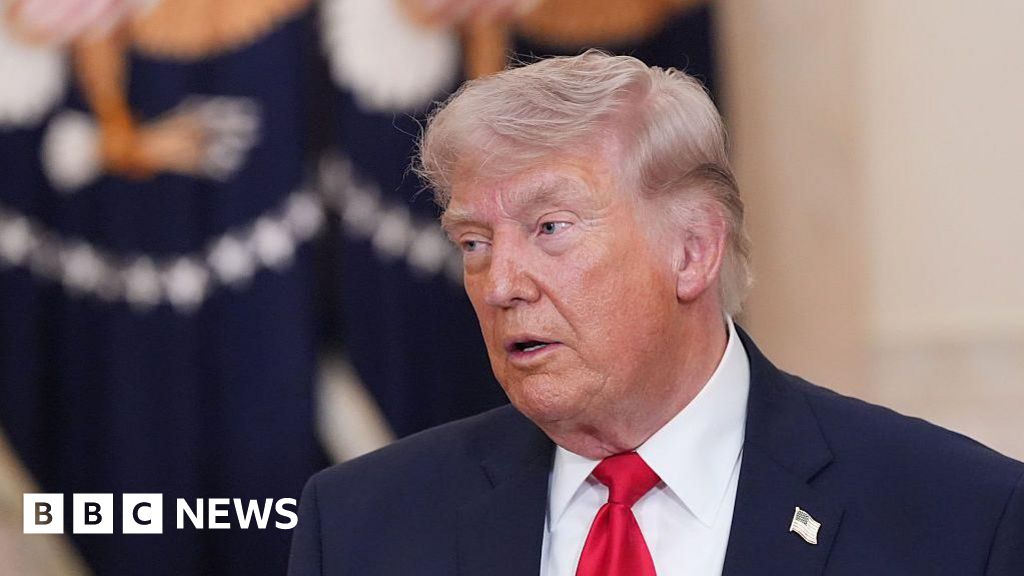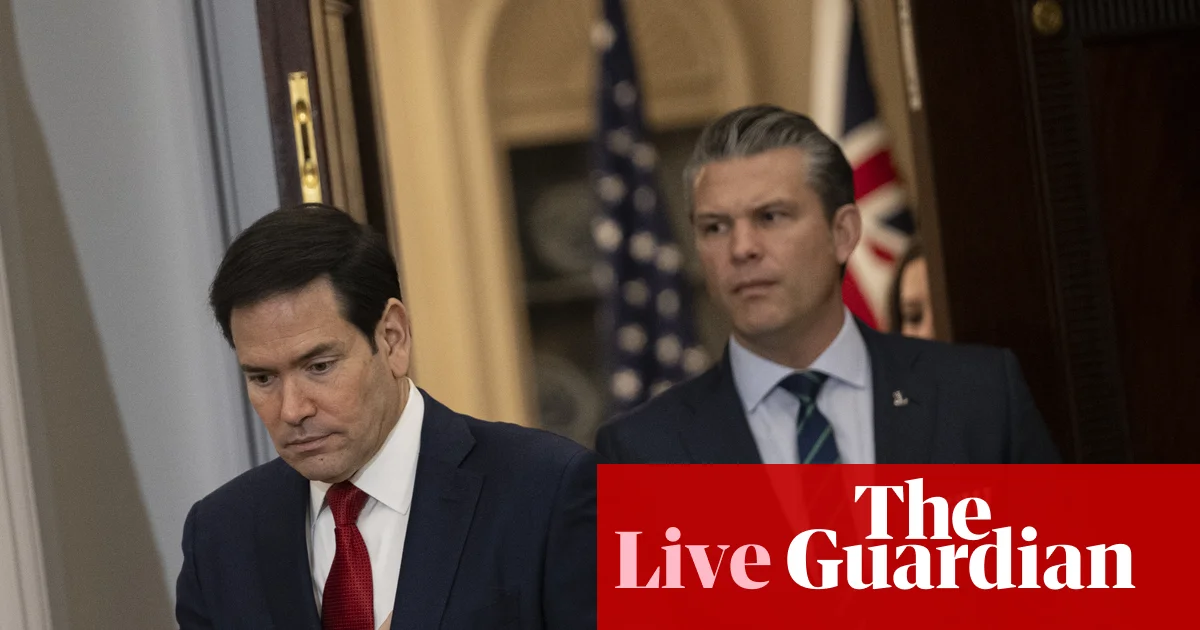

The United States under President Donald Trump continues to execute bold shifts in its foreign military posture, notably in Germany, stirring echoes across the international landscape. Last week, Trump announced a significant reduction of 5,000 U.S. troops stationed in Germany, a move that sent shockwaves through European capitals and among global security analysts. Despite maintaining a remaining force of approximately 30,000 soldiers, the prospect of further troop withdrawals looms, with Trump explicitly warning that “we’re cutting a lot further than 5,000.” This move marks a critical turning point in U.S.-European relations, signaling a departure from longstanding NATO commitments and a reevaluation of America’s strategic commitments on the continent.
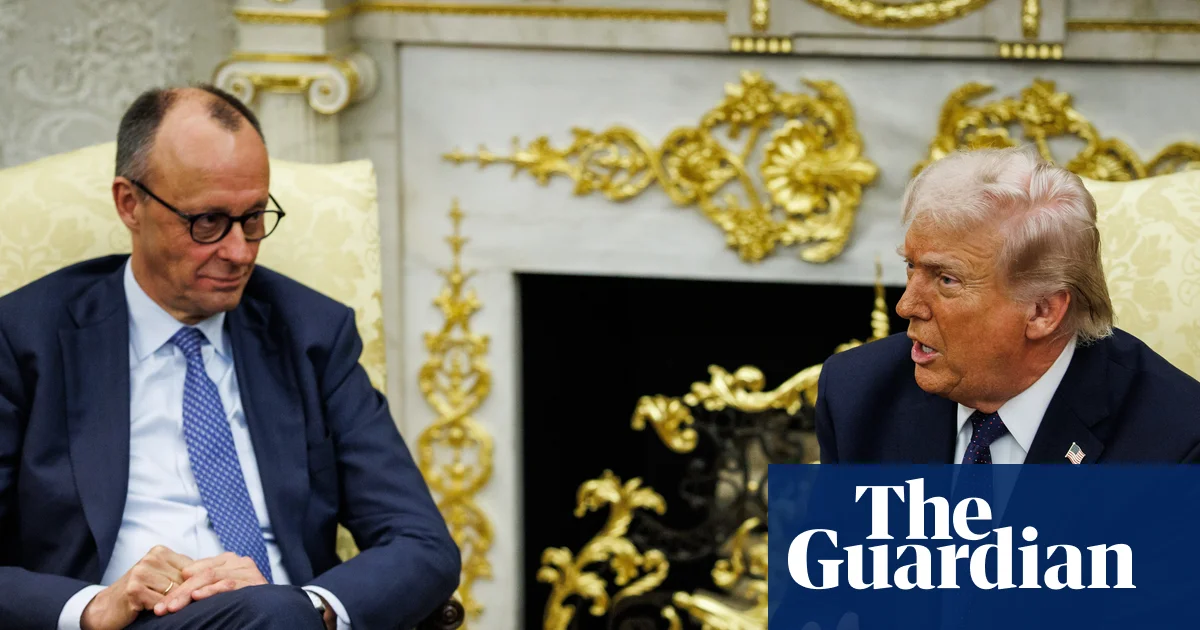
The decision to draw down U.S. forces came amid escalating tensions over Iranian foreign policy and regional influence. The move was justified by the Pentagon as part of a “thorough review” of the European theater, yet critics argue it exacerbates existing rifts within NATO while emboldening adversaries. German Chancellor Friedrich Merz openly criticized the situation, lamenting the humiliation of Germany by Iranian provocations and warning that the ongoing diplomatic impasse is undermining Western unity. Merz’s comments reflect a growing concern among European leaders about their diminishing leverage and the waning U.S. military presence, which historically served as a stabilizing force. The tension thus underscores how decisions in Washington—particularly those influenced by domestic politics—directly reshape the security calculus of allies and adversaries alike.
Institutional voices from the U.S. Congress—particularly from senior Republicans like Senator Roger Wicker and Representative Mike Rogers—have expressed deep concern over the troop reductions. They emphasized that Germany has made significant investments in hosting U.S. forces, contributing to NATO’s collective defense, especially in the context of the Operation Epic Fury against Iran. These lawmakers advocate for maintaining a robust deterrent in Europe, possibly by relocating forces eastward instead of withdrawing altogether, thereby reinforcing NATO’s eastern flank amid growing threats. Their stance underscores a broader geopolitical calculus: retreating from Europe could undermine NATO’s strength, inviting regional miscalculations and potentially destabilizing the balance of power.
Amid these unfolding developments, international institutions and analysts caution that such troop withdrawals destabilize the delicate balance of security, inviting new conflicts and empowering rogue actors like Iran. A leaked Pentagon email also hinted at escalating tensions within NATO itself, hinting at punitive measures against Spain for its vocal criticisms of the Iran campaign, even suggesting suspensions from the alliance. These signals reveal how intertwined military strategy and diplomatic unity have become, making the North Atlantic community vulnerable to fragmentation at a time when global stability is fragile. As history continues to unfold, leaders worldwide face a stark choice: uphold alliance pledges or succumb to unilateral calls for retreat, risking a future where chaos and confrontation overshadow diplomacy.
The authentic legacy of today’s decisions will echo through history—whether they forge a new phase of renewed strength or precipitate discord in the world’s most critical region. As the geopolitical impact intensifies, the question remains: how will future generations judge these pivotal moments? Will they see this as a necessary recalibration of American strength or as a dangerous retreat that accelerates global instability? The answers lie yet to be written, but the course of history, with all its twists and turns, continues to unfold under the weight of today’s choices.