The Evolution of Red Carpet Fashion: More Than Just Glamour
In the world of celebrity culture, the Oscars have long been seen as a pinnacle of both artistic achievement and personal branding. Historically, the red carpet has been a stage for timeless glamour, where black, gold, and classic couture dominated. However, recent years have witnessed a formidable shift — red carpet fashion is now a powerful canvas for self-expression and social messaging. The stunning appearance of Jessie Buckley, who not only secured the best actress award but also made a bold style statement, epitomizes this transformation. Her custom Chanel gown, with its blood-red satin-backed leather and rose pink chiffon, was more than eye-catching; it was a deliberate reflection of her character’s tenderness and emotional depth, nodding to the history of Hollywood’s stiff traditions while simultaneously breaking new ground in celebrity aesthetics.
Today’s fashion influencers and sociologists recognize that the red carpet has become a social forum as much as a glamorous runway. For instance, Teyana Taylor’s daring Chanel ensemble—featuring sheer fabrics and black and white feathers—demonstrates how stars are harnessing the event’s visibility to embody cultural narratives rooted in strength, audacity, and authenticity. Stylistically unapologetic and visually stunning, such choices serve to elevate the social relevance of fashion beyond the superficial, positioning stars as cultural commentators. This trend towards narrative-driven style aligns with the ideas of sociologists who emphasize that clothing can reinforce identity and influence societal perceptions. Influencers like Kylie Jenner further exemplify this shift, as her dramatic crimson Schiapelli gown effortlessly combined high fashion with viral appeal, amplifying the role of style as a tool for cultural dialogue.
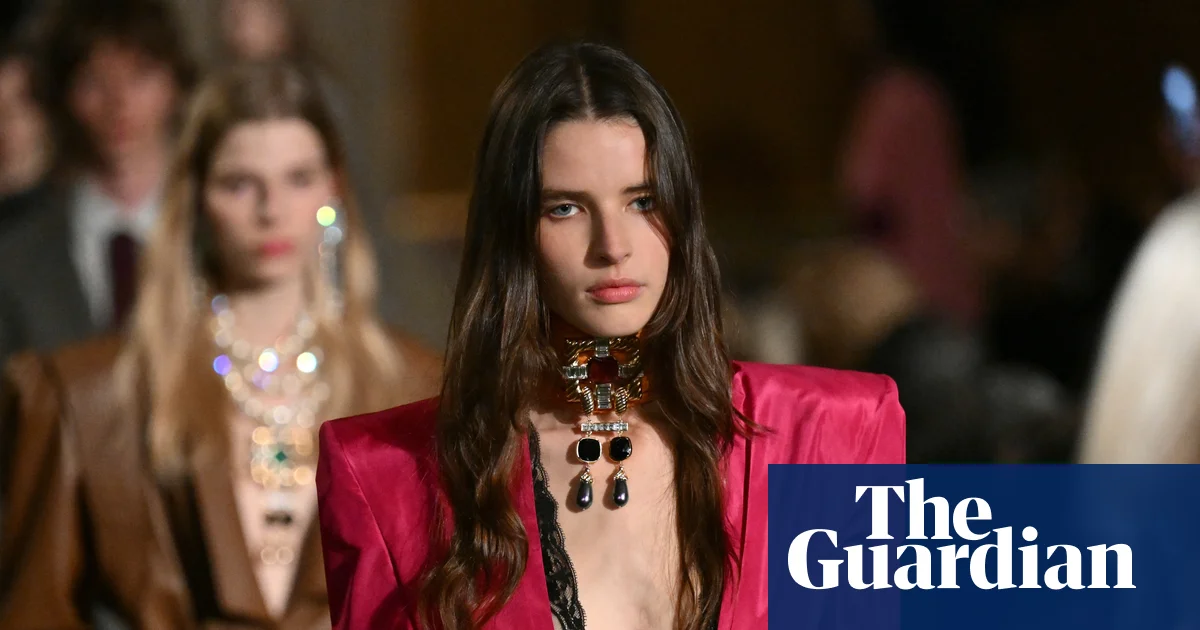
But the evolution extends beyond individual styles—design houses like Chanel are capitalizing on this cultural redefinition. Their recent Paris runway shows, staged in unconventional spaces like a New York subway station, signal a strategic push to resonate with a more socially conscious and politically active generation. As fashion houses like Chanel weave social commentary into their branding, they reinforce the idea that style is now a form of societal engagement. Fashion and celebrity are no longer solely about superficial aesthetics but are intertwined with larger conversations about identity, power, and social justice. For the younger generation, the question isn’t just “What are they wearing?” but “What does it stand for?”
As we marvel at the daring choices of stars like Timothée Chalamet, who embraced an 2000s-inspired suit that challenged traditional notions of masculinity and style, one cannot help but wonder: what will be the next frontier in this cultural revolution? Will red carpet fashion continue to evolve into an arena where social values and personal truths collide, or will it revert to pure spectacle? The future of celebrity fashion might reveal not just the next big trend, but the emerging narrative of a generation that refuses to see style as superficial—it’s a platform for truth, resistance, and authentic expression in a rapidly changing society.