Hungary’s Diplomatic Maneuvering Amidst Rising Geopolitical Tensions
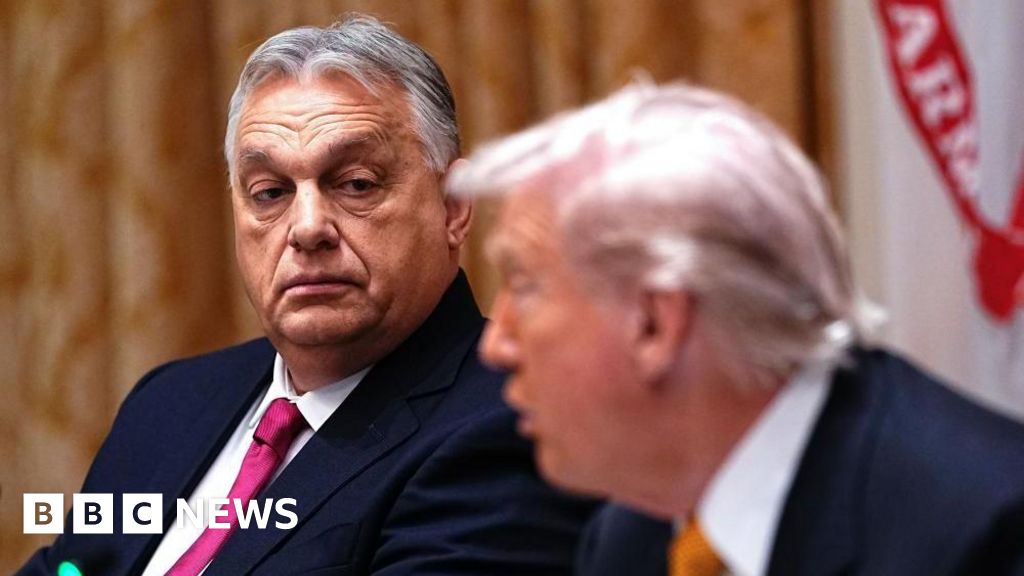
In a strategic move that has sent ripples across the international geopolitical landscape, Hungarian Prime Minister Viktor Orban recently journeyed to Washington seeking to secure vital exemptions and bolster national energy security. While publicly heralded as a diplomatic triumph featuring praise from U.S. officials and concessions from the White House, the underlying implications reveal a complex dance of national interests, regional stability, and global power plays. The core achievement—a limited, one-year exemption from U.S. sanctions on Russian energy imports—demonstrates Hungary’s critical need to safeguard its economy and social stability in the face of mounting European sanctions aimed at Russia.
Analysts from institutions like the International Crisis Group and regional geopolitical experts interpret this outcome as a calculated victory for Orban, but not without costs. The US’s exemption aligns with Trump-era strategic priorities—helping allies like Hungary maintain energy supplies amid a tense backdrop of ongoing conflict in Ukraine. Yet, this deal showcases a broader shift: Hungary and neighboring Slovakia have collectively paid Russia over $13 billion for energy since February 2022, underpinning their continued dependence despite EU sanctions efforts. Critics argue that this dependence effectively shifts energy reliance from Moscow to Washington, raising questions about the true beneficiaries of these diplomatic gambits and whether they serve the long-term interests of European sovereignty.
Energy Dependency and the Risks of Geopolitical Maneuvering
Behind the scenes, Hungary has been actively diversifying its oil sources. Upgrades to key refineries, such as MOL’s refineries in Százhalombatta and Bratislava, aim to process Brent crude instead of the high-sulfur Urals grade from Russia. Despite Hungary’s claim of limited alternatives, reports indicate that 80% of its oil can now potentially come via the Adria pipeline from Croatia, albeit with higher logistics costs and technical challenges. This shift underscores an emerging trend: orchestrated energy independence through diversification, but at what cost? Many executives and analysts highlight the risk of increased logistical complexity and the financial burden of sourcing from alternative routes while preserving regional influence.
Moreover, Hungary’s strategic energy moves extend into nuclear energy procurement. The country has agreed to buy US-made nuclear fuel rods for the Paks nuclear station and plans to buy up to 10 small modular nuclear reactors from the US—an ambitious plan valued between $10 billion and $20 billion. This pivot towards nuclear energy reflects a broader geopolitical narrative: nations seek technological partnerships to break free from reliance on Russian energy, yet these dependencies often simply shift across borders, exacerbating the delicate balance of power in Europe.
Implications for Regional and Global Stability
The broader geopolitical impact of these moves extends beyond bilateral deals. The U.S.-Hungary relationship, characterized by a complex mix of cooperation and strategic competition, exemplifies the evolving narrative of Western alliances. The proposed currency swap agreement to bolster Hungary’s financial resilience hints at a paradigm where U.S. economic tools become crucial in regional crises, heightening concerns about the erosion of national sovereignty as financial dependencies deepen. Global institutions like the European Union have expressed frustration over Hungary’s reluctance to commit fully to energy sanctions, exposing fissures within Western unity at a pivotal moment in history.
While Budapest gains short-term stability, critics fear that the long-term consequences may fuel further instability in the Ukrainian conflict, and elevate the risks of proxy conflicts and regional destabilization. As historians and policy analysts ponder these developments, the question remains: Will these tactical victories translate into lasting sovereignty, or will they deepen the geopolitical entanglements that threaten global peace? The answers remain uncertain—what is clear is that history continues to unfold with collision courses set, destinies intertwined, and the complex machinery of international ambition grinding ceaselessly toward unpredictable futures.