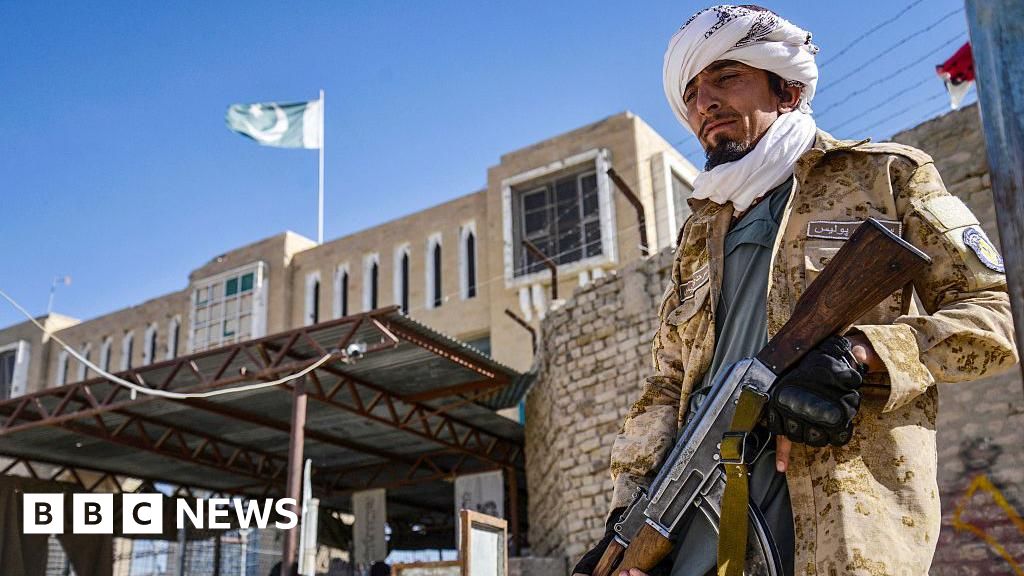
Recent border clashes between Pakistan and Afghanistan’s Taliban regime have once again underscored the fragile nature of peace in this volatile region. Despite international efforts to broker calm, hostilities erupted overnight along the nearly 1,600-mile frontier, resulting in casualties and mass civilian displacement. Both sides accused each other of initiating the confrontation, with sporadic fighting and accusations of air strikes igniting fears that longstanding tensions are reaching a boiling point. This flare-up highlights the complex interplay of security concerns, geopolitical interests, and deeply rooted mistrust that has persisted since the Taliban’s return to power in 2021.
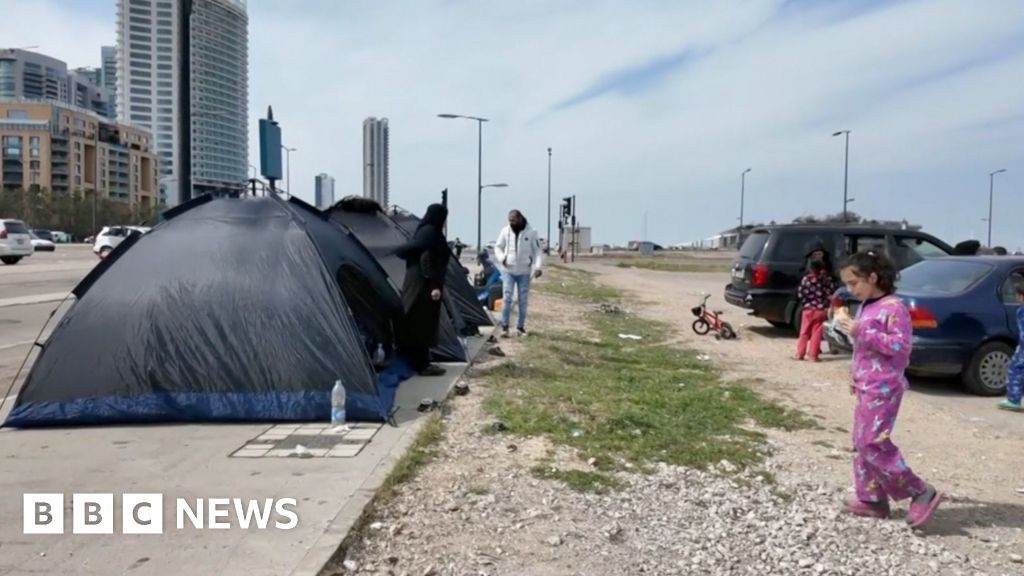
The immediate aftermath saw residents fleeing in terror, with reports of mortar fire damaging civilian homes — a tragic reminder that regional conflicts often spill into innocent communities. Surgeons and aid workers describe a grim scene of the wounded arriving at hospitals, with at least four dead on the Afghan side and additional casualties reported across both nations. Analysts warn that these clashes threaten to undo recent diplomatic progress, casting doubt on prospects for a sustainable peace settlement sustained by mediators from Qatar, Turkey, and regional actors. Despite a ceasefire agreement inked less than two months prior, tensions flared anew, revealing how fleeting and fragile this diplomatic window has proven to be.
- The Pakistan government accuses the Taliban of sheltering armed groups responsible for numerous attacks in Pakistan, cultivating a cycle of violence and suspicion.
- The Taliban deny these accusations, asserting that Pakistan’s security failures and provocations are unprovoked and unjustified.
- Both sides have engaged in repeated negotiations, including recent talks in Saudi Arabia, but a conclusive agreement remains elusive amid mutual accusations and geopolitical rivalries.
The geopolitical impact of these border conflicts extends well beyond Kabul and Islamabad. With international powers carefully watching shifts in influence, the ongoing violence complicates regional stability, especially considering the strategic interests of China, India, and the United States. Historians and global organizations warn of a potential escalation if unresolved grievances deepen, emphasizing the importance of balanced diplomacy and the dangers of allowing insurgency and militancy to flourish unchecked. As the world witnesses this tense chessboard, the future of centuries-old border lines—and the societies they divide—hangs in a delicate balance, their fates intertwined with decisions made in distant capital cities and hidden corridors of power.