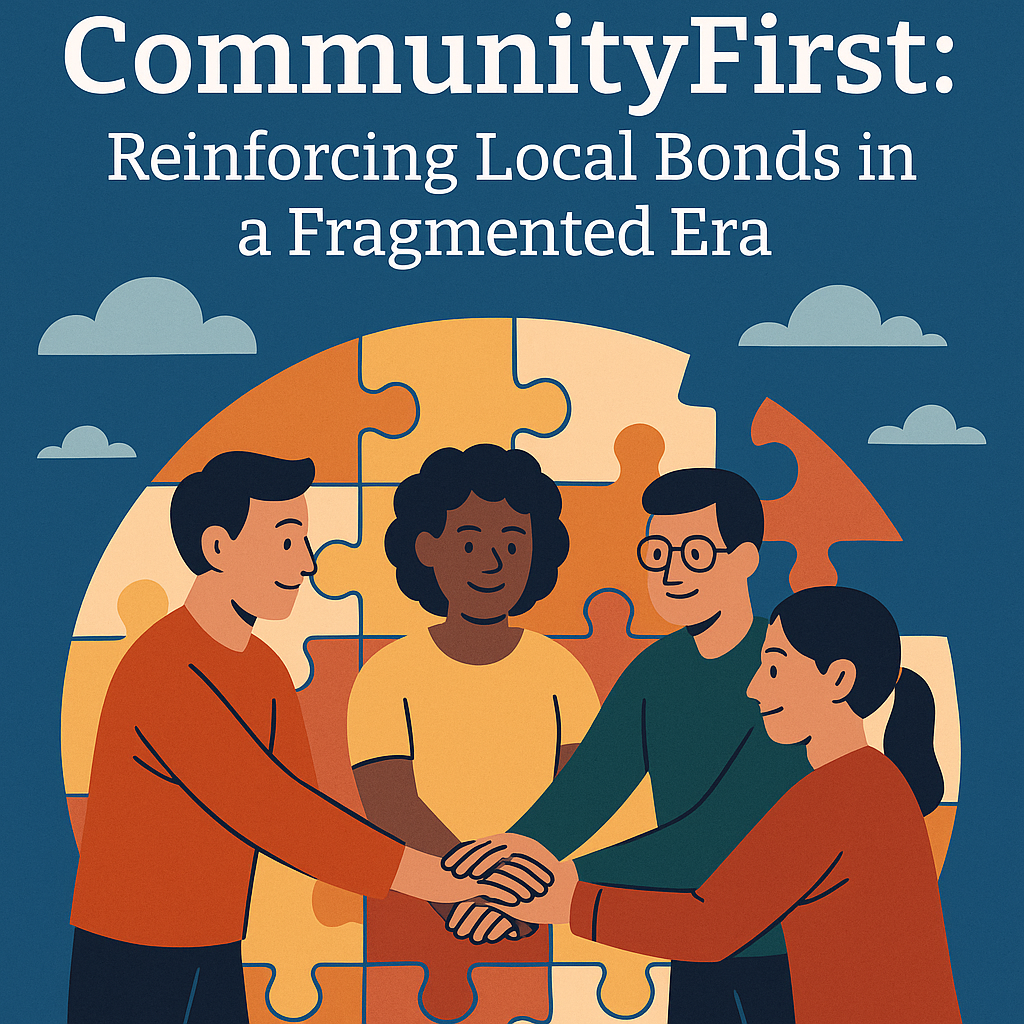
In an age characterized by rapid technological advancement and global interconnectedness, the fragility of local communities has become increasingly apparent. Critics argue that the relentless march of urbanization, combined with the erosion of traditional social bonds, has led to a diminished sense of belonging and shared purpose. However, initiatives like CommunityFirst demonstrate a resilient spirit rooted in the fundamental principle that strengthening local bonds is not only desirable but essential for safeguarding societal cohesion. By fostering grassroots engagement, CommunityFirst aims to create a ripple effect—reinvigorating neighborhoods and empowering citizens to take charge of their collective future within the fabric of their hometowns.
Supporters of this approach highlight that strengthening local bonds leads to tangible benefits, from increased safety to enhanced social capital. Economist Edward Glaeser emphasizes that vibrant communities thrive on the “density of social ties,” which catalyzes economic resilience and innovation. CommunityFirst initiatives promote local entrepreneurship, volunteerism, and civic participation—all grounded in the idea that local action fosters a sense of ownership and pride among residents. When residents feel invested in their neighborhoods, they become less susceptible to the alienation and fragmentation that often fuel social discord and even radicalization among youth.
- By encouraging local leadership and participation, CommunityFirst addresses the root causes of rural decline and urban alienation.
- Fostering intergenerational dialogue ensures the transmission of traditions and shared values essential for societal continuity.
- Supporting local economies through community-driven projects reduces dependence on distant, impersonal corporate structures.
As historians like Charles Murray have pointed out, the preservation of social capital at the community level is the bedrock of a resilient society. Critics argue that federal policies often subordinate local needs to distant bureaucracies, thereby weakening these vital bonds. In contrast, CommunityFirst champions a bottom-up approach, emphasizing that empowering local leaders and cultivating a sense of shared destiny can revitalize the social fabric. In this vision, the community is not just a collection of houses but a living organism—teeming with shared stories, collective efforts, and enduring trust—capable of withstanding the upheavals imposed by external forces.
The future of CommunityFirst, and similar movements, depends on their ability to inspire the youth—those who will inherit both the challenges and opportunities ahead. As we stand at this pivotal moment, it is vital to remember that local communities hold the key to a resilient society. They are the silent sentinels guarding our cultural integrity and social cohesion, holding within them the power to shape an era that harmonizes tradition with progress. The question remains: can we forge a collective consciousness robust enough to withstand the erosion of bonds and anchor a future where every neighborhood, however small, becomes a fortress of unity? As memories merge with aspirations, the future whispers: in the depth of our local roots lies the strength to redefine the destiny of an entire civilization—one community at a time, standing resilient against the winds of fragmentation, until the dawn of a new, united chapter.”