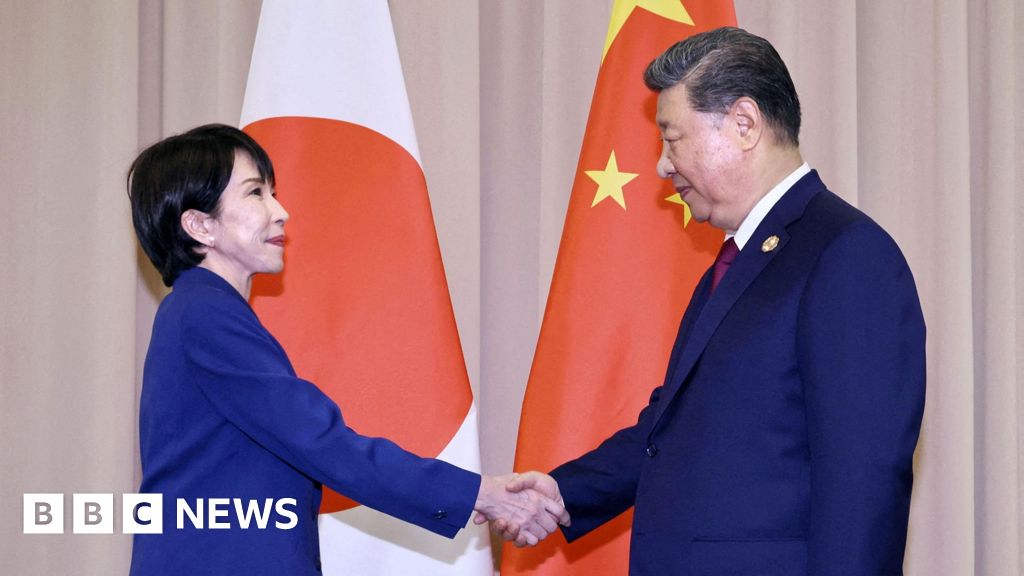
In an era defined by shifting alliances and rising assertiveness among global powers, Japan and China have entered a dangerous phase of diplomatic clash, with significant geopolitical impact that reverberates well beyond their mutual borders. This week, tensions escalated dramatically after Japanese Prime Minister Sanae Takaichi made remarks about Japan’s possible response to a hypothetical Chinese attack on Taiwan, prompting a fierce rebuke from Beijing. China has since urged its citizens not to travel to Japan and has summoned Japan’s ambassador in Beijing, signaling a deliberate escalation designed to intimidate and deter what China perceives as provocations that threaten its core national interests.
The incident reveals a broader struggle rooted in longstanding animosities, dating back to conflicts in the 19th century and the scars of Japan’s brutal wartime aggression in China during World War II. Historians and international analysts warn that such historical grievances continue to fuel suspicion and hostility, complicating efforts toward détente. The specific trigger, however, lies in Prime Minister Takaichi’s assertion that Japan could deploy its self-defense forces if China attacked Taiwan—an explicit departure from Japan’s long-standing policy of “strategic ambiguity.” This policy has kept the region relatively stable by avoiding overt commitments that could provoke China—a strategy that Washington and Tokyo have upheld to prevent triggers of larger conflict. Yet Takaichi’s hawkish stance aligns with Japan’s recent shift toward increased defense spending, a move seen by many as a response to China’s growing military assertiveness and regional ambitions.
What happened? A timeline
- The current tensions originated during a Japanese parliamentary debate when Takaichi responded to a question about what circumstances regarding Taiwan could threaten Japan’s survival.
- She stated that “battleships and the use of force” could trigger Japan’s self-defense protocols, a statement that China labeled “egregious” and “highly inappropriate.”
- Tokyo promptly lodged protests against Beijing, which responded with its own diplomatic protests and warnings, including a warning from China’s foreign ministry that Japan was “playing with fire” and risking severe consequences.
- Meanwhile, Takaichi refused to retract her remarks, remaining steadfast in her position that Japan’s stance on Taiwan has not changed, despite the diplomatic fallout.
- In the aftermath, Beijing’s foreign ministry reiterated that Taiwan is “China’s Taiwan,” directly accusing Japan of interfering in what Beijing views as its inner affairs. China’s Vice Foreign Minister Sun Weidong summoned Japan’s ambassador, warning of “extreme consequences” should tensions escalate further.
International organizations and defense analysts warn that these exchanges symbolize a potential escalation toward a broader confrontation that could destabilize the Indo-Pacific region. The United States, meanwhile, maintains a policy of deliberate ambiguity regarding Taiwan’s defense, while strengthening ties with Japan—its closest Asian ally. The U.S. position remains cautious, yet publicly ambiguous, designed to deter China from considering military action. This delicate balance of power underscores the importance of regional security frameworks, yet also reveals their fragility in times of rising nationalism and strategic competitions.
Most worrisome is the influence of historic grievances and the rise of hawkish leaders like Takaichi, who advocates for closer military cooperation with the United States and rejects Japan’s traditional restraint on military engagement. Analysts warn that such bold policies increase the risk of miscalculation, especially as China refocuses its military doctrine on reunification with Taiwan by any means necessary. As tensions simmer, the region approaches a critical juncture, where historical scars are reopening and alliances are being tested in the crucible of modern geopolitics. The prevailing question remains—will diplomacy prevail or will the shadows of history ignite a conflict that could reshape the world order?
In the unfolding pages of history, the ink is still wet, and the future remains unwritten. The world watches as Asia’s giants inch closer to a crisis that could ignite the entire global stage, forcing nations and societies into decisions that may echo for generations. As the echoes of past atrocities and betrayals reverberate across the ocean, humanity stands on the brink of an uncertain tomorrow—hope fighting to survive amidst the specter of renewed war.