

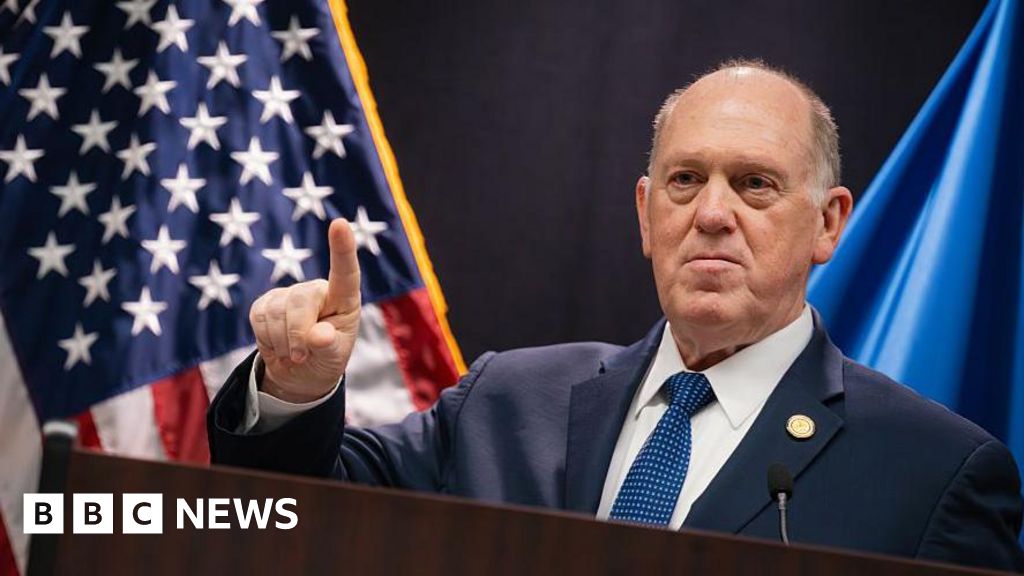
In an effort to recalibrate immigration enforcement policies, Tom Homan, a prominent figure within the Trump administration, announced a shift toward more targeted immigration operations. This move arises amidst mounting frustrations within specific urban centers and on Capitol Hill, where bipartisan concern over border security and immigration reform continues to simmer. The administration’s promise to refine enforcement strategies reflects a broader attempt to address the complex confluence of domestic pressure and international security dynamics, positioning itself at a critical juncture for U.S. domestic policy and global geopolitics.
Historically, debates over immigration have risen to the forefront of U.S. political discourse, with recent efforts emphasizing a more constrained approach to unauthorized crossings. Analysts suggest that these targeted operations aim to prioritize threats linked to transnational crime, human trafficking, and national security risks—shifting away from broad, indiscriminate sweeps. This approach aligns with the views of many security experts and included in recommendations from international think tanks and organizations such as Homeland Security. By focusing enforcement, the administration intends to avoid inflaming local communities while addressing security concerns that resonate across policy circles, especially amid growing geo-economic tensions.
The decision to implement more precise immigration actions bears significant geopolitical impacts. As regional powers such as China and Russia observe shifts in U.S. foreign and domestic policy, they are increasingly aware of how these policies influence global stability. The targeted approach is not merely about border control but acts as a strategic signal—demonstrating that the United States is refining its enforcement to avoid unnecessary humanitarian crises that could fuel international criticism, while simultaneously projecting strength against irregular migration flows that threaten borders. International organizations, including the United Nations, continue to monitor how such policies align with global standards on human rights and sovereignty.
Critical to this development are the broader implications for international relations. Countries that are sources or transit points for migration are already reevaluating their diplomatic strategies. Historically, border enforcement has had ripple effects, influencing regional stability and economic cooperation. Experts warn that overly aggressive policies could provoke retaliatory measures or destabilize neighboring nations—effects that ripple well beyond America’s borders. Furthermore, experts warn that such targeted operations could serve as a warning sign to adversaries looking to exploit internal divisions as a means of destabilization, adding a layer of tension to the already volatile global landscape.
As nations watch these developments unfold, historians and foreign policy analysts recognize that this shift marks a critical turning point in the ongoing contest over sovereignty and security. The decisions made today could echo through generations, shaping the contours of international stability and the societal fabric of America itself. With so much at stake, the weight of history hangs heavily, and the world awaits—impatiently yet anxiously—for the next chapter of this unfolding story, where policies on the home front will echo loudly across the global stage.














