

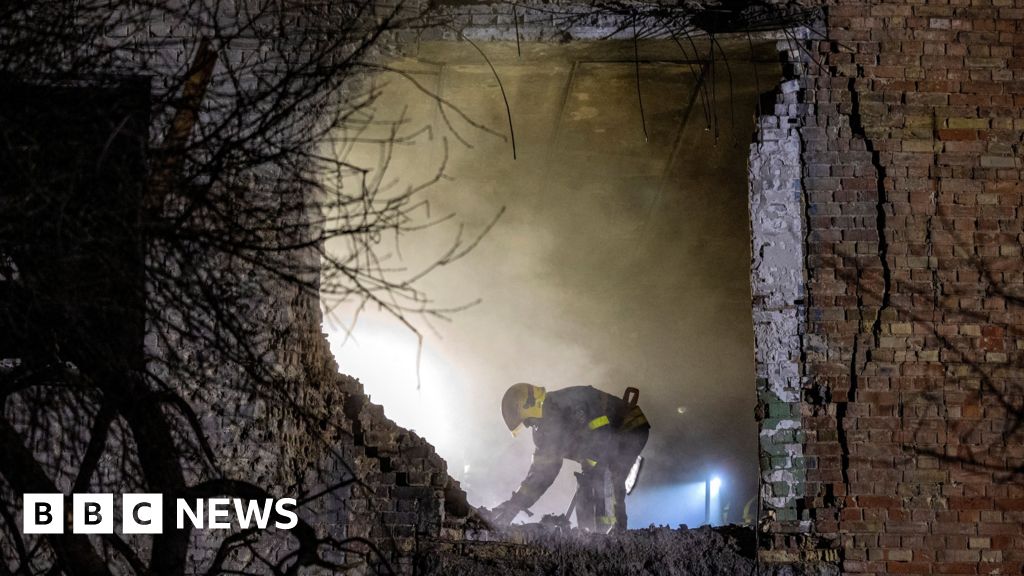
In a stark reminder of the ongoing geopolitical conflict, Ukraine faces darkness and despair following a relentless attack that has left over 600,000 residents in the Kyiv region without power. According to Ukraine’s energy ministry, over 500,000 individuals in the capital are grappling with the loss of electricity in the wake of Russian missile and drone strikes targeting critical energy infrastructure. The strikes, which involved approximately 36 missiles and nearly 600 drones, are part of a broader escalation by Russia aimed at crippling Ukrainian resilience—especially as winter’s cold begins to set in. The outbreak of violence underscores a brutal strategy: weaken Ukraine’s ability to sustain itself, and thus, bend it to Moscow’s geopolitical will.
For Russia, these attacks are presented as a “massive strike” against Ukraine’s military-industrial complex and energy supplies, as per the Russian defense ministry. However, these targeted strikes extend beyond military objectives, hitting residential buildings and causing civilian casualties, including a 13-year-old injured during the latest assault. Ukrainian authorities report 29 injuries in Kyiv alone, with emergency services battling to contain the chaos. Despite Kyiv’s assertion that their air defenses shot down 558 drones and 19 missiles, the scale of destruction vividly illustrates Moscow’s refusal to cease its campaign of terror. The targeting of civilian infrastructure not only devastates communities but also seeks to undermine morale, especially with the harsh winter forecast that will see Kyiv temperatures plummet below freezing, putting vulnerable populations at further risk.
This latest escalation arrives amid clandestine diplomatic talks, with Ukrainian negotiators preparing to meet with U.S. officials this weekend. International diplomatic efforts, including a proposed draft peace plan spearheaded by President Donald Trump, aim to find a resolution—though both sides remain entrenched in their respective war aims. While Kyiv stresses the importance of safeguarding sovereignty and defending its territory, Vladimir Putin has reiterated a hardline stance: Russia will only cease operations if Ukrainian forces withdraw from territories Moscow claims as its own. This rigid stance, combined with Moscow’s control of most of the Donbas, and parts of Zaporizhzhia and Kherson, underscores a dangerous deadlock that risks prolonged suffering.
Many analysts warn that these armed confrontations serve as a microcosm of a larger global contest for influence. Historians suggest that this conflict is not merely a regional dispute but a pivotal moment shaping international norms and power structures. The European Union and the United States have called for a frozen front along existing lines, but with Moscow’s recent escalation, such an outcome seems increasingly elusive. As the world watches, the weight of history presses heavily on the shoulders of leaders, whose decisions could either usher in a fragile peace or deepen the chaos—leading towards a future written by war, resilience, and unresolved tensions that threaten to redefine international order itself.
In the shadow of winter’s bleakness, the true cost of these decisions remains unseen by many but felt profoundly by those suffering in Ukraine. As history’s pages turn, the question remains: will diplomacy prevail, or will the relentless tide of conflict forge an unyielding new chapter in a world teetering on the edge of chaos? The weight of this moment is a stark warning—what is decided today will echo through generations to come, shaping the destiny of nations and societies alike.












