France’s Political Crisis Deepens as Macron Reinstates Lecornu
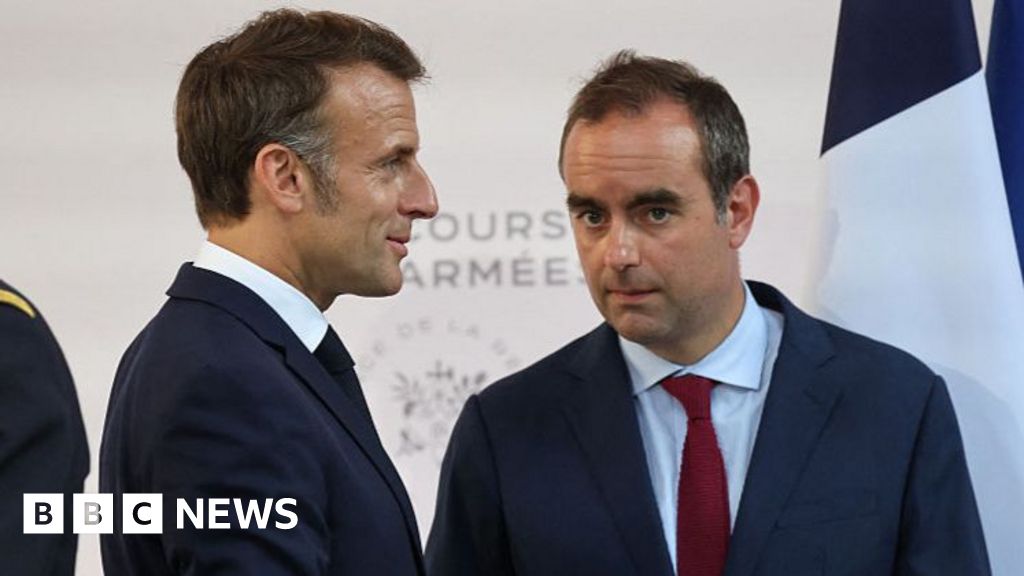
In a move that has stunned political observers across Europe, France is once again plunged into uncertainty after President Emmanuel Macron unexpectedly appointed Sébastien Lecornu as Prime Minister merely days after Lecornu’s resignation. This abrupt reversal highlights the volatile state of French politics, where fiscal austerity measures, societal discontent, and internal divisions threaten to destabilize the Macron presidency. Following an intense week of negotiations and silent power plays, Macron’s decision underscores a broader strategic gamble aimed at stabilizing the government amid record-low approval ratings and escalating economic pressures.
Macron’s maneuvering occurs against a backdrop of profound political division and economic peril. France is confronting a fiscal crisis, with public debt swelling and a burgeoning budget deficit, factors that have brought two of the past three prime ministers to their knees. Historians and financial analysts concur that France’s trajectory toward economic insolvency could threaten the stability of the entire eurozone—challenging not only Paris but also igniting ripple effects across European markets. London-based policy think tanks emphasize that Macron’s choice—giving Lecornu a near-impossible mandate to deliver a 2024 budget in record time—reflects an urgent attempt to stave off economic chaos and buy time in an era of unprecedented fiscal strain.
The international community views Macron’s unpredictable political gambles with cautious concern. According to the International Monetary Fund, “such internal instability risks undermining Europe’s fragile recovery from crisis, with social unrest exacerbated by austerity measures and economic reforms.” Meanwhile, French opposition leaders and the far-right National Rally have already condemned the move as “a bad joke,” warning of forthcoming votes of no confidence that could plunge France further into crisis. Jordan Bardella of the National Rally criticized Macron’s leadership as increasingly “disconnected,” pointing to the president’s record low approval ratings of just 14%—a crisis of legitimacy that threatens to undermine Macron’s authority and embolden radical factions inside France.
While Macron’s allies in the Elysee Palace insist Lecornu’s reappointment signifies a firm resolve to confront France’s fiscal realities, critics argue that such a bold, reckless gamble could backfire, destabilizing the political landscape further. The 18-month window remaining in Macron’s term makes the upcoming parliamentary vote paramount—especially with a fractured National Assembly where Macron’s own party holds no true majority. As Lecornu prepares to face the daunting task of passing next year’s budget, the stakes are clear: France’s future hangs in the balance—a nation grappling with internal discord, economic uncertainty, and political betrayal, all set against the stormy backdrop of Europe’s unfolding crisis.
In this high-stakes game, the shadows of history loom large. The decisions made in the coming days will carve the contours of France’s destiny and, by extension, Europe’s stability. As the nation braces itself for what some analysts describe as a potential turning point, the weight of history presses down—silent yet unyielding—as France teeters on the brink, and the world waits to see what future will be forged in these turbulent times. The unfolding saga of Macron and Lecornu may very well define the next chapter of European history—one marked by resilience, chaos, or profound change.