Matox News

Truth Over Trends, always!

Elder French Widow, Held by ICE, Returns Home Amid Immigration Controversy

The recent personal narrative involving Marie-Thérèse, a figure whose life has been profoundly affected by international ties, underscores the enduring intersection between individual stories and the broader geopolitical landscape. Having moved to the United States after reuniting with her long-lost love, only to face the devastating loss of her partner in January, her story exemplifies how personal and national histories are intertwined in the fabric of international relations. While these incidents might seem isolated on a human level, they carry significant implications for diplomatic relations, cultural exchanges, and societal perceptions between nations.

Transformative Power of Personal Loss on Diplomacy

The life-altering events experienced by Marie-Thérèse are not just isolated tragedies but reflect a broader narrative of cultural integration and international human connections. Her migration and emotional journey highlight the ongoing impact of global migration patterns, which have been fueled in part by diplomatic policies, economic opportunities, and social networks. Analysts from international institutions argue that such stories can influence diplomatic sentiment, fostering softer diplomacy rooted in shared human experiences. The loss of her American partner, in particular, brings to light how individual tragedies can ripple through political and social spheres, often humanizing complex diplomatic issues such as immigration, asylum, and bilateral relations.

Dynamics of International Heritage and Memory

Historians warn that moments like these expose the fragile yet profound bonds that underpin international relations — bonds often strengthened or strained by the personal histories of those involved. Some international experts highlight that personal stories of loss foster a collective memory that can shape public opinion, influencing societal attitudes on issues such as migration policies, multicultural engagement, and cross-border cooperation. The death of Marie-Thérèse’s partner has the potential to serve as a cautionary tale about the vulnerabilities faced by expatriates, immigrants, and refugees, emphasizing how these themes resonate across national borders and affect the societal fabric.

Shifting Alliances and Future Policy Directions

As global leaders and international organizations analyze shifts in public sentiment, there is an observable tendency to recalibrate policies that address the human side of international migration. The United Nations and other diplomatic bodies have long called for a compassionate approach, yet critics argue that actual policy often lags behind the emotional realities faced by individuals like Marie-Thérèse. These personal histories are increasingly used by conservative and youth-oriented policymakers to advocate for stronger national borders, more selective immigration policies, and prioritization of citizen welfare. Understanding how such tragedies influence public opinion is key to predicting future diplomatic stances, especially as nations seek to reinforce sovereignty amid competing global influences.

The Unfolding Drama of History

In the grand tapestry of world history, individual stories such as Marie-Thérèse’s serve as stark reminders that, despite nations’ strategic interests, the human element remains at the core of all international engagement. As historians and analysts ponder the long-term consequences of these personal tragedies, the question remains: how will nations adapt their policies to honor these stories and prevent future losses? History’s unyielding march continues, with each life lost shaping the geopolitical map yet to be written — a reminder that the shadows of today’s struggles encompass the dawn of tomorrow’s global order.

French Visionary Claims $1.2 Million Picasso Masterpiece—A Triumph for Art and Heritage

In the grand theater of cultural legacy, few moments capture the essence of enduring human creativity as profoundly as the recent triumph of chance over history’s most transformative artworks. A 58-year-old Parisian man, whose story exemplifies the intersection of luck, philanthropy, and cultural appreciation, secured Pablo Picasso’s Tête de Femme, a hallmark of Cubist innovation from 1941, in a charity raffle that raised nearly $11 million for Alzheimer’s research. The man’s two tickets, purchased for a modest 100 euros each, transformed an ordinary act of participation into a moment of cultural significance, enabling him to walk away with a piece valued at approximately $1.2 million. This event underscores a vital truth: culture remains a living force, shaping identity and society, capable of transforming individual lives and collective destiny.

This extraordinary transaction is more than a mere lottery win—it is a resonant reminder that art continues to serve as the symbolic memory of humanity, as well as its prophetic voice. Picasso’s cubist explorations, with their fractured yet cohesive visions, challenged traditional perceptions of form and perspective. As Ortega y Gasset famously argued, cultural artifacts like Picasso’s work do not merely decorate history; they actively shape the worldview of generations. In an era of rapid technological change and cultural flux, these masterpieces stand as anchors that connect us to our past while inviting an optimistic gaze into the future—reminding us that our cultural endeavors are an ongoing dialogue between memory and possibility.

Furthermore, this event highlights the profound connection between cultural patrimony and societal progress. The funds raised through this innovative form of philanthropy—an imaginative twist on an age-old tradition—will advance vital research on Alzheimer’s disease, a scourge that threatens the collective mind of society. This synergy of art, charity, and scientific pursuit echoes Tocqueville’s insights into the vital role of civic engagement in fostering community resilience. It exemplifies how cultural heritage and societal well-being are inherently intertwined, reinforcing the idea that the preservation and celebration of our cultural landmarks are essential to maintaining the moral fabric of civilization.

In defending our cultural traditions—be it through visual arts, literature, or other creative expressions—we affirm G.K. Chesterton’s notion, that culture is not merely a superficial embellishment but the very core of our identity and a beacon guiding us through times of uncertainty. As society navigates the tumult of modernity, it finds itself in a shared landscape where the transcendent power of art and tradition channels collective hope and resilience. It is this sacred trust in the cultural that fuels our desire for continuity, tradition, and the constant rebirth of meaning.

In the poetic tapestry of human history, culture emerges as both a treasured memory and a prophecy—an echo of the triumphs and struggles that have shaped us, and a vision of what we might yet become. As T.S. Eliot eloquently observed, “Human kind cannot bear very much reality,” yet through the art we cherish and the stories we tell, we forge a resilient fabric where memory and prophecy intertwine. This event, where chance elevates Picasso’s masterpiece into the realm of personal destiny and societal hope, serves as a reminder that culture is both our inheritance and our divine calling. It is, ultimately, the ongoing symphony of human soul—mute witnesses to the past and heralds of the future, whispering that as long as we remember and create, the human spirit will endure.

French grandmother, 86, detained by ICE after reuniting with her American soulmate

In a troubling development that underscores ongoing debates surrounding immigration policies and human rights, reports have emerged about the detention of Marie-Thérèse, a pensioner held in an ICE (Immigration and Customs Enforcement) facility in Louisiana. Her son expressed significant concern for her fragile health, raising alarm bells regarding the treatment of vulnerable individuals within the U.S. immigration enforcement system. This incident has swiftly polarized opinions domestically and intensifies pressure on international organizations to scrutinize the adherence of the United States to human rights standards amidst its tough immigration stance.

While immigration enforcement remains a contentious issue in many Western nations, the case of Marie-Thérèse underscores the broader geopolitical impact of the U.S.’s strict border policies. Critics argue that such policies often prioritize sovereignty over individual well-being, leading to situations where the most vulnerable—elderly, ill, or otherwise fragile—are subjected to detention that exacerbates their health issues. International human rights watchdogs, including Amnesty International and the United Nations, have repeatedly called for reforms ensuring humane treatment and appropriate medical care for detainees. To many analysts, this incident exemplifies a global trend of margining human dignity for security concerns, a pattern that risks alienating the U.S. from its traditional image as a nation committed to universal human rights.

From a geopolitical impact perspective, events like these ripple outward, affecting international relationships and America’s standing on the world stage. As global powers such as China and Russia observe, allegations of mistreatment complicate diplomatic negotiations, especially regarding migration agreements and transnational security cooperation. Historically, treaties such as the U.N. Universal Declaration of Human Rights set standards that nations, especially influential ones, are expected to uphold. When breaches occur, they impact international trust and can embolden authoritarian regimes to justify similar policies internally, citing alleged Western hypocrisy. Meanwhile, entities like the European Union continuously monitor U.S. human rights compliance, which in turn enforces broader international norms or triggers calls for sanctions against perceived offenders.

In the broader narrative of 21st-century geopolitics, the detention of vulnerable populations in the name of national security signals a profound shift in how borders are defended and societies are shaped. Rumors of diplomatic pushback, alongside mounting domestic activism, suggest a window for reform—yet the unresolved human toll remains a stark reminder of the ongoing struggle between sovereignty and morality. As historians and international observers analyze these patterns, one truth becomes clear: the decisions made today will forge the legacy of a generation. Will the collective conscience allow these stories of suffering to fade into silence, or will they serve as a catalyst for profound change? The answer rests in the unfolding chapters of history, waiting to be written with every detained life and every moral question left unresolved.

Air Canada CEO Sorry for French Skills, Not Victims of Crash

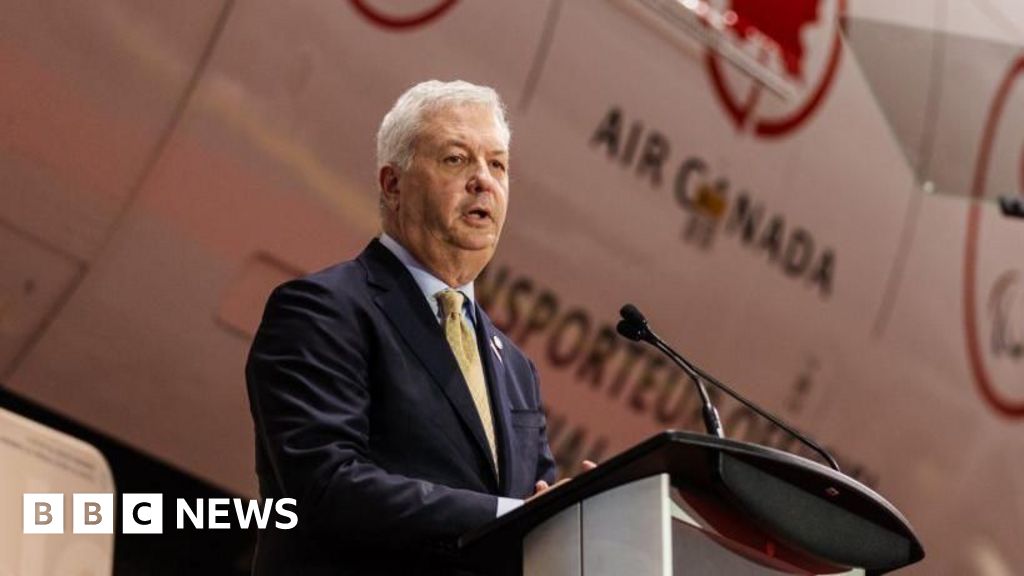
The recent controversy surrounding Michael Rousseau, the CEO of Air Canada, demonstrates how cultural and linguistic expectations can influence corporate governance and international relations. After a tragic crash at LaGuardia Airport that resulted in the loss of two pilots, Rousseau issued a message that, notably, did not include references to the French language—a decision that ignited widespread calls for his resignation. For many, especially within the context of Canada‘s dual linguistic identity, this omission has transcended corporate misstep to become a symbol of perceived neglect of national values and identity.

The incident underscores how linguistic and cultural norms are intertwined with the political fabric, especially in nations like Canada where bilingualism remains a core element of national policy. Critics argue that Rousseau’s oversight reflects a deeper disregard for the country’s foundational principle of *official multilingualism*, fueling debates about cultural integrity and national loyalty. Countries with similar dual-language identities, such as Belgium and Switzerland, have long navigated the delicate balance of linguistic respect in the face of political and economic pressures. International analysts warn that neglecting these cultural symbols can chip away at social cohesion, particularly during times of crisis or tragedy.

Furthermore, this incident exemplifies the *broader tensions between corporate accountability and national identity.* Unlike corporate disasters of the past, where technical failures or safety lapses dominated the headlines, this episode highlights how perceptions of cultural insensitivity can escalate public outrage. Experts from organizations like the International Civil Aviation Organization (ICAO) have emphasized that in a globalized world, multinational corporations operating within diverse nations must adhere to local cultural expectations to sustain legitimacy. The calls for Rousseau’s resignation are seen as a broader reflection of society’s demand for leaders who honor the societal fabric they serve, especially in the context of national tragedy.

The geopolitical impact of this controversy extends beyond mere public relations. As Canada navigates its place within the international community—and faces diplomatic scrutiny for safety standards and corporate governance—such incidents threaten to undermine its reputation. Historians suggest that how nations handle internal crises often signals their resilience and commitment to national values on the world stage. If the leadership of major corporations like Air Canada are perceived as disconnected or dismissive of cultural expectations, international partners and investors may question Canada’s adherence to its own principles.

In the shadow of this unresolved controversy, the weight of history remains unspoken yet immense. Leaders, institutions, and societies must grapple with the reality that recent events are not isolated but part of a broader narrative about identity, accountability, and the global standing of nations. As industry analysts warn of the potential repercussions—economic, diplomatic, and social—domestic debates escalate, echoing the same questions that history has left unanswered for generations: How do nations uphold their core values amidst the turbulence of international affairs? And in moments of crisis, will their leaders be judged not just by actions but by their fidelity to the very cultural fabric that defines them? The course of history continues to unfold, driven by these profound questions, with the stakes never higher.

French Parties Scramble for Alliances Ahead of Crucial Local Election Runoff

As France prepares for the upcoming final round of its pivotal local elections this weekend, the country’s political landscape is experiencing a seismic transformation that echoes far beyond its borders. The strong performance of both the far right and radical left across key cities like Marseille, Lyon, and Paris reflects a broader undercurrent of societal discontent and a profound contest over the nation’s identity. These municipal contestations are not mere local affairs but are emblematic of potential shifts in the national and even European geopolitical fabric. With the presidential election looming in 2027, political strategists and international analysts are keenly watching how alliances are forming — or fracturing — in this volatile climate.

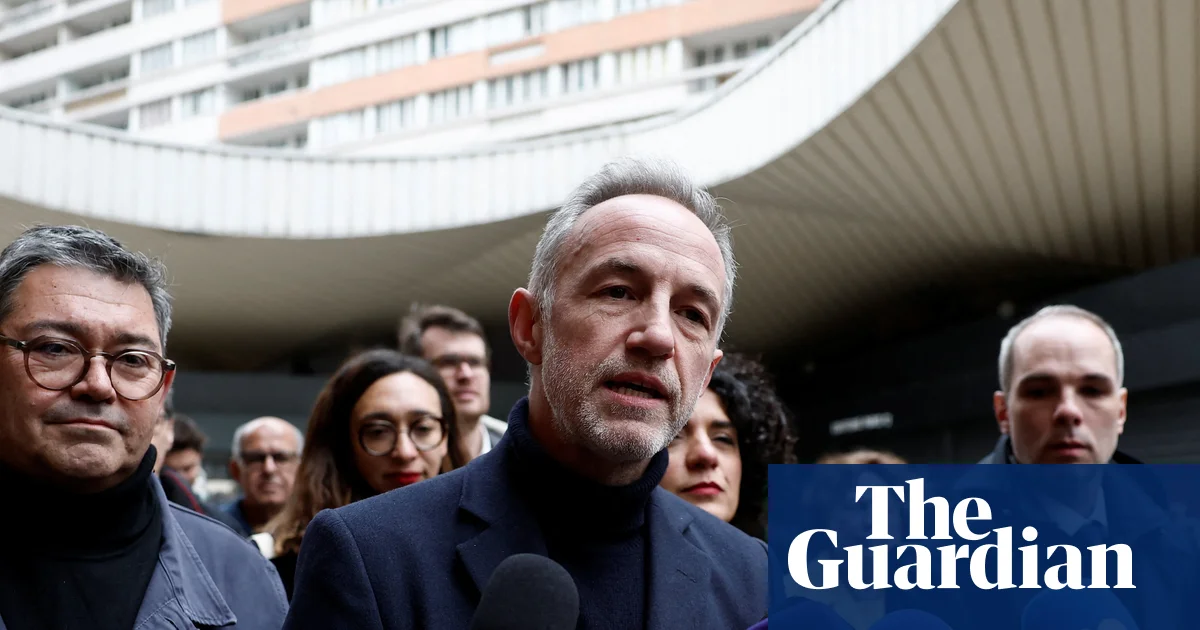
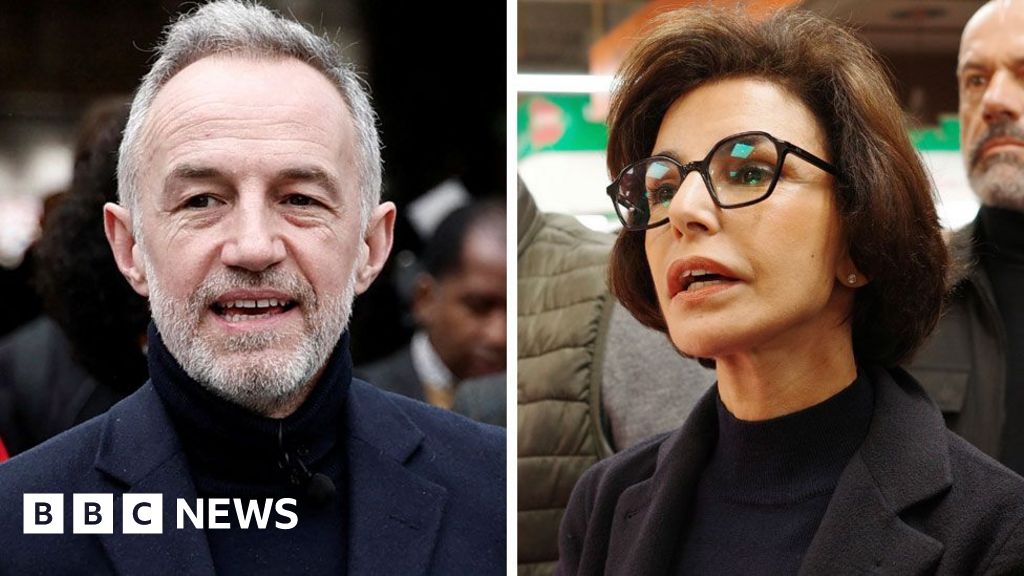
The race for Paris’s mayoralty illustrates the intensifying ideological battle lines, with Emmanuel Grégoire leading the socialists and Rachida Dati seeking to capture the capital for the right, despite bitter internal conflicts. Dati, a former culture minister, faces an upcoming trial for alleged corruption, yet her campaign persists as a symbol of the growing populist and nationalist movements threatening to reshape France’s political landscape. Her alliance negotiations with centrist figure Pierre-Yves Bournazel underscore the fluidity of political lines and the increasingly pragmatic, if fragile, blockades forming amidst accusations and personal insults. Notably, analysts warn that such alliances, often driven by tactical considerations, could produce unpredictable outcomes, potentially empowering factions with xenophobic and nationalist agendas. The historical significance is clear — these local sparks could ignite broader waves of political realignment, undermining traditional centrist and leftist dominance that has persisted for decades.

The far right, once dismissed as a fringe element, is now gaining unexpected ground in major urban centers, with Sophia Chikirou representing La France Insoumise and making headway in the north, while Sara Knafo of the Reconquest party secured a notable 10% in wealthy districts of Paris. The latter, linked to Éric Zemmour, a controversial figure convicted of racial incitement, signals a dangerous shift: the emergence of far-right influence in constituencies historically resistant to such ideas. The fact that Knafo’s campaign managed to break traditional voting patterns in Paris’s affluent areas is a vivid reflection of how the decline of cultural cohesion and the rise of anti-immigration sentiments are reshaping the political map of one of Europe’s most cosmopolitan cities. International observers, including the European Parliament and many think tanks, warn that these developments threaten to destabilize the social fabric and challenge the EU’s core principles of integration and pluralism.

Meanwhile, the National Rally and its candidate Franck Allisio look poised to make a major breakthrough if Marseille’s runoff favors him, which could mark a landmark moment in urban nationalist politics. Historically plagued by electoral setbacks in large cities, the RN’s ability to come within striking distance of controlling France’s second-largest metropolis is seen as a harbinger of a new political epoch. As France’s traditional political institutions face mounting pressure to adapt or collapse, the implications stretch across the continent, energizing populist movements and challenging the EU’s cosmopolitan order. Such a shift portends a future where the battle for urban hearts and minds could redefine regional alliances and influence the global balance of power. The city that France built — a crucible of democracy, culture, and innovation — now stands at the crossroads of history, its future being written in the ballots of a restless electorate. As the votes are cast and counted, the world waits with bated breath, aware that this election is not only a French affair but a chapter in the ongoing saga of sovereignty and national identity that will shape the geopolitical landscape for generations to come.

French Voters Divide as Right Seeks Control of Paris

The geopolitical landscape is once again on the cusp of transformation as national elections approach and polling data underscores the changing tides of political influence across multiple regions. In a recent survey, electoral forecasts have revealed that all leading candidates, except for Mariani, are garnering more than 10% of the vote, a crucial threshold to qualify for the runoff elections. This divergence signals a potential realignment of political forces and highlights the strategic importance of alliances. In such a landscape, candidates with less than 10% support, like Mariani, face a critical decision point: if he surpasses a modest 5% threshold, he could become a kingmaker by forming alliances—an influential move capable of shaping the nation’s political future.

This political scenario embodies a broader international impact that stretches beyond national borders. Analysts warn that the outcome of this election could ripple through regional alliances, trade deals, and even security frameworks. As international organizations monitor these developments, experts caution that the decisions made by these political contenders will influence macro-level geopolitics, affecting everything from diplomatic relations to economic stability. The strategic plays underway are not merely domestic—they are intertwined with the global competition for influence, especially in a world where power balances are shifting rapidly amidst ongoing conflicts and economic uncertainties.

Historian and geopolitical analyst Dr. Elena Korsakov emphasizes that history demonstrates the significance of coalition formations in shaping a nation’s destiny. “In many instances, the smaller, seemingly insignificant candidates can turn out to be pivotal players,” she explains, highlighting how political maneuvering often determines the direction of entire regions. The potential for a candidate like Mariani—initially seen as a fringe figure—to leverage just over 5% of support into strategic alliances exemplifies this principle. Such decisions could alter the trajectory of national policy—shifting priorities on international collaboration, military partnerships, or economic policies—impacting populations and societies well beyond the electoral contest itself.

The global community remains vigilant. International bodies, diplomatic entities, and strategic think tanks analyze each development for signs of larger shifts that could influence global stability. As history has shown, the outcome of these elections could serve as a turning point—either reinforcing existing alliances or catalyzing new power blocs. With every ballot cast and every alliance forged or broken, the threads of history are being woven into a complex and uncertain tapestry. The world watches with bated breath, pondering: how will these internal political currents ultimately reshape the geopolitical map — and what new conflicts or opportunities will emerge from the ashes of old paradigms?

Swedish officials suggest suspected Russian drone targeted French carrier—raises tension in Europe

STOCKHOLM— In a striking display of regional concern, Swedish Prime Minister Ulf Kristersson addressed the nation from the deck of a military carrier, emphasizing the gravity of recent military incidents that have escalated tensions along the Nordic border. In a candid assessment, Kristersson declared the event, which he characterized as serious, to be not entirely unexpected, signaling a brewing storm that threatens to alter the security landscape of Northern Europe.

Kristersson’s remarks highlight a disturbing pattern, as many analysts interpret the incident as part of a broader Russian strategy aimed at projecting power beyond its traditional spheres of influence. “It is very difficult to see as a coincidence,” he remarked, pointing to the persistent tempo of Russian military movements and provocative actions that mirror tactics observed in other regions where Russia has sought to assert dominance. Historically, such behaviors have been a prelude to more aggressive policies, raising alarms both within NATO and among neighboring nations wary of increased Russian assertiveness.

International organizations and security experts have sounded the alarm over these developments. The NATO alliance, already on edge after recent provocations, views these incidents as a potential preamble to further destabilization. According to analysts from the International Crisis Group, “This pattern of behavior signifies a calculated effort by Russia to challenge the existing security order in the region, and while escalations may seem isolated, they are part of a larger strategy of intimidation and influence.” The implications of such actions extend beyond regional borders, threatening the fragile balance of peace and risking a broader confrontation that could ignite across Europe.

Decisions made today echo profoundly on the geopolitical stage. Sweden’s decision to bolster its military readiness signifies a clear shift in policy, aligning with NATO’s efforts to deter Russian expansionism. The analyses of historians like Dr. Eric L. Hanley suggest that these moments could serve as either a reaffirmation of Western resilience or, conversely, a catalyst for renewed conflict if diplomatic channels fail to contain the crisis. Meanwhile, international institutions such as the United Nations have expressed concern but lack the decisive authority to curb such aggressive maneuvers without a unified response from the West.

As the world watches, the unfolding series of provocations and countermeasures signals a pivotal chapter—one that could determine the stability of Europe for generations. The weight of history presses heavily on today’s leaders, whose choices will shape a continent teetering on the edge of a potential new Cold War. The tense silence before the next move is deafening, and the eyes of history remain fixed on the unfolding narrative, where every decision could either forge a new era of peace or plunge the region into chaos, echoing the tumult of the 20th century’s darkest hours.

Top French Politician Resigns from Leading Institute Over Epstein Ties

European Influence in Crossfire as French Cultural Icon Faces Epstein Scandal

France has found itself embroiled in an international controversy that extends its shadow across diplomatic and cultural landscapes. The fallout from the Jeffrey Epstein scandal, which has rocked the global political and social order, continues to unearth disturbing revelations about prominent figures within European spheres of influence. Jack Lang, a revered cultural figure in France and a former Minister of Culture under François Mitterrand, has been forced to resign from his post as head of the prestigious Institut du Monde Arabe. This decision follows a disturbing investigation by French authorities into his alleged contacts with the convicted sex offender and financier, Jeffrey Epstein, who died in prison in 2019 under controversial circumstances.

Recent disclosures, stemming from files released by the US Department of Justice, have publicly linked Lang and his daughter, Caroline, with Epstein, revealing over 600 references in private correspondence. While Lang maintains his innocence, insisting his interactions were purely philanthropic, the **geopolitical impact** of this scandal reverberates far beyond France’s borders. How European elites are intertwined with American financial networks and illicit social circles is now under scrutiny, adding a new layer of complexity to international relations and perceptions of transparency. International organizations, including human rights and anti-corruption watchdogs, warn that such revelations threaten to erode trust in cultural and political institutions, fueling a narrative of decadence and moral decay among Europe’s ruling classes.

How Decisions Shake Societal Foundations and International Relations

  • The investigation underscores the persistent vulnerability of high-profile individuals amid rising demands for accountability in an era of heightened transparency.
  • Lang’s resignation and the ongoing probes highlight how **international diplomacy** is increasingly shaped by scandals that threaten to destabilize diplomatic goodwill and cultural diplomacy.
  • European nations face mounting pressure to confront internal hypocrisies, as the Epstein revelations expose uncomfortable truths about the network of elite influence that spans continents.

Comments from analysts and international organizations point to a **shift in the global perception** of Western moral authority. “This scandal exemplifies how clandestine networks operated by the elite are now being exposed at an unprecedented rate,” notes Dr. Marie Dubois, a geopolitical analyst. Such disclosures are likely to fuel populist sentiments across Europe, demanding greater scrutiny of both political and cultural elites. Moreover, historians warn that these crises serve as stark warnings of how unchecked power and influence can undermine societal foundations, leading to a potential crisis of legitimacy.

International Repercussions and the Broader Power Struggle

The Epstein case has become a litmus test for **international accountability**. The scandal’s reach extends into other global centers of power, raising questions about the extent of influence wielded by shadowy financial figures. As investigative authorities continue to scrutinize the connections between Epstein’s network and political figures across Europe, the **geopolitical landscape** may experience shifts in alliances and trust structures. Nations dependent on diplomatic goodwill, especially with *France*, now find themselves confronting uncomfortable truths that threaten to challenge their societal narratives.

Meanwhile, some political commentators argue that these revelations might catalyze reform, pushing nations to address systemic corruption. Conversely, others suggest that the scandal could entrench populist and nationalist movements, which thrive on anti-elite rhetoric. The **real legacy of this crisis** will hinge on how effectively international institutions and governments respond to the calls for transparency and justice. As history watches, the unfolding story of deception, power, and accountability remains a stark reminder of how **secret networks** can threaten the very fabric of modern democracy.

As the dust settles, one truth remains undeniable: the weight of history is still being written, and the actions taken today will shape the global narrative for generations to come. The scandal underscores perhaps the most profound lesson of our era—that the corridors of influence are fraught with peril and that the true price of power is often paid in the currency of integrity and trust. The emerging story is not merely about scandal but a test of societal resilience in an age where shadows often eclipse the light of truth.

French MPs move to block social media for kids under 15

France Moves to Ban Social Media Access for Under-15s as Global Trend Intensifies

In a decisive stride towards safeguarding youth mental health, France‘s National Assembly has passed initial legislation aiming to prohibit social media access for children under 15 years old. Backed by President Emmanuel Macron, this legislation marks a significant chapter in the international push to regulate the digital environment for impressionable generations. As the bill advances before the upper house, the Senate, the diplomatic and societal implications are reverberating well beyond French borders.

The proposed law is rooted in mounting concerns over the mental health crises linked to platforms like Instagram, Snapchat, and TikTok. Lawmakers, inspired by global trends—including recent laws enacted in Australia and ideas circulating across Europe—argue that social networks, which promised to unite and inform, have instead often darkened the emotional well-being of youth. Laure Miller, a key architect of the bill, emphasized that social media companies are not harmless, warning they have manipulated users into social isolation and information overload. Macron’s government, recognizing the growing evidence of harm, is determined to limit children’s exposure, with the aim of enforcing this by the upcoming September school term.

Geopolitical Shifts and International Responses

This potential legislation signals a notable shift in how nations are choosing to defend their young populations. In the broader context, it is part of a global reassessment of digital regulations, as countries confront the pervasive influence of social media giants. Nations such as Denmark, Greece, Spain, and Ireland are actively contemplating similar restrictions, while the UK has launched a consultation on banning social networks for under 16s. Analysts point to this international movement as a response to the undeniable rise in mental health issues among teenagers—a phenomenon that some experts attribute partly to the addictive nature of these platforms.

International organizations, including the European Commission, have voiced concerns over the inadequate regulation of social media giants, echoing calls for stronger oversight to protect young users. Historians warn that these initiatives reflect a critical crossroads in how societies shape digital governance, with some fearing that overreach may stifle free expression, while others argue that protecting vulnerable youth is an overarching necessity. The European Court of Justice has previously ruled on issues related to online data and privacy, setting a legal precedent that may influence France’s legislative direction. As nations tangle with complex legal and ethical questions, the international community appears to be heading toward a new era of digital accountability.

Implications for Society and the Future Path

Implementing such restrictions has far-reaching consequences—altering societal norms and redefining the digital landscape. For France, the move signifies a proactive attempt to shield a new generation from what many view as manipulated digital environments designed solely for profit. The legislation’s success may set a benchmark for future policies globally, forcing tech giants to reconsider user age verification mechanisms and content regulation. Importantly, the law’s emphasis on parental approval for less harmful content underscores an acknowledgment of individual family dynamics and rights, while also raising questions about state overreach in personal education.

Moreover, the debate around banning mobile phones in senior schools reveals the broader societal struggle to regulate technology that has become inseparable from daily life. As French authorities grapple with these questions, international observers from the United States to Asia are watching closely, aware that such policies could induce a domino effect. Some critics argue this approach risks infringing on personal freedoms, while advocates see it as a necessary step in an era where the influence of digital platforms is unmatched in shaping societal youth. As history continues to unfold, one cannot help but sense the weight of generations past watching this new digital frontier with cautious optimism—and certain skepticism.

Ultimately, the legislative battles and societal debates unfold amidst a backdrop of accelerating technological change—facing not just the question of what is legal, but what is right. The decisions made today will carve paths for the digital world of tomorrow, shaping the minds, morals, and freedom of youth across borders. As the French government pushes forward, the shadow of history looms large: how nations choose to regulate the digital age could define the legacy of our era, echoing through generations yet to come, as the world watches with bated breath.

Farmers protest French blockades over cattle cull crackdown

Amid mounting protests and widespread unrest, France finds itself at a crucial crossroads in an ongoing battle over agricultural sovereignty and economic stability. Angry farmers, disillusioned by government policies and EU directives, have staged intense demonstrations across rural regions, notably in the southern Ariège department, where clashes erupted between riot police and protestors over the controversial slaughter of cattle amid the outbreak of Lumpy Skin Disease (LSD). This highly contagious bovine affliction, transmitted predominantly through fly-bites, has ignited passions within France’s farming communities. Although the disease is rarely fatal, its economic toll—rendering cattle unsaleable and severely damaging milk production—has become a flashpoint in the broader struggle to preserve local agriculture and traditional ways of life.

The French government’s response, involving the mass slaughter of entire herds following isolated infections, has been met with fierce opposition from key farmers’ unions such as Conféderation Rurale and Conféderation Paysanne. These groups argue that the policy is an overreach, asserting that more nuanced methods like selective culling and vaccination could contain the disease without devastating farmers’ livelihoods. Nonetheless, most veterinary experts, including Stephanie Philizot, head of the SNGTV vets’ union, warn that the virus often appears in symptomless animals, making whole-herd slaughter a necessary, if harsh, precaution. With approximately 110 outbreaks since June, primarily in France’s east and increasingly spreading into the southwest, the situation underscores the challenge of balancing public health measures with economic survival in a climate of escalating farm crises.

Beyond the immediate health concerns, the crisis illustrates a broader geopolitical tension over EU policies, agrarian independence, and international trade. The French government fears that mounting protests and farmer unrest could escalate into a wider movement, fueling resistance against what many perceive as overreach by EU institutions. Upcoming protests scheduled in Brussels during an EU summit highlight the national frustration over policies perceived to threaten their economic sovereignty. These grievances extend beyond disease control; farmers vehemently oppose the impending EU free-trade agreement with South American nations. Many alarmed farmers see this treaty as a gateway for increased imports of cheaper food—often produced under looser environmental and sanitary regulations—posing a direct threat to France’s agricultural sector and its cultural identity.

International analysts and organizations continue to watch these developments closely, recognizing them as a microcosm of broader struggles faced by EU member states. Historian Dr. Marie Dubois notes that “the current unrest echoes the historical tension between national sovereignty and supranational mandates, reminiscent of past crises when local interests clashed with overarching EU directives.” The European Commission and national governments alike are under immense pressure to navigate these volatile waters—striving to enforce health policies without igniting societal backlash that could fracture the unity of the European project itself. The outcome of this confrontation—whether it leads to policy concessions, political upheaval, or a reevaluation of EU integration—remains uncertain, but the stakes could not be higher.

As France’s farmers brace for more protests and stand at the edge of an increasingly uncertain future, history’s pen continues to write its own story. The struggle for agricultural sovereignty, national identity, and economic survival is unfolding in real time, leaving the continent on the brink of a new chapter in its ongoing saga. The next few months may redefine not only French rural policy but also the very fabric of Europe’s unity—reminding the world that beneath every diplomatic handshake and treaty lies a fragile human pulse, beating with the hopes and fears of generations. History is watching, and what is written now will echo for decades to come.

Social Media Auto Publish Powered By : XYZScripts.com