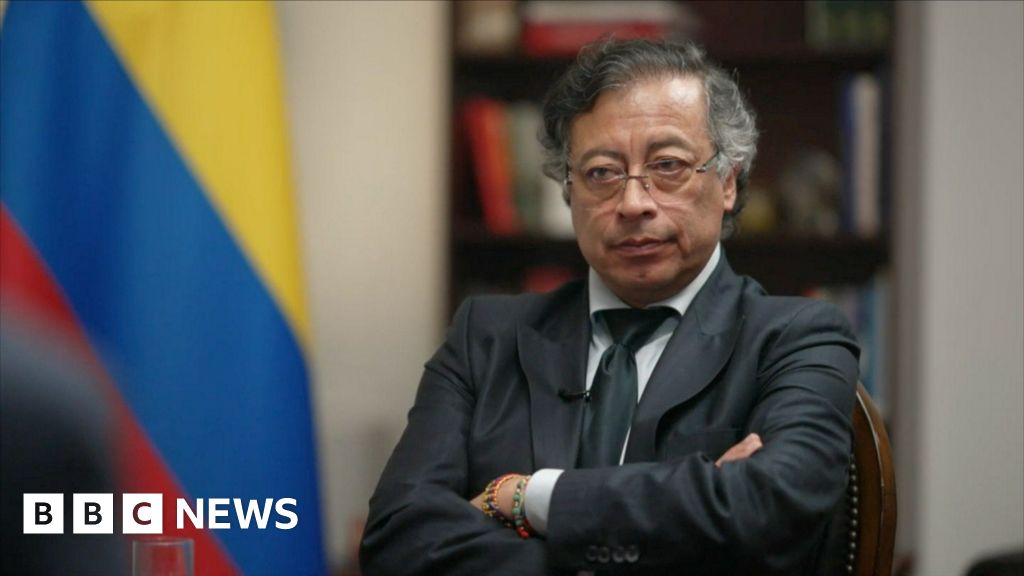
The recent US military strikes in the Caribbean Sea have ignited a fierce international debate over sovereignty, legality, and the future of U.S.-Latin American relations. The Biden administration, continuing a contentious policy from the previous Trump era, launched airstrikes targeting alleged drug-trafficking vessels in what they frame as a necessary crackdown on narcotics entering the United States. However, Colombia’s President Gustavo Petro has denounced these strikes as an “act of tyranny,” warning that such unilateral military actions threaten regional stability and violate international laws. His outspoken opposition underscores a broader sense of Latin American mistrust toward U.S. interventions, especially when international norms appear to be sidestepped in pursuit of drug interdiction goals.
This confrontation is not merely about drug traffickers but reflects a deeper battle over sovereignty and the rule of law across the hemisphere. The Biden administration’s secrecy around the operation—failing to disclose targets, identities of those killed, or legal justifications—has prompted outrage among international legal experts and lawmakers. Many question whether such targeted killings in international waters contravene international human rights laws or if they constitute extrajudicial executions, as flagged by UN authorities. The lack of transparency fuels accusations that the U.S. is prioritizing aggressive tactics over diplomatic efforts, risking to alienate critical regional allies.
Analysts from various international organizations warn that these actions could set a dangerous precedent, transforming the Caribbean Sea into a theatre of shadow warfare where sovereignty is disregarded in the name of combating narcotics. Historians point out that the United States’ history of military interventions in Latin America has often led to long-term instability, interference that has historically favored strategic interests over regional welfare. The question remains: How will such policies reshape the geopolitical landscape? Already, Venezuela and other neighboring nations voice increasing apprehension, seeing the strikes as provocative attempts to destabilize their governments and economic systems.
Meanwhile, President Petro has clearly framed this conflict as an assault on national sovereignty. His call for criminal investigations into U.S. officials involved in these strikes underscores a broader warning—interventionism breeds resentment and undermines mutual trust. As tensions intensify, the implications extend beyond immediate security concerns: they threaten to fracture regional alliances, fueling anti-American sentiment and strengthening nationalist narratives. The international community, including dissenting voices within the UN, is watching closely, with some experts warning that this escalation could unravel decades of diplomatic progress and usher in a new phase of proxy conflicts and rivalries.
As the world grapples with this unfolding crisis, the echoes of history remind us that such decisive moments often _determine the fate_ of nations for generations to come. With the weight of sovereignty, legality, and societal stability hanging in the balance, the geopolitical impact of these decisions will ripple across continents. Public sentiment in Latin America, influenced by a legacy of intervention and resistance, hints at a rising tide of nationalistic resilience—an obstacle that the United States now faces as it navigates an increasingly complex and divided world stage. The pages of history are being written at this very moment—with each strike, each diplomatic rebuff, shaping a future where control is contested not just in the halls of government, but in the minds of nations and peoples threatening to forge their own destinies amid the chaos of international power struggles.