Iranian Unrest: A Nation in Turmoil
The Islamic Republic of Iran finds itself engulfed in one of the most intense waves of anti-government protests in its modern history. What initially began as a response to economic hardship has quickly evolved into a broader movement calling for fundamental political change. The protests, sparked in late December, have shown an unprecedented level of resilience among Iran’s youth, and their scale suggests an erosion of the regime’s longstanding grip on power. With reports of over 6,000 confirmed deaths—collated by human rights organizations—these events will undoubtedly reverberate across Middle Eastern geopolitics and challenge the narrative of stability traditionally promoted by Tehran’s leadership.
Violence on the Streets and Suppression Tactics
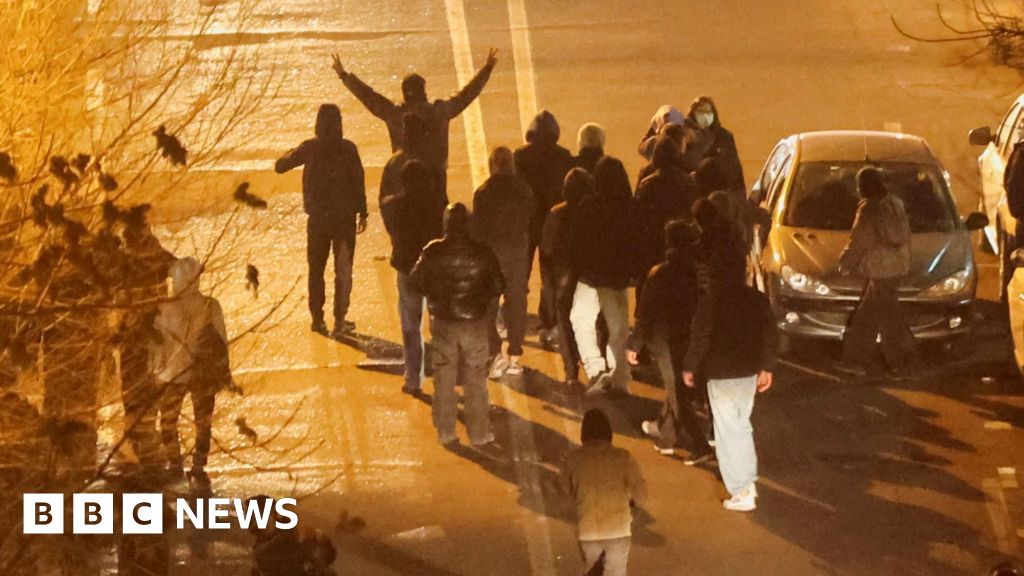
Eyewitness accounts and verified footage attest to the brutal response from Iranian security forces. Reports of security personnel firing live ammunition at protesters with impunity paint a harrowing picture of state repression, which includes the use of pellet guns targeting faces, eyes, and heads of demonstrators. One eyewitness, Parham, described how friends and fellow protesters were victims of targeted violence—some shot in the forehead or eye—resulting in several casualties. The government insists that most of the 3,100 reported deaths involve rioters and security personnel, but eyewitness testimonies and medical reports suggest a different story. As protesters organize despite a near-total internet shutdown, the urban battlegrounds resemble scenes from a conflict zone, stirring fears of a nationwide crackdown that could threaten Iran’s internal stability.
International and Geopolitical Ramifications
The fate of these protests holds significant geopolitical impact. Both Western nations and regional actors are watching closely, aware that regime stability in Tehran affects regional security, energy markets, and the balance of power in the Gulf. While U.S. policymakers and human rights advocates call for accountability, Tehran accuses foreign agents of fomenting chaos, framing the unrest as U.S.-backed riots. Such narratives, disseminated through state-controlled media, aim to legitimize the crackdown and rally nationalist sentiments. Historians like Professor Sarah Johnson warn that suppressing such mass dissent could deepen Iran’s reputation as a pariah state, potentially fueling further instability and driving a wedge between Iran and its neighboring countries.
The Struggle for Truth and the Human Toll
The personal toll of the unrest is staggering. Families are being coerced—forced to pay large sums or falsely record their loved ones as security personnel—an attempt to obscure the real death toll and punish grieving relatives. Survivors like Sina, who bears pellets in his eyes, highlight the brutal physical toll exacted by Iran’s security apparatus, which has used live fire and pellet guns indiscriminately. Reports from medical facilities confirm widespread injuries and trauma, with hospitals overwhelmed by victims of violence. Amid this chaos, the international community faces a dilemma: uphold human rights standards or accept Iran’s narrative of unrest as a foreign conspiracy. As history unfolds, it remains to be seen whether the voices of Iran’s youth and the suffering families will be heard or drowned out by the regime’s heavy-handed tactics.
The End of Silence or the Calm Before the Storm?
As the world stands on the precipice, pondering the significance of this upheaval, history reminds us that such moments are rarely fleeting. With each passing day, the sovereignty of Iran is being tested, and the trajectory of its future hangs in a delicate balance—one that will define the course of the Middle East for decades to come. Will Iran’s leaders tighten their grip, or will the indomitable spirit of its youth ignite a new chapter of reform? The answer is yet to be written, echoing through the corridors of history, with the weight of countless lives and the destiny of a nation hanging in the balance.