International Diplomacy Intensifies as Ukraine Seeks Peace Amid Ongoing Russian Aggression
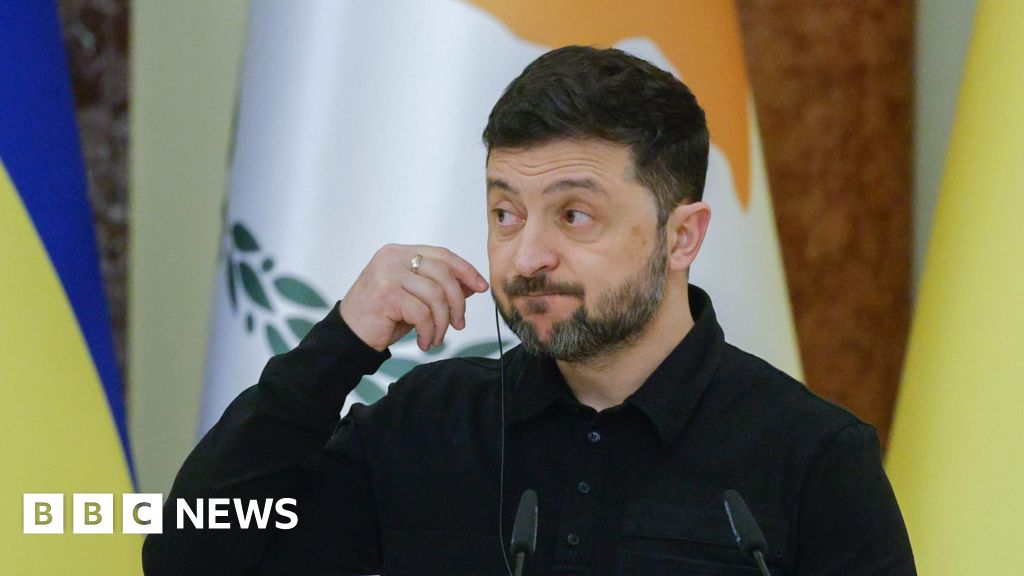
The ongoing conflict in Ukraine remains a focal point of international tension, with diplomatic efforts reaching new heights amidst relentless Russian bombings. Ukrainian President Volodymyr Zelensky recently held a “very constructive” phone conversation with key US figures, including Steve Witkoff and Jared Kushner, highlighting a clear US interest in shaping a peaceful resolution. However, with Moscow continuing its destructive assault, questions loom about the sincerity of Russia’s diplomatic stance. Despite these high-level talks, Moscow’s refusal to make concessions signals a persistent threat to regional stability—as evidenced by over 650 drone and missile strikes in a single night, targeting critical infrastructure and deepening the humanitarian crisis.
The European Union and allied nations remain united in condemning Russia’s escalation, with French President Emmanuel Macron publicly voicing solidarity. Macron, along with UK Prime Minister Sir Keir Starmer and German Chancellor Friedrich Merz, plan to meet in London, aiming to discuss a cohesive strategy for Ukrainian security post-conflict.
- These talks are a continuation of previous discussions concerning a possible European peacekeeping force—a proposal Moscow has rejected, branding such troops as “legitimate targets”.
Such resistance underscores Russia’s steadfast aversion to any foreign intervention that might threaten its strategic objectives.
Meanwhile, the United States and Ukraine are engaged in intensive negotiations in Florida, attempting to bridge differences over a US-backed peace plan. Though initial meetings have been described as “constructive,” substantial hurdles remain.
- Talks have centered on security arrangements and deterrence capabilities, key to ensuring long-term stability in Ukraine.
Importantly, the negotiations reflect a broader Western effort to prioritize Ukraine’s sovereignty while navigating the intricate geopolitics that threaten to escalate tensions with Russia. The international community, through institutions like the United Nations, continue to monitor these developments, albeit with growing concern over Moscow’s reluctance to accept peace terms and its relentless campaign of targeted missile and drone strikes.
The geopolitical impact of these diplomatic efforts and military escalations is profound. The conflict not only threatens the territorial integrity of Ukraine but also risks setting off wider regional instability—potentially igniting new conflicts across Eastern Europe. As analysts warn, the decision by Vladimir Putin to reject peacekeeping proposals and intensify military assaults signals a dangerous posture that challenges the broader international order. Ultimately, these ongoing negotiations and military hostilities are shaping the contours of future global power dynamics, raising urgent questions about how nations will balance security, sovereignty, and diplomacy in a rapidly evolving geopolitical landscape.
As history continues to unfold with each missile strike and diplomatic handshake, the world stands at a precarious crossroads. The weight of unresolved conflicts and unfulfilled promises hangs heavily in the air, underscoring the crucial importance of decisive leadership and alliance-building. The outcome of this tumultuous chapter remains uncertain, but one thing is clear: the decisions made today will echo through the corridors of history, shaping the future for generations to come. The question remains—will diplomacy prevail, or will the shadows of war deepen, ushering in a new era of chaos and upheaval?