Matox News

Truth Over Trends, always!

Live: Iran considers Pakistan talks with US amid rising tensions—claims ‘new battlefield’ cards in US-Israel standoff

In an unfolding series of high-stakes confrontations in the Middle East, Iran has condemned recent US military actions, labeling the seizure of an Iranian-flagged cargo ship as “maritime piracy” that exacerbates existing tensions in the region. This incident, accompanied by the US Navy’s deployment of marines onto the vessel, has thrown diplomatic efforts aimed at de-escalation into disarray. Iran’s foreign affairs ministry has called for the immediate release of the ship and its crew, asserting that the act violates international law and breaches earlier ceasefire agreements with the United States. Such moves not only threaten to derail fragile negotiations but also deepen fears of broader regional conflict, potentially impacting the global flow of oil and commodities through the vital Strait of Hormuz.

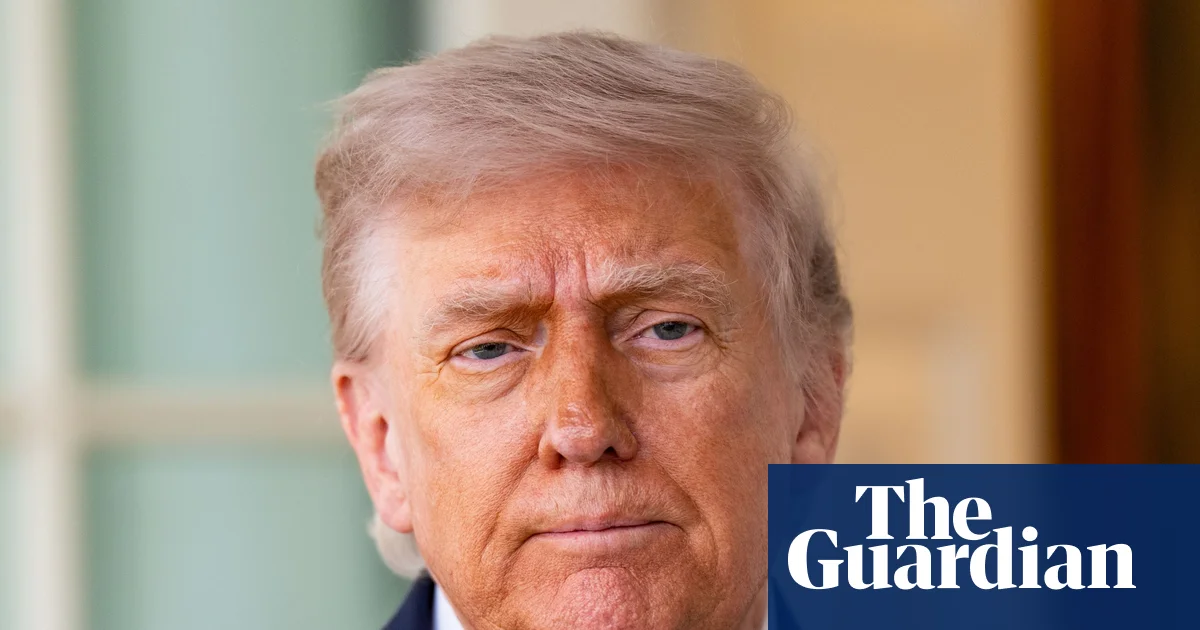
Officials in Washington remain committed, at least officially, to the pursuit of diplomatic solutions. Donald Trump has asserted that “a deal with Iran would happen relatively quickly,” reinforced by his declaration that the US would not lift its blockade until Iran agrees to negotiate on its nuclear program. Such statements underscore the complex and precarious nature of international diplomacy amid escalating military threats and economic sanctions. Meanwhile, US Vice-President JD Vance remains in the US, fueling uncertainty about the upcoming second round of talks. Despite Islamabad’s efforts, led by Pakistani military and diplomatic officials, to host meaningful negotiations in Islamabad, the outlook remains grim. Both Iran and the US are entrenched in a cycle of accusations and retaliatory measures, with Iran warning of “new cards on the battlefield” as the ceasefire deadline looms.

Beyond the naval standoff, the broader geopolitical impact resonates globally. Oil markets have reacted with a dip in prices amid hopes that peace talks will succeed and the Strait of Hormuz will be reopened, a critical corridor through which a significant portion of the world’s oil supply passes. Notably, Russia and Iran maintain ongoing discussions, emphasizing the strategic importance of maintaining passageways and stability in the region. Yet, this fragile calm is threatened by reports of violence escalating in Gaza, where Palestinian casualties continue to rise due to Israeli strikes, and clashes between Hamas fighters and Israeli-backed militias threaten to ignite a wider conflict. Historians and analysts warn that these developments could set the stage for a prolonged regional upheaval with far-reaching consequences for international security and economic stability.

At the core of this volatile situation lies the posturing over Iran’s nuclear capabilities. Donald Trump claims that the US has “obliterated” Iran’s nuclear dust sites during last year’s strikes—an assessment questioned by experts who highlight that underground facilities in Isfahan and Natanz remain largely intact, capable of resuming nuclear activities. Iran’s leadership, meanwhile, continues to assert its right to develop nuclear energy while warning that continued blockade and military threats only reinforce their resolve to reveal “new cards” on the battlefield. As diplomatic efforts flounder, the world faces a stark reality: the unfolding decisions and retaliations in the Middle East are not just about regional power — they are about who ultimately controls the future of global geopolitics. The unfolding drama echoes the words of historians who have long warned that the Middle East’s persistent conflicts are intertwined with the world’s strategic interests, often resulting in chaos that echoes far beyond its borders. Today, as each move is scrutinized and claims are made, the weight of history presses upon us—reminding us that the sands of this conflict are indeed shifting beneath our feet, with the potential to reshape the very fabric of global order.

Israel and Hezbollah escalate clashes after US-led Lebanon talks

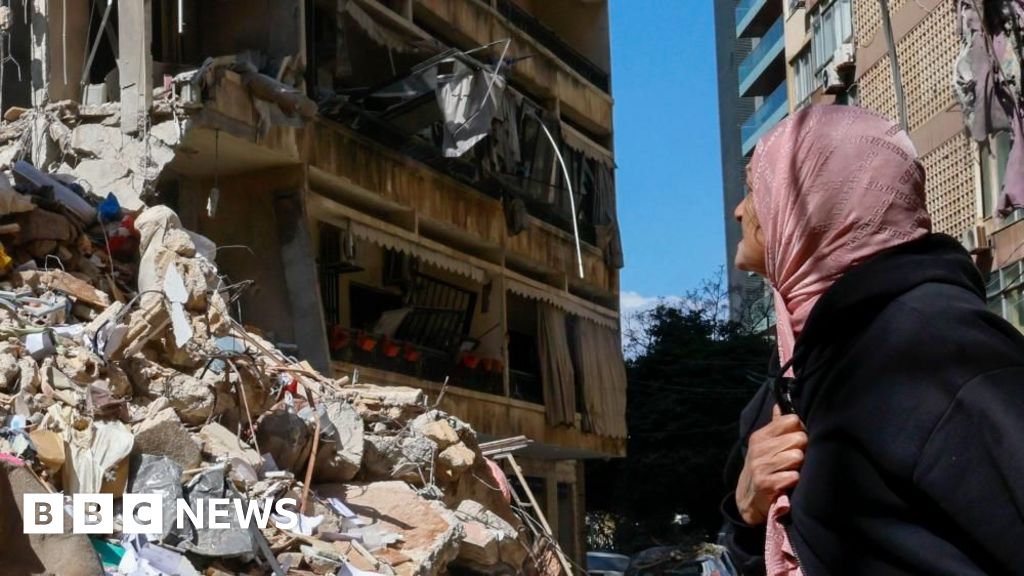
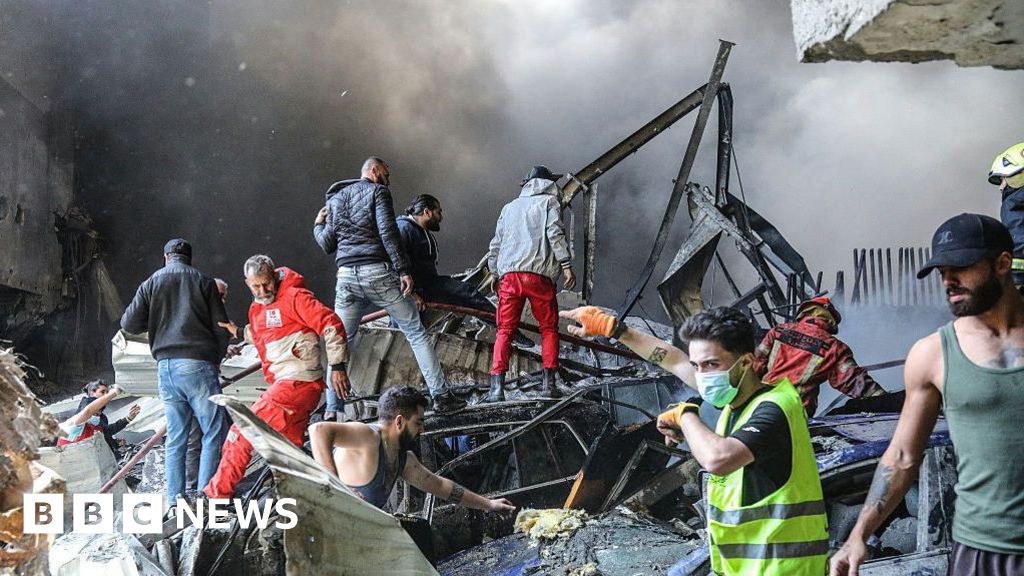
In a dramatic turn of events, Israel has launched a series of strikes targeting southern Lebanon, marking a significant escalation in the ongoing Middle East conflict. These military actions follow a period of rare direct negotiations, which had briefly raised hopes for de-escalation in a region long plagued by hostilities. Meanwhile, Hezbollah, the Iran-backed Lebanese militia, responded aggressively by firing rockets at Israeli territory, signaling that diplomacy has yet to translate into a lasting ceasefire.

The recent surge in violence underscores a fragile geopolitical balance in the Levant, with Israel asserting that its strikes are aimed at suppressing militant activity and deterring further attacks. Officials in Tel Aviv emphasize that their operations are targeted and precise, yet the repercussions are felt far beyond Israel’s borders. The United Nations has called for restraint, warning that rising tensions risk unleashing a broader regional conflict with devastating consequences.

Analysts caution that these incidents serve as a stark reminder of the region’s volatile nature. Historically, moments of diplomatic briefings—like the recent negotiations—have often been followed by a resurgence of violence, reflecting the complex web of alliances and unresolved grievances. As international organizations and key powers, including the United States and Russia, observe closely, experts warn that a failure to achieve sustainable peace could plunge the region into renewed chaos with profound geopolitical impact. It could threaten to destabilize neighboring countries, fuel extremist narratives, and threaten global security more broadly.

From the perspective of historians and political analysts, this cycle of aggression illustrates a recurring pattern in Middle Eastern diplomacy—where short-lived ceasefires give way to renewed conflict, often driven by unresolved territorial disputes, ideological clashes, and external influences. The recent exchanges between Israel and Hezbollah have _not_ only reaffirmed the volatility of the border regions but also underscored the importance of strategic resilience for regional and global stability. As the world watches, the decisions made in the coming days will shape the course of history, with many wary of the possibility that this latest confrontation may ignite a much larger and more destructive conflict.

As the skies over southern Lebanon darken with the echoes of explosive bursts and rocket salvoes, history’s pen continues to write a chapter of relentless upheaval. Despite efforts toward diplomacy, the undercurrent of hostility reminds the world of the fragile veneer over a landscape built on longstanding grievances and external influences. The question remains: will this cycle of violence persist, or can the foundations of peace finally be laid? Ultimately, the choices in this crucible of conflict will resonate through the centuries, shaping the future of nations and societies in an unpredictable and turbulent Middle East.

Middle East Tensions: US Claims Iran’s Economy Blocked, Trump Signals Talks Revival Amid US-Israel Pressure

In an era defined by shifting alliances and relentless strategic chess, the United States has escalated its stance against Iran with a sweeping naval blockade aimed at crippling the regime’s economic capacity. Ostensibly designed to pressure Iran back to the negotiating table by severing its oil revenues, this move has sent shockwaves through the global energy markets. Despite Iran’s resilience—exporting nearly 1.84 million barrels of oil daily—its ability to access vital shipping channels, especially via the Strait of Hormuz, has been severely constrained since early March. The blockade’s effect is profound: experts warn it could remove up to two million barrels of oil from the market each day, further tightening an already strained supply and destabilizing energy prices worldwide.

Amid the tumult, US military efforts to establish secure passage for non-Iranian vessels have been met with skepticism. The Pentagon claims that more than 20 ships have transited the Strait of Hormuz since the blockade’s inception; however, maritime analysts, including data firms like Kpler, report that actual traffic remains significantly below typical levels—just six vessels on the first day. Maritime historian Salvatore Mercogliano emphasizes the high commonality of operational risks in the region: “The operating environment remains high risk, limiting any meaningful recovery in flows.” The palpable uncertainty among shipowners underscores America’s strategic gamble: maintain maritime dominance while risking a broader economic backlash. Critics contend this brinkmanship could backfire, catalyzing a global recession if tensions escalate further.

The geopolitical ripple effects are unmistakable. President Biden, along with allies such as Britain and France, have convened in a series of diplomatic efforts aimed at safeguarding international shipping. Notably, the upcoming summit in Paris seeks to craft a mprehensive, multinational plan to reopen the Strait of Hormuz—a vital artery for global commerce. Meanwhile, in the Middle East, Lebanon and Israel continue fragile negotiations under the shadow of renewed conflict; Hezbollah launched rocket salvos at northern Israeli towns just hours after these talks commenced, highlighting the persistent volatility. Former analyst comments suggest these developments are not isolated but interconnected, embodying a broader regional struggle where proxy conflicts threaten to ignite a wider war—one with the potential to reshape alliances and influence the balance of power for decades to come.

Adding tangled layers to this geopolitical crisis, Pakistan‘s prime minister Shehbaz Sharif is engaging in diplomatic shuttle diplomacy, traveling to Saudi Arabia, Qatar, and Turkey this week to forge regional pacts and facilitate a possible resumption of Iran-US negotiations. The unfolding diplomatic dance hints at the persistent hope among regional leaders that dialogue, not conflict, will ultimately prevail. However, Trump’s recent comments—implying that a deal with Iran could be imminent and criticizing allies like Italy for perceived inaction—further complicate the landscape. As historians like Michael Eisenstadt warn, these transient flashes of diplomacy are often overshadowed by entrenched mistrust and strategic interests that resist easy resolution.

In the weight of history’s unfolding chapter, the world watches as these high-stakes maneuvers threaten to spiral into a global conflagration or, conversely, forge paths toward fragile peace. The outcomes hinge on decisions made in smoke-filled diplomatic rooms and across tumultuous seas. As the tug-of-war over the Strait of Hormuz intensifies, the international community stands at a crossroads, caught between the forces vying for dominance. In the shadows of these battles, the true aim remains elusive: can diplomacy overtake power, or will this era be remembered as the dawn of a new, darker chapter of global conflict?

US-Iran Peace Talks Possible Soon as Trump Warns of Tensions with Iran

Amid mounting global tensions and soaring energy prices, U.S. President Donald Trump has signaled the possibility of resuming peace negotiations with Iran in an unexpected diplomatic development. Trump’s recent remarks, suggesting that talks could resume in Islamabad within the next couple of days, mark a notable shift in the ongoing confrontation over Iran’s nuclear ambitions and regional influence. The U.S. leadership, wary of the economic fallout from the Strait of Hormuz closure—an essential corridor through which roughly 20% of the world’s oil transits—appears to be recalibrating its approach to avoid further destabilization.

Strategic analysts highlight the significance of Islamabad’s role as a mediator in this fragile geopolitical chess game. Field Marshal Asim Munir, Pakistan’s formidable army chief, has been praised by Trump for his “great job” in facilitating dialogue, reflecting Islamabad’s emerging prominence as a regional diplomat. This diplomatic effort is happening amidst a backdrop of economic anxiety—oiled prices surged above $100 per barrel following Iran’s shutdown of the strait. Though crude prices briefly dipped to nearly $95 amidst reports of renewed negotiations, the global economy remains perched on a precipice, waiting to see whether diplomacy can disarm the mounting crisis.

Complicating this delicate process is the intra-regional conflict erupting along the Lebanese border. Israel and Lebanon have entered into unprecedented negotiations in Washington, designed to address the ongoing conflict—a consequence of recent U.S.-Israeli strikes on Iran. Hezbollah, Iran’s key regional proxy, has openly declared it will not adhere to any agreements brokered by Israeli or Lebanese representatives, forcing international observers and regional powers to consider the possibility of a broader escalation. The atmosphere of distrust and defiance underscores how fragile any potential peace is, with the region teetering on the edge of further turmoil.

Meanwhile, the diplomatic sidelines are fraught with accusations over the negotiations’ sticking points. Reports reveal that U.S. Vice President JD Vance expressed skepticism about Iran’s willingness to make significant concessions, emphasizing that Tehran has yet to demonstrate the flexibility needed for a sustainable deal. Iran, on its part, remains steadfast, insisting it will not surrender its uranium enrichment program and demanding a shorter moratorium—less than ten years—rather than the U.S. demand for a 20-year suspension. Such divergence reveals the deep mistrust between the parties and the hardened positions that threaten to plunge the region back into conflict, despite informal talks hinting at possible détente.

Key external powers are also stepping into the fray, with senior officials from Saudi Arabia, Egypt, and Turkey attending consultations in Islamabad, seeking to influence the diplomatic process. As Prime Minister Shehbaz Sharif prepares to visit regional allies in a bid to garner support for peace initiatives and propose measures to reopen the Strait of Hormuz, the current diplomatic flux indicates that the future remains unpredictable. History warns us that each diplomatic blunder, each missed opportunity, could ignite a domino effect of chaos that redraws the Middle East’s landscape for generations to come.

As these perilous negotiations unfold under the shadow of regional and global interests, the fate of the Middle East hangs in the balance. The decisions taken in the coming days will shape not only the geopolitical contours of the region but also the everyday lives of millions caught in the crossfire. Whether diplomacy prevails or a new inferno ignites, the weight of history remains, watching silently as the world teeters ever closer to a defining moment—an epoch where the hopes of peace confront the reality of enduring conflict.

Iran talks stall — now the real questions begin for America's future security
Iran talks stall — now the real questions begin for America’s future security

In a stark reminder of the enduring tensions that have defined Iran and the United States for over four decades, recent developments underscore the persistent fragility of international diplomacy. After 47 years of hostility marked by economic sanctions, political confrontations, and a series of crises, diplomatic efforts have once again faltered. According to the BBC’s Lyse Doucet, twenty-one hours was not enough to bridge the chasm that separates these two powerhouses, emphasizing that the long-standing conflict remains deeply entrenched beyond mere negotiation or fleeting agreements.

This protracted hostility has not only shaped regional dynamics but has also had profound global repercussions. Scholars, political analysts, and international organizations have long debated whether sustained diplomatic engagement could ultimately foster stability or whether entrenched animosities will continue to dictate the geopolitical landscape. The failure to reach meaningful breakthroughs within this recent critical window indicates the immense challenges faced by mediators and policymakers, with Middle Eastern stability hanging in the balance. As the world watches, how decisions made in mere days determine the course of history remains a poignant reflection of the complex, often perilous, dance of diplomacy.

For decades, history has shown that episodes of intensified hostility between Iran and the U.S. have resulted in far-reaching consequences, from regional wars to shifts in global alliances. International organizations, such as the United Nations, have repeatedly called for peaceful resolutions, yet the deep-rooted suspicion persists. Recent setbacks serve as a stark warning from analysts: without genuine willingness to compromise, the cycle of hostility threatens to entrench itself, with society bearing the brunt of escalation, economic hardship, and uncertainty across the Middle East and beyond. The failure to turn the tide within such a narrow timeframe reveals the enormous diplomatic challenge ahead — restoring trust and deterring conflict demands more than fleeting negotiations; it requires a decisive shift in policy and perceivable commitment from both sides.

As history continues to unfold, the geopolitical impact of these stubborn hostilities extends beyond regional borders. Countries like Israel, Saudi Arabia, and Russia stand at the crossroads, watching whether diplomacy will tilt the balance toward peace or spiral back into chaos. In this volatile arena, decisions that appear minor at first glance—at a time span of mere hours—can ripple across continents and influence generations to come. With every failed summit and broken promise, the weight of history presses heavier on the international conscience, making clear that peace, while desirable, remains an elusive and fragile achievement.

Lebanon demands ceasefire before any Israel talks, signs of upcoming tensions

In a recent development that echoes through the corridors of international diplomacy, Lebanonhas declared that it will only participate in peace talks with Israel if a ceasefire is firmly established beforehand. This conditional stance, articulated by a senior Lebanese official in an exclusive interview with the BBC, underscores the fragile state of regional stability and the complex web of alliances and animosities in the Middle East. This stance not only places Lebanon at a diplomatic crossroads but also signals a broader strategic calculation that could reshape regional stability for years to come.

The Middle East has long been a theater of geopolitical brinkmanship, where historical grievances, territorial disputes, and external influences intertwine. As tensions escalate in the wake of recent escalations—likely fueled by unresolved border issues, armed factions, and external actors—Lebanon’s decision reflects a strategic insistence on security guarantees before engaging in negotiations. Many analysts suggest that this move is not merely about immediate hostilities but signals Lebanon’s intention to leverage diplomatic standing in a larger regional conflict. Moreover, it emphasizes the importance of a comprehensive ceasefire as a precondition, positioning Lebanon as a country that refuses to be sidelined in fragile peace processes.

This stance resonates with international trends, as global institutions and major powers grapple with the unpredictable nature of Middle Eastern conflicts. Russiaand China have called for diplomatic solutions, yet the U.S. and European Union maintain that sustainable peace hinges on mutual recognition of security concerns. In this context, Lebanon’s conditional participation could be viewed as a strategic move to strengthen its negotiating position, highlighting how internal security and sovereignty are increasingly intertwined with international diplomacy. The decision also potentially influences neighboring countries, including Syria and Jordan, which are deeply affected by the regional unrest.

Historians and geopolitical analysts warn that the current developments could mark a pivotal turning point. Dr. Katherine Palmer, a senior researcher at the Global Security Institute, observed, “Lebanon’s firm stance reveals an emerging pattern where regional actors prioritize their sovereignty and security interests over piecemeal peace initiatives.” Meanwhile, the United Nations continues to call for restraint and renewed dialogue, though its influence appears increasingly limited amid mounting tensions. The global community’s ability to influence the trajectory of this conflict remains uncertain, with some experts fearing that unresolved grievances could ignite broader regional confrontations, dragging in external powers into a wider conflagration.

As the world watches while these negotiations and tensions unfold, the weight of history presses down upon every decision. The ongoing crisis in the Middle East is no longer just a localized conflict—it is a reflection of a shifting global order, where regional sovereignty, external influence, and ideological divides threaten to ignite a larger, more destructive war. This is a defining moment, where diplomacy is tested against the raw realities of power, and the destiny of nations hangs in the balance, awaiting the next chapter in this unfolding saga of geopolitics.

Israel to negotiate with Lebanon, no ceasefire talks, Netanyahu announces

In a decisive move amidst escalating violence, Lebanese officials have urgently called for a ceasefire as preparations for peace talks commence. This development underscores the fragile state of Lebanon’s internal stability, battered by relentless hostilities rooted in regional tensions and historic grievances. As violence persists in various enclaves, local leaders emphasize that halting military actions is imperative to restore dialogue and address underlying issues contributing to the ongoing conflict.

The international community, particularly regional powers and global institutions, closely monitors Lebanon’s tumultuous situation. The United Nations and European Union have reiterated their support for a peaceful resolution, urging all parties to refrain from actions that could deepen societal divisions. Meanwhile, analysts warn that without a genuine commitment to dialogue and reconciliation, the risk of broader regional destabilization looms ever larger. Experts in Middle Eastern geopolitics highlight that Lebanon’s instability serves as a microcosm of wider regional tensions that continue to threaten the broader Middle East, where proxy conflicts and political rivalries often ignite violence.

Historically, Lebanon has long been a chessboard for regional influence, with regional actors such as Iran and Saudi Arabia vying for ideological and strategic dominance. According to renowned geopolitical analyst Dr. Samuel Green, “Lebanon’s internal conflicts are not merely local disputes but are deeply intertwined with broader regional struggles. The call for a ceasefire might be a fragile, yet crucial, initial step towards de-escalation—but the true challenge lies in ensuring sustainable peace.” This perspective resonates with international observers who recognize that diplomatic strides must be accompanied by tangible political reforms to prevent renewed violence.

Officials and diplomats are acutely aware that decisions made in the coming days will shape Lebanon’s future trajectory and influence regional stability.

  • Ceasefire negotiations
  • International mediations
  • Potential peace agreements

are all pivotal junctures that could either anchor Lebanon to peace or plunge it further into chaos. The echoes of history remind us that once violence takes root, it often spreads beyond borders, threatening neighboring countries and beyond. Today, as Lebanon’s leaders call for calm, the weight of history presses down — a stark reminder of how fragile peace remains in a land torn by conflicts rooted in centuries of unresolved grievances. The unfolding story could determine whether this moment becomes a turning point toward lasting stability or another chapter in an ongoing saga of turmoil that continues to shape the geopolitics of an entire region.

Iran Hits Kuwait’s Oil Assets Ahead of OPEC+ Supply Talks

In a stark demonstration of the escalating tensions in the Middle East, Iranian drones have recently struck vital Kuwait oil infrastructure, inflicting “severe material damage” and threatening to further destabilize global energy markets. The attacks targeted petrochemical facilities, power and water desalination plants, and government offices, causing fires, damage, and potential long-term disruptions. The Islamic Revolutionary Guard Corps claimed responsibility, asserting that these strikes form part of Iran’s broader response to ongoing regional hostilities. These developments underscore the fragile security environment in the Gulf, where strategic interests and regional rivalries continually threaten the stability of global oil supplies.

This assault comes on the heels of a series of aggressive moves by Iran amid a tense backdrop of conflict involving the US and Israel. Just hours before the attack, members of OPEC+—the cartel of major oil-producing nations—convened to discuss measures to bolster oil output, ostensibly to counter the effects of Iran’s recent tightening of the Strait of Hormuz. Yet, Iran’s effective blockade, which prevents about 20% of global crude oil from passing through the strategic waterway, remains a major obstacle to stabilizing the world’s energy markets. Analysts warn that the damage inflicted on critical infrastructure could take months or even years to repair, with the geopolitical impact reverberating through markets and societies worldwide.

Meanwhile, the broader regional conflict is intensifying, with Iran rejecting ultimatums—such as the one issued by Donald Trump—threatening to destroy Iranian infrastructure if Tehran refuses a peace deal. Israeli strikes in Iran’s petrochemical sector have already resulted in casualties, while Iran retaliates by striking targets across neighboring nations like Qatar and Oman. This cycle of aggression risks spiraling into a regional crisis with worldwide consequences. The ongoing violence and ongoing U.S.-backed sanctions further exacerbate Iran’s resolve, and many international observers—including historians like Robert Kaplan—warn that this is a turning point that risks transforming the Middle East into a prolonged theater of conflict, with oil being a pivotal prize.

While the OPEC+ nations have acknowledged the immense costs and logistical hurdles in restoring damaged facilities, they continue to press for increased oil output—initially agreed upon at a modest 206,000 barrels per day—hoping to keep global markets from tipping into chaos. However, the underlying issue remains Iran’s blockade of the Strait of Hormuz, which, even with increased production, cannot fully compensate for the disruptions caused by war and sabotage. The surging oil prices—up more than 50% year-to-date—have already driven energy costs sky-high in the UK, US, and beyond, inflating everyday expenses from fuel prices to heating bills, and fueling political debates. As energy costs tighten economic pressures on consumers and governments alike, the stakes are clear: this is more than a regional conflict; it’s a crisis with the potential to reshape international power dynamics.

As the world watches a specter of chaos unfold in the Persian Gulf, the question remains whether diplomacy can stem the tide of violence or if history will record this moment as the beginning of a new era of rivalry and resource conflict. The geopolitical chessboard is shifting rapidly, with each move echoing across continents: from the streets of London to the corridors of the United Nations, where the weight of history presses heavily. In a future yet unwritten, this struggle for control over energy routes and regional influence could determine the fate of nations, societies, and the global order—if it is not already too late to steer away from the precipice.

Iran Blames US for Ground Strike Plot as Talks Continue

Global Power Play: Iran Warns US of Confrontation Amidst Rising Tensions

As the international community watches with concern, Iran has issued a stark warning to the United States, revealing that Tehran is prepared for a potential confrontation amidst ongoing conflicts in the Middle East. Marking 30 days since the outbreak of a devastating war, Iranian officials have accused the US of covert military strategizing. Mohammad Bagher Ghalibaf, the speaker of the Iranian parliament, publicly alleged that while the US publicly seeks negotiations, behind closed doors, plans are underway for a ground invasion. Such claims heighten fears of a broader regional war, fueling fears that the current conflict could spiral into a geopolitical powder keg with global repercussions.

This escalation has profound geopolitical impact. Analysts from the International Crisis Group warn that the escalating rhetoric and military posturing threaten to destabilize an already volatile area. Iran’s missile readiness and its warning that it is “waiting for American troops to set them on fire” send a clear message to Washington: any ground encroachment would meet fierce resistance. The leadership’s combative stance appears to be a bid to deter American military ambitions and to reaffirm Iran’s regional influence. This could reshape alliances in the Middle East, rallying some nations to Iran’s cause while others seek to avoid direct confrontation, yet all are aware that the risks of further escalation are deadly for global stability.

US Responses and Global Tensions

Adding fuel to the fire, recent statements by former US President Donald Trump reveal a significant shift in American posture. In an interview with the Financial Times, Trump expressed his willingness to pursue control of Iran’s vital oil resources, stating, “We could take [Kharg Island] very easily.” His explicit mentions of seizing Iran’s oil highlight an aggressive approach that could drastically alter international energy markets and escalate military tensions in the region. The notion of “taking” Iran’s oil is seen by analysts as a turning point that signals a return to a more confrontational US stance, risking conflagration with Tehran and its allies. The geopolitical consequences could include a reshuffling of regional power balances, with oil-rich states reacting to the potential for renewed conflict.

Meanwhile, other narratives are emerging globally. The European Union is under threat as civil liberties groups warn that governments in five member states are “innovatively eroding the rule of law,” raising questions about the resilience of democratic institutions across Europe. The potential for further authoritarian drift in Europe signifies a post-Cold War withdrawal from democracy, which could embolden more aggressive foreign policies and undermine international cooperation. As these internal struggles unfold, they further complicate responses to crises like Iran, illustrating how internal political stability directly influences international security considerations.

Turning Points and the Unfolding Future

In an age where power dynamics swiftly shift, the unfolding narrative around Iran and the US serves as a stark reminder of how history’s pivotal moments are shaped. The aspirations of superpowers to dominate energy resources, combined with ideological clashes and regional ambitions, threaten to ignite a conflict that could drag the world into chaos. As historians emphasize, the decisions made today—whether to pursue diplomacy or escalate military measures—will define the geopolitical landscape for generations. The weight of history presses heavily upon nations; their paths are fraught with peril, and the echoes of this crisis will resonate into the future, shaping global narratives of power and resistance.

US-Iran Talks: What Young Americans Need to Know About the Stakes

In a landscape shaped by unresolved conflicts and shifting alliances, the international community remains on edge as direct diplomatic channels between rival nations continue to be sparse or strained. While some indirect contacts are maintained—often through intermediaries or back-channel negotiations—the path toward a comprehensive deal remains long and uncertain. Experts warn that the current impasse could have far-reaching consequences for regional stability and global security.

The absence of direct communication underscores the deep-rooted mistrust stemming from past disagreements over territorial claims, economic sanctions, and ideological differences. Many analysts point to the significance of these ongoing tensions, emphasizing that the lack of formal dialogue risks escalating misunderstandings or accidental conflicts. International organizations, such as the United Nations, have called for renewed efforts at dialogue, but geopolitical realities often hinder progress. The current situation exemplifies how diplomatic stalemates can persist when core issues remain unresolved, impacting diplomatic relations across broader regions.

Historically, moments of high tension followed by breakthrough agreements—like those mediated during the Cold War—have shaped the course of global history. However, today’s scenario suggests a potential divergence from such optimistic narratives, with some analysts warning that the absence of a swift resolution could embolden more aggressive posturing or unilateral actions by either side. According to geopolitical strategists, failure to bridge the communication gap now could prolong instability and undermine future international cooperation. These developments pose a direct threat to emerging democracies and economic partners who rely heavily on regional stability.

Looking ahead, the potential for escalation remains a palpable concern. International organizations continue to monitor the situation, urging all parties to seize diplomatic openings before tensions escalate into full-blown crises. As history often demonstrates, the choices made in these critical moments will write new chapters for the balance of power worldwide. As the world watches with bated breath, the weight of history presses down—reminding all that, in the arena of geopolitics, silence can be as loud as conflict, and the stakes have never been higher.

Social Media Auto Publish Powered By : XYZScripts.com