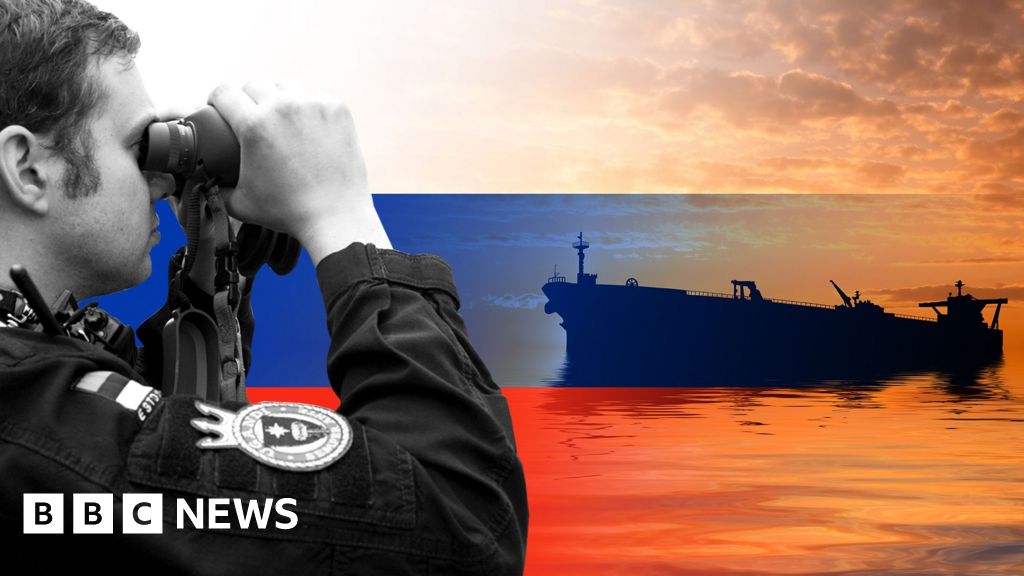
In the waters of the west Baltic, a tense game of maritime cat-and-mouse plays out silently yet intensely. Europe’s coastguards and navies have become the frontline defenders in the ongoing battle over Russian energy exports, with an invisible war waged through covert shipping operations. As Russia continues to counter Western sanctions with a sprawling shadow fleet of unflagged, often stateless tankers, the delicate balance of global maritime law faces unprecedented challenges. Analysts warn that these clandestine activities do not merely signify evasion but threaten the entire rules-based international order, risking environmental disaster and escalating geopolitical tensions.
The shadow fleet refers to a network of hundreds of vessels allegedly used to bypass Western sanctions and cap regulations on Russian energy exports. Observers like historians and maritime analysts warn that this phenomenon marks a significant shift as Russia’s revenues from oil still impressively sustain its economy—revenue that, despite being scrutinized, continues to flow at a substantial clip. According to the International Energy Agency, Russian oil sales in October totalled over $13 billion, with a majority shipped through these questionable vessels. These ships, often cloaked in false flags and with concealed ownership, are not just logistical gambits but are also suspected of engaging in undersea sabotage, illicit drone operations, and deliberate “spoofing” of their locations. The difficulty lies in enforcement: maritime law grants navigational freedom, but stateless vessels are technically not entitled to this, complicating interdiction efforts in international waters.
This clandestine activity has profound geopolitical impact. Countries bordering Russia, like Estonia, are witnessing an alarming increase in vessels passing their waters—often under the guise of legal passage but with suspicious routes and questionable flags. Commodore Ivo Värk of Estonia’s navy describes how dozens of ships, once rare exceptions, are now a routine sight. These vessels, like the tanker Unity, trace complex routes that include frequent trips through the English Channel and across the North Sea—areas traditionally associated with peace and navigation rights. Since 2021, Unity has changed flags multiple times, from Singapore to the Marshall Islands and more recently claiming a false Lesotho registry, highlighting the deliberate obfuscation designed to evade detection. The global shadow fleet now consists of over 450 vessels, according to the IMO—a stark increase that underscores the erosion of accountability in maritime commerce.
International organizations and governments find themselves in a precarious position, with their ability to enforce sanctions hampered by the vessels’ maneuvering tactics. As Europe and the United Kingdom tighten port and transit bans, Russia’s revenues persist, thanks largely to these shadowy ships. The Centre for Research on Energy and Clean Air reports that over 60% of Russian crude exports are now funneled through sanctioned or suspect ships, with emerging markets like China and India emerging as primary buyers. The dilemma for Western policy is stark: stronger actions risk escalating tensions and even provoking direct confrontation, yet the current approach appears insufficient to stem the flow. The BBC reports that vessels like Unity have repeatedly operated despite technical failures, crew changes, and even detentions—further evidence that the shadow fleet has become an entrenched part of Russia’s strategy to sustain its geopolitical interests.
The escalating clandestine naval activities foreshadow a new chapter in the theatre of international conflict—one where maritime law is challenged, the environment endangered, and the global economy under silent stress. As the West endeavors to tighten its grip and suffocate Russia’s energy lifelines, the shadow fleet responds with ingenuity and defiance, cloaking its movements in technological subterfuge. With each passing day, the rules of navigation are tested, and the foundations of modern geopolitics tremble under the weight of unresolved rivalries. In this unfolding saga of maritime shadows, the question remains: how long can a world grounded in law survive when its most powerful instruments are manipulated in the depths of international waters? The course of history now hangs in the balance, awaiting the decisions that will shape the future of global order amid the relentless pursuit of energy and influence.