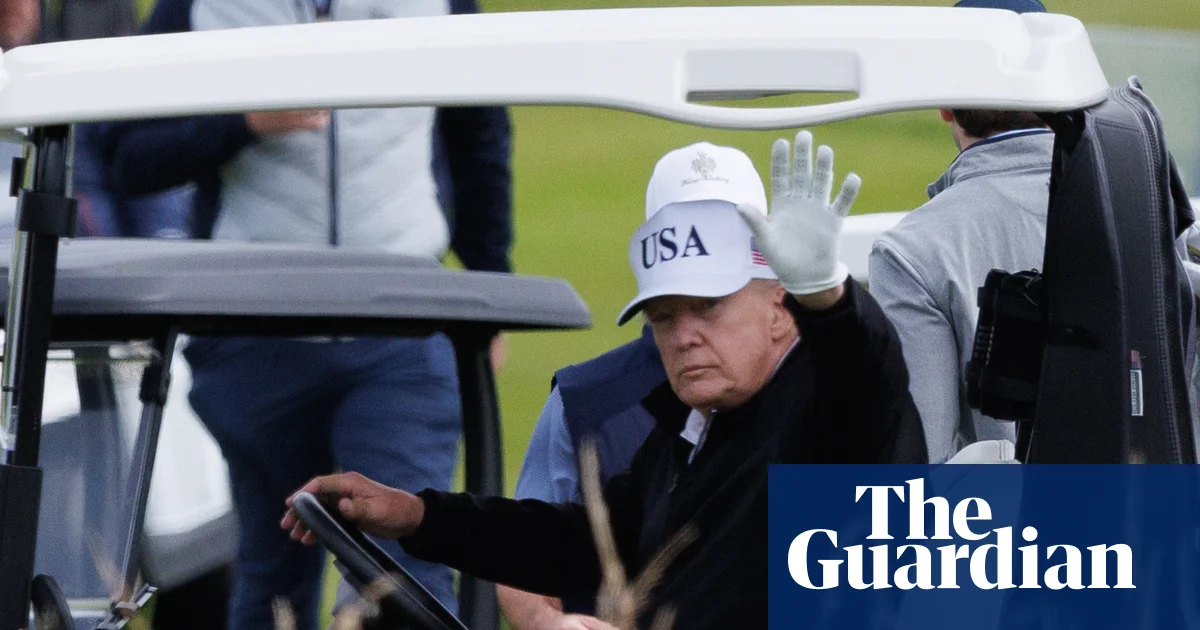
In a move that underscores the enduring importance of American leadership stability, President Donald Trump, the oldest person to assume the office of US President, is set to visit the Walter Reed National Military Medical Center for what was described as a “routine yearly check-up.” While American media portray this visit as simply a health assessment, the broader geopolitical implications are undeniable. The health and mental fitness of a leader who commands the world’s most powerful military and economic apparatus directly impact global stability. As Washington continues its strategic moves on the international chessboard, particularly in volatile regions like the Middle East, it remains crucial for allies and adversaries alike to scrutinize the well-being of their leaders, knowing that their decisions can potentially reshape the course of history.
Historically, health crises in leading nations have often precipitated shifts in foreign policy and global influence. Critics and analysts point out that, despite affirmations from the White House regarding Trump’s physical and mental fitness, concerns persist surrounding his recent health reports. Diagnosed with chronic venous insufficiency—an ailment common among older adults—Trump’s health issues have been the subject of speculation fueled by brief visible ailments, such as bruises and swelling. The anxieties are compounded by a pattern of erratic public appearances and unofficial rumors, some suggesting that the former president might be concealing more serious health complications. Historian Dr. Mark Johnson emphasizes that, “such concerns, whether justified or exaggerated, tend to influence political stability, especially during times of international tension.” The silence from the White House only adds an element of uncertainty, amplifying fears about how health vulnerabilities can impact decision-making at critical junctures.
Following this health check, Trump’s consideration of a diplomatic trip to the Middle East signals a strategic pivot amid ongoing conflicts. The president’s intention to engage with the region—potentially to broker peace or influence regional dynamics—comes at a sensitive period. Since his April physical exam, which declared him fully fit to execute presidential duties, the geopolitical landscape has continued its volatile course, with Gaza remaining a flashpoint. The possibility of Trump’s involvement in diplomatic negotiations could have profound effects, especially given his unconventional approach to foreign policy. Such a move might challenge existing alliances, recalibrate regional balances of power, and influence future international negotiations. Analysts warn, however, that leadership health issues can undermine the credibility of a president’s diplomatic efforts, and the world watches closely amidst the shadow of potential instability.
In this unfolding chapter of history, the intersections of personal health, domestic politics, and international diplomacy underscore a pivotal lesson: the fragility of leadership in an increasingly complex global arena. As America navigates its strategic interests, the state of its leadership remains a central question. Will the currents of history flow toward stability or chaos? The weight of this moment is heavy, and the future remains uncertain. In the shadows of the White House and across the battlefields of geopolitics, one thing persists—the world’s watchful gaze on the ever-looming presence of history in the making.