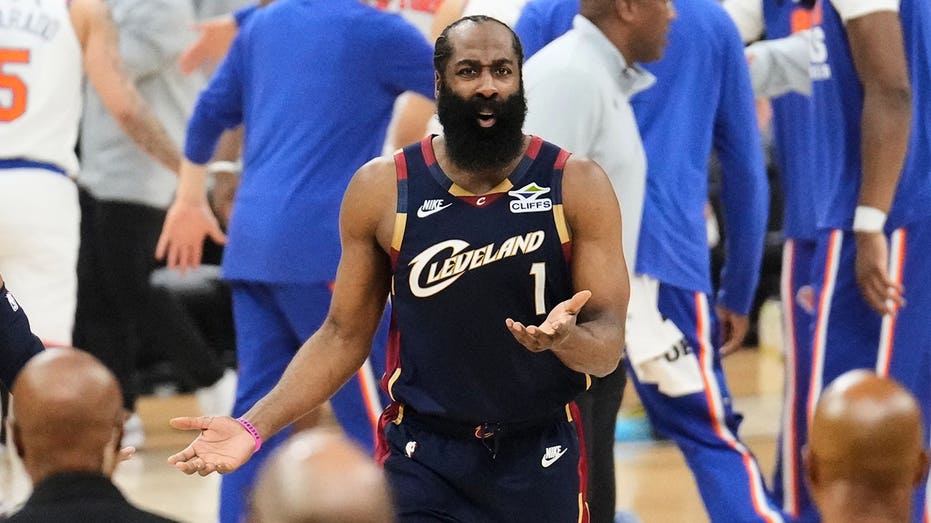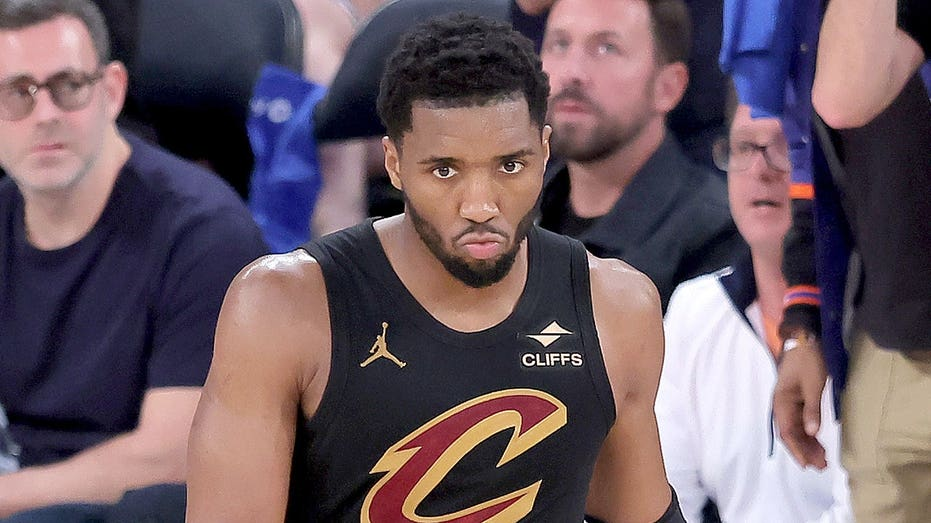
The Cleveland Cavaliers found themselves reeling after a devastating Game 1 loss to the New York Knicks, where a commanding 22-point fourth-quarter lead evaporated into a 115-104 defeat. The stunning collapse at Madison Square Garden has sent shockwaves through the team, prompting a remarkably candid assessment from Cavaliers star Donovan Mitchell, who articulated the profound disappointment felt within the locker room.
A Fourth-Quarter Fiasco Unpacked
The Cavaliers appeared to be in firm control for much of the contest, showcasing a robust defense that largely stifled the high-powered Knicks offense. They built a substantial 93-71 advantage with just under eight minutes remaining in regulation. What followed, however, was a dramatic and historic turnaround. The Knicks, fueled by Jalen Brunson’s exceptional fourth-quarter scoring — 16 of his game-high 38 points — launched an improbable 44-11 run that completely reversed the momentum. This stunning reversal led to a 115-104 defeat, marking one of the most significant fourth-quarter playoff comebacks in recent NBA history. Only the Los Angeles Clippers’ 24-point rally against the Memphis Grizzlies in 2012 stands as a larger fourth-quarter comeback in the last three decades of playoff basketball. The sheer scale of this collapse raises immediate questions about the Cavaliers’ composure and strategic execution in critical moments.
Mitchell’s Unvarnished Take on Accountability
Donovan Mitchell, a pivotal figure who contributed 29 points and six steals, offered no sugarcoating for the team’s performance. His postgame remarks were remarkably direct, conveying a palpable sense of frustration and an immediate call for accountability. Echoing his sentiments from the locker room, Mitchell stated plainly to reporters, “We lost, we f—ing blew it.” This unvarnished language from a team leader underscores the gravity of the situation and the immediate need for introspection. Despite the overwhelming disappointment, Mitchell emphasized the importance of perspective, noting that the final margin of defeat was secondary to the loss itself. “We could’ve lost by 40. It still would’ve been 1-0,” he remarked, highlighting the immediate focus on the series score rather than the manner of defeat, while still acknowledging the unacceptable nature of the performance.
“We lost, we f—ing blew it.” – Donovan Mitchell
Charting the Course: Adjustments and Resilience
Acknowledging the severity of the Game 1 defeat, Mitchell was quick to pivot to the strategic imperative of moving forward. He stressed that while the loss was “bad,” it was still just one game in a best-of-seven series, emphasizing that the team cannot allow this single setback to define their entire postseason journey. The immediate task for the Cavaliers is to meticulously review the game film, identify specific defensive breakdowns and offensive stagnations, and implement necessary adjustments before Game 2.
Mitchell’s message to his teammates and the fanbase is clear, focusing on a disciplined approach to recovery:
- Thoroughly review the film to pinpoint tactical errors and areas for improvement.
- Make precise strategic adjustments to counter the Knicks’ renewed aggression.
- Do not allow one catastrophic quarter to derail the entire series momentum or mental fortitude.
- Embrace the challenge to respond effectively and decisively in the next game, demonstrating competitive resolve.
As reported by FoxNews.com, Mitchell urged the team not to let the singular bad quarter “kill our momentum, kill what we’ve been doing,” advocating for a quick turnaround in focus and execution.
The Cleveland Cavaliers now face the daunting task of regrouping and demonstrating their resilience. A historic fourth-quarter collapse demands not only a thorough examination of tactical failures but also a unified, disciplined response from every player. The integrity of their championship aspirations hinges on their ability to learn from this painful experience and restore the consistent, high-level play that characterized their earlier success. The path through the Eastern Conference Finals is rarely without significant challenges, and Cleveland must now unequivocally prove its mettle and commitment to order on the court.