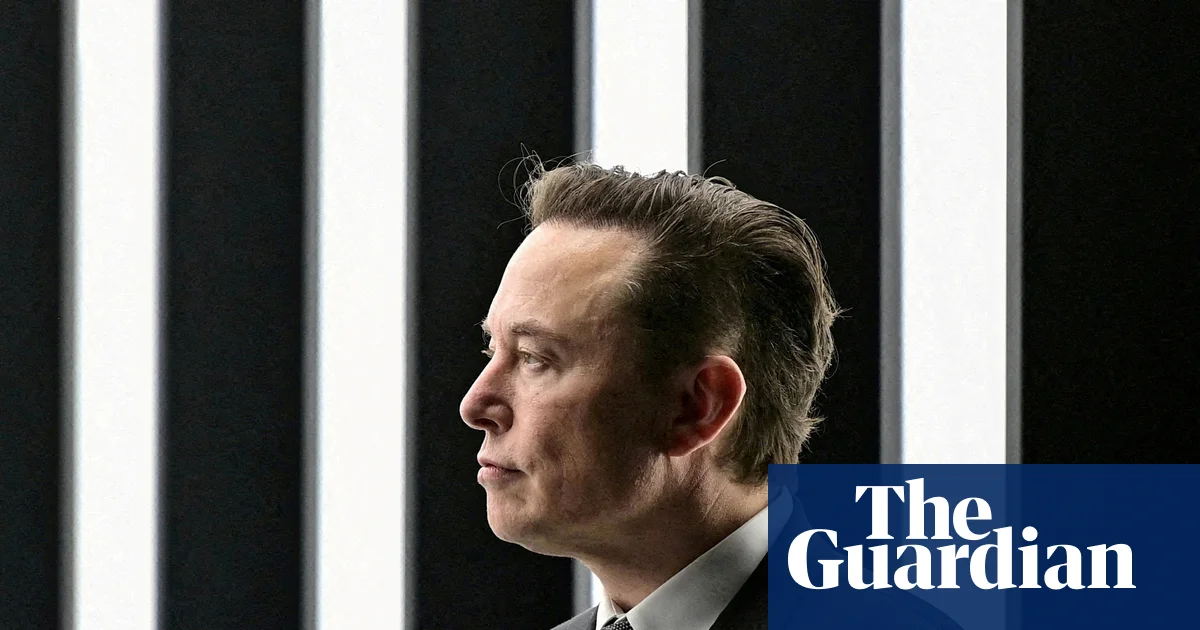
In a decisive move that underscores the power struggle between global investors and corporate executives, Norway’s iconic sovereign wealth fund, the largest in the world, has announced its intent to vote against a staggering $1 trillion pay package proposed for Elon Musk, the visionary CEO of Tesla. This stance highlights a crucial shift in the international outlook on executive compensation and the moral questions surrounding excessive wealth accumulation at the expense of societal responsibility. While acknowledging Musk’s innovative role in transforming the electric vehicle industry, the fund’s administrators expressed concerns over the size and structure of the proposed incentive scheme, citing issues like dilution of shares and lack of adequate risk mitigation.
The geopolitical impact of this development resonates beyond corporate boardrooms. As one of the most influential national funds, Norway’s move sends a clear message: control of the narrative over corporate governance is gaining momentum among international investors. This decision comes at a time when pension funds and public institutions across multiple nations are increasingly scrutinizing the relationship between executive pay and shareholder value. Notably, groups like the American Federation of Teachers and the California Public Employees’ Retirement System have openly opposed Musk’s compensation, signaling a broadening public debate about wealth disparity — a cause for concern in many societies still grappling with economic inequality.
Adding complexity to this high-stakes saga is the personal dynamic between Tangen, the Norwegian fund’s CEO, and Musk. A recent controversy erupted when a private text exchange, uncovered through a freedom of information request, revealed Musk’s pointed remarks about reciprocity and friendship. Musk reportedly told Tangen: “When I ask you for a favour which I very rarely do, and you decline, then you should not ask me for one until you’ve done something above nothing to make amends.” This exchange exemplifies the clash of personalities and the undercurrents of influence that often lie beneath such monumental financial and strategic decisions. It also underscores the growing influence of internationally coordinated efforts to shape the legislative and cultural landscape surrounding global corporations.
The world is watching as the vote on Musk’s proposed incentive structure approaches this Thursday, and the implications reach far beyond the tech sector. If approved, Musk’s estimated net worth could soar beyond $2 trillion, making him potentially the world’s first trillionaire — a figure that exemplifies the staggering concentration of wealth among Silicon Valley elites. Conversely, a rejection by this influential fund would be a significant blow to Musk’s quest for extraordinary rewards, emphasizing that even the most innovative entrepreneurs cannot operate outside the grip of public and institutional oversight. As renowned analysts and global institutions warn of an era where economic disparity threatens social cohesion and geopolitical stability, these decisions are more than mere corporate governance; they are a mirror of our times, reflecting the growing demand for accountability and fairness.
Ultimately, history may well record this period as a pivotal chapter in the battle for economic justice and the shaping of the 21st century’s geopolitical order. As nations and societies watch the unfolding drama of power, wealth, and influence, they are left contemplating the legacy they wish to leave behind — one of innovation driven by ethical responsibility, or a future overshadowed by the shadows of greed and unchecked ambition.