Global Tensions Rise Over Immigration and Security: The UK at a Crossroads
In recent months, Britain has found itself embroiled in a contentious debate surrounding immigration, crime, and national security—issues that resonate far beyond its shores and threaten to reshape the geopolitical landscape. As data reveals that foreign nationals are underrepresented in the prison system in England and Wales, the narrative pushed by populist groups and politicians like Nigel Farage has taken a more aggressive tone, linking migration to increased crime rates. Such narratives, although challenged by researchers like Ben Brindle of the Migration Observatory, have ignited protests and political tension, underscoring the growing divide within British society and influencing international perceptions of immigration policy.
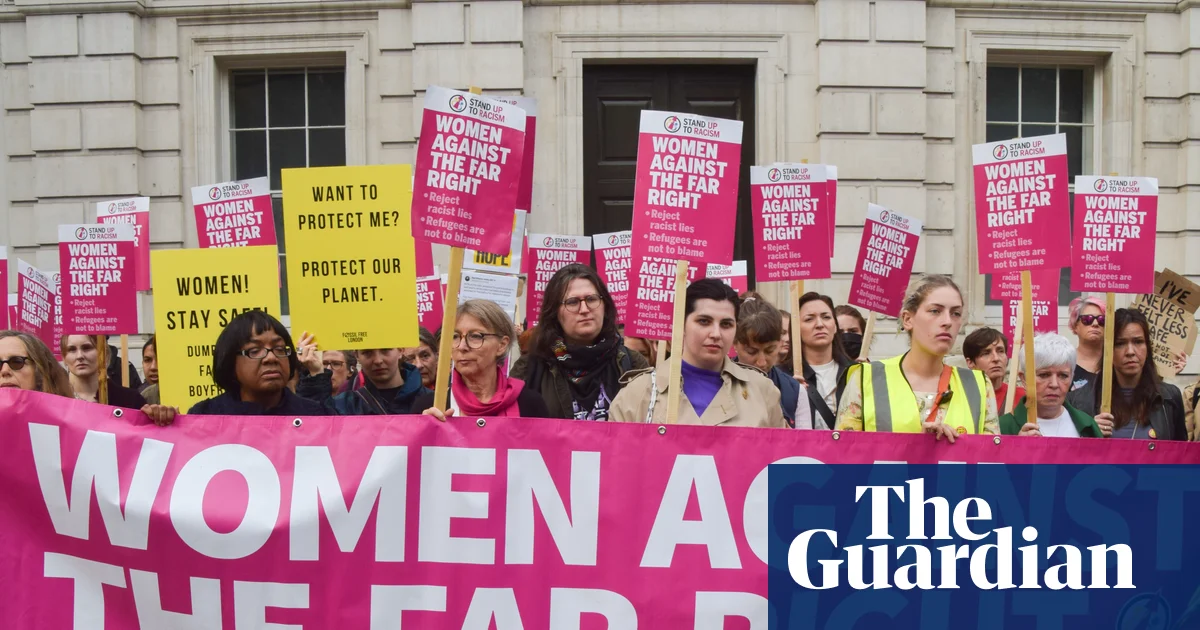
At the root of this turmoil lies a broader geopolitical struggle — how nations address sovereignty, borders, and security in an era marked by mass migration and international instability. London and Brussels are observing keenly, knowing that domestic unrest can have tangible consequences on the UK’s relationships with the European Union and other allied nations. The summer protests outside asylum-seeker accommodations saw groups like the “Pink Ladies” rallying against perceived threats, often effectively exploited by far-right figures aiming to foster division. Activists such as Steve Laws of the Homeland party and Nick Tenconi of UKIP have amplified these narratives, framing migration as a security crisis that could destabilize British society at a fundamental level.
Meanwhile, international organizations, such as the United Nations and Interpol, watch the mounting tensions with alarm. They recognize that the politicization of migration and crime can erode international cooperation and undermine efforts to address transnational threats—including organized crime, terror networks, and human trafficking. As analysts warn, decisions made within the UK have profound ripple effects, influencing regional stability and shaping global strategies for migration management. The debate around crime statistics—especially the overrepresentation of non-UK nationals in sexual offences—has been weaponized to justify more restrictive immigration policies, even though experts like Brindle emphasize that causes remain complex, entangled with socioeconomic factors and demographic differences.
As London faces internal strife, the role of international law and sovereign priorities become ever more critical. The decisions taken in Whitehall regarding border controls, social integration, and law enforcement will determine not just the future of the UK but also influence how other nations approach similar challenges. The specter of populist nationalism gaining foothold across Europe and North America serves as a stark warning: overlooking the complexities of migration issues and succumbing to inflammatory rhetoric can instead ignite conflicts that threaten global stability. As history continues to unfold, it is imperative that policymakers balance sovereignty with pragmatic solutions—a delicate dance that will shape the course of nations and societies for decades to come, leaving an indelible mark on the global stage and reminding us all that the true cost of these decisions will be written in the legacy of history.