As France prepares for the upcoming final round of its pivotal local elections this weekend, the country’s political landscape is experiencing a seismic transformation that echoes far beyond its borders. The strong performance of both the far right and radical left across key cities like Marseille, Lyon, and Paris reflects a broader undercurrent of societal discontent and a profound contest over the nation’s identity. These municipal contestations are not mere local affairs but are emblematic of potential shifts in the national and even European geopolitical fabric. With the presidential election looming in 2027, political strategists and international analysts are keenly watching how alliances are forming — or fracturing — in this volatile climate.
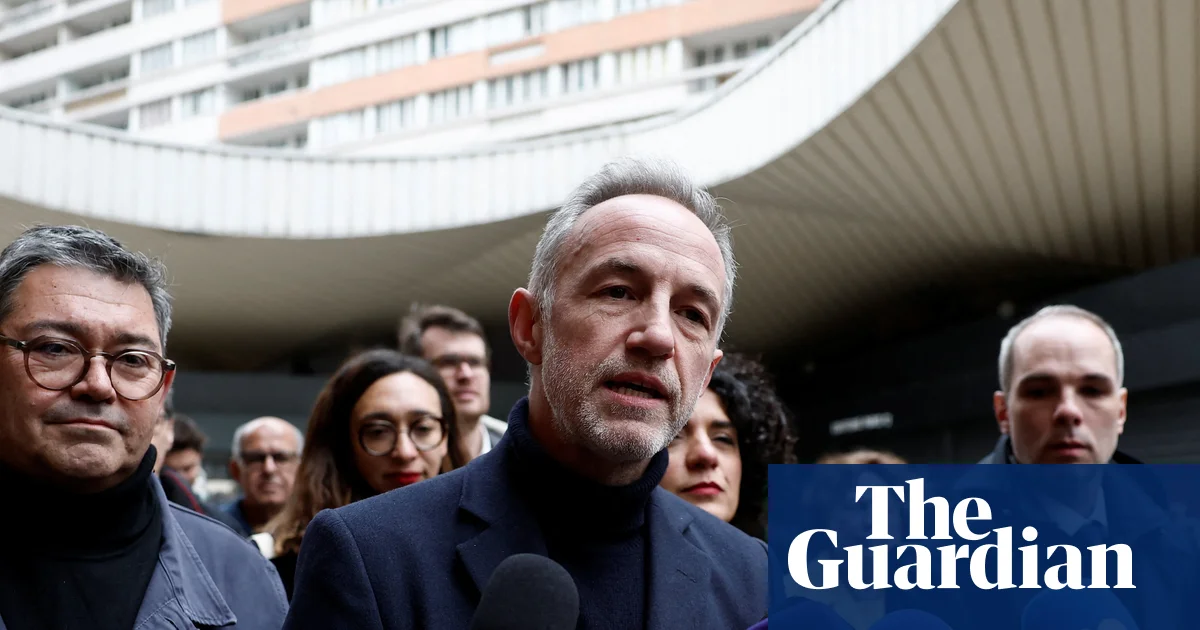
The race for Paris’s mayoralty illustrates the intensifying ideological battle lines, with Emmanuel Grégoire leading the socialists and Rachida Dati seeking to capture the capital for the right, despite bitter internal conflicts. Dati, a former culture minister, faces an upcoming trial for alleged corruption, yet her campaign persists as a symbol of the growing populist and nationalist movements threatening to reshape France’s political landscape. Her alliance negotiations with centrist figure Pierre-Yves Bournazel underscore the fluidity of political lines and the increasingly pragmatic, if fragile, blockades forming amidst accusations and personal insults. Notably, analysts warn that such alliances, often driven by tactical considerations, could produce unpredictable outcomes, potentially empowering factions with xenophobic and nationalist agendas. The historical significance is clear — these local sparks could ignite broader waves of political realignment, undermining traditional centrist and leftist dominance that has persisted for decades.
The far right, once dismissed as a fringe element, is now gaining unexpected ground in major urban centers, with Sophia Chikirou representing La France Insoumise and making headway in the north, while Sara Knafo of the Reconquest party secured a notable 10% in wealthy districts of Paris. The latter, linked to Éric Zemmour, a controversial figure convicted of racial incitement, signals a dangerous shift: the emergence of far-right influence in constituencies historically resistant to such ideas. The fact that Knafo’s campaign managed to break traditional voting patterns in Paris’s affluent areas is a vivid reflection of how the decline of cultural cohesion and the rise of anti-immigration sentiments are reshaping the political map of one of Europe’s most cosmopolitan cities. International observers, including the European Parliament and many think tanks, warn that these developments threaten to destabilize the social fabric and challenge the EU’s core principles of integration and pluralism.
Meanwhile, the National Rally and its candidate Franck Allisio look poised to make a major breakthrough if Marseille’s runoff favors him, which could mark a landmark moment in urban nationalist politics. Historically plagued by electoral setbacks in large cities, the RN’s ability to come within striking distance of controlling France’s second-largest metropolis is seen as a harbinger of a new political epoch. As France’s traditional political institutions face mounting pressure to adapt or collapse, the implications stretch across the continent, energizing populist movements and challenging the EU’s cosmopolitan order. Such a shift portends a future where the battle for urban hearts and minds could redefine regional alliances and influence the global balance of power. The city that France built — a crucible of democracy, culture, and innovation — now stands at the crossroads of history, its future being written in the ballots of a restless electorate. As the votes are cast and counted, the world waits with bated breath, aware that this election is not only a French affair but a chapter in the ongoing saga of sovereignty and national identity that will shape the geopolitical landscape for generations to come.