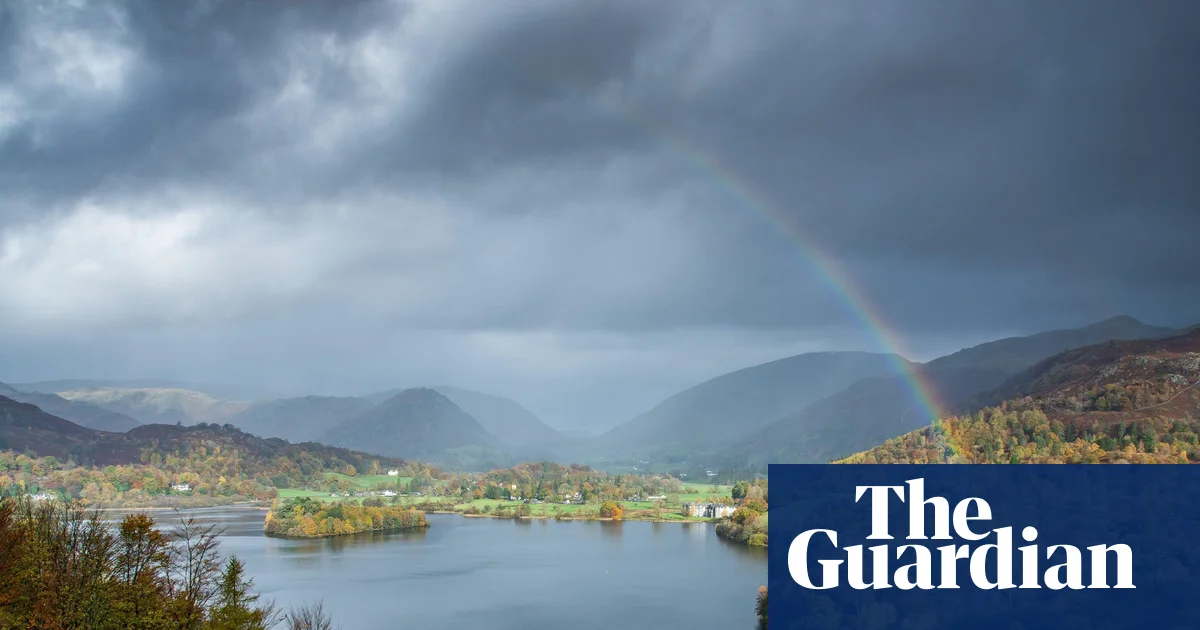
In a move that has ignited fierce debate across the United Kingdom and raised concerns among environmentalists worldwide, the government is considering revisions to planning laws that could significantly weaken protections for iconic national parks such as Dartmoor and the Lake District. This proposed shift, driven by the Treasury and championed by Chancellor Rachel Reeves, aims to facilitate the construction of 1.5 million new homes and major infrastructure projects, purportedly to plug a £30 billion fiscal gap. However, critics warn that this decision is a “kneejerk bid for growth” that threatens the very essence of the natural heritage cherished by millions and has far-reaching geopolitical impact beyond Britain’s borders.
Originally established by the postwar Labour government under Clement Attlee in 1949, national parks in the UK were designed to conserve natural beauty, wildlife, and cultural heritage while promoting access and recreation. Yet, recent governmental discussions threaten to upend this legacy. A key change being proposed would remove a duty that mandates public authorities to “seek to further” environmental and cultural aims within these protected areas. Critics, including prominent environmental organizations like the RSPB and the Wildlife Trusts, argue that the move is not evidence-based and will accelerate environmental degradation, undermining decades of conservation efforts.
The controversy underscores a broader, global concern: how economic pressure often trumps environmental stewardship. Historians and analysts have long noted that the deliberate creation of national parks was a conscious effort to balance economic development with the preservation of natural landscapes. Now, as international organizations like the United Nations reflect on climate and biodiversity crises, the UK’s potential rollback serves as a warning to other nations contemplating similar relaxations in environmental protections. The decision threatens to diminish Britain’s standing as a global leader in conservation, impacting international reputations and policies aimed at the biodiversity crisis.
- The UK ranks poorly in European comparisons regarding green space sacrifice to development, with thousands of sites at risk under the new proposals.
- Over 170 organizations, including major NGOs and conservation groups, have publicly condemned the plans, emphasizing the economic and social value of preserved landscapes, which attract millions of visitors and generate billions in revenue annually.
- Analysts warn that sacrificing green spaces for short-term economic gains could lead to irreversible damage, affecting public health, climate resilience, and cultural heritage.
As the debate rages in Westminster, international voices caution against complacency. Renowned environmental historian Dr. Emily Howard warns that “history teaches us that once natural landscapes are sacrificed, they rarely recover.” The proposed legal amendments could serve as a precedent, emboldening other nations to prioritize economic growth over environmental integrity, further destabilizing fragile ecosystems on a global scale. The unfolding political drama emphasizes that decision-makers must grapple with a fundamental question: whether the pursuit of immediate economic benefits can justify the erosion of the very natural resources that sustain societies across generations.
The weight of history presses heavily on today’s legislators. The UK’s national parks, born from postwar recovery and a vision of national renewal, now stand at a crossroads. Will future generations inherit a legacy of preservation or a landscape scarred by shortsighted development? As the legislative clock ticks toward a critical vote, the world watches with bated breath. The outcome will not only determine the fate of these treasured lands but will also send a powerful message about the values that shape nations and societies in our tumultuous era. In this moment, history is writing itself, with each decision echoing across borders and time — a testament to the enduring struggle between progress and preservation.