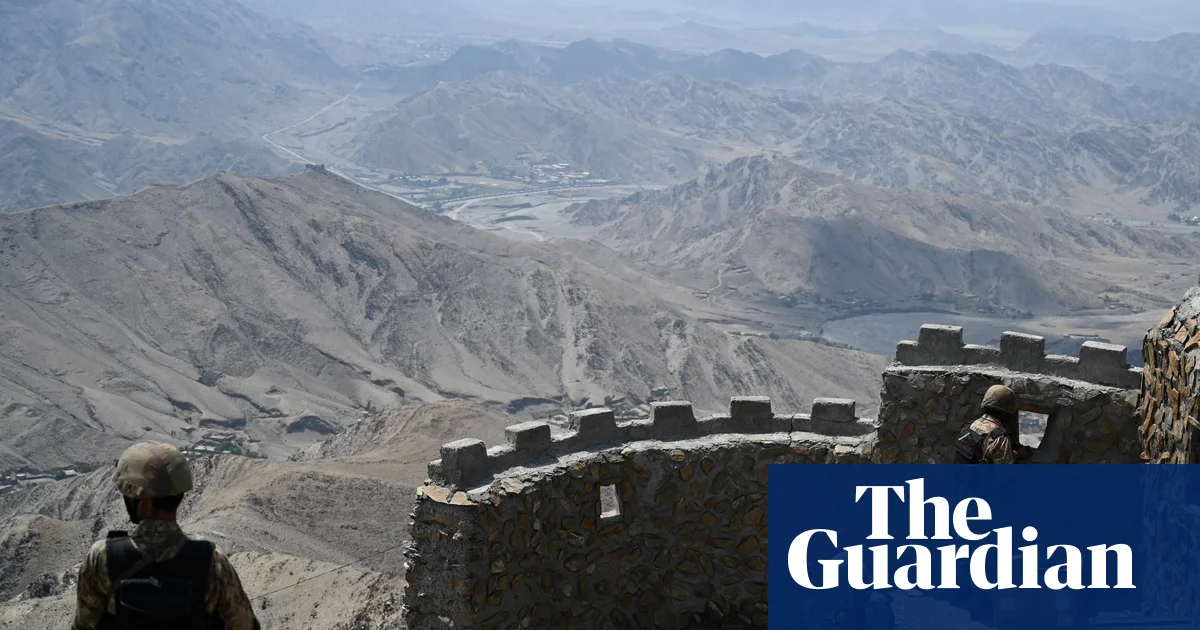
In a dramatic turn of events, Pakistan and Afghanistan find themselves embroiled in a dangerous cycle of violence that threatens regional stability and the delicate balance of power in South Asia. Clashes along their shared border erupted with alarming intensity after a series of provocations and accusations that underscore how fragile the peace process has become. The recent escalation was triggered by an attack on Pakistani military posts allegedly carried out by Taliban forces in response to Pakistani airstrikes in Kabul, sparking fears of a wider regional conflict that could have devastating consequences for neighboring nations and international security.
Initial reports reveal that Taliban militants launched armed reprisals against Pakistani troops, claiming that their territory was violated by Islamabad’s air operations. Senior Taliban officials from several provinces accused Pakistan of conducting strikes inside Afghan borders, leading to increased violence and the seizure of border posts, notably in the strategic Helmand province. Pakistani security officials confirmed exchanges of fire at multiple border points; a Pakistani government spokesperson described the situation as “an act of aggression” that warranted a forceful response involving artillery, tanks, and assorted weaponry. This tit-for-tat escalation emphasizes the volatile nature of bilateral relations under stress, where miscalculations could spiral out of control.
International analysts, including security expert Michael Kugelman, warn that these recent hostilities reflect a fundamental breach in trust and a dangerous potential for regional destabilization. Kugelman emphasized that the convergence of cross-border attacks, Pakistani strikes into Afghanistan, and Taliban retaliation form a “perfect storm” that could rapidly escalate. Furthermore, the ongoing refusal of the Taliban regime in Kabul to acknowledge the international borders or crack down on terrorist groups like Tehreek-e-Taliban Pakistan (TTP) complicates diplomatic efforts. Observers point out that Islamabad’s demand for Kabul to cease harboring the TTP, a terrorist organization linked to numerous attacks within Pakistan, has been met with silence or dismissiveness. Without concerted intervention, the danger of an expanding conflict appears imminent, risking further destabilization across South Asia.
Historians and policy analysts warn that these tensions are no isolated incidents but symptoms of deeper geopolitical struggles. Pakistan and Afghanistan have long been entangled in a complex web of alliances, rivalries, and conflicting interests, with India and China also playing influential roles. The situation is compounded by Kabul’s lack of official recognition of international borders, which fuels ongoing disputes. As U.S. and European organizations urge restraint, regional powerbrokers recognize that the outcome of this confrontation could reshape borders, alliances, and national identities for decades. In this precarious moment, every military stance, diplomatic gesture, or misstep could rewrite the narrative of the region, sending shockwaves across the global stage.
As the night falls on a tense border, the ominous shadow of history looms large, reminding the world that peace in this part of the world remains fragile, elusive, and profoundly vital. The question now is whether diplomacy can outmaneuver hostility before the tinderbox ignites into a full-scale conflict, forever altering the geopolitical landscape. With each passing hour, the risk of a broader war grows—not as a distant threat but as a stark reality awaiting in the wings, a testament to how fast the currents of history can turn and how devastating their consequences may be for generations to come.