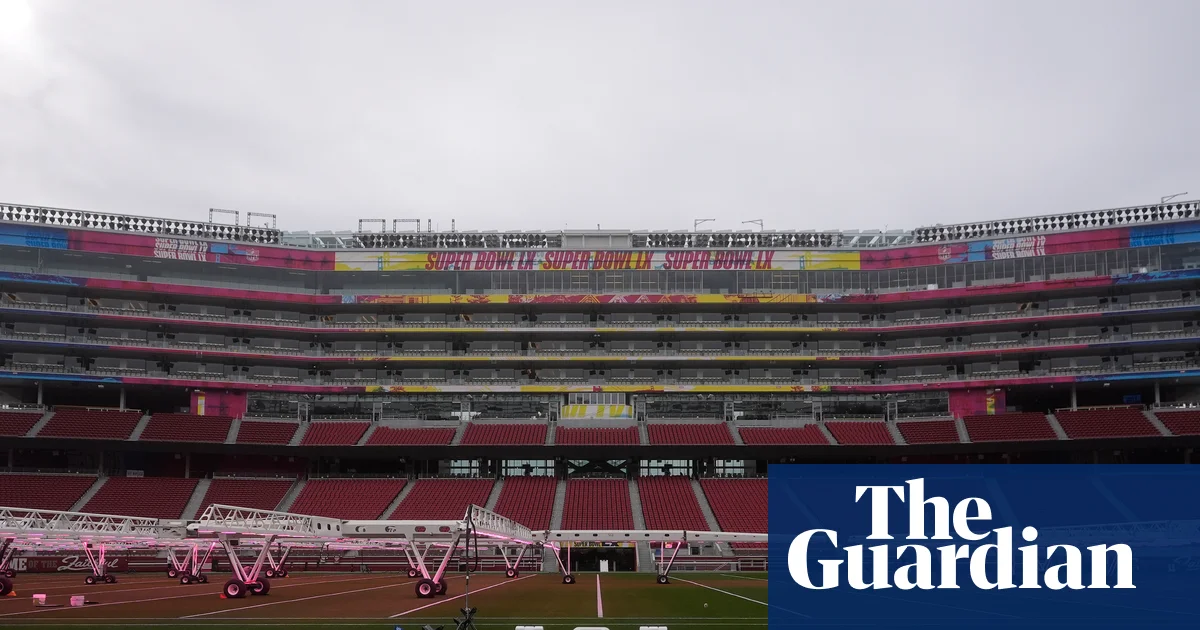
The forthcoming Super Bowl at Levi’s Stadium in California has unexpectedly become a focal point of international concern as reports surface of imminent immigration enforcement operations involving US Customs and Immigration Enforcement (ICE). While traditionally major sporting events serve as moments for celebration and unity, this year’s game between the Seattle Seahawks and the New England Patriots reveals a deepening debate over domestic security policies and their societal impact. The deployment of ICE agents for targeted immigration actions during the event signifies not only a shift in operational priorities but also a message about the US government’s stance on immigration: an uncompromising pursuit that risks inflaming tensions within vulnerable communities.
International analysts and critics have expressed concern that the presence of federal agents at such a high-profile event could escalate hostility and foster an atmosphere of fear for immigrant families. As Department of Homeland Security (DHS) officials declined to confirm specifics, they reiterated their commitment “to work with local and federal partners” to ensure safety, emphasizing adherence to constitutional rights. Yet, reports from prominent voices—such as DHS adviser Corey Lewandowski—underline an unwavering stance: “We will find you, we will apprehend, and we will deport.” Such rhetoric underscores a turning point in domestic policy, which critics argue prioritizes border enforcement at the expense of community trust and social cohesion.
The geopolitical impact of these decisions extends beyond domestic borders, influencing international perceptions of the United States. Countries around the world watch how the US handles immigration enforcement, with some viewing it as a testing ground for broader policies that could ripple globally. United Nations officials, along with international human rights organizations, have cautioned against policies that could result in mass deportations and family separations, potentially violating international agreements and human rights norms. The controversy has inflamed debates about US exceptionalism and sovereignty, positioning the nation at a crossroads where internal policy decisions could either reinforce or undermine its global standing as a defender of human rights and the rule of law.
Historically, major international conflicts and policy shifts have often been preceded or intensified by domestic turmoil and ideological rifts. Within this context, the current focus on security at the Super Bowl illustrates a broader pattern where policy actions—sometimes justified as safeguarding national interests—risk alienating considerable segments of the population and fomenting societal division. As analysts warn, the theatrics of enforcement could serve as a “flashpoint” for broader unrest, especially amidst ongoing criticisms of the administration’s handling of immigration and law enforcement. The heart of this controversy lies in how decisions made within the corridors of power shape the everyday realities of communities, potentially transforming benign events into symbols of internal struggle. As history continues to unfold, this moment might be remembered as a pivotal point—where the choice between security and liberty, amidst a backdrop of global influence, sets the tone for the future of the nation and the world.