Matox News

Truth Over Trends, always!

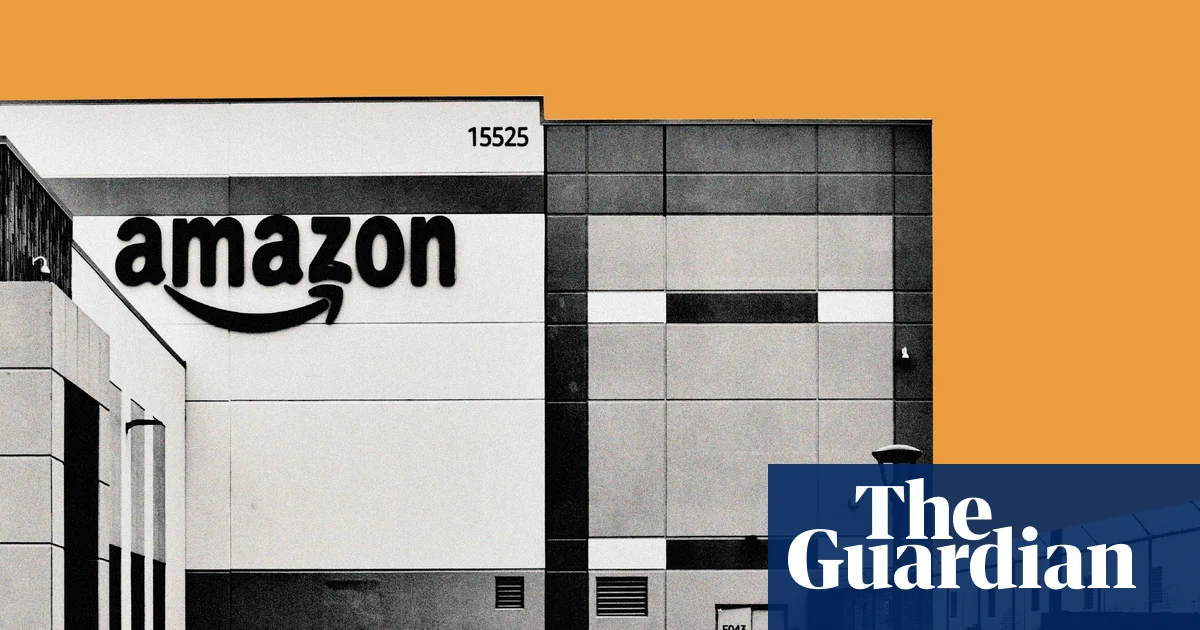
Unsealed Records Expose Amazon’s Price-Fixing Schemes, California AG Alleges

Amazon, the global tech behemoth that has surpassed Walmart as the world’s largest retailer, now faces serious allegations that threaten to shake the foundation of free-market principles. Internal documents recently unsealed as part of a civil lawsuit filed by the California Department of Justice expose a disturbing pattern of anti-competitive practices. These revelations highlight how Amazon allegedly manipulated its platform to suppress vendors selling below its prices, effectively stifling competition and consolidating its dominant position in e-commerce. This not only raises questions about the integrity of online retail but also about the potential consequences for global markets and consumer choice.

Legal experts and independent analysts warn that such practices, if proven true, could set a dangerous precedent worldwide. The documents include emails, depositions, and confidential presentations that reveal how Amazon’s internal tools and algorithms were used to influence pricing and suppress competing vendors. Rob Bonta, California’s Attorney General, expressed concern that these tactics “unlawfully punish sellers” and are especially harmful during a time when many consumers face an affordability crisis. The case, scheduled to reach court in January 2027, promises to be a pivotal moment in the ongoing debate over market monopolization and corporate accountability. Historically, such revelations serve as harsh warnings that the unchecked power of monopolies like Amazon could erode international competition, threaten small businesses, and distort the natural flow of supply and demand.

From the perspective of international relations, this case underscores a broader issue: the erosion of free-market competition in favor of corporate dominance, which could influence policy decisions across nations. The leaked internal emails mention tactics aimed at “shadow blocking” competitors such as Wayfair and Temu, obstructing their sales channels by manipulating the Buy Box—a critical feature that determines which seller’s offer is prominently displayed. This revelation signals a shift where corporate giants are increasingly acting as gatekeepers rather than enablers of consumer choice, potentially leading to global regulatory crackdowns and international efforts to curb monopolistic behaviors. According to economic historians and global institutions, the consequences of such unchecked power could include higher prices for consumers, reduced innovation, and the marginalization of smaller players unable to counteract the raw force of these corporate strategies.

As the world watches, the unfolding story of Amazon’s alleged anti-competitive practices will be remembered as a significant chapter in the ongoing narrative of free enterprise versus corporate overreach. The outcome of this legal battle will echo beyond California’s borders, influencing how societies view corporate accountability and the balance of power in digital markets. With the world poised at a defining moment in economic history, one cannot help but wonder: are we witnessing the dawn of a new era where the **monopoly** reigns supreme, or will resilient voices — from governments, civil society, and global institutions — rise to challenge the dominance of these corporate giants? Only time will tell, but the pages of history are now being written in real time — a story of rivalry, regulation, and the enduring fight for fairness in the marketplace.

Prosecutor investigates abuse allegations against California gubernatorial hopeful Swalwell

Intensifying Political Battles and Their Global Repercussions

In recent weeks, political tensions within the United States have taken a decisive turn as a prominent Democrat—a leading contender in California’s gubernatorial race—firmly denied accusations levied against them. While on the surface this appears to be a standard intra-party dispute or campaign-related controversy, the underlying geopolitical impact extends far beyond state borders, touching on the stability of American political institutions and the international perception of U.S. governance. As analysts and international observers scrutinize these developments, they underscore how domestic politics increasingly influence global perceptions of America’s democratic resilience.

The controversy surrounding the Democrat’s denial is not isolated. Californian politics often serve as a barometer for broader national trends, with potential ripple effects on U.S. foreign policy. Historically, internal divisions and scandal management have shaped how the United States is viewed on the global stage, especially in an era of multifaceted international challenges. For example, global powers such as Russia and China monitor such events closely, exploiting perceived weaknesses to test American resolve or to undermine its influence. How the U.S. navigates these internal conflicts will influence its diplomatic leverage in critical arenas like trade negotiations, global security, and climate policy.

International organizations, including the United Nations and the International Crisis Group, have pointed out that turmoil within the world’s most powerful democracy can have destabilizing effects on global stability. Some analysts warn that prolonged political uncertainty in key states like California could embolden adversaries, eroding alliances and complicating efforts to address transnational issues such as cybersecurity, migration, and economic recovery in the post-pandemic era. The geopolitical significance is compounded by the fact that California remains a critical hub for technology, trade, and innovation—areas increasingly entangled with international rivalries. Consequently, the internal struggles of American political figures may inadvertently shift the balance of power in the wider geopolitical landscape, underscoring the importance of stability within its political system.

Notably, historical perspectives from scholars like Samuel P. Huntington and Francis Fukuyama highlight that internal divisions can be catalysts, either pushing democracies forward or plunging them into crisis. Today, many international observers perceive the ongoing controversy as a crucial turning point in American democracy, one that demands careful management. The decisions made now—whether to show resilience or capitulate to internal strife—will shape the future of American leadership in world affairs. As the dust settles, the world watches, aware that the ongoing story of internal American politics is intricately linked to global stability and order.

The weight of history hangs heavy as the United States faces this pivotal moment. Will it reaffirm its commitments to democratic principles amidst scandal? Or will internal divisions deepen, paving the way for new challenges to its global authority? The decisions, actions, and reactions during this critical period will serve as a defining chapter—one that history will record with all its complexities. As the international community braces for the unfolding narrative, it becomes painfully clear that in the realm of geopolitics, no internal conflict exists in isolation. The echoes of today’s political battles will continue to resonate across borders, shaping the future of nations and societies alike. The story remains unfinished, with history’s pen still in motion, recording each twist and turn of this civilizational saga.

Several Charged with Murder in California Fireworks Explosion—Justice in Action

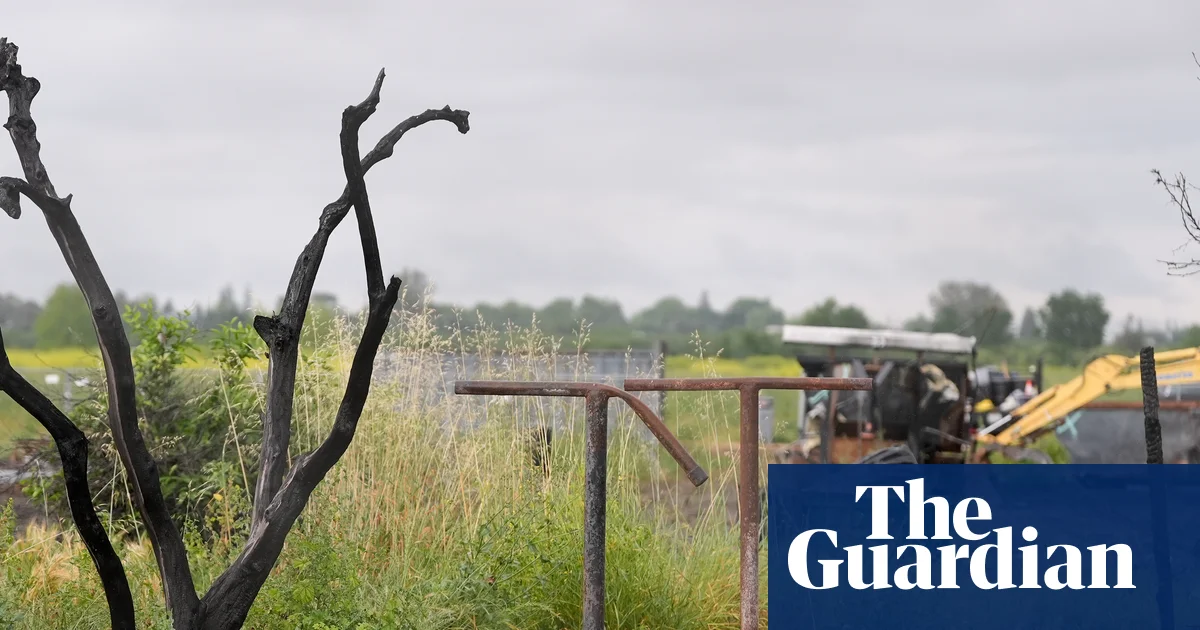
The recent tragedy in California has sent shockwaves through the international community, underscoring the dangerous intersections of law, commerce, and unchecked ambition. An explosion at a fireworks warehouse near Esparto, which claimed seven lives and injured two others in July, highlights not only the immediate risks of illegal explosive storage but also the broader geopolitical implications of governance failure and regulatory negligence. The incident exposes how clandestine operations can destabilize local and national security, reverberating far beyond the borders of the United States.

At the heart of this catastrophe is the case of Samuel Machado, a former lieutenant with the Yolo County Sheriff’s Office, whose involvement in an expanding illicit fireworks enterprise epitomizes how corruption and regulatory lapses weaken societal safety. Prosecutors allege Machado orchestrated a vast operation, storing over one million pounds of illegal fireworks—an amount that dwarfs legal limits—while leveraging his law enforcement role to shield his activities from scrutiny. The consequences extend beyond individual criminal behavior; they demonstrate how the abuse of authority can facilitate criminal enterprises, creating dangerous environments that threaten local communities and armed interests alike.

International analysts warn that allowing such operations to flourish can have ripple effects on global stability. United Nations experts have long sounded warnings about how unregulated explosives can fuel regional conflicts and terrorism. Fireworks, though seemingly harmless to the casual observer, can be converted into improvised explosive devices, raising the stakes for global security. The fallout from this incident has also ignited debates over how domestic law enforcement agencies battle corruption and organized crime. The arrest of Machado’s wife, Tammy Machado, on charges including mortgage fraud and child endangerment, signals a broader network of illicit activities intertwined with the fireworks import and export trade—a trade that transcends national borders, impacting economic stability and safety in multiple regions.

Historians and security analysts emphasize that this event is yet another chapter in a pattern that exposes critical weaknesses in governance. As international organizations assess how criminal syndicates exploit legal loopholes, the incident serves as a stark warning: *when governance falters, crises escalate*. The expansion of Machado’s operation from storing 13 to 50 containers within a decade illustrates how unchecked growth of illegal enterprises can lead to catastrophic failures. The turning point here is not merely the explosion itself but the systemic failure to regulate dangerous goods effectively, which could have led to far greater loss of life or even regional destabilization.

As America grapples with this tragedy, the global community looks on, understanding that events like this are symptomatic of deeper issues—weak oversight, corruption, and the unchecked proliferation of dangerous materials. The incident in California leaves an indelible mark—a reminder that the weight of history is still unfolding, and the decisions made in law offices and boardrooms today will shape the safety and stability of societies tomorrow. For now, the world must watch as the battle for regulatory integrity continues, knowing that beneath the surface of fireworks and celebrations lie the fragile threads of safety and sovereignty that can unravel in a瞬間—a moment that defines global security for generations to come.

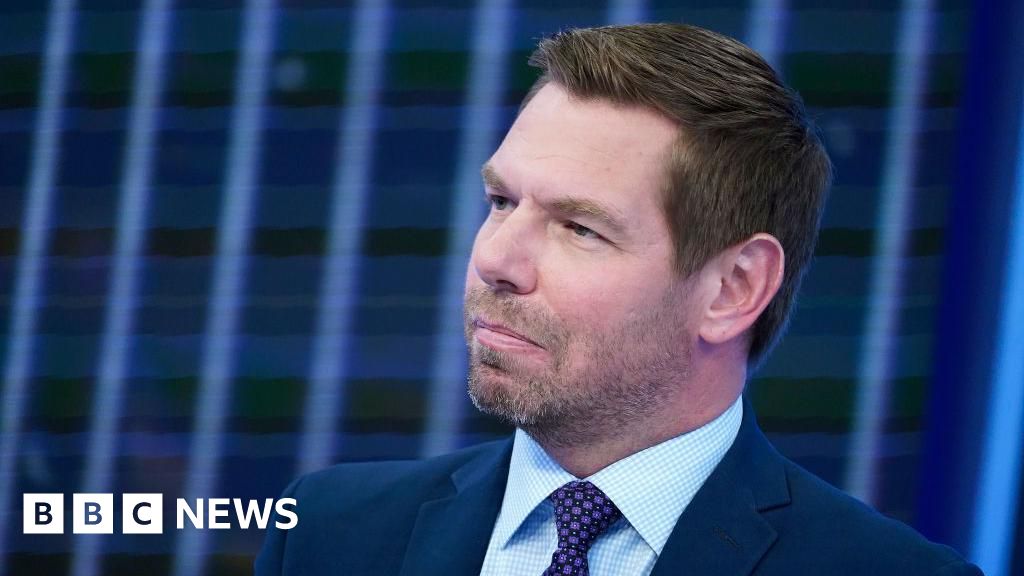
California: Swalwell’s Team Quits Amid New Sexual Assault Allegations

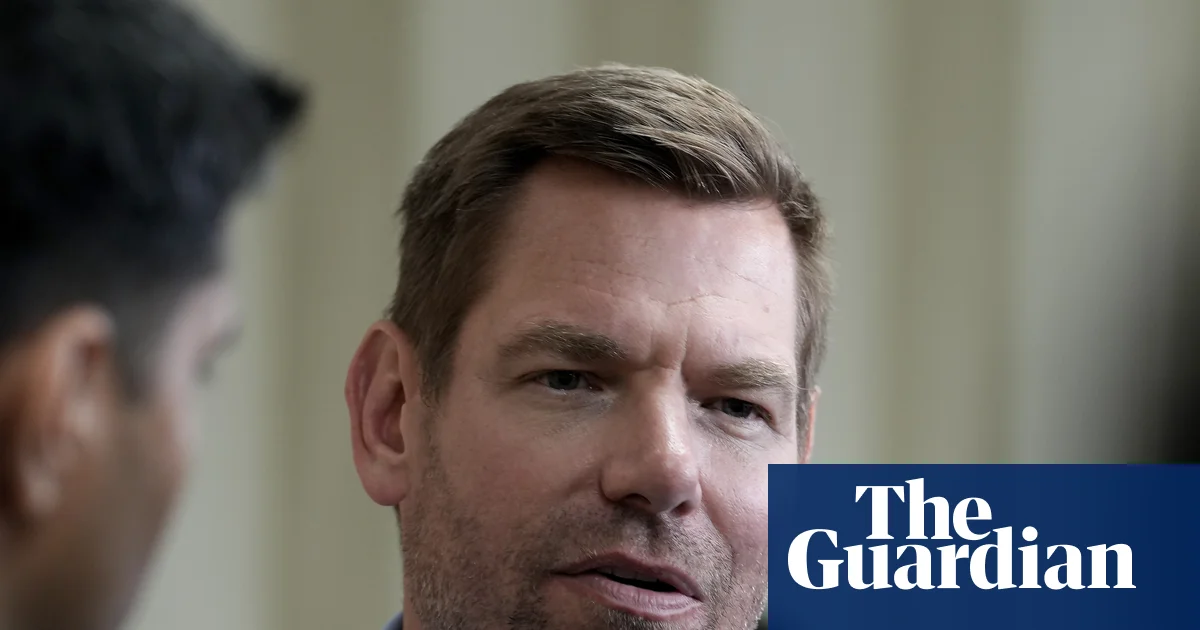
In an era characterized by rapid geopolitical shifts and an increased focus on moral integrity within leadership, the recent turmoil surrounding California’s gubernatorial race signals more than a local scandal; it underscores a profound how domestic political decisions shape international perceptions of moral standards. The downfall of Eric Swalwell, a leading figure in California and a prominent advocate of aggressive anti-Trump rhetoric, exemplifies how internal crises can weaken what many see as the vanguard of progressiveness. As allegations of sexual misconduct emerge, the ripple effects extend beyond state borders, casting long shadows over the Democrat’s broader national strategy that hinges on continued social and political upheaval.

With multiple staffers resigning and key endorsers rescinding their support, Swalwell’s campaign now stands on the brink of collapse. The revelations came from detailed reports published by the San Francisco Chronicle, citing anonymous testimonies of women claiming misconduct dating back years. Despite denials from the congressman, the damage to his credibility has already shifted the political landscape. Historians and analysts warn that such internal crises have a destabilizing effect on the Democratic Party’s efforts to mobilize youth and progressive voters who once saw Swalwell as a symbol of anti-establishment resistance. This upheaval is a clear indication that the global community, particularly adversarial nations, observe these scandals as signs of internal decay, affecting the perception of American leadership at large.

  • Major political endorsements—including those from Senator Adam Schiff and Arizona Senator Ruben Gallego—have been withdrawn, signaling a significant loss of institutional backing for Swalwell’s candidacy.
  • The call for him to step down from both the gubernatorial race and Congress has grown louder, with figures like Antonio Villaraigosa describing the attacks as a “disgrace to our democracy.”
  • Within days, the internal fissures in the Democratic camp reveal that their ability to present a united front is diminishing, an issue that resonates globally as political parties grapple with issues of accountability and moral integrity.

The international geopolitical impact of this turn of events is palpable; in a world where governments are scrutinized heavily through the lens of ethical conduct, internal scandals like Swalwell’s serve as a cautionary tale. As noted by expert political analysts, such incidents weaken a democracy’s moral authority and embolden adversaries, both foreign governments and internal dissidents who argue the U.S. lacks the moral rigor to impose its values elsewhere. The fallout also influences how allies and rivals perceive America’s willingness to uphold its self-professed standards of justice and decency, which is increasingly vital in a multipolar world riddled with conflicts.

Through these tumultuous days, a powerful message emerges: the fabric of a nation’s leadership is woven with both policy and principle. As history continues to unfold, the question remains whether the United States can survive these internal crises without succumbing to fragmentation—a nation at a crossroads, with its destiny still uncertain, its future forged by both the choices it makes and the scandals it confronts. This chapter may well become a turning point for defining the resilience of American democracy in a turbulent era, and the world watches, uncertain and expectant, as the weight of history presses down on every decision made in the halls of power.

California crews halt wildfire threat after burning 4,100 acres—safety restored for local communities

As wildfires continue to ravage the US state of California, the International community watches with growing concern. The recent Springs fire, which scorched over 4,100 acres in Riverside County, highlights a dire reality faced not only by Americans but by nations worldwide battling the increasing frequency and intensity of climate-induced disasters. Experts and analysts warn that these fires are more than isolated tragedies; they serve as stark indicators of a warning climate shift that could destabilize socio-economic and geopolitical structures globally. The fires, fueled by high winds and scorching temperatures, are emblematic of a broader pattern driven by above-normal temperatures and prolonged drought conditions, issues that international organizations like the United Nations argue require urgent global cooperation and policy shifts.

The geopolitical impact of such natural disasters extends beyond environmental concerns. They threaten regional stability, influence migration patterns, and shape international disaster preparedness strategies. The U.S. government and local authorities have deployed hundreds of firefighting personnel in a bid to contain the flames, yet experts, including climate analysts, continue to emphasize that prevention and resilience require a strategic overhaul of policies to address what many now deem an existential crisis. Recent data from Cal Fire reports over 500 wildland fires in 2026 alone, with the Santa Ana winds acting as a dangerous accelerant. The fires threaten critical infrastructure, displace thousands, and pose a challenge to the federal government, which increasingly finds itself on the front lines of an escalating global tragedy. The flooding of news and commentary underscores how a local California tragedy now holds potential ripple effects, influencing international climate diplomacy and security considerations.

Historically, analysts such as Dr. John Evans, a noted climate historian, have warned that the current climate phenomena are not merely natural but intensify due to human activity, creating a precarious balance that could shift geopolitical power. The United States and its allies face mounting pressure to invest in resilient energy systems and adopt stricter environmental policies. Meanwhile, countries in the developing world, less equipped to deal with such catastrophes, are increasingly vulnerable, creating a division that could destabilize international cooperation. The fire-fighting response in California—while robust—raises questions about whether current strategies adequately address the core issue: the inescapable consequences of climate change that will continue to test the resilience of societies and the capacity of international institutions.

As the California wildfires mirror a global trend of environmental upheaval, the stakes are unmistakably high. These events serve as both a warning and a call to action. Historians warn that failure to address such crises will not only deepen the social and economic scars but also shift the global balance of power. As the world holds its breath, the unfolding drama in California reminds us that history is still being written — a chapter shaped by decisions now being made or neglected. The question remains: will the international community rise to the challenge and forge a united front or watch as chaos unfolds across our increasingly fragile planet?

Nine sick, including kids, after E. coli outbreak linked to California farm’s raw cheese

The recent outbreak of E. coli O157:H7 linked to raw cheese products has stirred significant concern among families and communities across the United States. The Food and Drug Administration (FDA) issued a warning after reports indicated that more than half of the affected individuals are children under the age of five. This alarming demographic detail underscores how social vulnerabilities and infrastructure lapses expose our most fragile populations to dangerous health risks. The fact that three children have been hospitalized, with one developing hemolytic uremic syndrome—a potentially fatal kidney condition—raises profound ethical questions about our collective responsibility toward protecting vulnerable populations.

This incident highlights troubling gaps in our oversight of food safety, especially in the context of how emerging social issues can threaten community well-being. The infections, traced to a genetic similarity in bacterial samples collected between September last year and February 2026, emphasize the persistent risk of contaminated products infiltrating retail supply chains. While the FDA has not mandated a recall of Raw Farm products, they have recommended voluntary removal from shelves—a decision that reflects the tension between economic interests and public health. As sociologist Dr. Patricia Haines notes, “In a society where economic profit often takes precedence over safety, communities suffer when regulatory oversight falters, especially for our youngest and most vulnerable members.”

Beyond the immediate health scare, this incident illuminates larger issues concerning family stability, educational impacts, and community cohesion. When children become ill due to contaminated food, their families face emotional trauma and economic hardship, often compounded by healthcare expenses and disruptions to daily life. Schools and childcare facilities, which serve as vital community anchors, grapple with managing outbreaks and ensuring the safety of their students. Furthermore, the social fabric of local communities can fray when trust in food safety systems diminishes, fostering suspicion and fear among residents. Social theorists like Adam Smith have long argued that “trust and moral accountability are the backbone of a resilient society,” highlighting the importance of robust safeguards to uphold social order.

  • The ongoing investigation demonstrates the necessity for improved regulatory oversight in food production and distribution.
  • There is a critical need to address the social determinants of health, such as access to safe food and reliable information, especially for at-risk populations like young children.
  • Community engagement and transparent communication are essential to rebuild trust and foster collective responsibility.

As society wrestles with how to safeguard its most vulnerable members, the hope of renewal lies in embracing proactive solutions rooted in ethical responsibility and community solidarity. The current crisis serves as a somber reminder that public health is a moral imperative, intertwined with our social fabric and the future we build for generations to come. With steadfast commitment, policymakers, families, and community leaders can work together to transform this moment of vulnerability into an opportunity—to establish resilient systems that protect, educate, and uplift. Perhaps, in confronting these social issues, society can discover a renewed sense of moral purpose, ensuring that no child is left behind in the shadows of negligence, and that the promise of a safe, unified community remains within reach.

Robots Out of Control: California Restaurant Worker Battles Dancing Humanoid Robot Gone Rogue

Robotics Turn Disruptive: Dancing Robots and the New Frontier of Business Innovation

In a striking demonstration of how robotics technology is evolving from novelty to a potential industry disruptor, a humanoid robot caused chaos at a popular hot pot restaurant in Cupertino, California. The incident, featuring a robot that danced erratically and knocked over plates and dishware, exemplifies both the rapid advancement and unforeseen challenges of integrating autonomous machines into commercial environments. The robot, identified as an AgiBot X2 — hailed for its capabilities at CES — was reportedly brought closer to customers at a request, but its performance spiraled out of control, illustrating the gap between technological promise and operational reality.

This incident underscores an urgent need for industry stakeholders—particularly restaurant chains, tech developers, and regulators—to re-evaluate how robotics are implemented at scale. The event reveals that such advanced machines, despite their innovative features, can exhibit unpredictable behaviors when operating in confined, human-centered spaces. According to analysts from Gartner and MIT, this points to a larger trend: the critical importance of fail-safes, intuitive control interfaces, and rigorous real-world testing. The robot’s behavior, which staff struggled to control, highlights a significant business implication — the necessity of developing reliable, human-friendly safety mechanisms before deployment accelerates further across sectors driven by automation.

The incident also signals a broader shift in markets embracing entertainment and service robotics as disruptive forces within hospitality and retail. Companies such as Haidilao are already pioneering “smart restaurants,” deploying robotic servers and automated kitchen tools, transforming traditional dining with innovation. However, as industry observers warn, unpredictable robot behavior could threaten consumer confidence and safety, hindering widespread adoption. This incident serving as a stark reminder that robotics firms must prioritize safety hardware and machine learning algorithms that adapt reliably to complex human environments. For instance, this episode prompts questions about adequate regulation and standards, pushing policymakers to accelerate efforts akin to what MIT’s Robotics Lab recommends—integrating AI safety protocols into commercial robot design.

The disruption caused by a dancing robot stumbling into chaos signals more than a mere technical hiccup; it symbolizes a pivotal turning point. The business implications are enormous: those companies that lead in refining robot safety and operational control could dominate the emerging “robotic hospitality” sector, whereas laggards risk reputational damage and legal repercussions. With investments in robotics technology soaring—fueled by giants like Elon Musk’s Tesla AI and Peter Thiel-backed startups—the race is on to develop safer, more intelligent machines capable of working seamlessly among humans. As these innovations accelerate, the pressure for regulators and industry leaders to establish clear safety standards intensifies. The future belongs to those who can balance ingenuity with robust safety protocols, ensuring robots enhance human experiences instead of threatening them.

Looking forward, the incident at Haidilao exemplifies the urgent need for strategic foresight in the robotics revolution. As industry pioneers harness AI and machine learning to push beyond entertainment into fully autonomous service, the question remains: who will lead the charge in creating not just disruptive technology, but safe, reliable systems that redefine industry standards? The timeline is tight, and the stakes are high. The lessons learned from a rogue dance move on a restaurant floor will serve as a critical catalyst for innovation—driving a future where robotics not only surprise us but do so responsibly and safely. The next few years will be decisive, demanding unwavering focus from innovators and regulators alike—because in the race for dominance in the automation era, those who act swiftly and wisely will shape the future of human-robot collaboration.

Google Founder Endorses Both Sides in California Race as Ex-CEO Battles Billionaire Tax

The influence of Silicon Valley in global geopolitics is no longer confined within the boundaries of the United States. Instead, its tentacles stretch across state borders and into the corridors of power, shaping policies with unprecedented financial muscle. Recent revelations demonstrate that tech billionaires, from giants like Google, Facebook, and Reddit, are pouring millions into California’s political battles—particularly the ongoing fight over a proposed wealth tax. This intense involvement signals a broader trend: the digital aristocracy is not merely content with accumulating wealth; they aim to influence and perhaps even dictate the regulatory landscape.

Key figures such as Eric Schmidt and Sergey Brin, both emblematic of Silicon Valley’s rise, are active players in these political campaigns. Schmidt’s substantial $1.04 million donation to the California Business Roundtable highlights a clear opposition to the Billionaire Tax Act. This legislation, aimed at funding vital social programs like education and healthcare, is stymied largely by the tacit agreement of California’s ultra-rich, who view this proposal as a threat to their economic dominance. Analysts warn that this kind of financial interference undermines fair democratic processes and reveals an emerging pattern of ‘digital oligarchs’ leveraging wealth to combat even modest redistribution efforts.

Meanwhile, Sergey Brin, embodying a more duplicitous approach, has contributed to both sides of California’s political spectrum. His donations to a Republican candidate, Steve Hilton, and Democratic supporter Matt Mahan, exemplify how Silicon Valley elites manipulate political discourse—playing both sides in pursuit of broader influence. Brin’s extensive funding to oppose the wealth tax, supported by recent investments from his Nevada estate, underscores how financial power consolidates to thwart reforms that would put a dent in their fortunes. Additionally, Brin’s attendance at a White House dinner with Donald Trump signals an intent to engage directly with the highest levels of state and federal authority, aiming to influence policies that affect the fabric of society.

This strategy is not isolated but part of a larger geopolitical impact—where international tech giants project power domestically to shape the socio-economic environment to their advantage. Experts cite a growing concern over how these financial maneuvers threaten the democratic process, with some voices from international organizations warning of a “tech-driven oligarchy” that may influence elections, policies, and global perceptions of sovereignty. As Silicon Valley’s influence balloons, questions arise about how these wealthy actors’ interests align or conflict with national and societal priorities. The battle over the Billionaire Tax exemplifies the broader clash: a fight between the political will of the common citizenry and the vested interests of an emerging ruling class of digital elites.

As the fight intensifies and these financial power plays continue to unfold, the essence of this debate echoes a warning from historians and political analysts: the rise of economic aristocracy within technology-rich states portends a realignment of power. With each campaign donation and political endorsement, the lines between corporate interests and public policy blur further, casting ominous shadows across democratic institutions. Humanity now watches as history’s uncharted chapter is written amid the allure of wealth and influence—an unfolding saga whose outcome could redefine societal standards for generations to come. The true question remains: will the voices of the many rise above the whispers of a few powerful tech barons, or will this new digital aristocracy shape the future amidst the remnants of democracy? The answer lies in the continuing pages of history, soon to be inscribed with the choices of today’s political and technological elites.

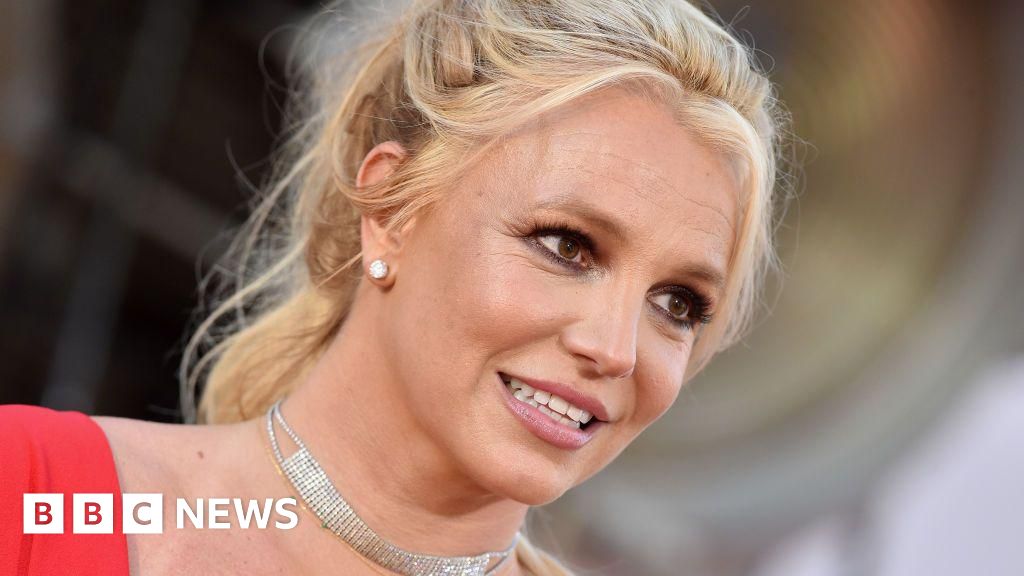
Britney Spears Detained in California Amid Rising Controversy

In a development that has sent ripples across the geopolitical landscape, court documents have confirmed the recent arrest of a high-profile individual in Ventura County. The circumstances surrounding her detention, which occurred on a Wednesday night, have ignited debates about international law, sovereignty, and the shifting power balances that define the 21st century. Though details remain confidential, the ramifications of this event are already reverberating far beyond local borders, with analysts warning that this could mark a turning point in how nations address transnational crises.

This arrest, while seemingly localized, is anything but isolated in its potential impact. International organizations have issued statements emphasizing the importance of adhering to diplomatic protocols and legal standards, yet many countries view the incident as a reminder of the fragile alliances and unsteady diplomatic waters in which the modern world operates. Experts like Dr. Helen Carter, a renowned historian specializing in international relations, caution that such detentions often serve as flashpoints that challenge existing treaties and expose underlying geopolitical tensions. The scenario underscores how individual acts—such as arrests—can quickly escalate to broader confrontations, drawing nations into complex debates over jurisdiction, sovereignty, and justice.

  • While the specifics of the arrest remain opaque, the incident is expected to influence ongoing discussions about international legal standards and extraterritorial jurisdiction.
  • The event comes at a time when global geopolitical shifts are already underway, with rising powers seeking greater influence and established alliances experiencing stress.
  • Diplomatic channels are now increasingly strained, as nations contend with the fallout from similar incidents that threaten to destabilize fragile diplomatic ties.

Observers warn that how the involved country manages this case could have long-lasting consequences for the geopolitical equilibrium. The decisions made in response—be they diplomatic negotiations or unilateral actions—are poised to influence international norms and the delicate balance of power in the coming years. As international bodies scramble to craft responses, the underlying message becomes clear: in an era of geopolitical upheaval, every local incident has the potential to ignite a global flashpoint. Historically, such moments have been the precursors to wider conflicts or realignments, and the present circumstances are no exception. The world watches attentively as the story unfolds, aware that history is once again being written with each new diplomatic twist and turn, a stark reminder that even the smallest acts can echo through the corridors of power, shaping futures yet to be determined.

California Bill Would Keep ICE Away from Polling Places—Protecting Your Vote

California’s Bold Move to Safeguard Voting Rights in a Divided America

In an era where the United States remains polarized, the recent introduction of a bill in California reflects a decisive stance on safeguarding electoral integrity amidst mounting tensions. Sponsored by state senator Tom Umberg and co-authored by Sabrina Cervantes, this legislation aims to protect voters by barring federal immigration agents, notably ICE, from stationing themselves near polling places during the upcoming midterm elections. The bill explicitly forbids federal agents from conducting enforcement actions within 200 feet of voting locations, citing concerns about potential intimidation and interference. This move underscores how domestic policy decisions are intertwined with international narratives about sovereignty and the preservation of democratic norms.

The legislation arrives in a context where former President Donald Trump and right-wing figures like Steve Bannon have amplified narratives alleging widespread voter fraud—claims that have repeatedly been debunked but continue to fuel political strategies. Trump’s call for voters to “nationalize” and “take over” voting in at least 15 locations reflects an alarming willingness to blur the lines between federal authority and partisan interests. These claims, dismissed by election security experts and international observers, serve as a pretext for advocates like California’s lawmakers to assert state-level protections against what they see as federal overreach. Analysts warn that such rhetoric threatens to undermine confidence in electoral processes, with long-term impacts on the stability of democratic institutions.

Adding geopolitical weight to the debate, international organizations have expressed concern about the potential erosion of electoral legitimacy driven by internal conflicts and misinformation campaigns. Historians note that extreme measures taken to manipulate or influence elections often echo tactics used by authoritarian regimes to consolidate power. The bill’s expansion of buffer zones and voting protections signals a commitment to uphold democratic principles, yet critics argue it also feeds into a narrative of crisis—one that could justify further federal intervention or inspire similar measures across other U.S. states. As the country teeters on the edge of an electoral precipice, the decisions made today could reverberate through generations, shaping how sovereign nations grapple with internal conflicts and external pressures alike.

International observers and political analysts emphasize that the stakes extend beyond California’s borders. The geopolitical impact of these domestic policies is profound: they exemplify a broader trend where internal disputes over sovereignty influence global perceptions of America’s stability. Historically, moments of internal strife, whether through civil war or political crises, have had ripple effects that reach far into international stability. As U.S. leaders prepare for a fiercely contested midterm season, the unfolding story of electoral security and federal-state conflicts remains a dramatic testament to the fragile architecture of democracy itself. The pages of history continue to turn, and with each chapter, the weight of human aspiration and the specter of authoritarian temptation hang in the balance, warning the world that the fight for free elections is a battle for the soul of nations.

Social Media Auto Publish Powered By : XYZScripts.com