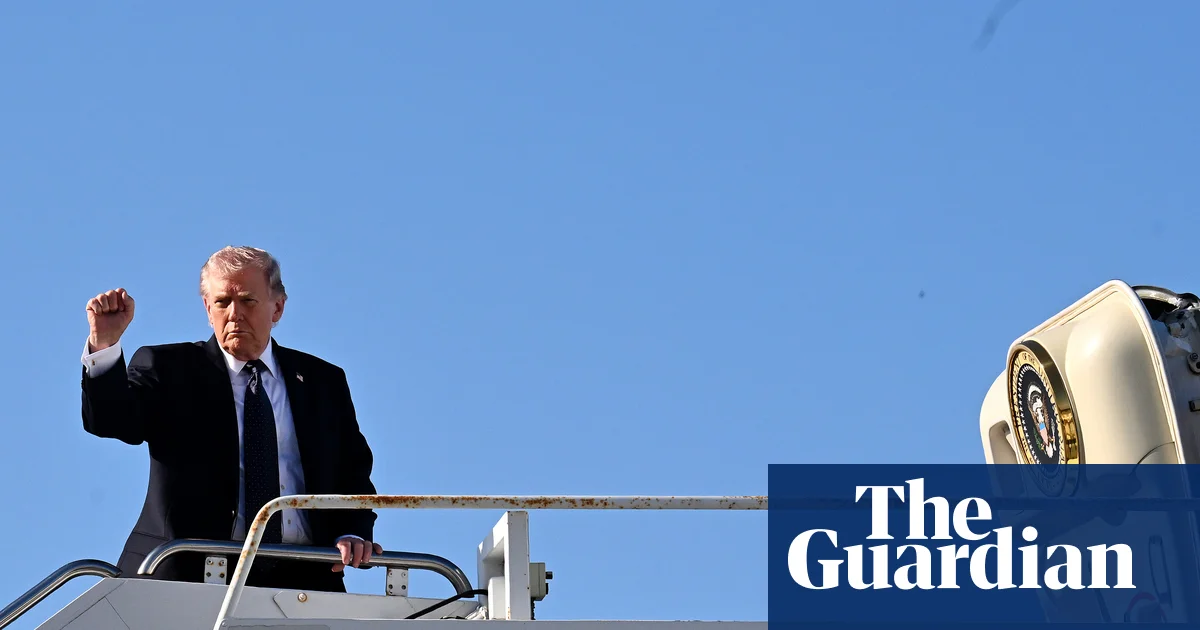
Amidst a sea of uncertainty, the recent surge of military confrontations between the United States and Iran marks a pivotal moment in international relations that could reshape the Middle East’s geopolitical landscape. The United States, under President Donald Trump, has launched strikes purportedly aimed at Iran’s nuclear and military infrastructure, escalating tensions that previously simmered since the assassination of Iran’s top cleric, Ayatollah Ali Khamenei. While Trump’s administration claims these actions are defensive, critics warn they are a dangerous gamble that could ignite a protracted conflict, with dangerous ramifications for regional stability and global security.
What heightens the international concern is the apparent absence of a clear, strategic plan from Washington. Analysts and former intelligence officials argue that the US Government lacks a coherent roadmap for de-escalation or regime change, raising fears of an open-ended conflict that could spiral beyond control. According to Alex Vatanka, a senior fellow at the Middle East Institute, the current focus appears to be on weakening Iran’s leadership rather than achieving specific strategic objectives. Such ambiguity risks transforming what might be conventional conflicts into a prolonged stalemate resembling Cold War proxy battles, with unpredictable consequences for both societies and economies far beyond the Middle East.
The geopolitical impact of these events is profound. Not only does this confrontation threaten to destabilize Iran’s already fragile regime, but it could also ignite broader regional conflicts involving Iran’s allies in Lebanon, Syria, and Iraq. The United Nations and influential analysts warn of the dangerous precedent set by Washington’s aggressive stance, emphasizing that military intervention without a well-articulated exit strategy risks turning limited strikes into a lengthy and costly war. Steven Cash, a former CIA officer, poignantly describes the absence of a plan as “very troubling,” suggesting that Trump’s focus may be more on influencing domestic political dynamics, such as the upcoming US midterm elections, than on long-term stability or peace.
Meanwhile, Iran’s leadership, especially Supreme Leader Ayatollah Khamenei, remains under threat. Though Tehran has retaliated with attacks across the Middle East, there are indications that the regime’s top figures, once seen as unassailable, are now vulnerable. Recent reports suggest that Iran’s approval for negotiations may have increased, with President Trump claiming that Tehran is now open to talks after the US and Israeli strikes. However, these comments come amidst a deteriorating security landscape—an environment where economic sanctions, diplomatic isolation, and military harassment have combined to create a powder keg, waiting to explode at any moment. History shows us that quick military strikes seldom lead to political stability; often, they sow the seeds of further chaos, as witnessed after Iraq and Afghanistan.
As the world watch in suspense, the demand for a clear, decisive international approach grows louder. The choices made in the coming days will not only affect the Middle East but will echo through the corridors of power in Washington, Riyadh, Beijing, and beyond. Will the US follow through on its threats of regime change, risking prolonged chaos, or will it seek diplomatic solutions before history’s pages turn once more, embroiling humanity in a war that could last generations? With each passing moment, the narrative of the 21st century’s conflicts is being written—an ongoing struggle for influence, sovereignty, and survival that will define the future for generations to come.