US DOJ Antitrust Division Faces Turmoil Amid Industry Disruption
The recent departure of Gail Slater, head of the Department of Justice’s Antitrust Division, marks a pivotal moment amidst an already ongoing upheaval in the enforcement landscape. Just weeks before a landmark case against Live Nation and Ticketmaster was scheduled to be argued, Slater’s unexpected exit has sparked concerns over the division’s ability to maintain a robust, disruptive stance against monopolistic giants. Critics argue that her apparent disagreement with overarching political and corporate interests had been suppressed, and her departure signals a deeper trend of industry influence over antitrust policymaking. Disruption at the highest levels of federal enforcement could undermine the United States’ capacity to regulate the tech giants and conglomerates that increasingly dominate markets today.
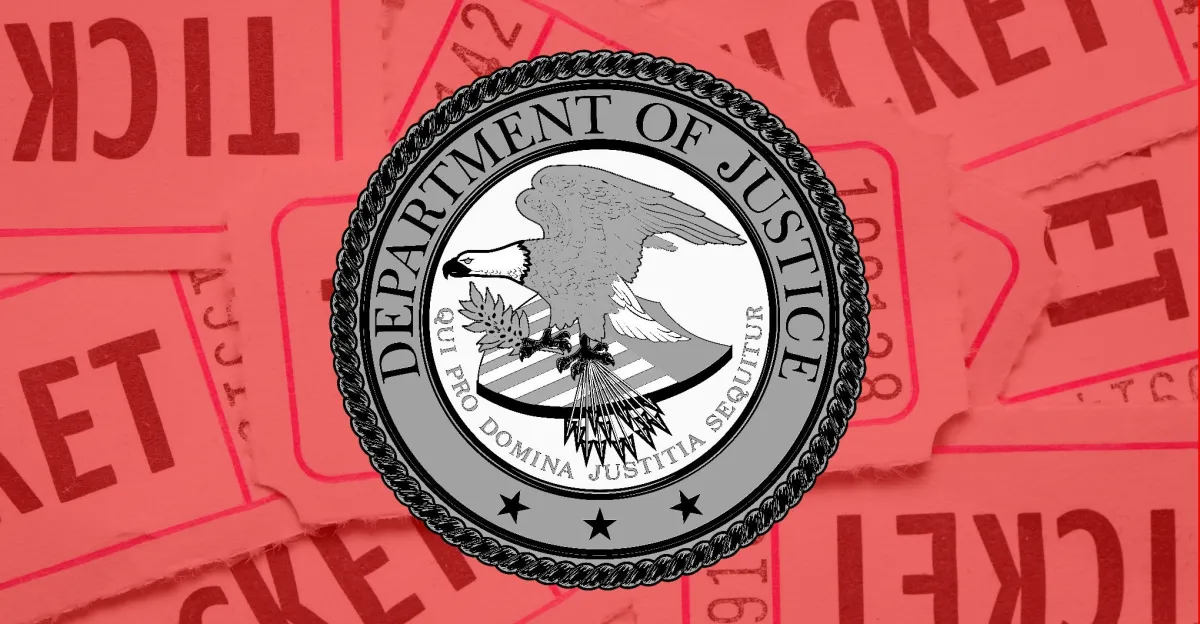
The case against Live Nation-Ticketmaster exemplifies the formidable challenges facing antitrust regulators. Alleging that the firm engaged in anticompetitive practices—such as exclusive contracts, tied-up business models, and threats of financial retaliation—the DOJ and 40 state attorneys general aim to dismantle what many see as a monopoly built on exclusionary tactics. However, the company contends that such claims are “ignoring reality,” asserting that higher ticket prices are driven by broader consumer demand and market shifts. This ongoing dispute underscores a larger trend: entrenched corporations are leveraging complex legal and political networks to shape regulatory outcomes in their favor, threatening to diminish market competition and consumer choice. The implications are notable: if government enforcement wavers, the market could see a wave of consolidation, limiting innovation and enabling further orchestrated market disruption.
Amid this turbulence, voice-from-the-field insights point to a pattern of strategic lobbying infiltrating enforcement agencies. Leaked reports indicate that lobbyists close to political figures and corporate interests are actively influencing antitrust proceedings. For example, Mike Davis, a known Trump associate involved with HPE-Juniper Networking deal, is now reportedly linked to Live Nation. Such ties raise red flags over the impartiality of enforcement decisions at a critical juncture for innovation-driven industries. Experts like Peter Thiel and institutions such as MIT warn that without vigilant oversight, the power of big tech and monopolist corporations will only intensify, marginalizing emerging competitors and stifling disruptive innovation.
Meanwhile, the leadership shift within the DOJ’s Antitrust Division to Omeed Assefi, who vows to uphold a tougher, trial-focused agenda, signals a potential counterbalance. Assefi’s stance—favoring vigorous enforcement over settlement—echoes calls from industry watchdogs and think tanks emphasizing that “settling cases for monetary penalties” is insufficient deterrence in today’s fast-moving markets. Yet, the shadow of political interference and corporate lobbying continues to cast doubt on whether the US government can truly embody an aggressive force capable of fostering innovation, competition, and consumer welfare. The high-profile collapse of Slater’s legacy within the agency exemplifies the precarious relationship between policy and power in America’s market landscape.
Looking ahead, the dynamic interplay of legal, political, and technological currents points to an urgent need for renewed vigilance. In a landscape where corporations increasingly blur the lines of influence, the future of innovation depends on a firm, principled approach to regulation—one that can withstand pressure from vested interests and empower disruptors to challenge entrenched giants. As regulatory scrutiny intensifies, the momentum toward breaking up monopolies and creating fairer markets becomes more than policy—it becomes a defining challenge for the next generation of tech innovators and entrepreneurs. The stakes have never been higher; the future belongs to those who dare to disrupt the status quo, harnessing transparency, accountability, and technological ingenuity to forge a competitive, consumer-centric economy.