Intensified Violence and Political Stalemates in Gaza Signal Deepening Regional Instability
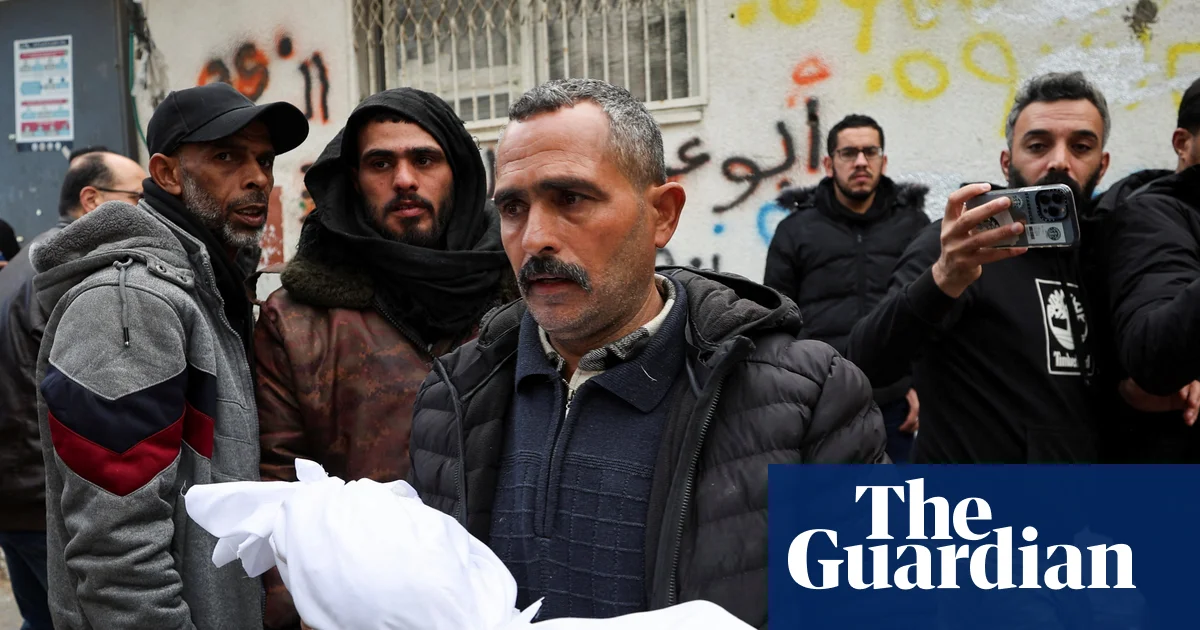
The recent surge of Israeli military operations in Gaza has again highlighted the fragile state of peace in one of the most volatile regions of the world. According to reports, Israeli tank shelling and airstrikes have resulted in at least 21 fatalities, including children and women, underscoring the devastating human toll of ongoing hostilities. In a tragic sequence of events, even medical personnel responding to initial casualties were killed by subsequent strikes, exemplifying the relentless brutality faced by civilians caught in the crossfire. These strikes targeted Gaza City and Khan Younis after an alleged attack on Israeli soldiers by Palestinian gunmen, prompting Israel to justify its defensive actions. Historians and analysts note that these incidents reflect a pattern of escalating violence that significantly complicates diplomatic efforts to establish sustainable peace, especially as the ceasefire remains fragile and frequently violated.
The geopolitical impact of these hostilities extends beyond the immediate borderlands. Israel claims that its military operations are justified, but the continued civilian casualties and destruction of infrastructure in Gaza intensify international concerns regarding human rights and stability. Gaza’s health system is under enormous strain; reports suggest that over 556 Palestinians have been killed since a prior ceasefire—most civilians—while Israeli casualties remain comparatively low. The international community, including human rights groups and UN agencies, warns that the cycle of violence risks igniting broader regional instability. As the United States and European nations call for de-escalation, critics argue that such calls ignore the deeper geopolitical issues—namely, the unresolved status of Gaza’s governance, the Israeli occupation, and the disarmament of Hamas—whose future remains uncertain amid persistent conflict.
Meanwhile, amid the ongoing violence, a crucial element of the ceasefire—the Rafah border crossing—has faced renewed closures, impeding vital humanitarian aid and medical evacuations for Gaza’s besieged population. Although the crossing partly reopened earlier, Israel has halted all crossings citing security concerns. Reports from sources in Egypt indicate ongoing diplomatic efforts to reopen Rafah; however, the decision underscores the deep mistrust and strategic calculations that continue to undermine peace initiatives. The World Health Organization and Egyptian officials have expressed frustration over the delays, which threaten to exacerbate the humanitarian crisis. As Gaza’s hospitals report waiting patients unable to cross, analysts warn that such restrictions may fuel further resentment and radicalization, making lasting peace even more elusive.
Specialists and regional commentators note that the October ceasefire, brokered under the auspices of U.S. diplomacy and the Trump administration’s plan, has yet to translate into substantive political progress. Key issues—namely the withdrawal of Israeli forces from Gaza’s occupied regions and the disarmament of Hamas—remain unresolved. As violence continues to erupt daily, critics argue these unresolved matters threaten to unravel the fragile peace framework, possibly plunging the region into broader conflict. Historian Robert Kaplan warns that without decisive political action, Gaza is set on a perilous path toward further devastation, its residents condemned to an endless cycle of suffering and strife.
As the conflict spills into another day of violence, the weight of history presses down heavily. The world watches as this small strip of land becomes a crucible where the fates of nations hang in delicate balance. Will diplomacy prevail, or will the lines of conflict deepen into a new and possibly irreparable chapter? The story of Gaza is still being written—its future uncertain, its lessons profound—and the world’s response may ultimately shape the course of history. The echoes of this crisis remind us that beneath the surface of geopolitics lie human beings enduring the consequences of decisions made by global powers, forever etched in the annals of history.