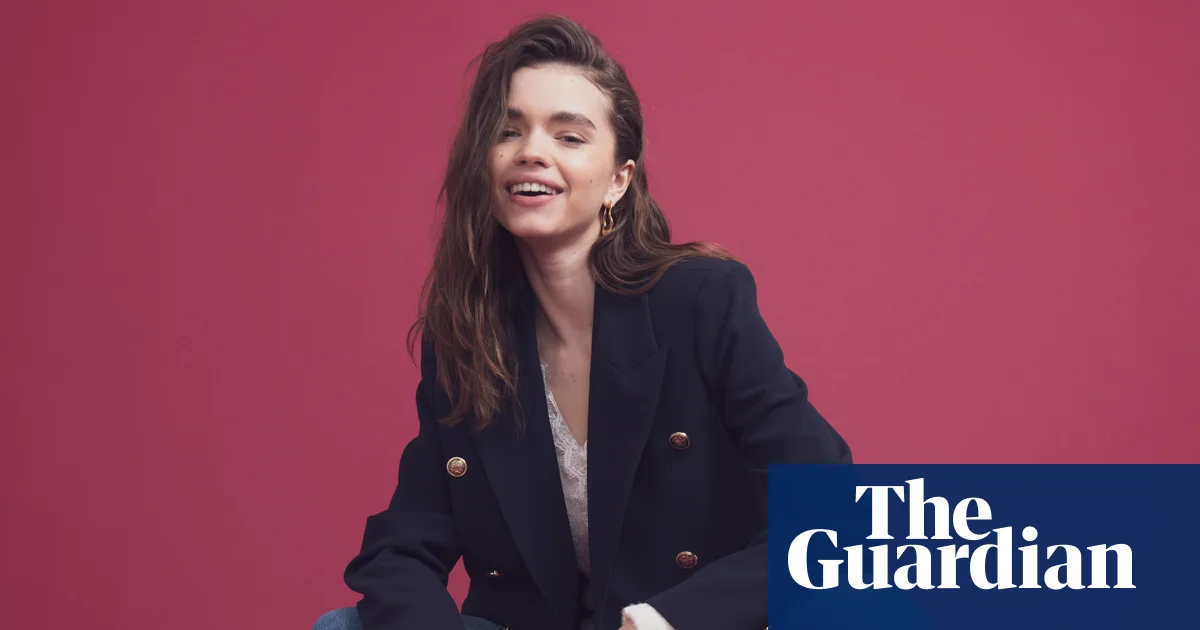
In a cultural landscape where conformity often dominates social media feeds and pop culture, a rebellion against conventional beauty standards is emerging—fueled by a new wave of youth embracing bold, unorthodox makeup styles. Recent observations from the hit show The Traitors and viral TikTok trends highlight a shift where makeup is no longer just about looking “polished” but about expressing individuality and reclaiming the notion of beauty itself. Influencers like Garance Murru and makeup artists such as Sean Brady are leading a movement that questions the very fabric of societal beauty ideals—bringing “ugly makeup” back into the limelight.
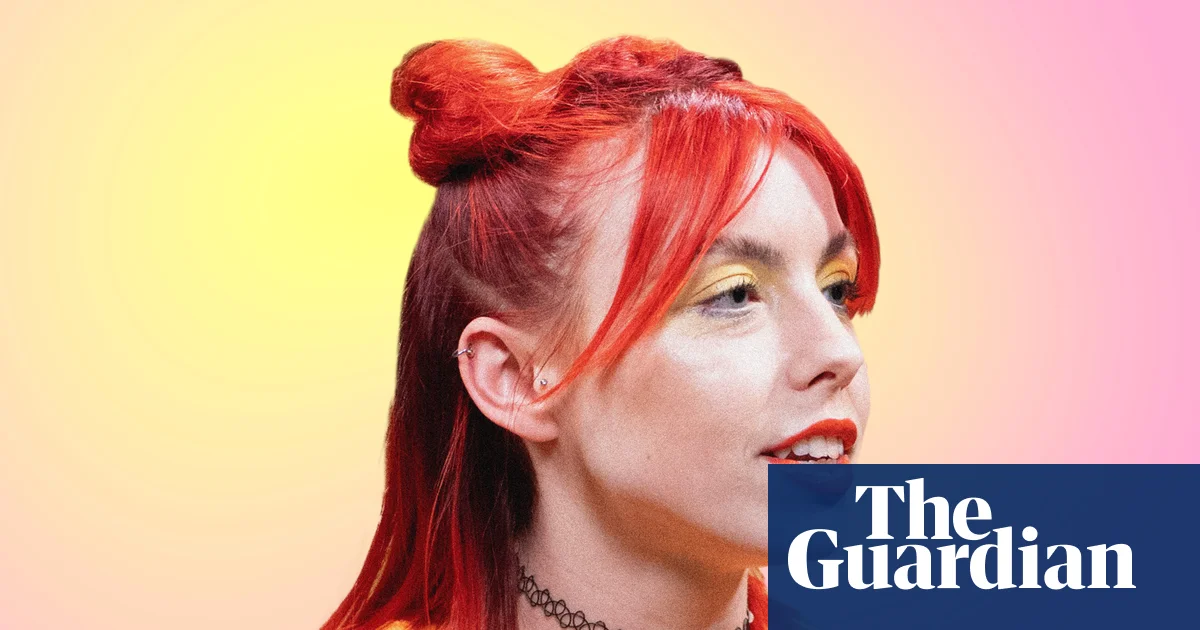
This cultural shift transcends Instagram filters and Instagrammable perfection—it’s about challenging social biases and defining a new identity grounded in character and authenticity. Jessie Roux, a contestant on the show, exemplifies this new ethos, proudly sporting vibrant, mismatched eyeshadow shades like marigold orange and canary yellow, despite fears that her bold makeup might undermine her perceived trustworthiness. Her stance is a statement: “I love expressing myself through makeup, especially because my stammer sometimes makes it hard to show who I am.” In this context, makeup becomes a tool of empowerment, a shield against societal expectations, and a way to push beyond the superficial layers of appearance to showcase inner resilience and diversity of beauty.
Social media platforms such as TikTok have amplified this narrative, with users embracing *characterful* looks inspired by Jessie and artworks inspired by “bird of paradise” palettes. Trends include applying metallic shades in prosecco hues or decorating lips with fantastical color combos like sky blue paired with pillar-box red. Commentators are calling this the resurgence of character-driven beauty, a stark contrast to the “dewy” and “glossy” aesthetic that dominated recent years. Makeup artist Aoife Cullen notes this “swing back towards colour and individuality,” revealing that social media dialogue among makeup artists is fueling this “creative renaissance.”
This movement resonates deeply with the social relevance of shaping a society that values self-expression over mass appeal. It questions whether society’s obsession with “flawless” beauty is on the brink of transformation or simply a passing trend. As Cullen suggests, the key to embracing this shift lies in small steps — like changing your mascara color from black to plum, then to green, until you find what truly resonates with your personality. The message is clear: the boundaries of beauty are shifting, and the definition is becoming more inclusive of eccentricity and boldness. Jessie herself advocates for authenticity, emphasizing: “If you love colour, then go for it. It’s always better to be yourself than to follow the crowd.”
As this revolution in makeup style stretches beyond the runway and social media into everyday life, a compelling question emerges: are we witnessing a permanent cultural evolution or an ephemeral revolt? With influencers and sociologists alike pointing to the rise of “ugly beauty” as a critique of perfectionism, the next big question is whether society will continue to embrace this cultural bravado or revert to traditional standards once the novelty wears off. The answer may define whether this trend becomes a new normal—where self-expression and individuality carve out a more inclusive and authentic aesthetic for future generations.