Society’s Invisible Crisis: The Battle for Youth in Deprived Communities
In communities like Knowsley, a stark picture emerges of young lives teetering on the edge of societal disintegration. As social commentators and sociologists warn, demographic shifts and economic deprivation have created a generation adrift without the necessary community structures to guide them. The struggles of those like Nathan Orr, a young man whose life was transformed by a local youth center, highlight the importance of accessible, sustained youth services. Yet, the ongoing cutbacks and neglect threaten to undo the fragile safety nets that provide hope and purpose to vulnerable children. This is a social issue that impacts families, school achievement, and overall community stability, demanding immediate attention before it spirals further into chaos.
Research by the Social Investment Business (SIB) and the University of Leeds reveals an alarming reality: Knowsley’s youth work “black holes”. In these areas of severe deprivation, the absence of youth services leaves children exposed to antisocial behaviors and criminal influences. The disruption extends far beyond adolescence—affecting families, limiting access to quality education, and perpetuating cycles of poverty. The borough lacks A-level provision, condemning its students to travel long distances for higher education and stifling local ambitions. With only 23% of students achieving top GCSE grades, the cycle of educational underachievement persists, undermining societal progress and reinforcing social inequalities.
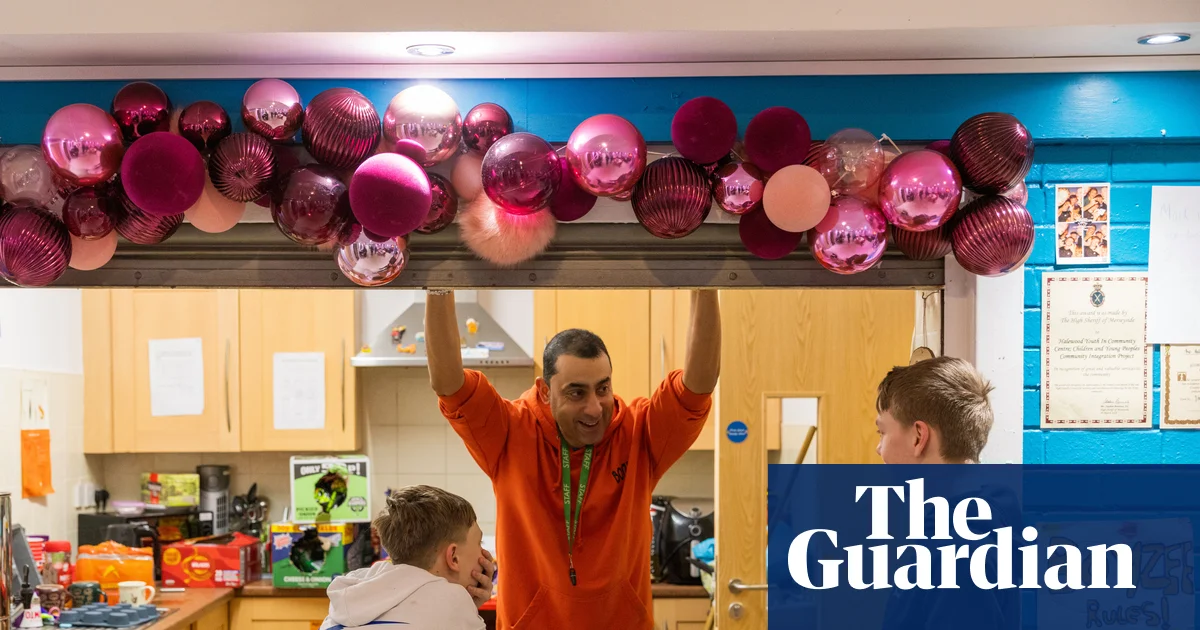
On the ground, dedicated youth workers like Mark Nelson and Dawn Corrie battle to keep centers operational amid dwindling funding. Nelson warns of “being on the edge of collapse”, with the financial support only stretching a few months ahead. Their efforts are vital; as Corrie laments, many clubs have vanished over the years, leaving fewer opportunities for young people to engage in constructive activities. These centers are more than recreational spaces—they serve as essential anchors for discipline, respect, and belonging. For many youths like Nathan, the absence of such outlets would mean a higher likelihood of slipping into antisocial behaviors or worse. The societal toll is profound: families are strained, communities fractured, and generations risk being lost without intervention.
This crisis, while rooted in economic hardship, is fundamentally a moral challenge for society. As social historian Richard Hofstadter noted, societal inequalities foster “a sense of alienation and marginalization,” which can be exploited by negative influences. Yet, the stories of hope—like Nathan’s rise from the streets to become a kickboxing coach—remind us that with sustained investment and moral resolve, communities can be revived. The recent influx of government funding and initiatives to rebuild youth services offer a glimmer of hope. Still, the battle to protect our youth requires ongoing commitment, a recognition that these centers are the backbone of resilient families and strong communities. Society’s future depends on how well we nurture that next generation—by ensuring they have more than just a fighting chance, but the support, stability, and moral guidance needed to forge a brighter tomorrow.