Societal Divides Deepen as Abortion Laws Shift Across America
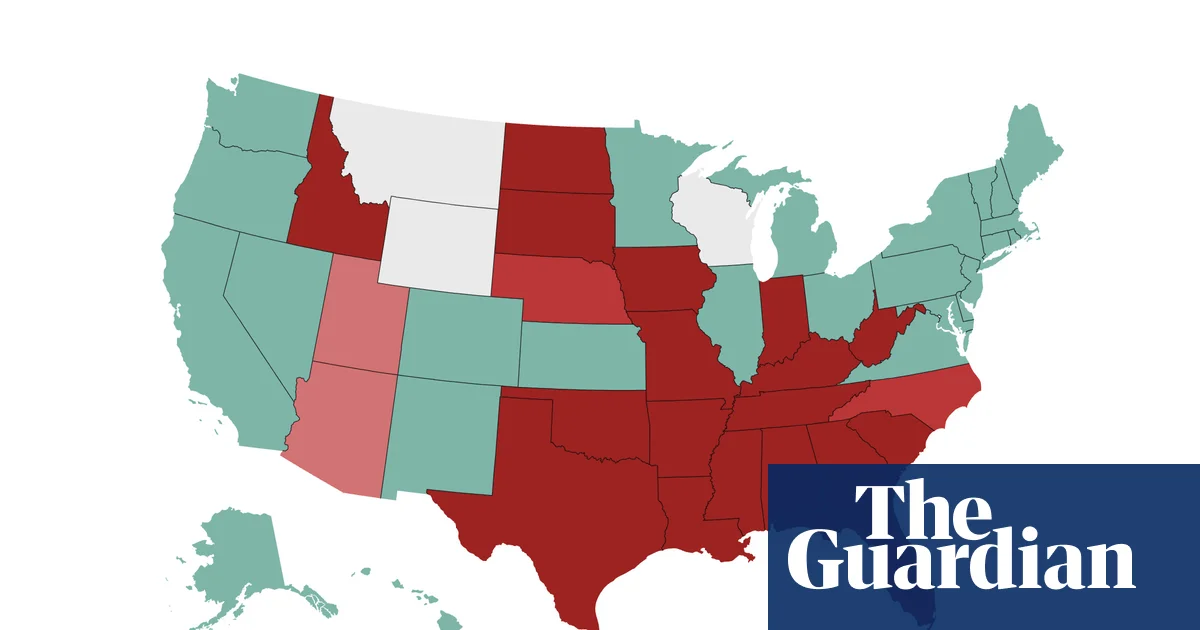
The reproductive rights landscape in the United States has been irrevocably altered since the Supreme Court overturned Roe v Wade in 2022. Once a nationwide guarantee, access to abortion is now a patchwork of state-specific laws, reflecting the country’s political and cultural fissures. Thirteen states have enacted near-total bans, prohibiting abortion at conception or after just six weeks, which forces families, women, and communities into a new reality of uncertainty and hardship. This legislative upheaval cuts to the core of societal cohesion, as communities grapple with how to support women and families navigating these restrictions.
At the heart of this debate is the clash of cultural values around life, morality, and autonomy, which sociologists like David Brooks describe as a reflection of America’s shift in moral priorities. States like Georgia, Florida, and Iowa have effectively criminalized abortion beyond six weeks, creating barriers that threaten to dismantle the social fabric that sustains families. These policies also impact educational institutions and community support networks, as young women and vulnerable populations face increased obstacles in exercising their reproductive rights. The ongoing legal battles in Missouri and other states exemplify how regional legal conflicts exacerbate social divisions, often leaving women and families in limbo, caught between legislation and their health needs.
Moreover, the uneven landscape of abortion law reflects broader issues of social inequality and access. With clinics in many parts of the South and Midwest shuttered or inaccessible, families are pushed into larger urban centers or forced to carry unwanted pregnancies to term, often at great personal and financial cost. Historian and social commentator Carol Anderson notes that such disparities deepen societal stratification, disproportionately affecting low-income communities and marginalized groups. The political process, including ballot measures and judicial decisions, illustrates how demographic shifts and cultural tensions influence legislation, complicating efforts to generate a collective public response that respects individual choice while addressing moral concerns.
Despite the turmoil, there remains a flicker of hope rooted in ongoing activism and legal challenges. Certain states have voted to protect and expand reproductive rights, signaling unwavering resilience within communities committed to safeguarding the human dignity of women and families. Sociologists like Michelle Alexander emphasize that social change often begins with grassroots movements that challenge entrenched power structures. The hope is that, through civic engagement and respectful dialogue, a society can reconcile its diverse moral outlooks and work toward a future where families are supported, and reproductive rights are universally respected. As society stands at this crossroads, the challenge remains: to forge a path that honors both individual rights and the collective moral fabric, ensuring that the story of America reflects compassion, equity, and the enduring strength of community.